Get

In Your Inbox

Catster is reader-supported. When you buy via links on our site, we may earn an affiliate commission at no cost to you. Learn more.

How to Tell if Your Cat Was Poisoned: 8 Vet-Reviewed Signs

Share

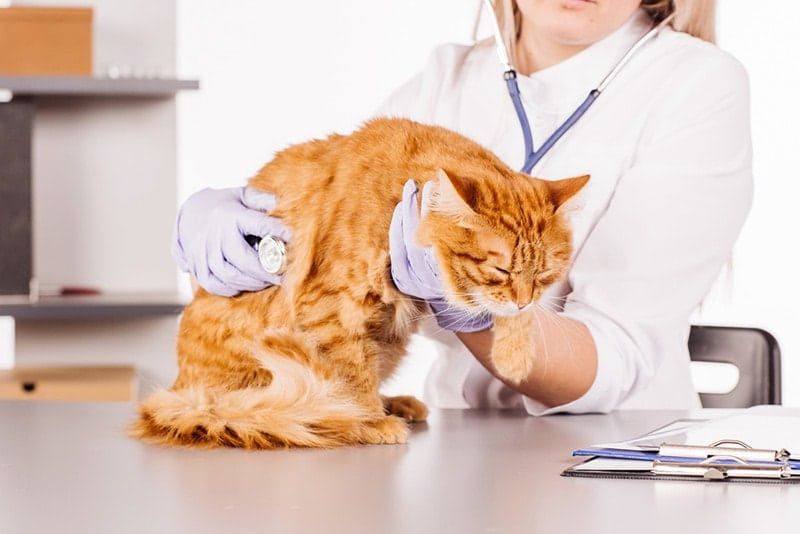
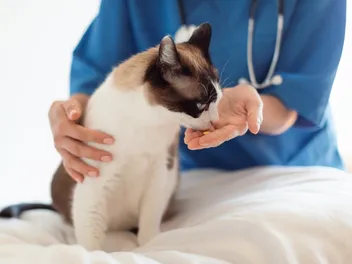
vet checking up the cat

If your cat is acting strange and exhibiting unusual behavior, it may be due to poisoning. Knowing the signs of poisoning will help you identify the problem in time and react accordingly. Of course, if you suspect your cat has been poisoned, your best course of action is to go to a vet as soon as possible.

Read on below for the possible signs of cat poisoning and what to do in case of this emergency.

divider 3 paws

The 8 Signs Your Cat Was Poisoned

1. Loss of Appetite

Loss of appetite is the first and most common sign your cat has gastrointestinal or stomach issues. If your cat loses interest in food and doesn’t feel hungry, there is likely a serious problem going on. Along with the loss of appetite, there may be other signs involved that can indicate poisoning.


2. Vomiting

Vomiting is another quite common signs of poisoning in cats. That’s when a cat may start vomiting uncontrollably and frequently in an effort to remove everything toxic from the stomach. When your cat ingests a poison,1 such as a poisonous plant, spoiled cat food, or even toxic fluids, the stomach will begin its best effort to remove the poisonous or foreign object from the body.

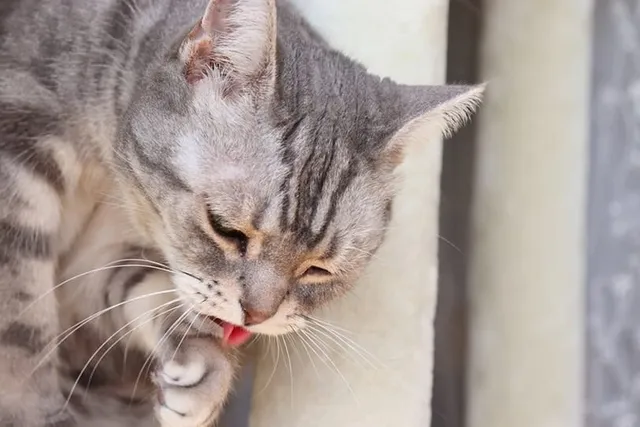
sick grey tabby cat
Image By: chie hidaka, Shutterstock

3. Diarrhea

Similar to vomiting, diarrhea occurs when the body tries to remove a harmful object or fluid from the body, or from the upset caused to the intestines from the toxin. Once a dangerous object or toxic fluids pass into the intestines, the body’s natural instinct will often be to remove the thing from the system.


4. Depressed or Lethargic State

If your cat suddenly begins expressing an altered mood or state where they seem depressed, lacking enthusiasm, or are lethargic, this can be due to food poisoning. Your cat may stop playing with you or not be excited when you offer them things they usually enjoy. When your cat stops expressing happiness or enthusiasm followed by a lack of appetite, it can be a sign of ingesting a poisonous object.

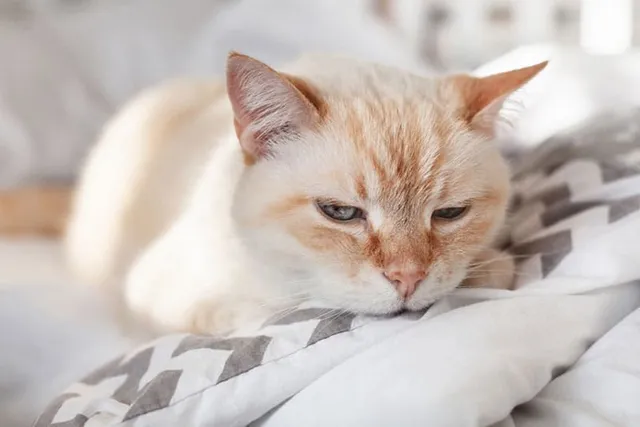
sick cat lying on blanket
Image credit: one photo, Shutterstock

5. Muscle Tremors

Muscle tremors are involuntary movements of body parts due to muscles contracting and relaxing repeatedly. Muscle tremors can seem like your cat is twitching in certain parts of their body. These muscle tremors can be caused by several factors, including ingesting toxic plants or chemicals. Your cat needs to be examined by a veterinarian if they are experiencing twitching of the muscles to be able to create the correct diagnosis as soon as possible.


6. Discolored Gums

The normal color of the cat’s gums should be similar to humans—light pink. When your cat’s gums suddenly change color to a much brighter pink, turning intense red, it can indicate your cat has cyanide poisoning. Cyanide poisoning is usually caused by the cat ingesting a toxic plant, pesticides, fertilizers, or even from large quantities of apple seeds. Discolored gums can also occur if your cat ingests rat poison, which can stop the blood from coagulating and cause excessive bleeding.

cat teeth resorption
Image Credit: Yaya Photos, Shutterstock

7. Drooling & Constant Thirst

Drooling can be one of the first signs of cat poisoning. It can indicate anything ranging from the bad taste of a toxin to the damage toxins can cause to the gum tissue. Drooling can take a variable amount of time to appear.


8. Breathing Difficulties

Cats can breathe in harmful chemicals that can lead to poisoning. Plenty of chemicals are harmful to cats, such as carbon monoxide, sprayed insecticides, or bleach fumes and fumes from other strong cleaning products. If your cat was poisoned by inhaling the toxic chemical, aside from other signs, you may also notice your cat coughing and having breathing problems.

cat walking outdoor and panting
Image Credit: SUSAN LEGGETT, Shutterstock

divider 3 paws

What to Do When You Suspect Your Cat Has Been Poisoned

1. Contact a Vet Immediately

Your first step in helping your cat is to contact a veterinarian and quickly explain the situation. It would help to let the veterinarian know what your cat had to eat that day. If the vet assumes your cat has been poisoned, you must immediately take him to the clinic.


2. Do Not Try to Treat Your Cat

After recognizing the likely signs of poisoning, you must refrain from giving the cat any treatments or natural remedies. Any added fluids or foods can make the situation worse.


3. Identify the Possible Poison

Think about all the possible things your cat could have eaten during that day, and if their meal was the same as always, they might have picked something up from around your home. Do your best to identify the exact substance your cat might have ingested or inhaled, which will help the veterinarian in setting up the diagnosis and treatment.

Closeup veterinarian is making a check up of a adult maine coon cat with stethoscope in vet clinic
Image Credit: Ermolaev Alexander, Shutterstock

divider 3 paws

Conclusion

Poisoning can happen unexpectedly, especially if your cat finds strange new objects in the house and ingests them without your knowledge. After reading about the possible signs your cat can have in case of poisoning, you know what to expect and how to react in time. Responding as soon as possible can save precious minutes and even save your cat’s life.

See Also: 


Featured Image Credit: PRESSLAB, Shutterstock

Want content like this delivered to you?

Sign Up For Our Newsletter

News, insights, expert advice, and everything cat

* By submitting, you agree to our Terms & Conditions and Privacy & Cookies Policy.


How useful was this post?

Click on a star to rate (you can leave written feedback after clicking submit)

Help us improve Catster for pet parents!

Your feedback really matters.

What did you like about this post? Also how can we improve it?

Join the conversation

4 Responses

  1. i have a female cat and i let her out been gone for almost a week and she came back.. she was fine, now she's been throwing up yellow stuff and has Diarrhea and has been very tired and is not eating or drinking ever since she got back.. we don't have the money right now i mean we are on a fixed income.. the vets where I'm at are asking for too much money.. please help

    1. Hi Rachel.Sorry to hear about your cat getting sick. An online consultation at www.pangovet.com could help you determine the urgency of the situation and guide you through the next best steps.

  2. What can I do to help my cat? If I thinkshe's been poisoned. I'm not sure by what the Spider-Man bug by. I don't know, I'm down anything I'll him yet.
    73 years old and I'm don't have the money. I'm on social security please help me

    1. Hi Debra, so sorry to hear about your cat. Poisoning is a medical emergency; if your cat is showing signs, you need to take your cat to the veterinarian as soon as possible. They might be able to help him with support treatments, but knowing the possible cause would be even more helpful.

Leave a Reply

You’re very welcome to leave a comment or question. Please know that all comments must meet our community guidelines, and your email address will NOT be published. Let’s have a positive and constructive conversation.


Catster's Digital Magazine is Back!

Vet-approved health & behavior advice

Real cat stories & community features

Chatting About the Importance of Spaying/Neutering, Cat Retail Shopping Ban & Red-Level Storms | Chatty Cattys, Episode 30

In this episode of Catster’s Chatty Cattys podcast, Nicole and Dr. Karyn are celebrating a major legal win for pets before diving into...

Is Your Cat Happy? Here’s How You Can Tell

Cats have a reputation for being indifferent, even inscrutable. But despite their seemingly ambivalent appearance, cats experience many emotions, including happiness, and they...

Human Brains Age Like Cats – New Study Debunks the 7-Year Rule

If you’ve ever caught your senior cat staring blankly at a wall, wandering the halls at 3 am, calling out for no clear...

Chatting with Devin About Here! Have a Kitten, Fostering, & Why Two Are Better Than One | Chatty Cattys, Episode 29

In this episode of Catster’s Chatty Cattys podcast, Nicole & Dr. Karyn sit down with Devin, the founder and one-woman show behind “Here...

More related

7 DIY Cork Cat Toys You Can Make Today: Great Vet-Approved Options

Cats love toys, so if you’re a cat parent, you’ll find yourself collecting a lot of them. The problem? Cat toys can be...

Why Is My Cat So Hungry All of a Sudden? 6 Vet-Reviewed Reasons

Most domestic cats like to eat small, frequent meals daily instead of one or two feasts. It might be normal to see your...

How to Trim a Cat’s Nails (Who Won’t Cooperate): 12 Vet-Approved Tips

Trimming a cat’s nails can be an important part of feline maintenance. Cats use their claws for hunting, defense, and balance. While they...

10 Cat Foods That Have Never Been Recalled (2026 Update)

As a cat owner, you put faith in the pet food industry to provide your kitty with the nutrition that they need to...

Keep reading

Is It True That All Cats Kill Mice? Vet-Reviewed Facts & FAQ

For millennia cats and humans have lived together in the same homes, and one of the many reasons for this is rodent control. Cats are often applauded for their mice hunting skills, but is this true of all cats? The...

grey cat hunting mouse

How to Trim the Nails of an Angry or Aggressive Cat (Vet-Approved Guide)

If you ask Mojo, the cat, about his favorite pastimes, nail trims would definitely NOT be on the list. Sleeping and eating are favorite pastimes, but nail trims are not. Mojo is a tough-looking former stray who now holds court...

Why Does My Cat Scratch the Sides of the Litter Box? 6 Vet-Reviewed Possible Reasons

Cats are odd little animals. They stare at us while we sleep, pounce at us as we walk past their hiding spot, and judge us from afar when we do something they don’t like. Still, we can’t live without them,...

cat pooping in a yellow litter box

Can a Cat Detect Carbon Monoxide? The Interesting Answer! (Vet Reviewed)

Cats cannot smell or otherwise detect carbon monoxide. This gas is completely odorless. Therefore, there is no way for your feline to detect it—despite their stronger noses. However, cats have a higher metabolic rate than humans, as well as a...

hand holding carbon monoxide alarm

How to Tell If a Cat Is Going Into Labor: 6 Vet-Approved Signs to Look For

If your cat is expecting kittens, it can be an exciting time waiting for those adorable little bundles of fluff to arrive. You’ll want to make sure you have everything ready, so you should start watching for early signs of...

pregnant cat lying on the table

How to Get a Scared Cat Out of Hiding: 5 Vet-Approved Tricks

Cats are always looking out for their safety and are experts at hiding when they feel afraid or threatened. It’s fairly normal for cats to hide when they first arrive in their new home. The unfamiliar environment can make them...

cat hiding in the cabinet

The Cat Biting Mistakes Most Owners Make (And What Works Instead)

Cat bites sent more than 400,000 people to emergency rooms in the US each year.1 Not scratches. Bites. And the reason they’re so medically serious has nothing to do with how hard the cat bites. It’s about what’s in a...

The cat bites the woman's hand

Can Cats Have CBD Treats? Vet-Verified Safety & Benefits Explained

You might’ve noticed all the hype about CBD (cannabidiol) in recent years. Maybe you’ve even tried it yourself. In people, CBD has been shown to help reduce or prevent seizures in some childhood epilepsy disorders as well as relieve insomnia...

Can Cats Have CBD Treats

Love Cats? So Do We! Join the Catster Community

Stay informed with expert pet care insights delivered straight to your inbox! Discover professional guidance on animal behavior, feeding tips, trusted product picks, and much more.


Sign up for the Catster Email Newsletter

Stay informed with expert pet care insights delivered straight to your inbox! Discover professional guidance on animal behavior, feeding tips, trusted product picks, and much more.