Get

In Your Inbox

Catster is reader-supported. When you buy via links on our site, we may earn an affiliate commission at no cost to you. Learn more.

9 Common Types of Toxicosis in Cats Explained By a Vet & What to Do

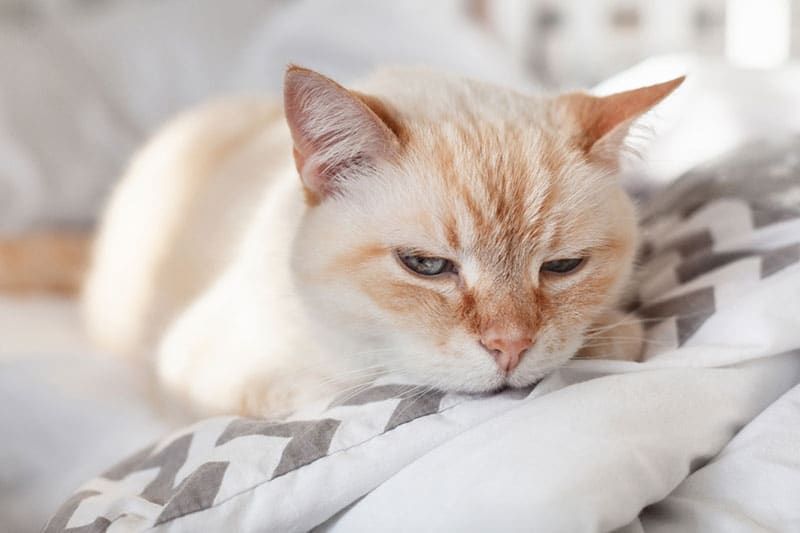
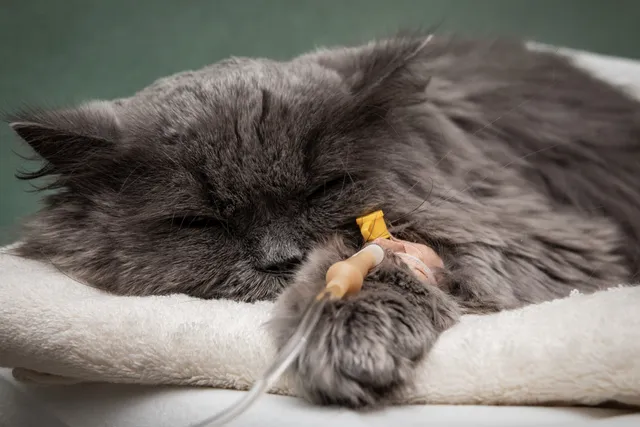
a sick cat lying on bed

Your cat may have access to toxins you didn’t even know existed in the house. There are many hidden dangers that can cause toxicosis in your cat and this is why it’s vital to be aware of signs as well as potential causes.

Read below to find out the 9 most common types of toxicosis we see in cats, and what you can do if your cat has been exposed.

divider 3 paws

The 9 Types of Toxicosis in Cats

1. Over the Counter (OTC) Medications

medicine pills package in shopping basket with pharmacy blurred background
Image Credit: Kwangmoozaa, Shutterstock

OTC medications can include anything from pain medications such as Ibuprofen and acetaminophen to cold medications or salves and ointments. You may drop a few pills out of the container and not realize it. Ointments and salves may have an enticing smell to your cat that will cause them to want to taste it. You may think you’re helping your cat by putting ointment on a wound or injury when in reality, it may be extremely toxic to your cat if they groom it off.

What to do:

Try to figure out how much your cat ingested. This may or may not be easy if the entire container spilled onto the floor and/or there are only half-eaten pieces of pills left over. Do your best to estimate how much and which product was ingested. You should then call the ASPCA Poison Control Center. They’ll walk you through a few questions to try and calculate if what your cat ate is even toxic, and if so, at what dose. If your cat shows any negative signs, it’s best to go to a veterinarian as soon as possible.

If you need to speak with a vet but can't get to one, head over to PangoVet. It's an online service where you can talk to a vet online and get the advice you need for your pet — all at an affordable price!

PangoVet_Mention-in-Content for PangoVet2 save money


2. Food

While this is more common in dogs than cats, cats may steal food that contains high levels of garlic, onions, xylitol, or grease. Cats may also be more prone to stealing seafood such as shrimp, oysters, or fish from your plate or the counter because it smells like their food.

What to do:

Call your veterinarian or your local emergency veterinarian. Depending on what your cat ingested, you may or may not have to bring them to the vet. Some foods are only toxic in high amounts while other foods may not show any signs of toxicosis for days or even weeks.


3. Human Prescription Medications

medicine tablet and container on a wooden surface
Image Credit: Jumpstory

As with OTC medications, you may accidentally drop a pill or two, or leave your pill container out on the counter without thinking. Your cat may see the pill container and/or the medication and bat it around to play with it. Some curious cats may even ingest the dropped medications. The most common medications that can cause issues are anti-depressants, diabetes medications, anti-convulsants, cardiac medications, and blood pressure medications. Even a single pill can have a serious effect on your cats’ health.

What to do:

As with OTC medications, try to figure out exactly how much of and what product your cat got into. We then always recommend calling the ASPCA Poison Control. As above, they can help determine if what your cat came in contact with was toxic or not and if you should take your cat to see a veterinarian.


4. Plants

Lillies and several other common household plants are severely toxic to cats. Every part of the lily plant, including the pollen, is severely toxic to your cat. If your cat nibbles on a leaf or part of the flower, it’s obvious they have ingested the toxin. However, even if your cat just rubbed their face against the vase of flowers and then groomed itself, they may have ingested a toxic amount of pollen.

What to do:

Take your cat to your veterinarian or an emergency veterinarian as soon as possible. Every single part of the lily is toxic including the vase water. Lillies can cause acute kidney failure that if left untreated, can lead to death within days. The recommended course of treatment is hospitalization on IV fluids and bloodwork monitoring for a few days. The longer you wait to take your cat in, the higher the chance their kidneys have already suffered irreversible damage.


5. Household Toxins

bleach powder
Image Credit: kropekk_pl, Pixabay

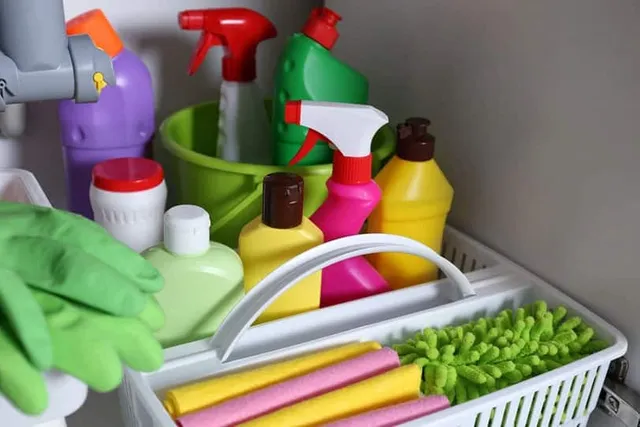
This can include any type of cleaning product such as bleach or cleaning wipes. Your cat may physically ingest the toxin, or at other times they may run through a room where the floor was just cleaned, or jump onto the counter and knock off cleaner, getting the product on their fur.

What to do:

If your cat ran through a cleaning product or got anything on their fur, the first thing you should do is bathe them with an unscented and undyed dish soap. If your cat will allow it, wash the affected area at least three times, thoroughly drying the area in between. After you have bathed your cat (if needed), then you should contact either your veterinarian or the ASPCA Poison Control to determine if your cat needs to be seen or not.


6. Veterinary Products

Many veterinary products are flavored nowadays to make them more palatable for your pet to eat. This is especially dangerous if you have a curious cat who likes to eat anything. NSAIDs and antibiotics for your dog can be extremely toxic to your cat, especially at high doses. Other pain medications may not necessarily be toxic, but due to a high dose, they may cause significant sedation in your cat.

What to do:

Call your veterinarian or a local emergency veterinarian. Some products may be safe for your cat, and they just may suffer from some sedation or an upset stomach. However, other products may be extremely toxic such as certain canine NSAIDs or high doses of antibiotics. Let the veterinary office know what your cat ate, how much, and how much your cat weighs. This will help them determine if your cat needs to be seen or not.


7. Rodenticides

commercial rat and mouse rodenticides in a bucket
Image Credit: Jay Ondreicka, Shutterstock

Unfortunately, rodenticides are formulated to be extremely tasty and attractive to rodents. Other animals may also find them tasty and attractive. Also, your cat may have ingested a rodent that has ingested rodenticide. These products are highly fatal, as that is what they are formulated to do.

What to do:

Contact your local emergency veterinarian or the ASPCA Poison Control and have the name of the product and approximately how much your cat ate. Your cat will most likely need to be seen by a veterinarian for treatment. Some rodenticides will cause bleeding, others cause kidney failure, and others cause seizures.


8. Insecticides

This can include products used in the house, your yard, or even some products that are marketed for pets. Dog flea/tick medications are toxic to and can even be fatal if put on your cat. There are also many over-the-counter flea preventatives marketed for cats that can cause tremors, seizures, and skin irritation.

What to do:

If the product has been put on your cat and/or your cat got it on their fur, as above, bathe them at least three times. This will help remove the toxin from their fur and reduce absorption into their system. After you have done this, we recommend calling your veterinarian or the number on the product box. Your cat may or may not need further care depending on the product.


9. Recreational Drugs

marijuana joints next to a jar
Image Credit: Mitch M, Shutterstock

With the legalization of marijuana in many states, there has been an uptick in both cats and dogs ingesting these products and suffering toxicoses. However, other drugs which are left out can cause far more severe side effects and oftentimes be fatal.

What to do:

Contact your veterinarian or your local emergency veterinarian. If your cat ingested a small amount of marijuana, they will likely be fine (just a little sedated). However, other drugs may be severely toxic or even fatal for your cat. Depending on what was ingested, your veterinarian may recommend you seek treatment at the emergency room as they would have more appropriate treatment protocols.

divider 3 paws

Conclusion

Cats, especially kittens, can be very curious and try to get into everything. This may lead to an increased risk of toxicosis. Some toxins are obvious, such as ingesting recreational drugs. Other times you may not even realize that your cat rubbed against the lilies sitting on your table or licked a small amount of wound ointment.

With any type of exposure, contact, or ingestion, the first step is always to remove your cat from the situation and try to determine how much exposure your cat had. You should then always contact your veterinarian, a local emergency veterinarian, or the ASPCA Poison Control Center to determine if your cat needs veterinary care or not.

See Also: 


Featured Image Credit: Prystai, Shutterstock

Want content like this delivered to you?

Sign Up For Our Newsletter

News, insights, expert advice, and everything cat

* By submitting, you agree to our Terms & Conditions and Privacy & Cookies Policy.

How useful was this post?

Click on a star to rate (you can leave written feedback after clicking submit)

Help us improve Catster for pet parents!

Your feedback really matters.

What did you like about this post? Also how can we improve it?

Join the conversation

Leave a Reply

You’re very welcome to leave a comment or question. Please know that all comments must meet our community guidelines, and your email address will NOT be published. Let’s have a positive and constructive conversation.

Talk With A Vet Online

Peace of mind,
anywhere, anytime

Affordable vet advice

Do Cats Like the Sound of White Noise? Vet-Reviewed Facts & FAQ

Cats are known for their finely tuned senses, including their excellent hearing. This helps them evade predators in addition to hunting prey effectively....

Are Goldfish Plants Poisonous to Cats? Vet-Reviewed Houseplants Examined

Hardy and colorful goldfish plants can make stunning additions to your home. The brightness of the flowers and the movement of leaves can...

Cat Zodiac Signs: Do They Explain Your Cat’s Personality?

Ever heard of cat astrology? Believe it or not, your cat’s personality traits might be influenced by the cosmos! Understanding your cat’s zodiac...

Why Does My Cat’s Poop Smell So Bad? 8 Vet-Verified Reasons & Solutions

As much as we all love our cats, cleaning out their litter trays is unlikely to top any cat lover’s list of favorite...

More related

6 Pet-Friendly Hotels Near New Orleans (2025 Guide)

Also called the Big Easy or Nola, New Orleans is a quintessential southern melting pot of vibrant nightlife, jazz music, Cajun food, rich...

How Do Cats Hunt Mice at Night? Vet-Approved Cat Behavior Guide

We all know the relationship between cats and mice. If a mouse is in your house, whether your cat is the world’s laziest...

Colorpoint Shorthair Cat Breed Info, Pictures, Temperament & Traits

The Colorpoint Shorthair is a Siamese cat of a different, non-traditional color. The breed was developed in an attempt to create a Siamese...

Ask Dr. Paola – Fleas, Loyalty & Excessive Licking (June 16, 2025)

Welcome to our “Ask Dr. Paola” series, where every Monday we bring expert advice straight from Dr. Paola Cuevas (MVZ) to help our...

Keep reading

Can Cats Eat Beets? Vet-Verified Facts & FAQ

If you’ve been trying to find ways to add variety and interest to your cat’s diet, maybe you’ve considered adding vegetables to their diet. Beets are a popular vegetable that many of us keep in our pantries. But can cats...

Can Cats Eat Beets

TEEF for Life Protektin30™ Review 2025: Our Hands-On Experience

It’s a fact: Cats do not like having their teeth brushed. But it’s also true that poor dental health can dramatically shorten your cat’s lifespan. So what’s a kitty owner to do? TEEF for Life says they have the solution....

TEEF for Life Review 2024 - featured image

Do Cats Attack Chickens? Can They Coexist? Vet-Reviewed Precautions

If you have a cat but are considering adding chickens to your household, you’re likely pondering the wisdom of that move. After all, cats are predators, this is a hard-wired instinct and many will attack the chickens even if they...

cat looking at a chicken

How Long Does a Scottish Fold Live? Average Lifespan Data & Vet-Reviewed Facts

Scottish Folds are renowned for their adorably unique appearance resulting from their flat-folded ears, big eyes, and friendly round faces. They are affectionate, easy-going cats that form a loving bond with their owners. However, this breed is not without its...

scottish fold kitten on mirror and wooden texture

Why Is My Cat Peeing on the Carpet & How to Stop It: 7 Vet-Approved Reasons

If your typically pristine and proper cat is suddenly ignoring their litter box and peeing all over your carpet, it can become a frustrating (and smelly) problem for cat parents. The strong odor and constant carpet cleaning can definitely take...

cat with pee stain on carpet

Best Waters for Cats: 6 Vet-Reviewed Types & FAQ

Although cats aren’t known to lap up a bowl of water like dogs, they need to remain hydrated, and it is also crucial for their water to be clean and fresh. There are a few sources of water and different...

cat drinks water

How to Become a Cat Breeder: Vet-Reviewed Ethics & Standards Explained

Excited Cats advocates for adopting before shopping, though we fully understand there are many reasons for seeking a breeder. So, we encourage it to be done the right way. We have not personally visited or investigated all of the breeders...

toyger kittens

Can Cats Eat Nutella? Vet-Reviewed Health Risks & Safe Alternatives

The world loves Nutella, whether it’s served on bread or eaten right out of the jar. It’s soft, creamy, tasty, and wonderfully portioned with 30% chocolate and 70% hazelnut. It’s so popular that there is even a World Nutella Day,...

Can Cats Eat Nutella