Pet Poison Prevention Awareness Month: When & What Is It?


In this article
Pet Poison Prevention Month takes place in March each year. It's a time dedicated to raising awareness about the items in and around our homes that are toxic to pets—knowledge that could save your cat's life. Vets and rescue organizations often organize events or ramp up their distribution of informational material during this time to spread the word.
Though knowing which items are toxic to our pets seems like common sense, there are plenty of foods, medications, and household items out there that you might not expect to be poisonous. In this guide, we'll explain some common toxic items and how to spot signs of poisoning.

Common Toxicants
ASPCA Animal Poison Control helps around 400,000 poisoned pets per year1, and has helped a total of over 4 million animals. We'll kick off this list with the most commonly ingested toxicants based on data from the ASPCA.

1. Over-the-counter Medications
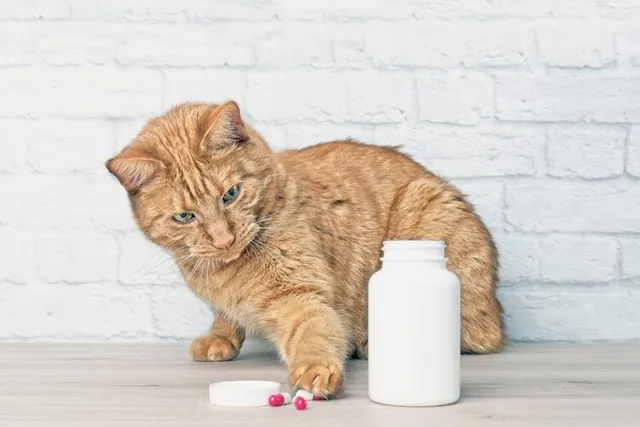
Over-the-counter medications like acetaminophen (Tylenol), ibuprofen (advil), and naproxen (Aleve) are the number one cause of pet poisoning each year. This includes supplements, vitamins, and herbal products. Some ointments can also be toxic.
2. Human Prescription Medication
In addition to over-the-counter medications, medications prescribed by your doctor that have accidentally been ingested could cause serious problems for your cat. It's a good idea to make sure all medications, whether OTC or prescription, are locked away and that you take care not to mix up your own medication for any your cat has been prescribed.

3. Food
A great number of human foods are toxic to cats, and some can be fatal even in small amounts. These include (but are not limited to):
- Chocolate
- Onions
- Garlic
- Chives
- Grapes and raisins
- Alcohol
- Caffeine
- Raw dough
4. Plants & Flowers
A huge number of plants and flowers are toxic to cats, including aloe, true lilies, and horse chestnuts. You can check out the ASPCA's list of toxic and non-toxic plants for cats2, dogs, and horses for more information.
5. Household Products
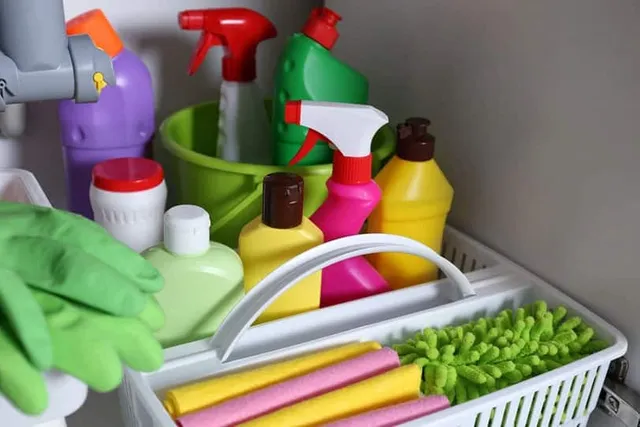
This group includes cleaning products, beauty and personal care products, antifreeze, and decorating and repair products. Though these are typically stored away, if they get spilled, a cat could walk in them and then lick the product off their paws or fur. Chemical burns could also occur if a cat comes into contact with certain products.

6. Insecticides and Rodenticides
The chemicals inside insecticides and rodenticides can be incredibly dangerous to cats if ingested. Kidney failure, seizures, and bleeding are potential consequences, and without prompt treatment, ingestion can be fatal. Outdoor cats are most at risk of coming into contact with these products.
7. Pet Medications
With any medication, even those prescribed to your pet, overdose is possible if too much is given. This is considered a toxicity. The problem is that some flavored medications taste good, and some cats won't hesitate to knock over the container to get more. Follow the dosage instructions, then lock these products away. Another problem for cats is permethrin, commonly used in canine flea products. Cats can accidentally come into contact with it and be poisoned.

8. Recreational Drugs
Recreational drugs like marijuana have been pinpointed as a potential risk by the ASPCA because they can cause a variety of symptoms including incoordination, lethargy, hyperaesthesia (excessive sensitivity), and blood pressure and heart rate changes.
Signs of Poisoning
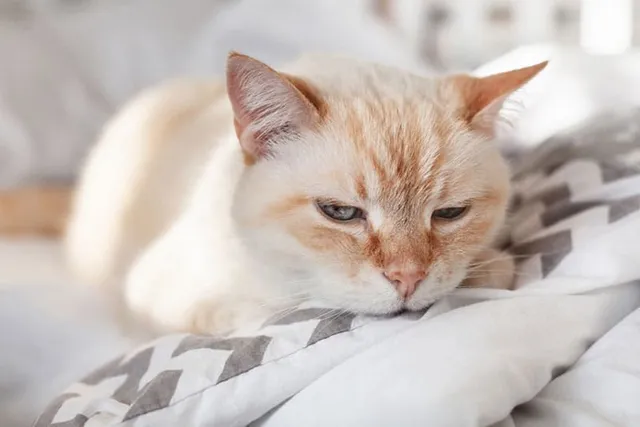
Poisoning can manifest in a wide variety of ways. If you suspect poisoning, don't try to induce vomiting or treat the problem yourself—contact a vet right away. Signs to look out for include:
- Diarrhea
- Vomiting
- Drooling
- Seizures
- Twitching
- Coma
- Rapid or labored breathing
- Weakness
- Shock
- Collapse
- Coughing
- Wobbliness
- Depression/lethargy
- Fever
- Appetite loss
- Inflammation
- Excessive drinking
- Excessive urination
- Irregular heartbeat
- Jaundice
Safety Tips
In addition to keeping potentially hazardous products locked safely away, there are some other things to keep in mind that can reduce the risk of poisoning. Here are some extra safety tips:
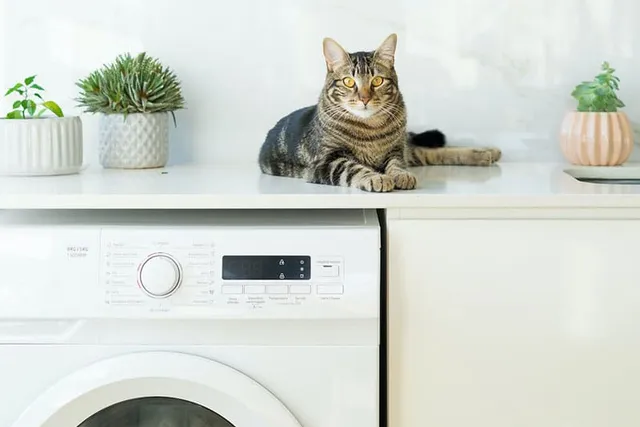
- Avoid forgetting toxic products like medications on countertops.
- Avoid leaving toxic products in handbags—some cats love getting in these.
- If you have friends or family members who like to buy flowers or plants for you, direct them to the ASPCA's list of toxic plants so they can avoid gifting them.
- Get sealable garbage cans—some cats like to rummage in the trash, where there could be something potentially toxic.
Pet Poison Prevention Month: How Can I Help?
Even though Pet Poison Prevention Month is in March, any time of the year is a good time to raise awareness. One of the best ways to spread the word is by sharing literature and social media posts about common toxins, but you could also reach out to vet clinics or rescue organizations to ask if you can volunteer at pet poison prevention events.

Final Thoughts
When it comes to our pets, accidents happen, and they can happen quickly and unexpectedly. A little extra vigilance when it comes to items that could potentially make your cat sick or worse goes a long way toward keeping your cat healthy and safe. If your cat ingests something toxic, prompt veterinary attention increases their chances of a full recovery. See Also:
Sources
https://www.aaha.org/publications/newstat/articles/2019-03/march-is-pet-poison-prevention-month/
https://www.dunnellonanimalhospital.com/site/blog/2021/10/30/cat-poisoned
https://www.rspca.org.uk/adviceandwelfare/pets/cats/health/poisoning
https://www.petpoisonhelpline.com/pet-safety-tips/national-poison-prevention-week-march-20-26/
Featured Image Credit: Vladimir Gudvin, Shutterstock
Expert cat care, straight to your inbox
News, insights, and useful advice, delivered to you.

No spam — unsubscribe anytime.
By signing up, you agree to our Terms & Conditions and Privacy & Cookies Policy.
How useful was this post?
Click a star to rate. You can leave written feedback afterwards. (We read all feedback.)
Kit Copson is a freelance writer and lifelong animal lover with a strong interest in animal welfare. She has parented various furry beings over the years and is currently a proud cat mom of two—one very chilled (unless hungry) Siamese and a skittish but adorable Domestic Shorthair—and dog mom of one—an adopted Bichon Poodle cross. When not writing about or spending time with animals, Kit can be found doodling in her sketchpad, reading, or more often than not, drinking tea.