9 Best Supplements for Cats With Kidney Disease in 2026 - Reviews & Top Picks

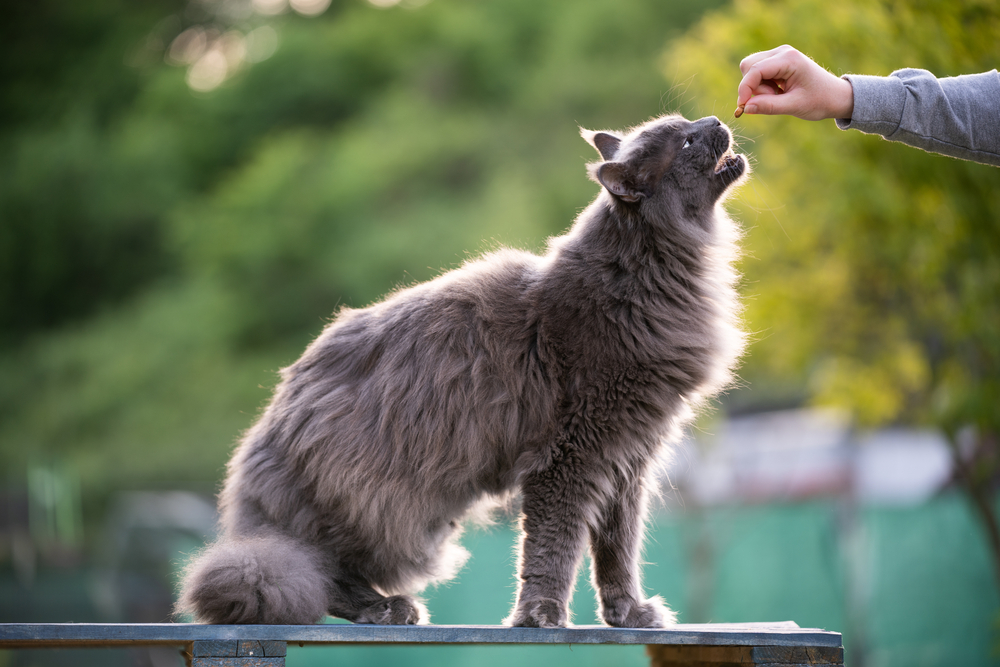
Your cat was just diagnosed with kidney disease, and you want to do everything you can to help support their kidney function. Your veterinarian suggests a diet designed to support the kidneys, but are there any supplements you can give your cat to help promote kidney health? Let's look at some of the best supplements you can give your cat to support their urinary tract.
In this article

A Quick Comparison of Our Favorites in 2026
| Rating | Image | Product | Details | |
|---|---|---|---|---|
Best Overall
 |
|
Purina Hydra Care |
|
Check Price |
Best Value
 |
|
Purina Urinary Health Crunchy Cat Treat |
|
Check Price |
Premium Choice
 |
|
Dechra Porus One Kidney Powder |
|
Check Price |
|
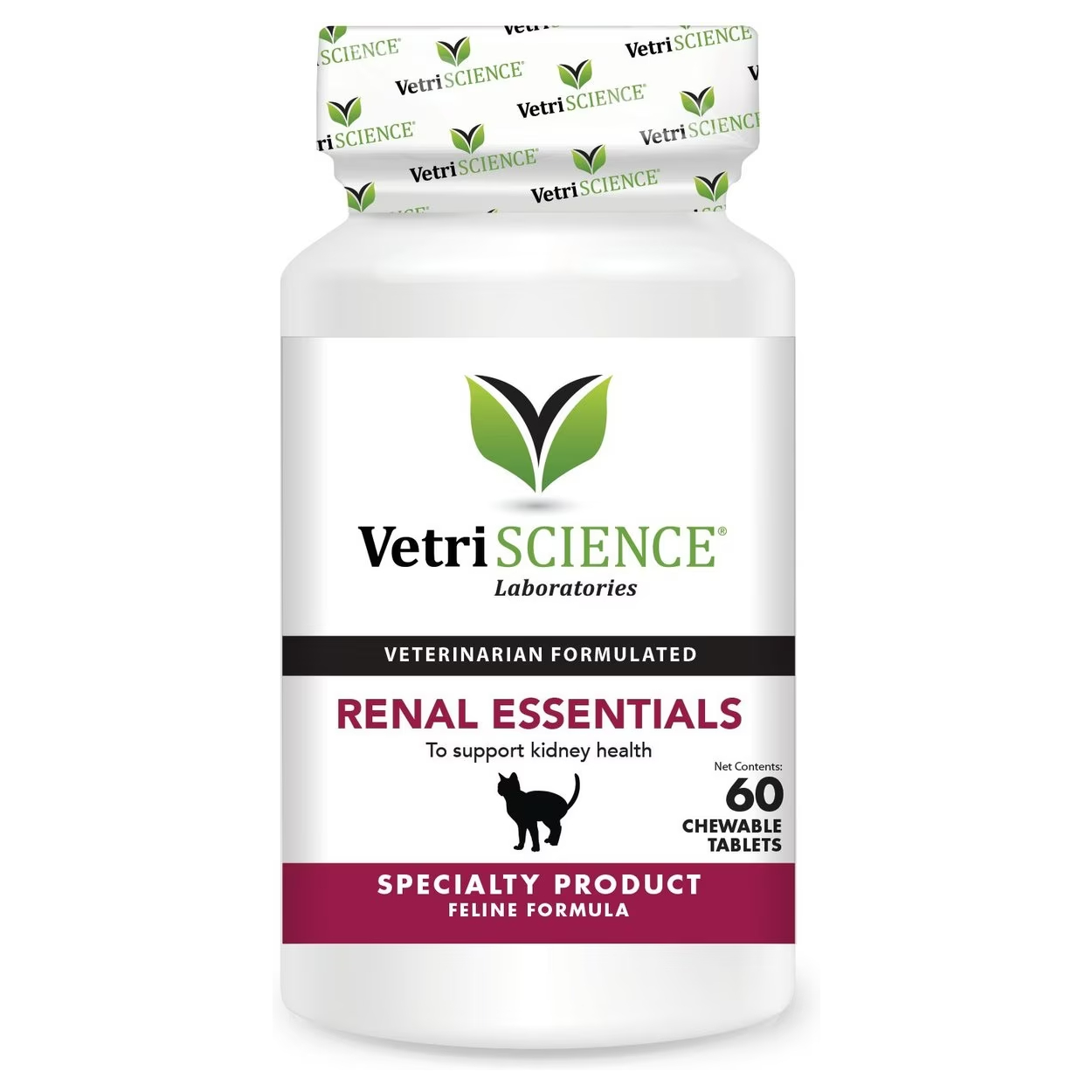
VetriScience Renal Essentials |
|
Check Price | |
|
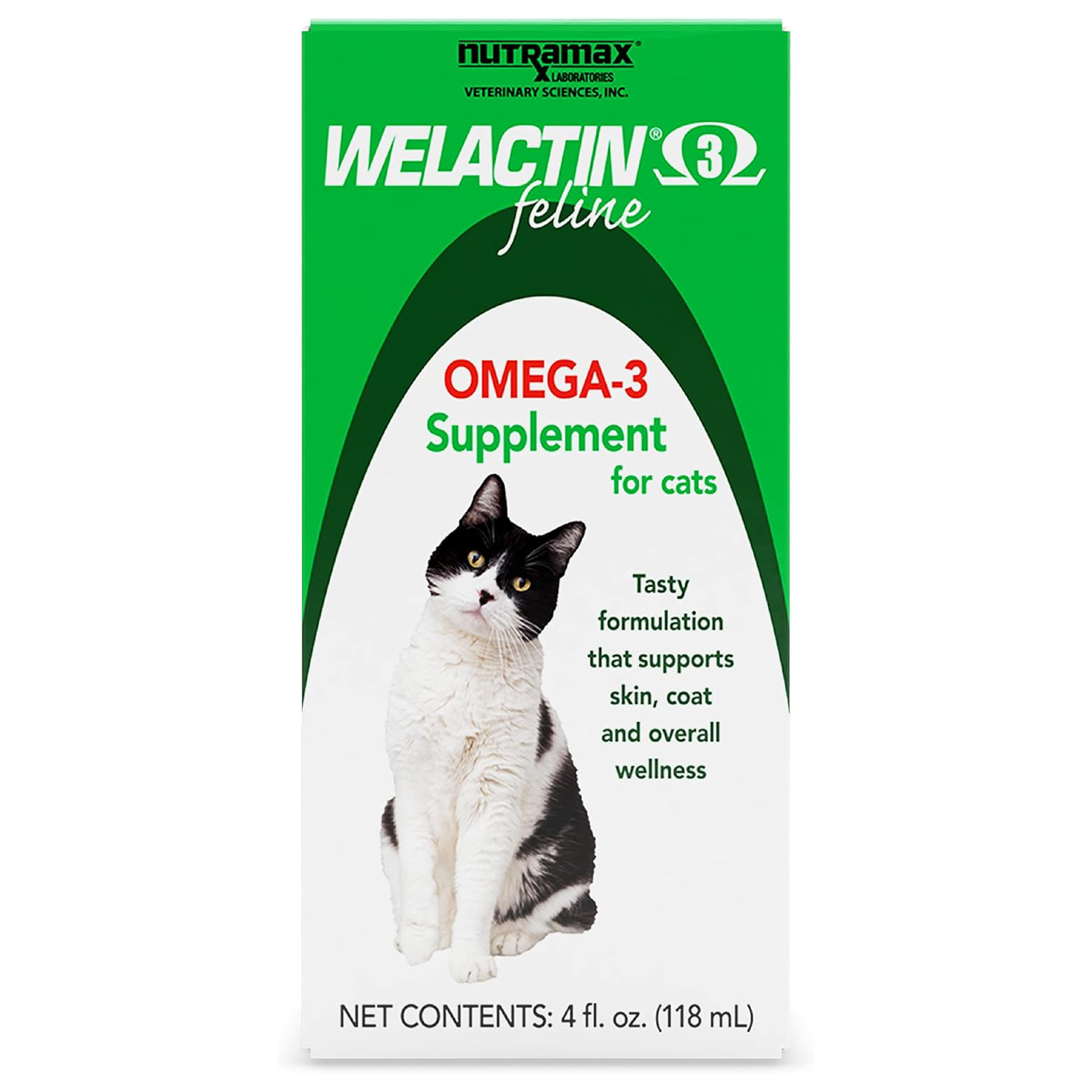
Nutramax Welactin Omega-3 Fish Oil Liquid Skin & Coat Supplement |
|
Check Price |
The 9 Best Supplements for Cats With Kidney Disease
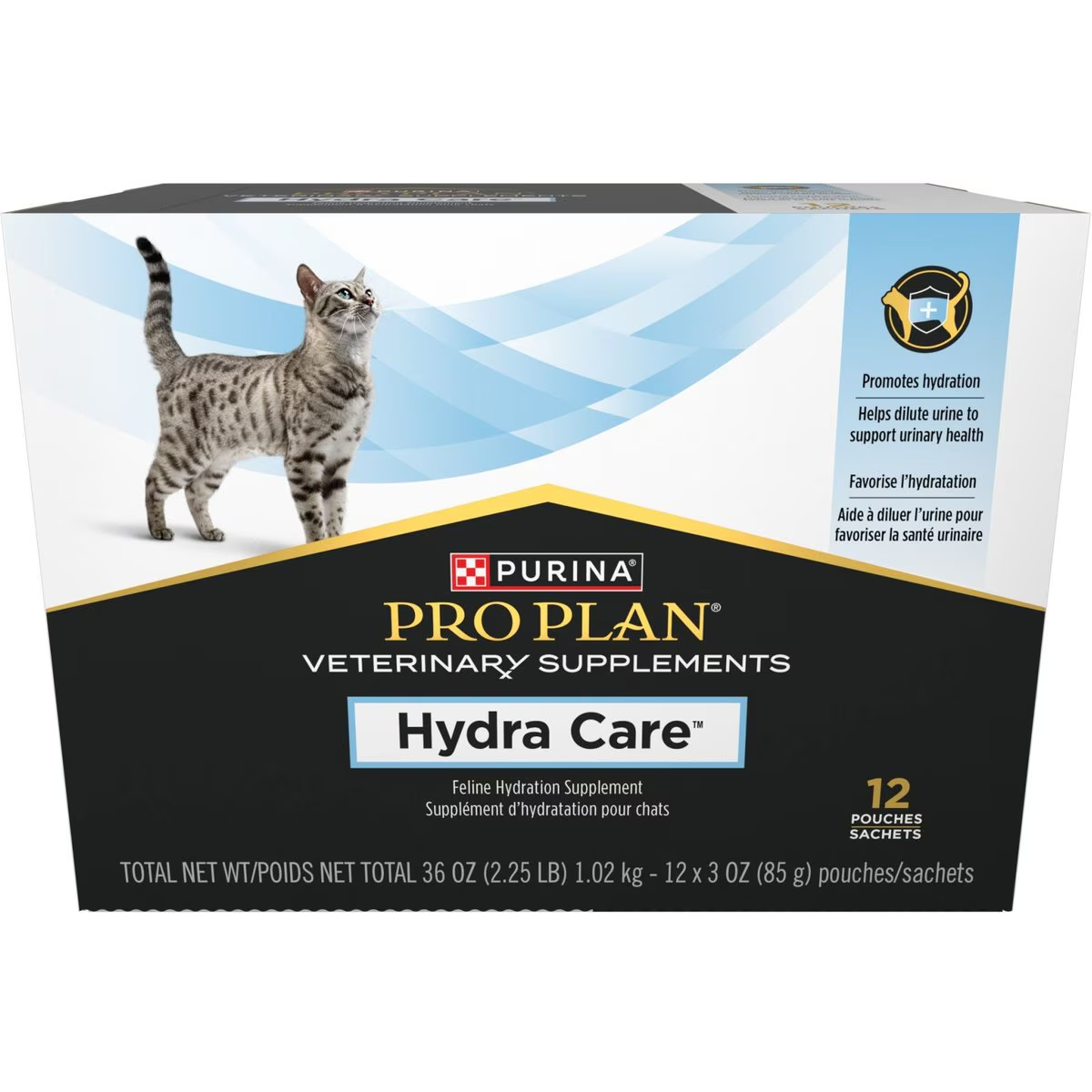
1. Purina Hydra Care – Best Overall Kidney Supplement
| Supplement Form: | Liquid |
| Size: | 3-oz pouch |
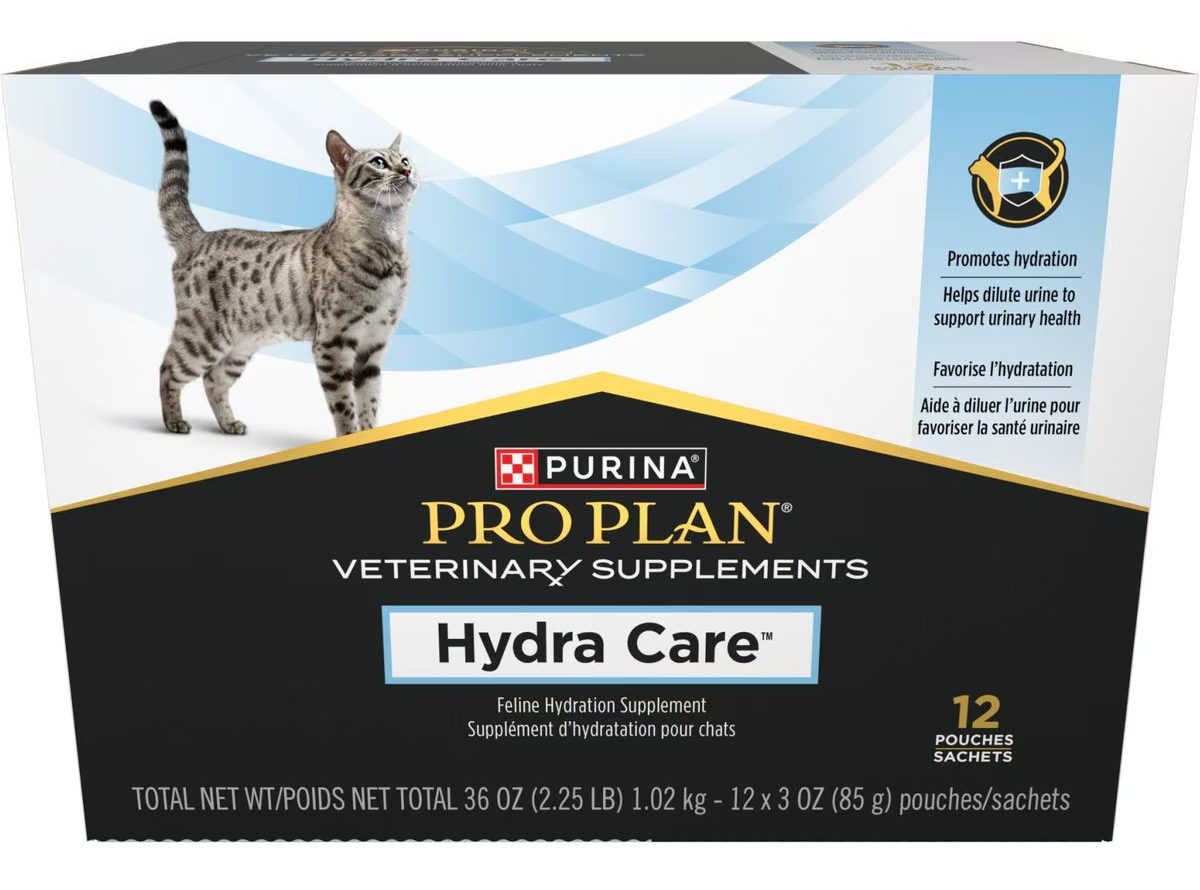
Getting enough fluids is essential for cats with kidney disease. To improve your cat's hydration, Purina created Purina Pro Plan Veterinary Supplements Hydra Care. The product comes in pouches, and your cat needs to consume at least 2 ounces per 5 pounds of body weight daily. The components called osmolytes help cats absorb fluid on a cellular level.
When administering this supplement, monitor your cat as a few people reported their cat experienced mild stomach upset, leading to vomiting and diarrhea.
Pros
- Increases your cat's daily fluid intake
- Easy to administer; just shake up the pouch and pour it into a bowl
Cons
- Some cats don't like the liver flavor
- Some people report gastrointestinal upset like vomiting and diarrhea
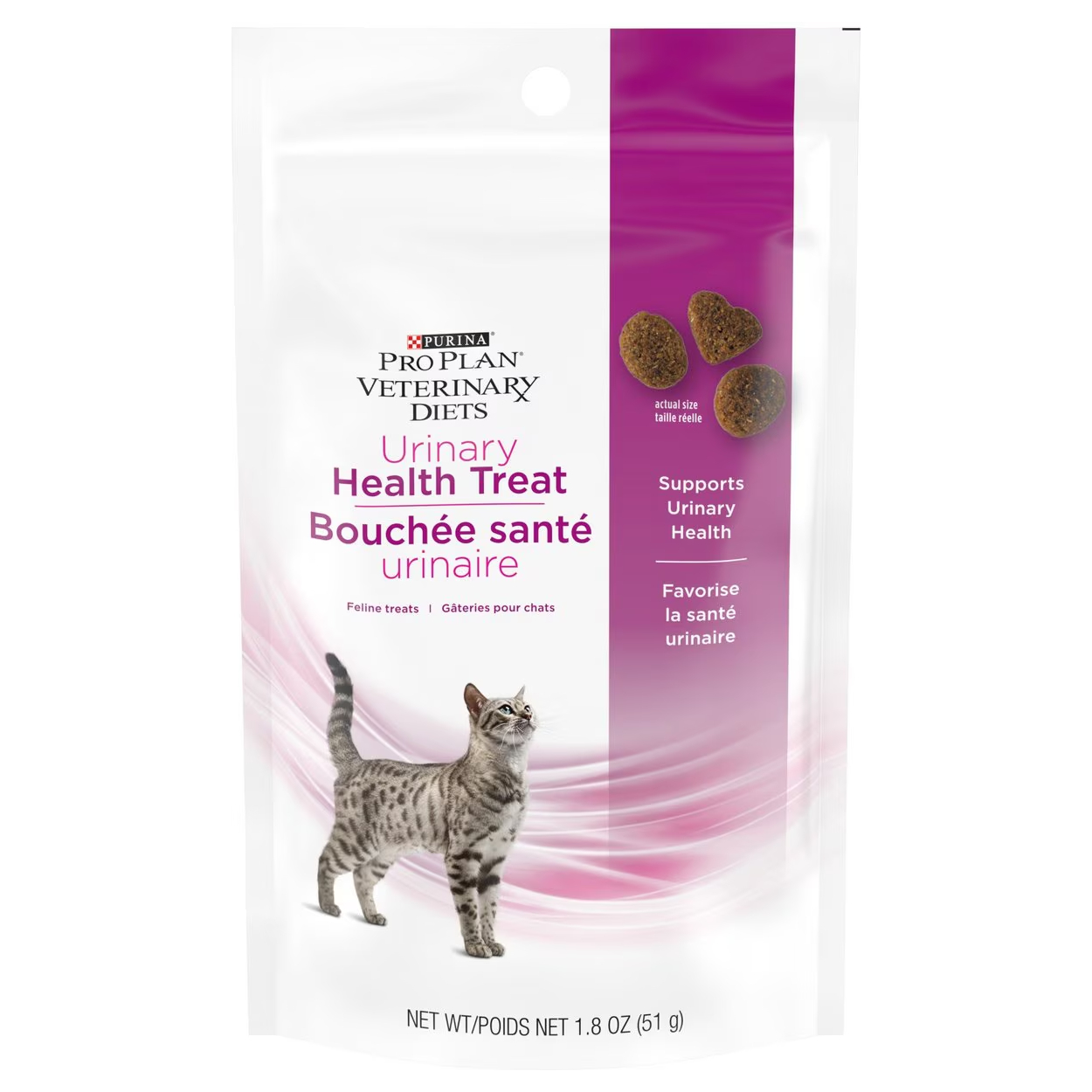
2. Purina Urinary Health Crunchy Cat Treat – Best Value
| Supplement Form: | Crunchy treat |
| Size: | 1.8-oz bag |
Purnia snags another spot on the list! Giving our pets a snack is a bonding experience for many of us. You should be careful not to provide too many calories, but the Purina Urinary Health Crunchy Cat Treat is designed to promote urinary health in our kitties. It is actually used with cats that may be at risk for developing bladder or kidney stones (struvite or calcium oxalate), but it also contains antioxidants.
Pros
- Gives cats on prescription urinary food a treatment option
- Easy to administer
- Contains antioxidants
Cons
- Some cats don't like the flavor
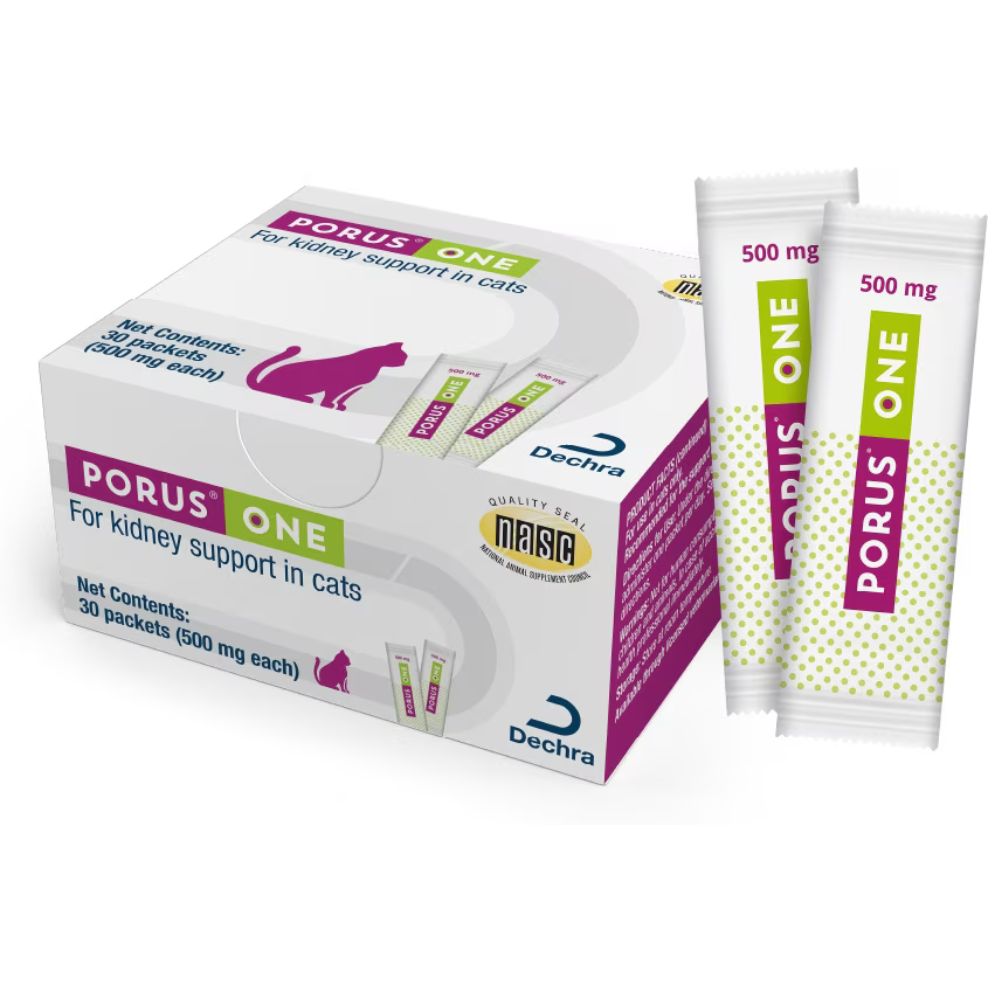
3. Dechra Porus One Kidney Powder Review – Premium Choice
| Supplement Form: | Powder sachets |
| Size: | 30-count box (500 mg sachets) |
The Dechra Porus One Kidney Powder is our premium choice for the best supplements for cats with kidney disease. This option is a renal support supplement designed for cats with chronic kidney disease (CKD). The formula uses a carbon-based adsorbent called Renaltec, which helps bind and remove harmful uremic toxins in the digestive tract before they reach the kidneys. This may help reduce kidney workload and support long-term renal health when used alongside a veterinarian-approved treatment plan.
One of the biggest benefits of Porus One is its simple administration. The tasteless powder comes in pre-measured sachets that can be mixed directly into wet food without significantly changing flavor or texture, making it easier for picky cats to tolerate. Many owners also appreciate that it can be combined with prescription kidney diets and other supplements rather than replacing them entirely.
While Porus One may help support cats with kidney disease, it is not a cure and works best as part of ongoing veterinary care.
Pros
- Helps remove harmful uremic toxins
- Tasteless powder mixes easily into food
- Simple once-daily use
- Can be used alongside prescription kidney diets
- Generally well tolerated by cats
Cons
- More expensive than some kidney supplements
4. VetriScience Renal Essentials
| Supplement Form: | Chewable tablets |
| Size: | 60 tablets |
Another top choice on our list is VetriScience Renal Essentials. If you are looking for a chewable supplement that maintains kidney function by supporting homocysteine balance, normal fluid retention, stress management, homocysteine balance, and liver functions, this is your answer. This supplement encompasses everything you'd need in a kidney health supplement, such as B vitamins and fish oils, at an affordable price. In addition, its ingredients help establish healthy kidney blood flow.
One issue some people had was with the size of the tablet. Some felt it was too large for their cat, so they had to dissolve the tablets in water and administer them with a syringe.
Pros
- Includes adaptogens like Cordyceps sinensis and omega-3 fatty acids
- Comes in chicken and fish flavors.
- Affordable price
Cons
- Tablets are pretty large; difficult to administer
- Not hypoallergenic
5. Nutramax Welactin Omega-3 Fish Oil Liquid Skin & Coat Supplement for Cats
| Supplement Form: | Liquid |
| Size: | 4-oz bottle |
Fish oils have a wide range of benefits that you might already be familiar with, such as improving your cat's coat and skin. Did you know they can also lower blood pressure and decrease protein loss through the kidneys? Welactin is a quality fish oil supplement containing two major omega-3 fatty acids, EPA and DHA.
Since it is in liquid form, some cats might not like the taste.
Pros
- Quality of the fish oils in Welactin is less likely to give your cat a fishy smell
- Potentially useful for a range of health issues, including arthritis and kidney disease
Cons
- Some customers have issues with package leaking
- Not all cats enjoy the taste
6. Vetoquinol Azodyl Kidney Health Supplement
| Supplement Form: | Capsule |
| Size: | 90 capsules |
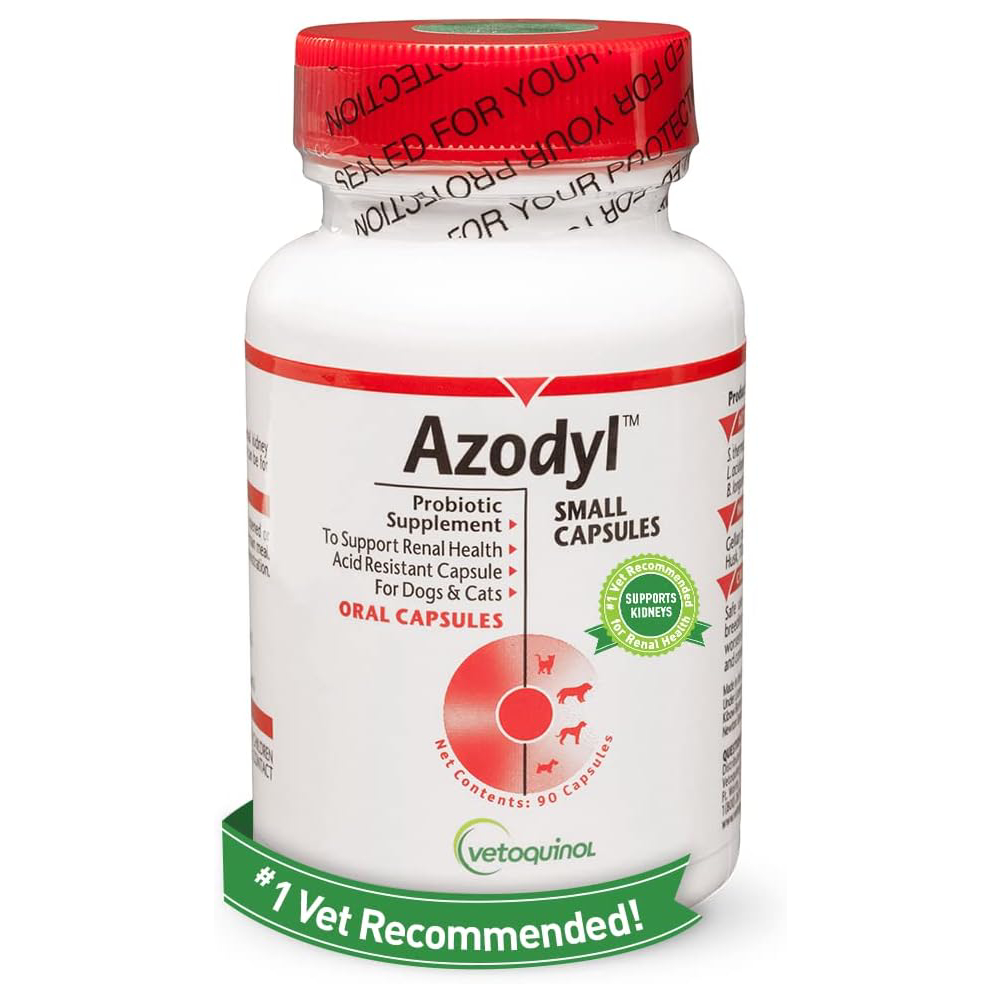
Vetoquinol Azodyl Kidney Health Supplement contains beneficial bacteria that help eliminate wastes that build up because the kidneys aren't working effectively. The supplement tends to be well-tolerated in both dogs and cats. Another positive for this formula is that it contains three beneficial bacterium: S. thermophilus, L. acidophilus, and B. longum.
Pros
- Studies have shown positive benefits in some animal models1
- Formula contains three beneficial bacterium
Cons
- Limited in studies in dogs and cats
- Large capsules that should not be opened for maximum effectiveness can be challenging to administer
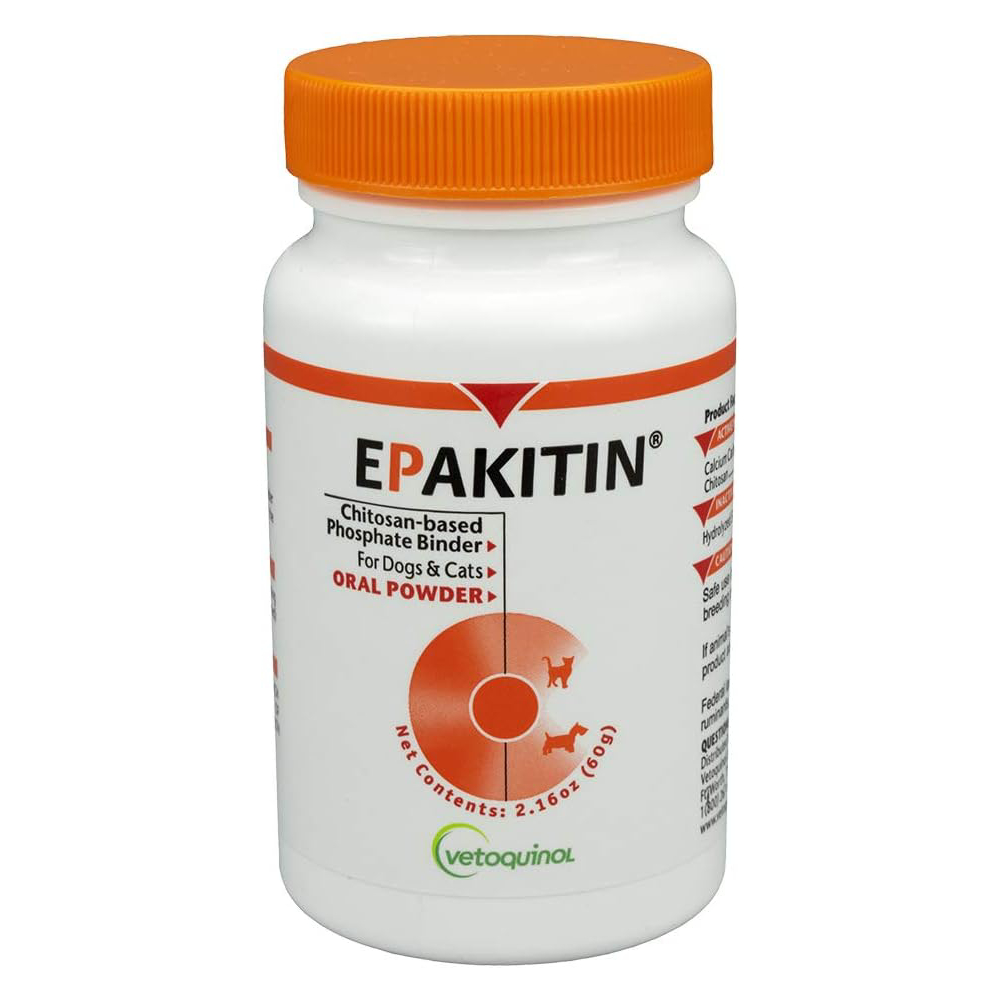
7. Epakitin Chitosan-Based Phosphate Binder
| Supplement Form: | Oral powder |
| Size: | 60 grams, 180 grams, 300 grams |
When cats have kidney disease, their phosphorus levels can increase. High phosphorus levels are associated with decreased longevity, so getting those levels under control is essential. Using a phosphate binder like Epakitin helps bind phosphorus as your cat eats it and keeps it in the gastrointestinal tract, where it can be excreted.
Supplements of any kind can be a bit tricky, so some cats might not like the taste of the powder.
Pros
- Easy to dose powder
- Well-tolerated by most cats and safe for all life stages
Cons
- Some cats don't like the flavor
- Customers have noted issues with the packaging
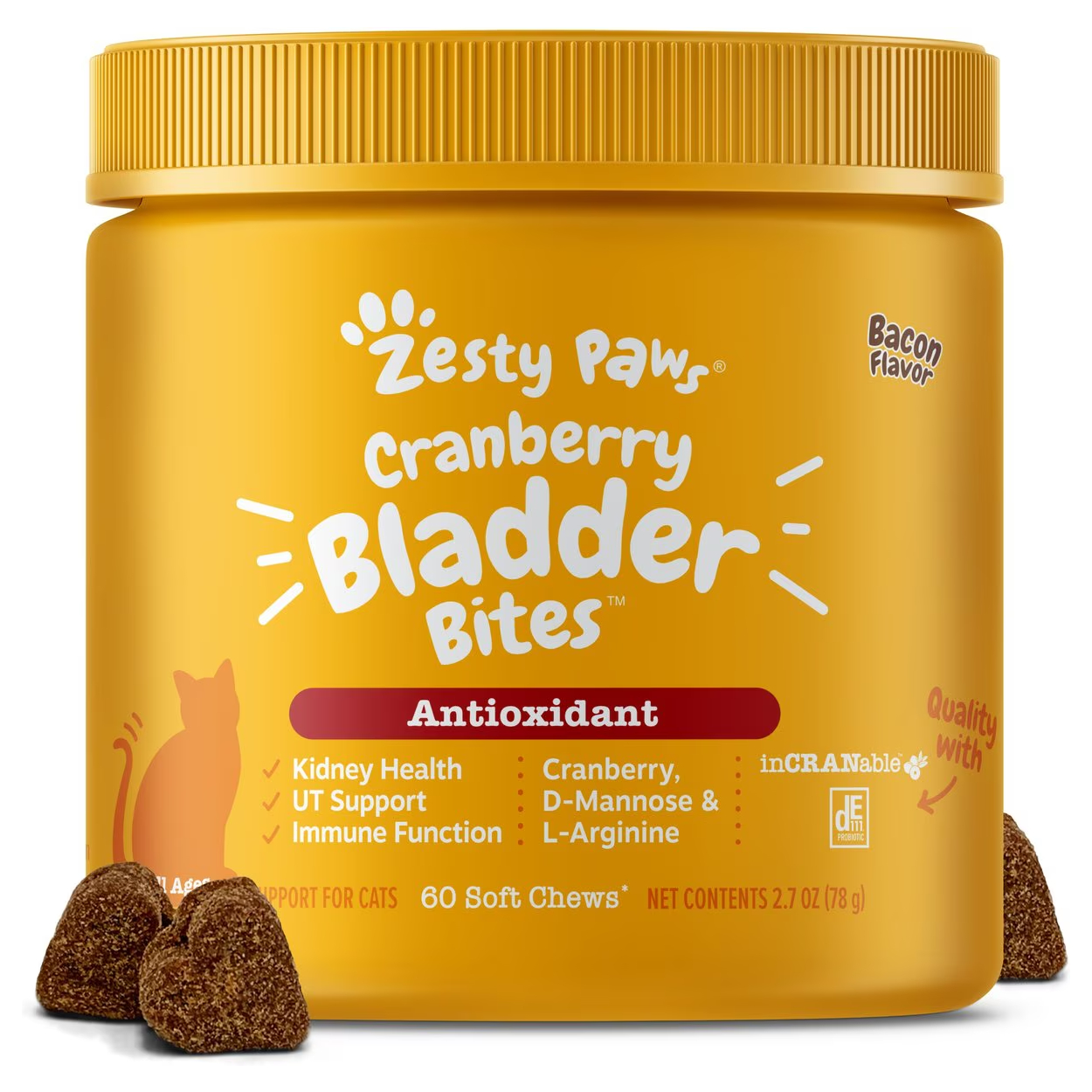
8. Zesty Paws Cranberry Bladder Bites
| Supplement Form: | Soft chews |
| Size: | 60 chews |
Urinary tract infections are more common in cats with renal disease than cats with a healthy pair of kidneys because the urine is more dilute in cats with kidney disease. Cranberry supplements like Zesty Paws Cranberry Bladder Bites may have some bladder-protective properties. This formula contains D-mannose, which helps maintain healthy urinary tract function. Additionally, the Zesty Paws chews contain vitamin B6 (80 mcg per two chews), helping with immune system support.
Pros
- Easy-to-dose chewable formula
- Contains antioxidants and healthy bacteria
Cons
- Some cats don't enjoy the bacon flavor
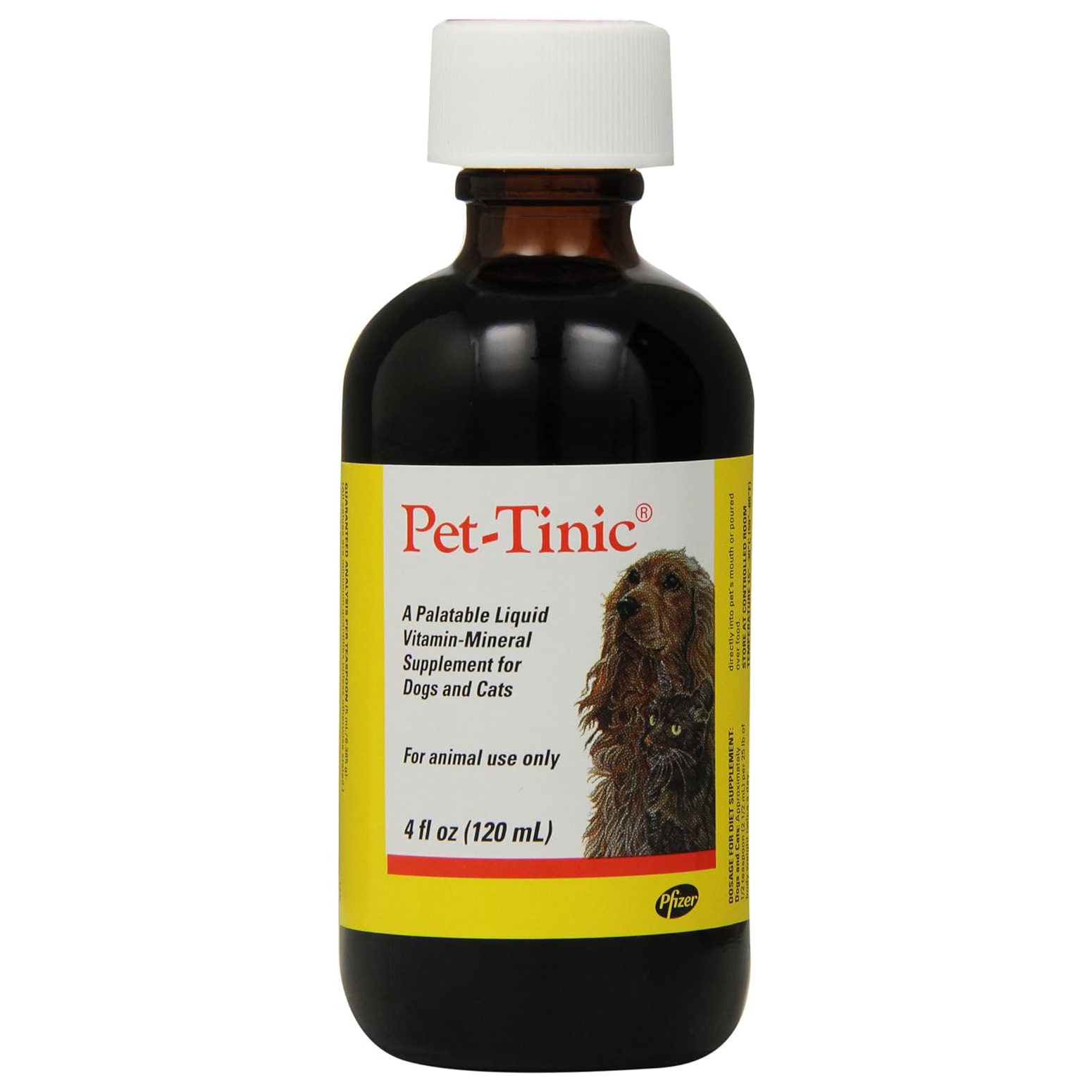
9. Pfizer Animal Pet-Tinic Vitamin-Mineral Supplement
| Supplement Form: | Liquid |
| Size: | 4-oz bottle |
Some cats with renal disease have a decreased appetite, so they may not get all the nutrients they need from their food. Pet-Tinic supplements iron and several vitamins, which can be necessary for red blood cell production and immune support.
Pros
- Liquid formula that can be added to food or administered directly to your cat
- Designed to be highly palatable
Cons
- Some customers have noted that they did not get a dropper included in the package for accurate dosing
- Contains sugar, so it may not be ideal for some pets, especially those with diabetes

Buyer’s Guide: Understanding Kidney Disease in Cats
Unfortunately, kidney failure is very common in cats. According to VCA Animal Hospitals, 81% of cats over 15 have kidney disease. A variety of factors can cause kidney disease:
- Genetics
- Neoplasia
- Infections
- Kidney stones (nephroliths)
Your veterinarian will diagnose kidney disease based on several tests. They'll typically start with blood work and a urinalysis. Possible changes in laboratory values associated with kidney disease include:
- Elevated BUN (blood urea nitrogen) and Creatinine
- Elevated SDMA
- Decreased urine specific gravity
- Increased protein in the urine
- Decreased red blood cell count
- Increased blood pressure
Dietary management is the mainstay of treating kidney disease. Several prescription diets aim to support the kidneys by restricting protein and phosphorus intake. Research into supplements is ongoing, with variable results. Make sure you discuss any supplements with a veterinarian to ensure they won't interfere with your cat's treatments.
Frequently Asked Questions (FAQ)
Are there supplements to help a cat with kidney disease gain weight?
Many cats with renal insufficiency lose weight. Rather than utilizing a supplement, your veterinarian might try a prescription appetite stimulant like mirtazapine or capromorelin.
Why do cats with kidney disease lose weight?
Cats with kidney disease lose protein through their kidneys, resulting in muscle mass loss. Many of these kitties also have a decreased appetite, consuming fewer calories.
Our Supplements for Cats With Kidney Disease Selection Process
Catster’s dedicated team of writers and editors collaborate with expert veterinarians, considering a wide range of factors when selecting the best supplements for cats. These parameters include customer reviews, brand reputation, veterinary experience, and in some cases, hands-on testing. Of course, our cats have a say in the process, too! We strive to select and review the highest-quality products available, to help you choose the best possible product and make the most informed decision for your and your cat’s needs.
Why Trust Catster?
Catster has been a trusted online brand since 2001, so we know a thing or two about cat supplements. We’re a team of cat-loving writers, editors, and veterinarians dedicated to helping you make the most informed decision for your feline. We deeply believe in providing the best information for cat owners to help their cats live their best life possible. We look at reviews from the most trusted sources available, and this, combined with our veterinary team’s experience and expertise, helps us gather the best options on the market. Our team is invested in the welfare and health of cats around the world, and believe that expert knowledge is one of the best ways to achieve this.

Conclusion
Cats with kidney disease may benefit from a kidney supplement. Purina's Hydra Care helps your cat stay hydrated, which is essential for a kitty in kidney failure. Purina Urinary Health Crunchy Cat Treat is an affordable and balanced supplement. Dechra Porus One Kidney Powder might be a bit pricey, but studies have confirmed it to be effective in many cases.
Always consult your veterinarian before giving your cat a supplement to ensure it won't interact with its other medications.
Also see:
Sources
https://vcahospitals.com/know-your-pet/kidney-failure-chronic-in-cats
https://www.proplanvetdirect.com/hydra-care-feline-supplement
https://www.vetriscience.com/renal-essentials-feline-extra-strength-kidney-supplement-for-cats.html
https://www.animalmedicalcenterofchicago.com/fish-oil-for-dogs-and-cats-six-benefits/
Featured Shutterstock: Nils Jacobi, Shutterstock

Expert cat care, straight to your inbox
Vet-reviewed advice, behavior tips, and the best of Catster. Free, and you can unsubscribe anytime.
By signing up, you agree to our Terms & Conditions and Privacy & Cookies Policy.
Dr. Samantha Devine DVM (Veterinarian)
Samantha Devine is a practicing veterinarian who loves to share her experience with animal species and their health. Whether it's a guinea pig question or a pressing matter about something your cat ingested, she strives to provide clear answers. She is passionate about preventative care and firmly believes in the old adage, "An ounce of prevention is worth a pound of cure."
Dr. Devine has been practicing veterinary medicine for over 12 years and has spent a great deal of that time writing online to educate pet owners. In addition to general practice small animal medicine, she has worked with horses. zoo animals and aquatic species. She enjoys all aspects of preventative medicine, from nutrition to vaccines.
Dr. Devine received her degree from the Virginia Maryland Regional College of Veterinary Medicine.
Join the conversation
Ask a question, share your story, or send private feedback.