The Original Space Invaders – Why Zero Respect for Personal Boundaries Is a Good Thing


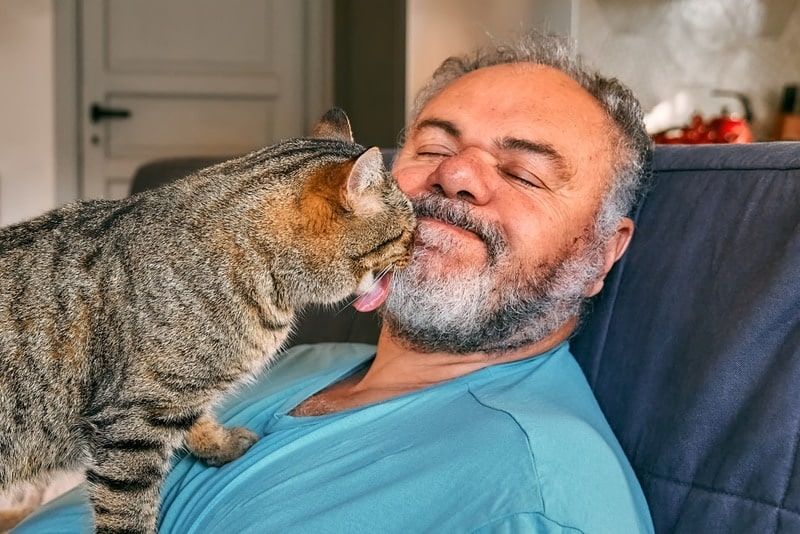
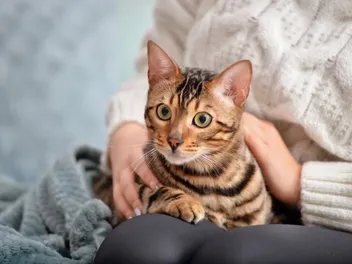
Cats have a reputation for being independent, and in many ways they are. But anyone who has tried to work at a laptop with a cat on the keyboard, or woken up with one sitting directly on their face, knows that they can also be needy, clingy, even downright intrusive! When a cat wants to be close, the concept of personal space simply does not apply.
This behavior is not random, and these cats aren’t trying to be difficult. There are real reasons behind their space-invading tendencies, and understanding them will make you look at your cat in a whole new light.
Safety Doesn’t Need Space
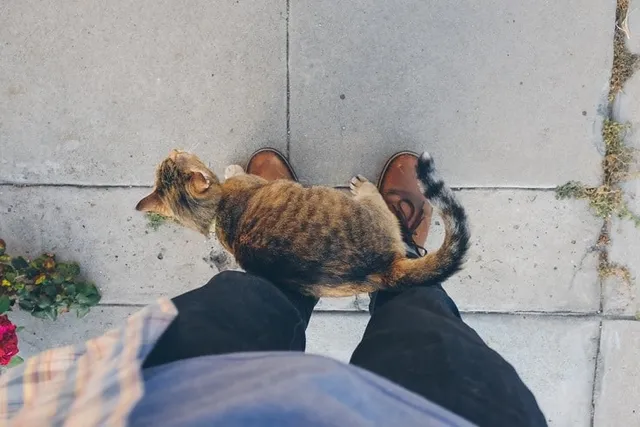
The most important thing to understand is that cats do not apply the same social boundaries to their dealings with humans as they do with other cats. Fellow felines tend to be viewed as either close companions or potential competitors for food, territory, and attention. Their two-legged friends are something different entirely. They are providers of warmth and security, and in many cases, are seen as an extension of the cat's own territory.
When a cat rubs against a person, sits on their belongings, or plants themselves squarely in their line of sight, they are operating from a position of trust rather than entitlement. The cat has identified this person as being safe, so there is no reason to keep their distance.

Affection and the Need for Attention
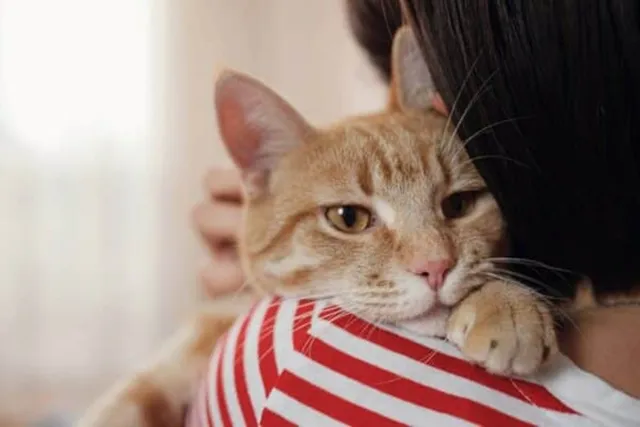
One of the primary drivers of space invasion is straightforward: cats want attention, and they have learned where to find it. When we respond positively to a cat who climbs into our lap, or look up from the screen when a cat walks across our keyboard, we inadvertently teach our cat that proximity gets them what they want.
This does not mean the behavior is manipulative, just a simple case of cats learning what actions give the results they desire. Cats form genuine social bonds with the people they live with, which is reflected in their desire to be near them. Behaviors that might seem demanding or inconvenient, like sitting on the book we are reading or positioning themselves between a person and their phone, are simply bids for connection. Cats don’t really understand the concept of reading, typing, or doom-scrolling, so they don’t understand that their affectionate actions may be a distraction.
Warmth and Comfort
Cats truly are heat-seeking creatures, and it’s only natural for them to be drawn to a place that offers both warmth and security. A blanket-covered lap, the rhythmic rise-and-fall of a friendly chest, or a body sitting still long enough to be a convenient resting place are all appealing to a cat seeking a comfortable place to settle.
Cats maintain a higher body temperature than humans and actively seek out heat sources to help regulate it. Softness and familiarity combined with the warmth of a human body is a far more appealing option than a cold and lonely couch cushion.

Sleep Safety
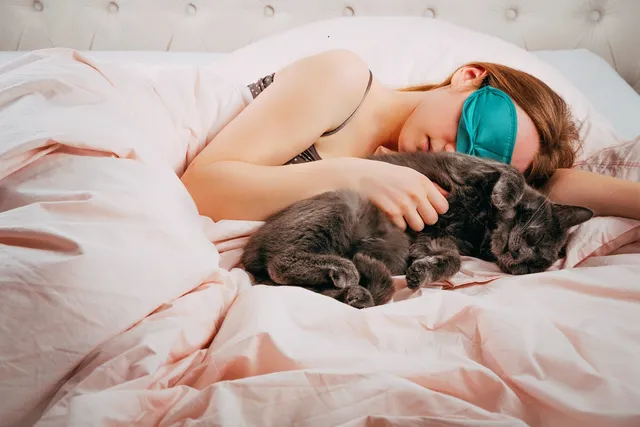
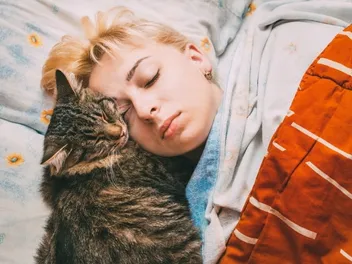
Sleep makes cats vulnerable. In the wild, a sleeping feline is exposed to potential threats, which is why our cats spend a lot of time finding places that feel safe and secure before falling asleep. For many cats, the safest place available is with the person they trust most.
Sleeping on or near an owner is not just about comfort. It tells us that they see us as a place of safety and security; somewhere they know they will be protected. Being chosen as that safe place is, in behavioral terms, a significant expression of trust.
When Closeness Becomes a Problem
Whilst being a cat’s safe place is every bit the compliment it sounds, there are times when this behavior crosses the line from affection to anxiety. Cats that cannot tolerate any separation, who show signs of distress when left alone, or who follow someone from space to space without settling, may be displaying signs of over-attachment or separation anxiety.
Signs that closeness has crossed into anxiety include inappropriate elimination, particularly on bedding or clothing, increased vocalization when separated, destructive behavior, and excessive grooming. These are worth taking seriously. Maintaining a consistent daily routine can help reduce stress, as does increasing enrichment through play and dedicated interaction that is not contingent on the cat initiating it. Providing your cat with a range of safe and cosy spaces in different locations and heights can also help them feel more secure in your absence.
If this anxiety is not resolving, a vet conversation is the right move. In addition to environmental adjustments, your vet can talk to you about options like pheromone diffusers, dietary changes, supplements, or medication, depending on the severity.

Striking a Balance Between Closeness and Personal Space
For most cats, the goal is not to eliminate closeness but to redirect it when needed. Setting up an appealing perch or cubby near a workspace, a cat tree that keeps them near eye level, or a heated bed gives the cat something that satisfies the same underlying need, whilst giving you the space you need to get things done. Consistently rewarding your cat for settling their bottom into that spot rather than on the keyboard or in the middle of your book will help them get the message.
Make sure you set aside a time and place where your cat can get their fix of human closeness. The last thing you want to do is deter them from seeing you as a source of safety and comfort, but it is important to set some boundaries to ensure you don’t become frustrated with a space-invading feline disrupting your work.
The key principle is that when you give your attention to a cat, you are reinforcing their behavior, so make sure to only do it when and where it works for you. It’s unfair to give your cat what they want one day, then get annoyed when they repeat this behavior in the future. Cats are highly intelligent and learn quickly, so we must be consistent about what we ask of them.
Remember that when a cat invades your personal space, they are giving you their affection and trust, and that is something worth protecting.
Image Credit: Caterina Trimarchi, Shutterstock
Did You Know?
- Our brand-new posts are rounded up and included in our weekly emails. Don't miss out on the latest - sign up for our newsletter below!
Expert cat care, straight to your inbox
News, insights, and useful advice, delivered to you.

No spam — unsubscribe anytime.
By signing up, you agree to our Terms & Conditions and Privacy & Cookies Policy.
How useful was this post?
Click a star to rate. You can leave written feedback afterwards. (We read all feedback.)
Dan has been working in the pet world for over 4 years covering cats, dogs, and all other pets in between. He loves helping pet parents keep their companions happy, healthy, and of course, totally spoiled! Originally from London, Dan now travels and works remotely, which unfortunately means no pets at home, but it gives him plenty of opportunities to fuss over other people's furry friends.