Thinking About Adopting A Cat? Here Are 4 Things To Ask Before Bringing Them Home

In this article
Pet ownership is booming, but when it comes to adoption, the biggest hurdle isn’t willingness; it’s receiving the right support and guidance to adopt with confidence.
Despite there being more than one billion pets worldwide, with cat ownership specifically on the rise, new research from Mars found that 58% of pet owners have not adopted a pet from a shelter or rescue organization. Worries about the unknown, from a pet’s health and behavioral history to understanding their nutritional and everyday needs, are just some of the factors that can hold people back from taking that next step.
For prospective cat owners, however, the right preparation and support can make all the difference, especially when nearly a third of respondents globally would consider it with the right support. Mars is #ClearingThePath to pet adoption by giving prospective pet parents practical, expert-backed guidance to navigate the questions that can arise before and after bringing a pet home.

1. What Should You Ask About Your Cat’s Health And Behavior History?
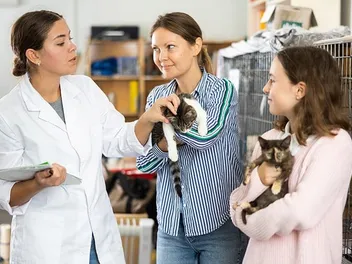
Find out what medical care and health checks the shelter provides as standard. Some initial questions could be what veterinary care your cat has received (if any), including any parasite treatment, which vaccinations they have had, if they are microchipped or neutered, and whether they have any known health concerns or ongoing medications.
Once your cat is home, contact your local veterinarian to establish care for your cat. A check-up soon after adoption can help build a clearer picture of their overall health and create a plan for future preventative care. It’s a good idea to arrange pet insurance as soon as you’ve decided to adopt your cat so they’re covered for any injuries or illnesses that may arise.
But health is only one part of understanding what your new cat needs to thrive. The SHINE™ framework, developed by the Waltham Petcare Science Institute, looks at five interconnected areas of a pet’s wellbeing: socialisation, health, individuality, nutrition and environment.
With that bigger picture in mind, ask the shelter about your cat’s personality, temperament, energy levels, previous experiences and interactions with people, children or other pets. Understanding as much as you can about these different needs can help you consider how well your home, family, and daily routine will suit the individual cat, and how you can best support them once they come home.

2. What Should You Feed Your Cat When They First Come Home?
Mars Research found that 71% of adopters change their pet’s diet soon after adoption, but changing food immediately is not usually recommended unless a veterinarian advises it.
Ask the shelter what your cat is currently eating, how often they are fed, and whether they have any special dietary requirements. Your cat’s food should be complete and balanced for their life stage, whether they are a kitten, adult, or senior. Keeping their food and feeding routine consistent initially can help make the move feel less disruptive.
If you want to change their food, wait a week or so to allow them to adjust, then do so gradually by adding a small proportion of the new food to their regular diet. On the first day, their old food should make up around three-quarters of the meal, with the new food making up the rest. Gradually increase the proportion of new food each day over a week, giving their digestive system time to get used to the new food.
If you decide to adopt a senior cat (7+ years), diets designed for mature cats account for the burning of fewer calories throughout the day as well as increased palatability tailored to mature cat preferences.
Importantly, cats need diets that provide appropriate protein and essential nutrients, along with constant access to fresh water. Portion size, nutrition, and feeding style should reflect your cat’s activity, age, body condition, and health; treats should remain below 10% of daily calories.
A veterinarian can help choose the most suitable diet if your cat has medical or weight concerns.

3. How Should You Prepare Your Cat’s New Space?
Although it can be tempting to let your new feline friend explore everywhere straight away, for many cats, a smaller and more predictable environment can feel much safer.
Consider keeping your new cat in one room before slowly giving them access to the rest of the home. During the first few days, keep windows secured and doors closed, and make sure they have everything they need close by.
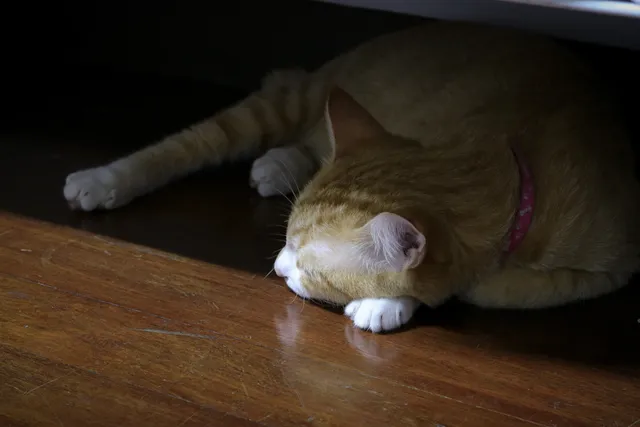
Cats will seek out hiding spaces when they feel stressed, so it’s important to provide some quiet resting places while they settle in. Providing safe places to retreat to will help them navigate the unfamiliar sights, sounds, and smells around them.
Something as simple as a cardboard box placed on its side or an open cat carrier can offer a reassuring place to hide, giving them confidence to explore and interact.


4. How Can You Help Your Cat Get Used To Being Alone?
Many pets need time to adjust to being alone in a new home. Start by gradually introducing short periods of separation and pairing alone time with positive experiences, such as treats, toys, or enrichment activities. Keeping departures and arrivals calm and predictable can also help build confidence and reduce stress.
If your pet shows signs of significant separation anxiety, such as destructive behavior, excessive vocalization, or distress when left alone, speak with your veterinarian or a qualified behavior professional for support and guidance.
From preparing for those first few days to supporting your pet’s long-term health and nutritional wellbeing, the Mars Adoption Hub brings together trusted resources, practical advice and specialist tools designed to help you feel informed, supported and confident at every stage of the adoption journey.

Expert cat care, straight to your inbox
Vet-reviewed advice, behavior tips, and the best of Catster. Free, and you can unsubscribe anytime.
By signing up, you agree to our Terms & Conditions and Privacy & Cookies Policy.
Dr. Martin Whiting, BVetMed, BSc, MA, DipECAWBM (AWSEL), PhD, PGCert Vet Ed, FHEA, FRSB, FRCVS
Martin Whiting is a board-certified specialist veterinarian with a PhD in veterinary law and a master's in medical ethics. He has taught and published in these fields both nationally and internationally.
His career began in general and specialist practice before he joined the Royal Veterinary College as its first faculty member in Veterinary Ethics and Law. He moved to the Civil Service as Director of Operations within Home Office Science and Security, focusing on the regulation of animal research in the UK, and later became Director of Education at CVS Group Plc., overseeing their new graduate programme and establishing a new veterinary nursing school.
As the Global Head of Ethics and Welfare at Mars Inc., he is engaged in all facets of animal welfare, from veterinary care and responsible pet ownership to ingredient supply chain and ensuring research ethics are held to the highest standard.
Join the conversation
Ask a question, share your story, or send private feedback.