Get

In Your Inbox

Catster is reader-supported. When you buy via links on our site, we may earn an affiliate commission at no cost to you. Learn more.

5 Things to Know About Bringing an Adult Cat Into Your Home
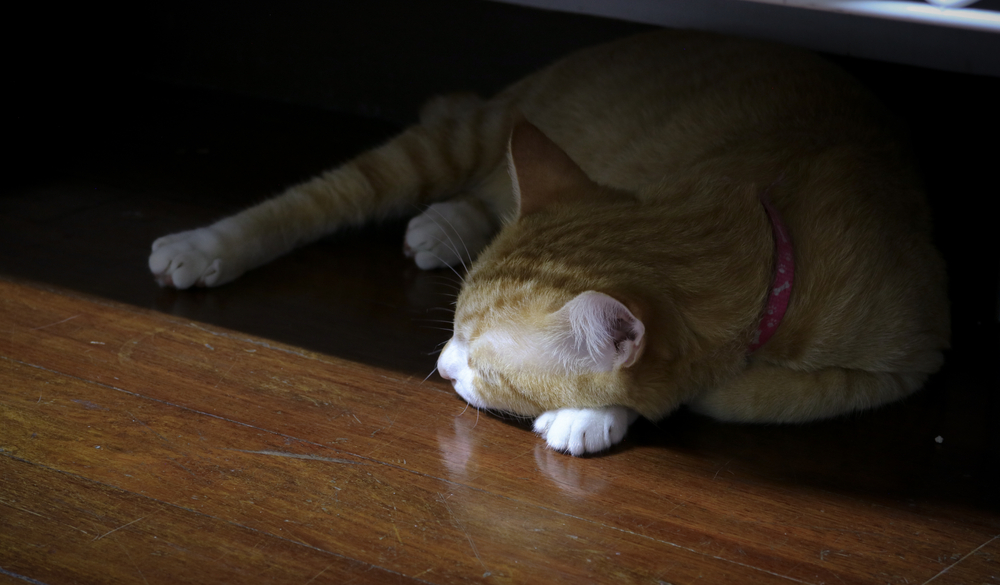
cat sleeping in the dark

Bringing a new adult cat into your home poses different challenges. Marilyn Krieger, certified cat behavior consultant (thecatcoach.com) and author of Naughty No More!, shares her expertise for recognizing and managing behaviors and helping your new companion to better “feel the love.”

divider 3 paws

The 5 Things to Know About Bringing an Adult Cat Into Your Home

1. Newly adopted cats often hide and shun their new people.

A cat hiding under the covers.
Adult cats might be more prone to hiding when you first adopt them. Photography by Julie Vader / Shutterstock.

“They need to have their quiet rooms where no other resident animals are allowed,” Marilyn says. “Help him emerge by creating a safe and secure space with boxes to hide in, vertical territory to climb, scratching posts, comfortable sleeping spots, food, water and a litter box.”

Never force a shy adult cat to socialize, Marilyn adds. “Leave him alone at least for the first 24 hours so he can explore his space alone,” she says. “After he’s accustomed to his new space, one person can enter the room and sit on the floor. Make positive associations and connections through food, play, a clean litter box, etc.”

2. Resident cats commonly fight with newcomers.

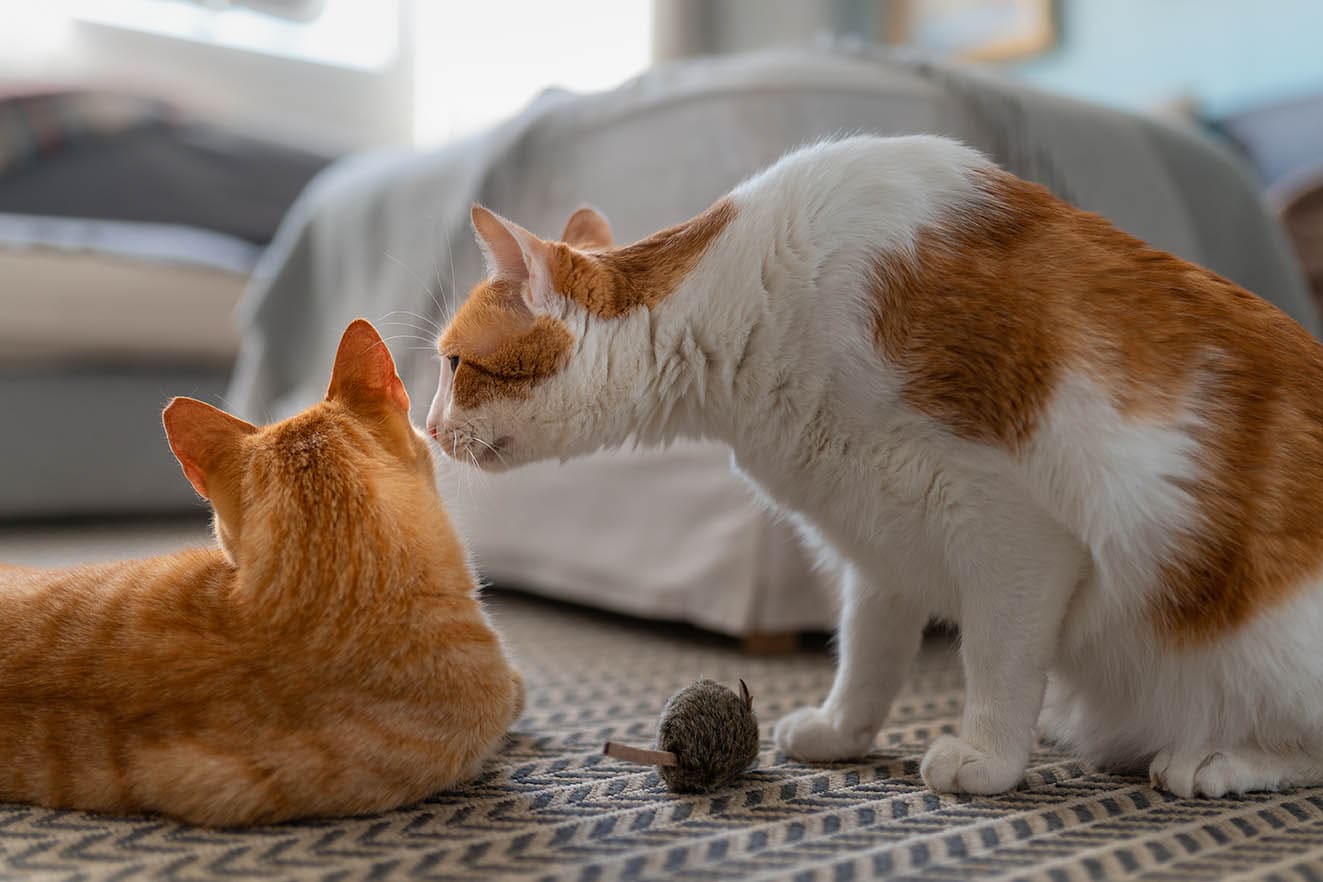
“Cats are territorial and understandably don’t readily accept new cats,” Marilyn says. “People often make the mistake of introducing newly adopted cats to the resident pets too quickly. Once a new cat is used to his room, introduce him to the resident animals slowly. Often it can take a month or longer.”

3. The new cat doesn’t want to be petted.

Never corner, pick up or pet a cat against his will, Marilyn says. “Instead, crouch at a distance and point your index finger at cat-nose level toward him,” she adds. “If he wants to say hello, he will come to your finger, touch it with his nose and turn his head and rub you with his cheek. If he starts to feel a little insecure, he’ll retreat. Other opportunities will come as he feels more secure. Delicious cat treats and food can be effective persuaders!”

4. The new cat won.t eat.

“Depending on the level of stress, many cats stop eating when first introduced into the new home,” Marilyn says. “If a cat doesn’t eat for 24 hours, he needs veterinary intervention. Encourage eating with good quality, highly aromatic food heated up to room temperature. Find out what treats/food the cat enjoyed before surrendered. Sprinkling the food with dehydrated chicken or another meat sometimes jump-starts an appetite. Place the food bowl in a quiet, easily accessible area. Cats who hide may start eating if their food dish is put at their hiding spot entrance. Give the newbie some privacy; often they will eat when no one is around.” If your cat won’t start eating after a while, you should contact a veterinarian and ask for advice.

Need veterinary advice but can't get to the clinic? Catster recommends PangoVet, our online veterinary service. Talk to a vet online and get the answers and advice you need for your cat without having to leave your living room — all at an affordable price!

PangoVet_Mention-in-Content for PangoVet2 save money

5. What can new owners do to stop unwanted behaviors?

Cats always have reasons for their behaviors — they don’t happen in a vacuum, Marilyn says. “Many things cause unappreciated behaviors — medical issues, history, poor litter box management, household turmoil, how the cat is approached and handled, inter-cat issues and many others.” Any behavior change requires a visit to the veterinary clinic.

“Only after all possible medical causes have been ruled out should the problem be approached as behavioral,” Marilyn says. “Change the behavior by identifying its causes and addressing it through environment and behavior modification. Punishing cats for undesirable behaviors causes stress and often escalates behaviors, creates other problem behaviors and strains or breaks the human-animal bond. Veterinary behaviorists and certified cat behavior consultants can help figure out unwanted behaviors and offer solutions.”

Thumbnail: Photography by bbbrrn/Thinkstock.

Related Reads:


Featured Image Credit: Daronk Hordumrong, Shutterstock

Want content like this delivered to you?

Sign Up For Our Newsletter

News, insights, expert advice, and everything cat

* By submitting, you agree to our Terms & Conditions and Privacy & Cookies Policy.

How useful was this post?

Click on a star to rate (you can leave written feedback after clicking submit)

Help us improve Catster for pet parents!

Your feedback really matters.

What did you like about this post? Also how can we improve it?

Join the conversation

Leave a Reply

You’re very welcome to leave a comment or question. Please know that all comments must meet our community guidelines, and your email address will NOT be published. Let’s have a positive and constructive conversation.

Talk With A Vet Online

Peace of mind,
anywhere, anytime

Affordable vet advice

Ask Dr. Paola – Bow-Legs, Bald Spots & Burying (December 23, 2024)

Welcome to our “Ask Dr. Paola” series, where every Monday we bring expert advice straight from Dr. Paola Cuevas (MVZ) to help our...

Grey Sphynx Cat: Info, Pictures, Care & Traits

Everything about the grey Sphynx cat screams for attention, starting with the animal’s hairless appearance. Relatively big ears and eyes also complete the...

Can Cats Eat Canned Chicken? Vet-Reviewed Info to Know

Everyone knows that cats are obligate carnivores. In other words, they evolved to eat meat entirely. They don’t typically eat anything else, though...

Can Cats Get Dizzy? Vet-Reviewed Science & Facts

While dogs are often jokers, cats are the elegant masters of the home. We rarely see cats, especially adult felines, tripping around the...

More related

Female Cat Behavior After Spaying: Vet Reviewed Changes to Expect

One of the side effects of spaying a female cat is behavioral changes. Some are short-term and directly related to the pain your...

Why Are Cats More Popular Pets in Japan Than Dogs? (Japanese Cat Lore)

When it comes to pet ownership in America, 70% of households are pet owners, with 69 million homes owning dogs and 45.3 million...

10 Top SNL Sketches With Cats: Feline Funnies

Saturday Night Live has been producing comedy sketches for decades, and it occasionally has ones with animals in them. It seems like many...

Responsible Pet Owners Month: 2025 Update & How to Celebrate It

February is a month filled with love and affection, not just because of Valentine’s Day. It’s also when we celebrate Responsible Pet Owners...

Keep reading

Why Do People Hate Cats? What Science Tells Us (Vet-Reviewed)

Cat lovers think that their favorite animals can generally do no wrong. People who adore felines often find them loving, attentive, playful, and adaptable. They love cats’ independence and sweet companionship and feel honored that such self-sufficient and intelligent creatures...

red flame point siamese in the grass

Do Cats Scratch Velvet? Vet-Verified Facts & Scratching Advice

We’ve all been sitting on the couch while watching TV, only to hear the sound of fabric ripping. You’ve probably done everything in your power to stop your cat from clawing your furniture to no avail. However, some pet owners...

Scottish Shorthair cat lying on a velvet couch

How Do I Tell If My Cat Is Constipated? 8 Vet-Reviewed Signs to Watch For

If you’ve noticed that there hasn’t been poop in the litter box for a few days (and your cat isn’t going somewhere else), it could mean that your cat is constipated. Some signs of constipation are more obvious than others,...

cat pooping on the grass

9 Best Cat Foods for Diarrhea in Canada in 2025: Reviews & Top Picks 

As lucky as we are to parent our fluffy family members, it isn’t a job that comes without some pretty gross cleanups, smells, and, of course, worry. If your cat has a sensitive stomach, they may suffer from diarrhea among...

grey cat eating food

Can Cats and Birds Live Together? Vet Approved Facts & FAQ

Cats and birds couldn’t be more different from each other. Not only do they belong to completely different animal families, but they are physically very different from each other. Anyone who has ever had an outdoor cat has likely spotted...

Yellow and black parrots corella is sitting on a swing in the cage

Cat Asthma: Vet Reviewed Signs, Life Expectancy, & Treatment

Asthma isn’t just a human disease; it can affect our pets too. In fact, it affects between 1% and 5% of cats. It’s a chronic but treatable breathing condition that causes inflammation and reactive constriction of the airways. While it’s...

tabby cat sneezing

How to Spot a Broken Cat Tail: 5 Vet-Reviewed Steps

Cats have very flexible tails, and you may even see them with “kinks” and strange angles. Usually, this doesn’t mean that the cat’s tail is broken. However, cats can certainly break their tails. While a tail may seem like one...

tail of a cat on vintage background

7 Most Common Allergies in Cats: Vet-Verified Triggers, Signs & Treatments

If your cat is suffering from allergies, it’s usually one of these four types: environmental, food, seasonal, or flea. However, more specifically, there are thousands of potential allergens all around. Your cat could be allergic to the plants in your...

Cat with fleas