How to Socialize a Shy Cat Who Frequently Hides: 7 Vet Approved Tips


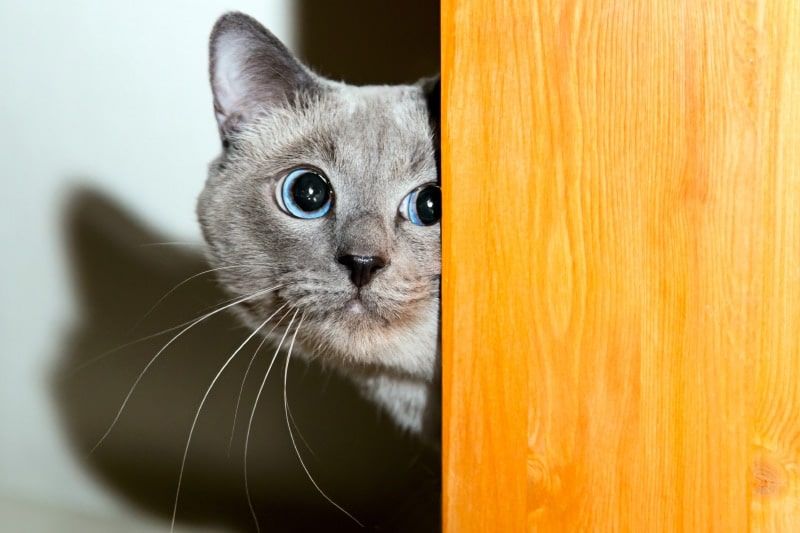
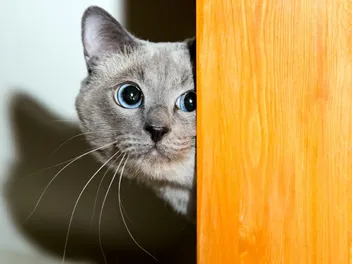
If you are a cat parent who constantly struggles to get their fur baby out of their secret hiding spot, you have come to the right place. The good news is that it is entirely possible to help a shy cat gain confidence and feel more comfortable in their environment.
The key to fostering a cat's comfort is giving them autonomy in choosing when and how they interact with others, while ensuring that each interaction remains as safe and predictable as possible.
Read on for seven tips to help you socialize your cautious feline friend and allow them to thrive in your home.

Before You Start: Why Is Your Cat Acting Shy?
Most cats tend to run and hide when new people visit their homes. This behavior is generally considered normal and does not mean there is anything wrong with your feline companion. They may not have been fully socialized during kittenhood, or your cat may simply have a reserved personality.
However, if your usually affectionate and clingy cat suddenly becomes fearful, hides all the time, or shows signs of aggression, it could be a sign of illness. So, if you notice an abrupt change in behavior in your cat, consult a vet to rule out any underlying medical reasons.

Top 7 Tips for Socializing a Shy Cat
With all that in mind, let’s explore the best ways to help your cat come out of their shell.
1. Create a Safe Haven
Before attempting to coax your cat out of hiding, establish a cozy, soothing, and calm sanctuary where your feline companion can feel secure. Set up this haven in a quiet area of your home, where your cat can easily retreat if they feel overwhelmed. Ideally, this space should include a comfortable bed, a cat tree with elevated perches, high shelves, window perches, a litter box, and hiding spots like cardboard boxes and tunnels. By offering multiple retreat options, your cat is more likely to feel secure in the home.

2. Introduce Your Cat to New Environments and People Gradually
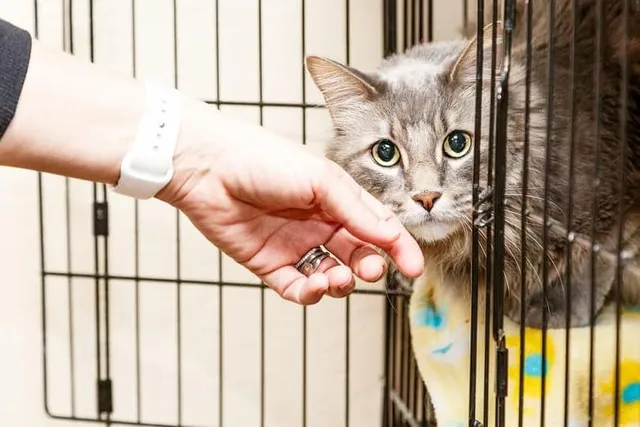
Patience and gentleness are essential here! Sudden changes can be stressful for any cat and even more so for shy, introverted felines. Gradually expose your cat to new environments and people. Allow your cat to explore at their own pace, offering treats and petting when they venture into new areas or approach guests. Respect their pace, and never force them to interact with new people against their will.
3. Provide Interactive Toys
Engaging your skittish cat in play is a great way to build trust with and socialize them. Choose interactive toys that mimic prey, such as feather wands or laser pointers. Play with your cat on their own terms allowing them to initiate play and control the pace. Perhaps when your cat ventures from their safe hiding spot, play could be an effective reward. This builds a bond between you and your cat and encourages them to associate you with positive interactions.

4. Always Use Positive Reinforcement
Positive reinforcement is a good tool for socializing your cat and building their confidence. That said, you’ll need to choose the “rewards” carefully. Things like petting can be stressful for reserved and fearful cats. So, pay attention to your cat's body language, be patient, and avoid forcing interactions. Let your pet come to you at their own pace, rewarding them with their favorite treats and gentle praise. If you do venture to pet them, do so on the head and face, as this is generally more accepted by cats. Over time, this will boost their confidence and enable them to associate positive experiences with interactions with you and other members of your family.
5. Establish a Safe Routine
All cats thrive on routine, and shy little felines in particular can greatly benefit from a predictable daily schedule. Establishing a consistent routine of feeding, playing, and grooming is essential to provide your cat with a sense of comfort and security. This predictability will reduce their stress and anxiety, which will gradually allow your cat to feel more comfortable in your presence.

6. Ignore Your Cat
This advice may seem counterproductive, but it works particularly well with fearful cats because cats can find eye contact and attention threatening. It's not about actually "ignoring" them, but rather letting them know you’re not a threat. For example, you can sit in the room where your cat is hiding, but without showing them any attention. Do anything else instead, such as reading, working, or watching a movie (but avoid turning up the volume so as not to scare your cat even more). Behave normally to avoid any tension. The more time you spend with them, without giving them attention, the more likely they will get used to your presence and agree to come out of their hiding place.
7. Use Pheromones
Feline facial pheromone is a happy marker for cats that sends the message that the environment is positive. The use of a pheromone diffuser can help your anxious cat feel calmer and secure. It covers 700 square feet of space when used indoors. If your cat feels more secure, they will be more likely to interact with you in a positive way and come out of hiding.


Final Thoughts
Transforming a shy cat into a more confident and friendly companion requires patience, understanding, and a gentle touch. Providing a cozy and safe environment, gradually introducing new people and experiences, using treats and positive reinforcement, establishing a routine, and respecting your cat's pace can all contribute to boosting your skittish kitty’s trust. Even though the whole process takes time, seeing your beloved cat's personality blossom will be worth it.
Sources
Featured Image Credit: Maistet, Shutterstock
Expert cat care, straight to your inbox
News, insights, and useful advice, delivered to you.

No spam — unsubscribe anytime.
By signing up, you agree to our Terms & Conditions and Privacy & Cookies Policy.
How useful was this post?
Click a star to rate. You can leave written feedback afterwards. (We read all feedback.)
Genevieve is both a biologist and a science writer, driven by her deep love for capuchin monkeys, pumas, and kangaroos. Her dedication to wildlife has taken her across the globe, from Bolivia and Guatemala to Canada and Australia, working and volunteering at various rehabilitation centers. As a Canadian living in Argentina, Genevieve starts her days with horses and cows greeting her from the plains outside her home office. She is the proud parent of three rescued dogs—Lemmy, Nala, and Pochi—and an energetic kitten named Furiosa. The opportunity to share her passion and expertise in animal care brings her great satisfaction.