How to Socialize Your Kitten: 6 Vet-Approved Methods


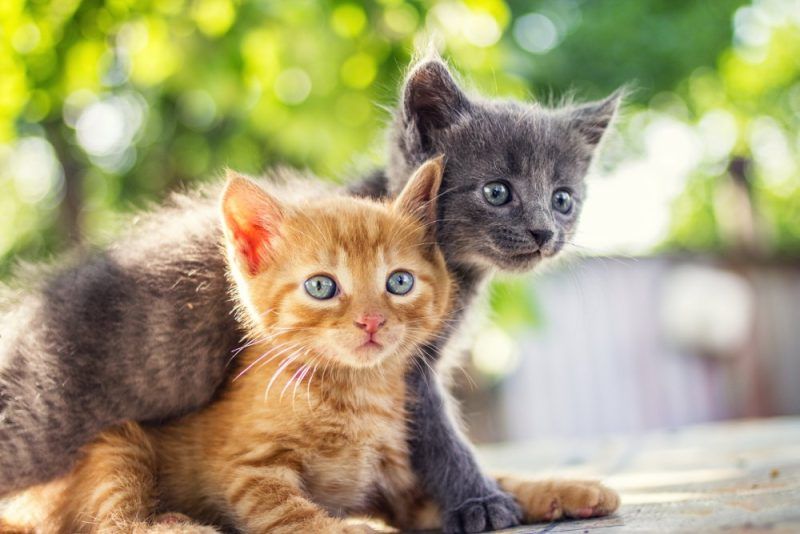
It’s always exciting to bring home a new kitten. Not only are they incredibly cute, kittens are also full of personality and charm. Of course, you want your cute little kitten to relate well with you and the people you care about.
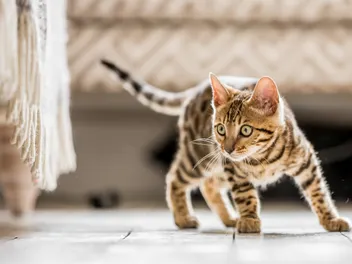
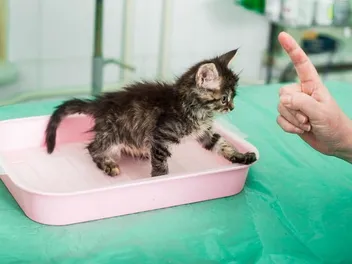
Your kitten needs early socialization to become a good pet. Socialization helps a kitten build confidence and trust and makes them feel comfortable in their home and environment. Socializing a kitten requires a lot of time and consistency but the effort will be worth it in the end.
Here are some proven methods to use to help you socialize your kitten so they grow up to be friendly cats with plenty of confidence around people. We’ve numbered the methods because kitten socialization should be done in steps, starting with making your kitten feel safe and comfortable.

The 6 Methods for How to Socialize Your Kitten
1. Designate a Safe Area for Your Kitten
To begin socializing your new kitten, decide what space you want to provide for them that will make them feel safe and comfortable. A good idea is to use a portable kennel and place it up and off the floor. Make the inside of the kennel comfortable by placing a fluffy pad on the floor. Put a couple of small cat toys inside the kennel so your kitten can play with them if they want.
Once the kennel is in place and the inside is warm and inviting, place your kitten inside while talking quietly with a reassuring voice. Leave the kennel door open so your kitten can come and go as they please.

2. Use Food as a Socialization Tool
When you give your kitten food, it will encourage them to interact with you and form a positive impression of you. When feeding your kitten a special treat like wet cat food, sit down on the floor and place the dish on your lap so your kitten will have to come close to you to get the food. While your kitten is eating, pet them gently and speak to them in a low, assuring voice.
Each day, take the time to feed your kitten something special. This could be anything from tiny bits of chicken or liver to flavored kitten treats. Be careful not to give your kitten food on your fingers because their little teeth are sharp and a bite can hurt! If you must, use your open hand instead.

3. Spend Time Playing With Your Kitten Each Day
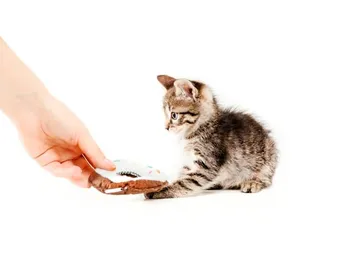
Playing with your kitten is one of the best ways to socialize them. That is why you should spend at least 1 hour every day playing together with your kitten. You can play using a cat toy, a cardboard box, or anything your kitten is curious about.
During playtime, pet your kitten when they get close to you and speak using a calm reassuring voice. When playtime is over, try holding your kitten, if they are relaxed while petting them all over their body. Play creates a strong bond between you and your kitten and teaches them to be social.
Playtime may just be your kitten’s favorite activity so why not help them make this super enjoyable with Hepper Catnip Stix. Catnip is safe for kittens and with its soft construction you won’t need to worry about your kitten safety. Click here to order yours today.

- No Filler - Like all the best cat toys our is stuffed with 100% organic catnip. Cheap cat toys with filler leave your cat bored and disinterested. Our pets deserve to be excited and engaged.
- Flexible Play - Simple plush shape is great for biting, scratching and pawing. It can start life as a teething toys for kittens then soon your furry friend will be using it as a cat kick stick. Play for any mood
- Durably Designed - Our cat safe toys are hand-stitched with a double-lined exterior construction for hours of playtime, perfect cat kicker toys for cats indoors and even outdoors. Your cat will tire out before the toy does!
At Catster, we’ve admired Hepper for many years and decided to take a controlling ownership interest so that we could benefit from the outstanding designs of this cool cat company!
4. Introduce Your Kitten to New People & Pets
After you’ve had your kitten for a few days and you have worked on their trust, you can slowly start to introduce them to new people and even other pets. Take it nice and slow and don’t scare your kitten. Pick your kitten up when introducing them to new friends and allow the other people to gently pet them. If the people who are visiting are willing, ask them to allow the kitten to approach them and then offer them a treat while trying to pet or even hold your kitten. This helps to get them used to new people, although you should never hold them up if they seem nervous or against their will. They might just need more time.
When introducing your kitten to other pets like a dog or another cat, take it cool. Conduct these introductions in a quiet room one animal at a time. Your kitten will be curious about new animals they meet and may even try playing with one right off the bat. Just use caution and common sense when introducing your little furball to other animals.

5. Expose Your Kitten to Different Experiences
Once your kitten feels safe and comfortable around you, your family and friends, and other pets, expose them to new experiences. This may include hearing the vacuum cleaner or taking your kitten for rides in the car while they’re inside a portable kennel.
Every new experience should be positive and nothing that can trigger stress or anxiety in your kitten. Take it nice and slow and give your kitten plenty of space. As your kitten grows older, they will be accustomed to hearing and experiencing different sounds and things.

6. Don’t Leave Your Kitten Home Alone for Long Periods
You can leave your young kitten alone for short periods. However, kittens younger than 4 months shouldn’t be left alone longer than 2 hours.
Once your kitten is over 4 months of age, they can handle being alone for about 4 to 5 hours. For those times you plan on being away for a few hours, be sure to leave food and water out for your kitten and some of their favorite toys to keep them busy.
When you return home, greet your kitten right away and take the time to cuddle and love them up! By this point in the socialization process, your kitten has learned to love and trust you and the world around them.


Your Kitten’s Early Life
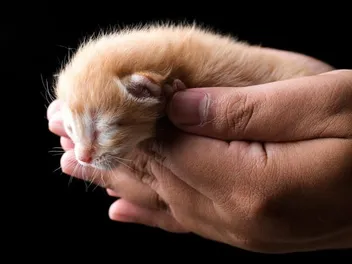
Before you brought your kitten home, they were interacting with their mother and other kittens in the litter as well as some people. This early interaction with littermates and humans gives a kitten a good start in life and makes socializing easier.
Kittens that are taken away from their mothers too soon and those not having much human contact are not easy kittens to handle or socialize. This is why it’s not recommended to choose a kitten that hasn’t had much human contact or one that was taken from its mother too early.
You likely got your kitten between 8 and 12 weeks of age. It’s also likely that your kitten had ample contact with at least one person regularly, which is great. This is why it is important to know your kitten’s background because if they were brought up with love and care, it means that it won’t be hard for you to reinforce the good work someone else started so your kitten grows into a friendly, happy, and confident cat.
Featured Image Credit: CebotariN, Shutterstock
Expert cat care, straight to your inbox
News, insights, and useful advice, delivered to you.

No spam — unsubscribe anytime.
By signing up, you agree to our Terms & Conditions and Privacy & Cookies Policy.
How useful was this post?
Click a star to rate. You can leave written feedback afterwards. (We read all feedback.)
Misty Layne lives out in the woods in small-town Alabama with her two Siamese cats —Serafina and Jasper. She also has an array of stray cats, raccoons, and opossums who like to call her front porch home. When she’s not writing about animals, you’ll find her writing poetry, stories, and film reviews (cats, by far, her favorite writing topic, though!). In her free time, Misty enjoys chilling with her cats, playing piano, watching indie and foreign films, photographing abandoned places, and catching up on her never-ending TBR list.