How to Take Care of Your New Kitten: 8 Vet-Approved Tips



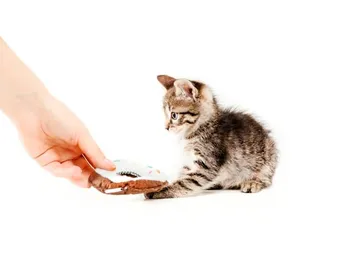
Bringing home an adorable new kitten is an exhilarating time. Kittens are incredibly energetic and never fail to entertain you with their antics. But if you’ve never owned a cat, it can also feel like a huge responsibility. Check out our eight must-know tips for taking care of your kitten and ensuring they grow up as strong and happy as possible.

The 8 Tips to Take Care of Your Kitten
1. Stock Up on Supplies
Kittens might be small, but they need plenty of supplies! It makes sense to get the basics before your kitten arrives. That way, you know you’re covered for at least a few weeks. If your kitten ends up needing new equipment or toys after that, you’re not going to feel rushed into buying them. Before you bring your kitten home, we recommend investing in:
2. Make Sure You Have Enough Kitten Food
Most kittens travel to their new homes when they’re 8 to 12 weeks old, and at that time, they’ve been fully weaned onto solid food. If you can, it’s a good idea to find out what food the breeder or shelter uses. Maintaining the same diet can minimize the chances of your kitten developing an upset tummy as they move to their new home.
It is advised to use a food that meets regulatory requirements on being appropriate for your kitten. Within the US, these regulations are set forth by AAFCO. Keep in mind that food intended for adult cats is often insufficient for kittens. Kittens require food made specially for them (or food that’s marked as suitable for all life stages).
If you do decide to switch foods, make the transition to the new food slowly over the course of at least 2 weeks. Start by offering your kitten around 90% of their old food and 10% of their new food. Monitor your kitten over the course of the next 24-48 hours. If they seem to be handling it well, you can gradually increase the portion of new food while also decreasing the portion of their old food over a period of around 1-2 weeks until eventually they are being fed just their new food.
Kittens do best with several small meals a day - up to eight meals per day are recommended for kittens that are 2 months old. This number can be slowly reduced as your kitten grows older.
Kittens that are 6 months old are typically fed four times per day. Kittens can be transitioned to adult food (if necessary) when they are around a year old.
3. Train Your Kitten to Use the Litter Box
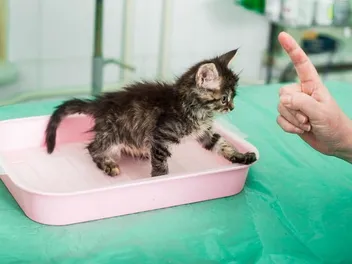
Most kittens learn how to use their litter box with minimal fuss. As they get used to their new home, expect them to have a few accidents. If your kitten is taking a little time to adjust, place a few litter boxes around the house so they’re never far from one if they need to go.
The best time to train your kitten to use the litter box is after a meal. Once your kitten has eaten, they should be gently placed in a litter box. This is because after a meal, the gastrocolic reflex often leads to a kitten having the urge to poop.
Heap plenty of praise on your kitten and provide treats when you see them using their litter box properly. Training litter or litter attractants can be considered as well.

4. Give Your Kitten Time to Adjust
Moving away from their mother and siblings can be a huge adjustment for your kitten. If they’re moving to a new home with a sibling, the adjustment can be a little easier, and the kittens may rely on each other for support and comfort. However, two kittens comes with additional expenses and responsibility, and this isn’t a decision you should rush. If you’re bringing home a solo kitten, be prepared for them to need more attention and comfort from you.
Spend plenty of time socializing and playing with your kitten, but let them set the pace. If they’re nervous around new people or another pet, keep the meetings short and offer your kitten plenty of treats and praise.
5. Take Your Kitten for Their Health Check
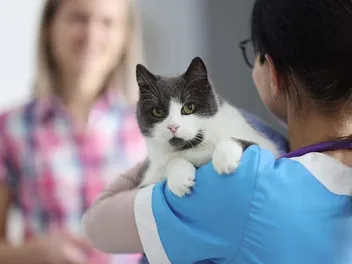
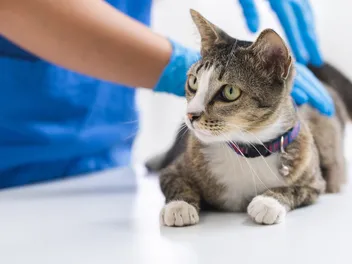
Upon adoption, a kitten can usually be quickly offered a veterinary checkup and a de-worming and de-fleaing treatment by a vet as necessary. Schedule your kitten’s first complete health check for around 2 weeks after you bring them home. Take them to your vet sooner if you think they’re not adjusting well.
At the 2-week mark, your vet will give them any vaccinations if they haven’t had them and carry out another general health examination. They may also give you recommendations on additional parasite preventives.
Getting your kitten used to vet visits is a great way to help them be more comfortable during future appointments. It’s also an excellent opportunity to ask your vet any questions about nutrition, socializing, or anything else you’re wondering about.
6. Socialize Your Kitten
If you want your cat to be outgoing and well-adjusted as an adult, socializing them while they’re still a kitten is crucial. Once your kitten has settled into their new home, consider ways to socialize them as much as possible. Get them used to being brushed, having their nails trimmed, and taking a bath, and you’ll find that caring for them is easy and stress-free.
Invite friends over, and encourage them to meet your kitten, but don’t be shy with the treats! If you have dogs and other cats, introduce your kitten to them slowly and allow them to get to know each other at their own pace. Allow your kitten time to rest between these socializing sessions, and remember that they still need plenty of sleep and time to process the new sights and sounds.
Important
Related Read: How to Get an Older Cat to Accept a Kitten: 6 Easy Steps
7. Use Positive Reinforcement
As responsible kitten owners, we must find the best way to train our kittens. Positive reinforcement helps your kitten learn which behaviors they get rewards and praise for. They’re then more likely to keep doing them. If you don’t want your kitten to get up on the kitchen counter, don’t shout at them when they’re up there.
Instead, redirect them to their toys or a scratching post and heap praise on them while they’re there. They’ll soon learn that it’s a good place to be. It can be fun teaching your kitten new tricks, too!

8. Schedule Plenty of Playtime
Kittens love to sleep and eat, but they also love to play! Your kitten will spend most of their time playing between eating and sleeping. Make sure they have a wide variety of toys. Some can be interactive, like fishing wand toys that you can wave around for them, and others are ones that your kitten can play with by themselves if they wake up in the night, like kicker toys.

Final Thoughts
Although some kittens are anecdotally easier to care for than puppies, they require the proper care to live long, happy lives. Providing food, toys, and supplies is essential, but you must also give them attention and play with them every day. Kittens learn most of their socialization skills when they're incredibly young, and a stable environment with caring owners will help them become well-balanced, friendly adults.
Related Read:
Featured Image Credit: Serita Vossen, Shutterstock
Expert cat care, straight to your inbox
News, insights, and useful advice, delivered to you.

No spam — unsubscribe anytime.
By signing up, you agree to our Terms & Conditions and Privacy & Cookies Policy.
How useful was this post?
Click a star to rate. You can leave written feedback afterwards. (We read all feedback.)
Christian started writing for a local newspaper as a teenager, and he's been involved in the publishing industry for most of his adult life. Combining his love of writing with a passion for animals, he is currently the Director of Editorial at Pangolia and the Editor-in-Chief at Catster.
Christian lives in the Philippines with his wife, son, and four rescue cats: Trixie, Chloe, Sparky, and Chopper.