2-Month-Old Kitten: What to Expect & How to Care For Them

In this article
Baby cats are some of the most adorable creatures on the planet! They're energetic, curious, joyful, and full of playfulness and life. While 2-month-old kittens have matured significantly in their brief time on earth, they still have a bit of development to go and require care and nurturing. Keep reading to learn more about the basics of caring for an 8-week-old kitten.

The 2-Month-Old Kitten Care Tips & FAQ
Size and Development
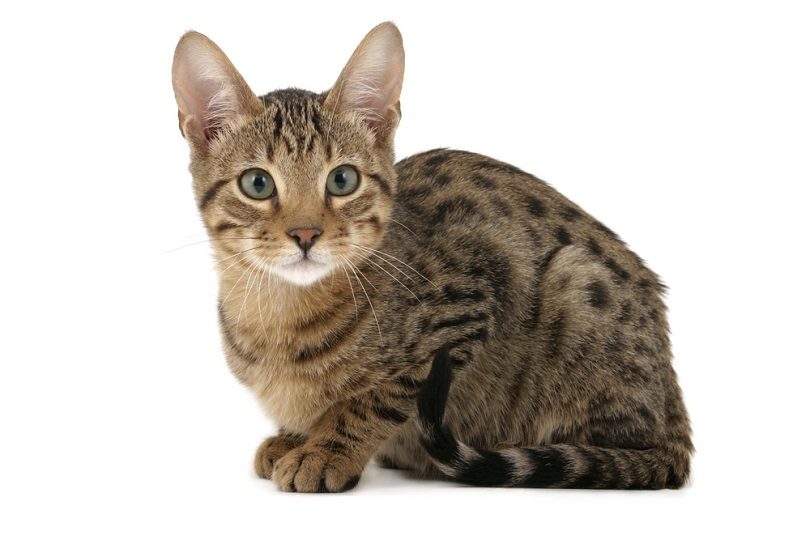
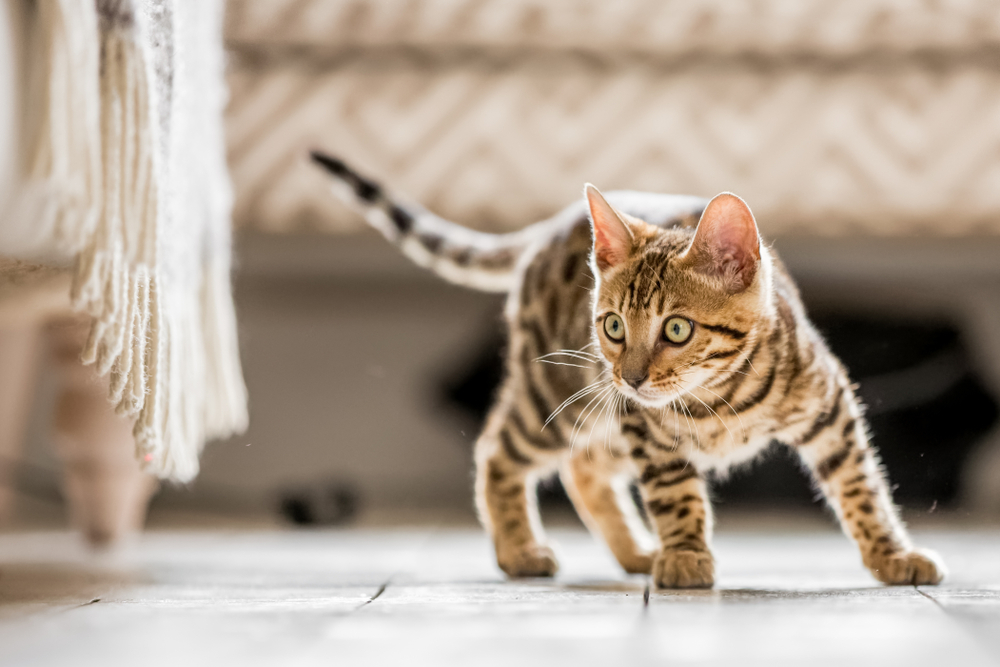
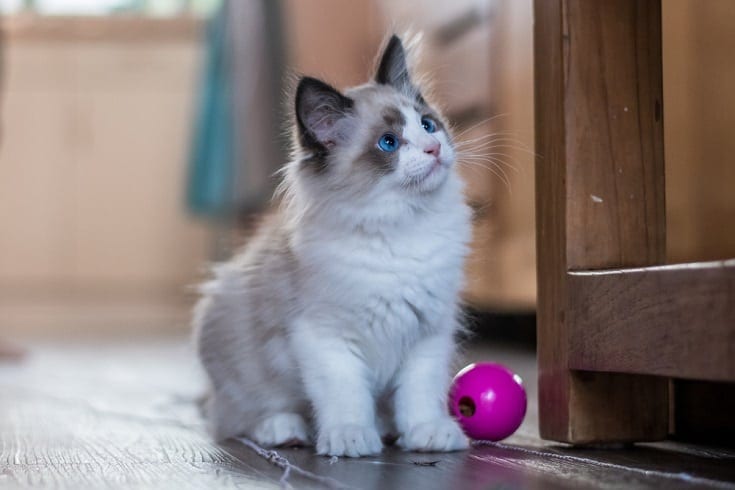
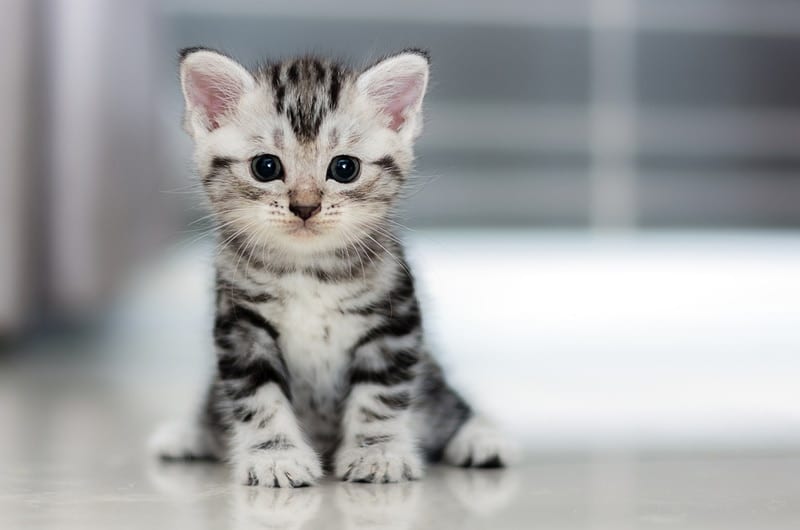
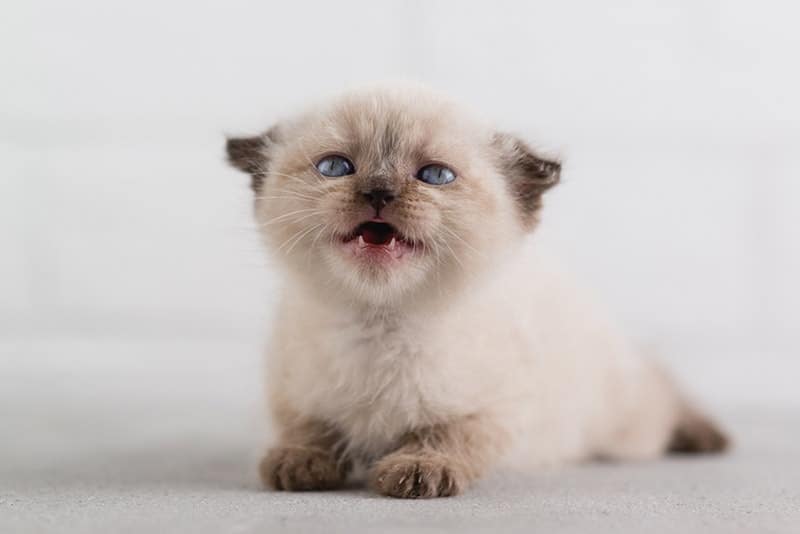
For medium-sized breeds, 2-month-old kittens weigh close to 2 pounds, and they generally look like cute versions of grown-up cats. By this time, their eyes have changed to their permanent colors.
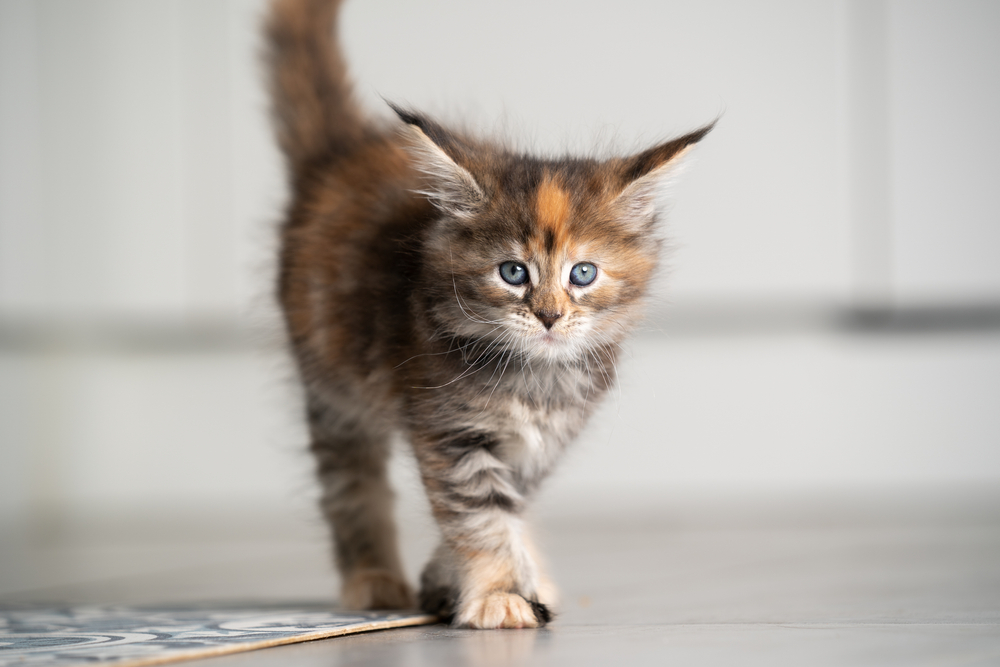
Healthy kittens typically gain about 1 pound a month until they're about 6 months old. They're almost as coordinated as they'll be when grown, and soon, they'll be running, jumping, and getting around with adult confidence and grace. Most are full of energy and happy to explore on their own.

Diet
At this age, kittens leaving their mothers have usually already been weaned, but they still have special dietary requirements and need to eat more often than adult cats.
Food and Water
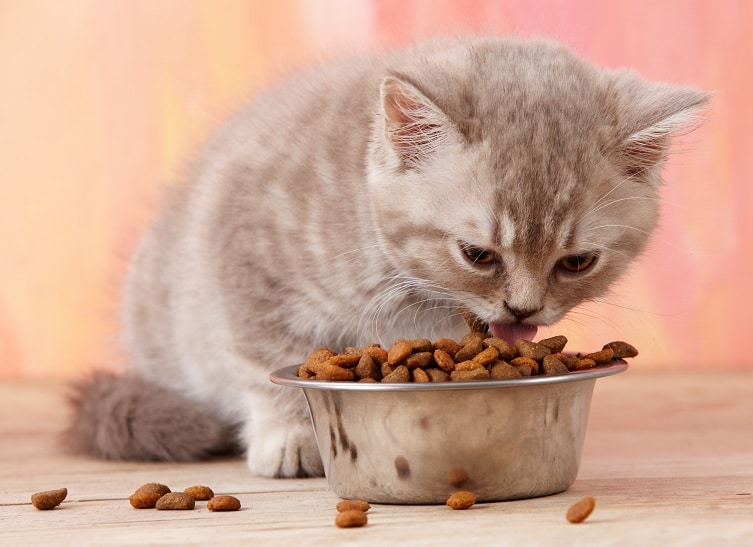
2-month-old-kittens need to eat food specially formulated for them. Most must stick with kitten food until they're about 1 year old. High-quality commercial kibble and wet food are easy to find in different flavors and textures. Life stage-appropriate brands that come with an Association of American Feed Control Officials (AAFCO) statement of nutritional adequacy are designed to provide the right mix of nutrients and calories.
Use the feeding guidelines on the packaging to determine how much your kitten should be eating, and consider running your calculations by a veterinarian to ensure your buddy gets the right amount of food.
Wet or Dry Food
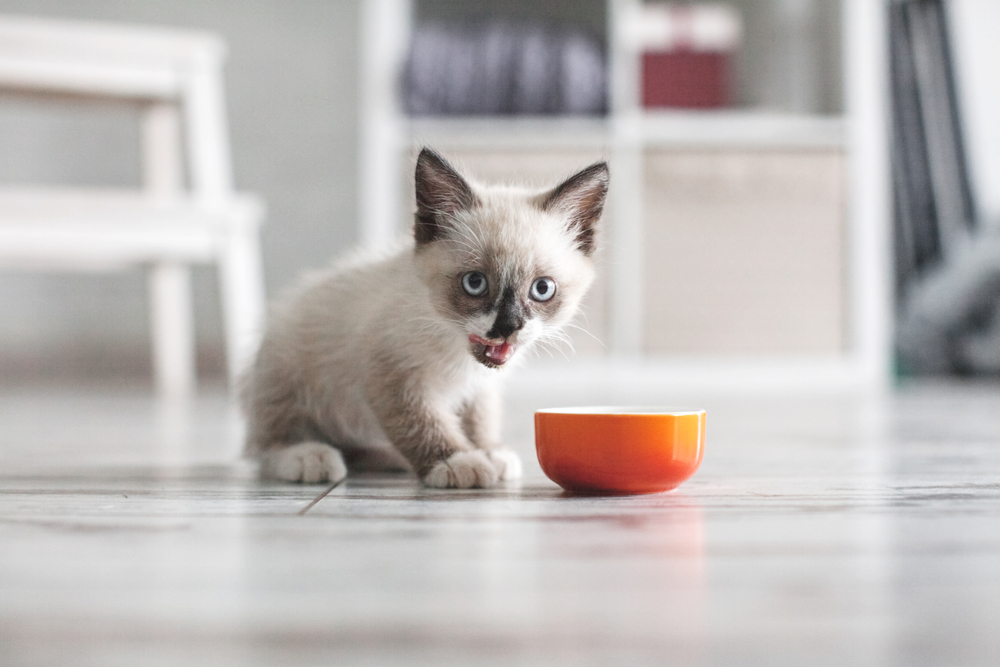
Kittens can eat either wet or dry food at this age, but many pet parents feed their companions a combination of the two. Dry food is convenient and can be left out for pets to nibble on throughout the day, and wet food has more water, which can ensure that kittens stay properly hydrated and helps their urinary tracts. Kittens should always have access to fresh water.
Feeding Schedule
Kittens still need to eat relatively often at this age; most should either be free fed or have three to four meals per day to ensure they have enough energy to support their high activity levels. About 6 to 8 hours between meals is just about right. Kittens can usually move to two daily meals when they're around 4 or 5 months old.
Behavior
Although kittens sleep a lot, they're also busy learning how to stalk, pounce, and break into cabinets.
Sleep
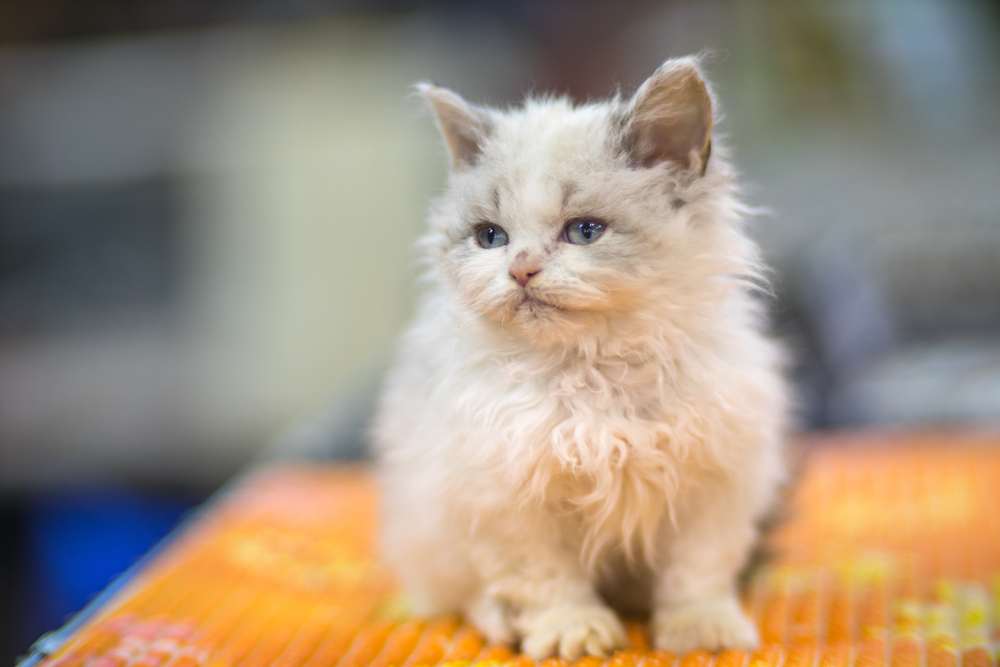
Kittens sleep around 20 hours a day or so. Your new friend will likely spend most of their time snoozing, and providing a few comfortable places for them to nap can go a long way toward creating a pleasant environment.
A cat bed can give your kitten a snuggly place to sleep as they recover from their frenetic bursts of dashing about. Cardboard boxes lined with towels are also popular napping places among cats of all ages.
Cats sleep away the majority of the day, so finding a bed that's supportive, warm and secure is key. Most cats find the modern design of the Hepper Nest Bed irresistible, making it a practical option if you're looking for a rest spot your cat will use consistently. It's supportive and caters to felines of all ages, sizes and ailments. The portability means that your cat can nap wherever you go - your desk, couch, side table or even your bed. Learn more about the heavenly Nest here.

- COMFY KITTY - Your cat or kitten will have an amazingly deep sleep in this self warming, nesting cat bed. The warm, fluffy cat bed lining provides calming stress relief for cats of all ages.
- PRETTY HOME - This round cat bed has a modern and unique design that’s perfect for a sleek indoor look. We don’t think of it as cat furniture but think of the Cat Nest as a “cat home”.
- SPACE SAVER - Reclaim your desk, window sill, or couch from kitten encroachment. This calming nest cat bed has an elevated, space-saving hideout so comfortable your kitty can't resist!
At Catster, we’ve admired Hepper for many years and decided to take a controlling ownership interest so that we could benefit from the outstanding designs of this cool cat company!
Playtime
Getting enough exercise is essential for kittens. Not only do they need physical activity to help their bones and muscles strong, but short play sessions also provide ways for baby cats to get rid of some of their energy.
Kittens left to their own devices for entertainment can become creative, which is often interpreted by humans as destructive activity. Kittens generally have short attention spans, so multiple short play sessions are ideal.
Litter Boxes
Most kittens have mastered using the litter box by the time they are adopted, so it's likely that your new companion will already know what to do. Low-sided litter boxes can allow kittens to get to the bathroom without too much trouble until they grow a bit larger.

Placement
The litter box’s location can be incredibly important to some cats, so putting your new companion's restroom facilities in a place they're likely to approve of can go a long way toward ensuring they feel comfortable from the moment they arrive home. Cats prefer their litter boxes to be in quiet, pleasant places that are far from where they eat their meals.
Type of Litter
Filling the box with the same litter your kitten used while still with their mom can make the transition to their new toilet a bit smoother, and cats of all ages prefer for things to stay as consistent as possible.
Other Environmental Needs
2-month-old-kittens need engaging toys around for them to enjoy. Because they're so eager to jump, spring, and chase, teasers are generally good choices. They won’t react to silvervine and catnip until they're older, so it's probably okay to skip the catnip-infused plush toys.
Simple balls with bells give kittens something fun they can play with when they're on their own. Don't forget to provide a few enclosed places where the kitten can enjoy a bit of privacy, and giving scratching posts from the beginning may help prevent them from turning to sofas and other sorts of furniture when interested in unleashing their claws.
Fur-covered toys are great options that allow cats to exercise their natural prey-instincts by mimicking small animals. The Hepper Furball Set comes with two 2-inch faux fur toys each featuring a hidden bell inside. The gentle jingling enhances playtime and will keep your cat, no matter their age, engaged and ready for action! Learn more here!

- Multisensory Marvel - Indulge your cat in diverse play with long plush faux fur and a bell with these cat fuzzy balls. Just like other soft cat toys, it's softness but coupled with a satisfying jingle.
- Double the Fun in Every Pack - Each cat pom pom balls measure 5 cm in diameter and each pack comes with two fluffy cat toy balls in light & dark brown, to ensure playtime spectacle for all cat breeds.
- Ideal for Rough Play - Tightly stitched for durability, these pom pom balls for cats can withstand even the roughest play & prevent plush fallout, making it one of the best fuzzy balls for cats.
At Catster, we've admired Hepper for many years, and decided to take a controlling ownership interest so that we could benefit from the outstanding designs of this cool cat company!
Socialization
Socialization is the process of getting kittens used to different people and animals and ensuring they're comfortable in situations they'll likely encounter in the future. While the prime kitten socialization period is between 2 and 7 weeks old, older pets can still learn quite a bit.
Cats that get used to having their nails and teeth touched while young are bothered by the activities later in life, which can make claw clipping and tooth brushing much less stressful for everyone down the line.
It's also a great time to get your cat accustomed to wearing a harness and walking on a leash if you're interested in exploring the great outdoors with them by your side.

Cat Proofing
Since they love to climb and jump and are inclined to take a bite of just about anything they encounter, kitten-proofing is essential to keep baby cats safe. Stash potentially dangerous items like yarn and string that are tempting for kittens to play with but can cause severe problems if eaten.
If you have screens on your doors and windows, ensure they're secure and properly installed to prevent escape attempts. Get rid of any toxic plants you have, such as lilies or sago palms, and consider putting other greenery out of reach, as even non-toxic items can sometimes cause tummy problems.
Child-proof locks can keep cats out of cabinets where potentially hazardous items like prescription medications and toxic cleaning products are stored.
Medical Care
Kittens generally need to see the veterinarian about once a month until they're 4 months old to ensure they're growing as they should and get all the vaccinations they need.
These regular visits are also great opportunities to ask questions about your cat’s health, such as how much they should be eating, what they should weigh, and how to clip their claws.
Microchipping
Healthy kittens can be microchipped at 2 months old; kittens adopted from shelters and rescue organizations are often given the devices before being sent home.
Make sure to register your cat’s microchip with the correct registry and provide your contact information so you can be reached if your companion gets lost and someone takes them to a shelter or veterinarian's office.

Spaying or Neutering
Cats can be spayed or neutered at 2 months old, and many come home from shelters already having had the surgery. Spaying and neutering control the number of stray animals by preventing cats from having litters of unwanted kittens.
These surgeries also reduce undesirable hormone-driven behavior. Spayed female cats are less likely to yowl and try to get out to find mates, and neutered male cats are not quite as aggressive or inclined to spray.
Spaying significantly reduces the risk of cats developing breast and uterine cancers, and neutering can reduce the chances of suffering from testicular conditions.
Vaccinations
Kittens generally receive their very first vaccinations between 6 and 8 weeks old. Vaccinations for feline panleukopenia virus, feline herpesvirus, and feline calicivirus are all standard.
Pets with outdoor access may also benefit from regular flea prevention, but you can discuss the options with your veterinarian to ensure whatever product you use is appropriate for your companion. Remember that flea-treatment products for dogs should never be used on cats since many contain an ingredient that can harm kitties.

Conclusion
Healthy cats can live for anywhere from 13 to 17 years on average, so you’ll have plenty of homecoming anniversaries to look forward to celebrating with your new kitten. Keeping your kitten healthy with daily exercise and well-balanced food and maintaining regular veterinary appointments is vital. Congratulations on your new family member and enjoy these very special days!
See Also:
13-18-Month-Old Kitten: What to Expect (Growth & Development)
4-Month-Old Kitten: Things to Expect & Plan For (Vet Reviewed)
Sources
https://www.petmd.com/cat/care/kitten-development-understanding-kittens-major-growth-milestones
https://www.alleycat.org/resources/how-old-is-that-kitten-guide-eight-weeks/
https://www.petmd.com/cat/nutrition/feeding-kittens-101-what-feed-how-much-and-how-often
https://www.webmd.com/pets/cats/features/feeding-your-kitten-food-and-treats
https://www.petmd.com/cat/care/what-age-should-you-spay-or-neuter-your-cat
Featured Image Credit: Zenza Flarini, Shutterstock

Expert cat care, straight to your inbox
Vet-reviewed advice, behavior tips, and the best of Catster. Free, and you can unsubscribe anytime.
By signing up, you agree to our Terms & Conditions and Privacy & Cookies Policy.
Lorre Luther is a writer who is firmly convinced that cats are smarter than humans. She left her law career in the United States and moved to the Netherlands to follow her dream of becoming a writer. Lorre currently lives in Rotterdam, she enjoys traveling and greatly appreciates the beauty of nature. Lorre has a spot for animals and admires the intelligence of cats.
Join the conversation
Ask a question, share your story, or send private feedback.