How to Be a Good Cat Owner: 10 Vet-Reviewed Tips


There’s a big difference between having a cat and being a good pet parent. Being a good cat owner is more than just putting out food and buying your cat a bed. So, whether you have a special feline in your life and want to know how to be the best, or you want to be prepared for a new addition to the family, we have some tips for you. Let’s get started!

How to Be a Good Cat Owner
1. Make Time for Them
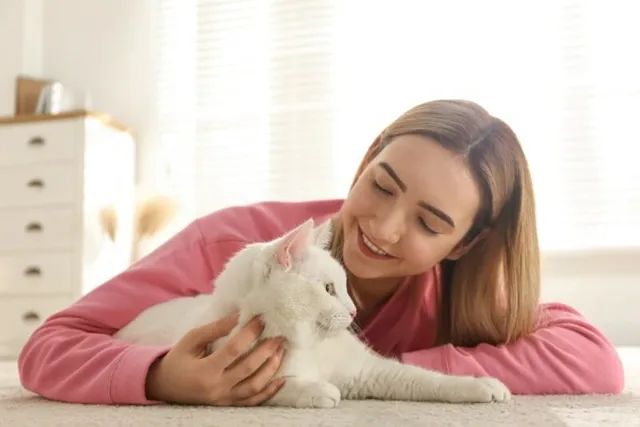
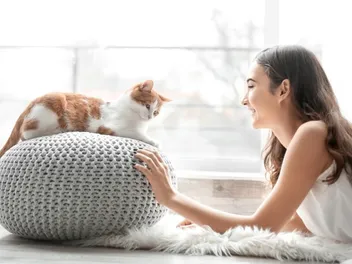
Cats have a reputation for being aloof and antisocial, but it isn’t entirely well-earned. Of course, some personalities will be more independent than others, but they all benefit from quality time with their owners. Social interaction and playtime are important for bonding, exercise, and mental stimulation, especially when they’re kittens.
Cats also benefit from being socialized early, just like dogs. Exposure to new people, situations, and other animals will make them more confident, well-adjusted, and content adults.

2. Organize Their Space
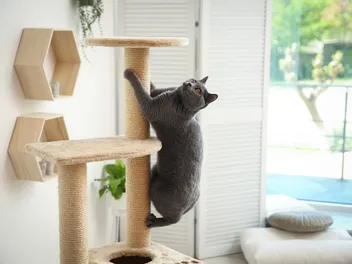
If you have a new cat, you can prepare their room before bringing them home. You should include a bed, litter box, food, and toys. Utilize your vertical space by getting a cat tree, shelves, or window mounts so your cat can climb. Once your cat is more accustomed to the environment, you can open up the room to the rest of the house.
3. Get a Scratching Post
Scratching is a natural behavior, just like climbing, and if you don't provide a scratching post, they might target your favorite chair. Cats scratch to mark their territory and to care for their nails. Your cat and furniture will thank you for investing in a scratching post.
The Hepper Hi-Lo Modern Cat Scratcher is a functional and stylish design that makes it the ultimate scratching spot for your cat – and a superhero in the battle against furniture destruction. Unlike most cat toys that end up being ignored, this one's a crowd-pleaser for both cats and their hoomans.
With its 3 configurations, thick textured cardboard, and solid birch plywood frame, it encourages your cat's natural scratching instincts, so they stay away from your precious furniture, rugs, and curtains, among all other things they shouldn't scratch. The Hi-Lo is like your home's mini guardian, keeping it safe while looking super sleek and trendy.
At Catster, we’ve admired Hepper for many years, and decided to take a controlling ownership interest, so that we could benefit from the outstanding designs of this cool cat company!
4. Purchase Fun Toys
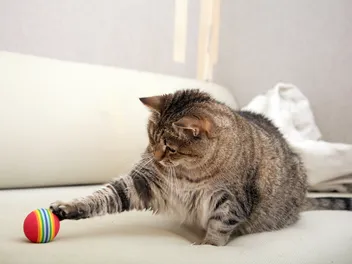
Some people assume that a pet cat is a couch potato who would rather nap in the sun. However, cats are instinctively active, and they need toys. A couch potato cat is typically one that’s bored due to lack of stimulation.
Getting your cat moving reduces the risk of arthritis, diabetes, and obesity.1 Exercise will also prevent your cat from becoming bored and allow them to express normal behaviors like stalking and pouncing.
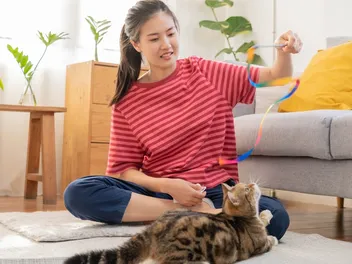
Playtime is a great way to encourage exercise but remember, cats can also be finicky, so you might need to try different toys to see what they like the most. You could try rotating the toys to keep them interested in playtime if they are easily bored.
5. Keep Their Litter Box Clean
This might seem obvious, but it makes a difference to your cat. It’s not the most pleasant of jobs, but it’s crucial; keeping your cat’s litter box clean is good for their health and makes it less likely that they will go to the bathroom in other, less appropriate places.
Cats are also creatures of habit, so try not to switch out the litter type or scents once you find one they like.

6. Choose a Veterinarian
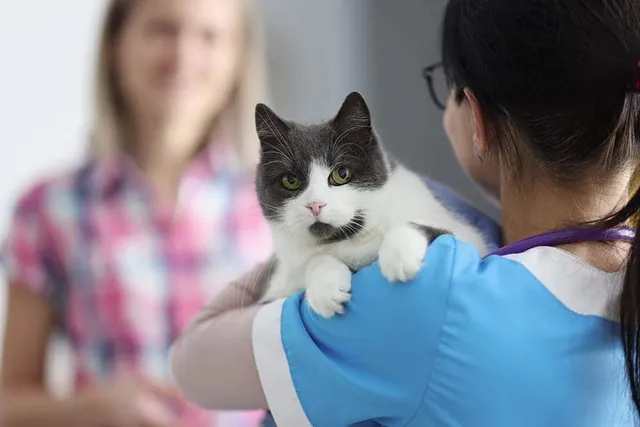
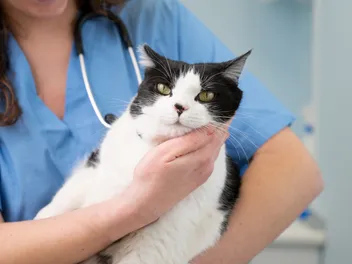
You will spend some time at the vet, even if your cat is perfectly healthy because you must attend routine exams and take them in for vaccinations. Establishing a good relationship with your vet is vital because you want to feel confident with the person who will be caring for your cat over the years!
If you’re unsure where to start, ask friends and family with pets which practice they are registered with. Once you’ve chosen a vet, schedule a wellness exam for your cat. Preventive care is always the best way to ensure your cat stays healthy and lives a long life.
7. Invest in High-Quality Food
Take your time to look at pet food reviews and ingredient lists. A good starting point is to look for brands approved by relevant regulatory authorities in your country. For example, in the US, look for an AAFCO-certified food option. Keep in mind that your cat’s nutritional needs will vary throughout their life, and therefore, nutrition is something you should periodically discuss with a veterinarian.
8. Spend Time Grooming Your Cat
Cats are clean, but that doesn’t mean they’re always completely self-sufficient, so owners must lend a hand to keep their coats healthy. Grooming removes loose hair, and prevents matting and tangling. Some cats need more grooming than others, especially long-haired breeds like Persians. Kittens are also typically messy eaters and may need help cleaning their face after a meal.
You can invest in a high-quality brush and nail clippers to groom your cat, but you can also get help from a professional groomer if your cat is reluctant to submit to a grooming routine. Your cat’s teeth will also need your attention; dental health is incredibly important for your cat’s overall health, and brushing your cat’s teeth regularly may help minimize the odds of some dental issues for your pet.
9. Get to Know Your Cat
Cats sometimes get a bad reputation for not loving their owners as much as dogs. However, cats have a different way of showing how they feel. Learn your cat’s love language to show them how much they mean to you.
Interpreting their body language and ocal cues will also help if something ever goes wrong; if your cat is acting aggressively out of the blue, you will notice because you know the behavior is unusual.
10. You Can Actually Train Your Cat
You’d be forgiven for thinking cats can't be trained, but that isn’t true. The key to training a cat is positive reinforcement, which means rewarding good behavior instead of punishing bad behavior. Your cat will quickly learn that good behavior yields treats, cuddles, or playtime, and once they do, they are more likely to behave how you want.
Conclusion
Although cats are perceived as more independent than canines and often follow their own rules, they need our help and love to stay happy and healthy. Whether they’re friendly, vocal, and energetic or reserved, lazy, and silent, they require more than food and shelter. Cat owners should play with their cats, groom them, and keep their environment clean to ensure they live long lives.
If you’ve never cared for a feline before, it may seem like there’s a lot to remember, but it doesn’t take long to establish a care routine with your pet. You may make a few mistakes along the way, but that’s okay. Cats are usually more patient than humans, and you’ll quickly learn to adjust to your cat’s preferences and needs.
See also: Tips for Being a Good Cat Foster Parent
Sources
Featured Image Credit: New Africa, Shutterstock
Expert cat care, straight to your inbox
News, insights, and useful advice, delivered to you.

No spam — unsubscribe anytime.
By signing up, you agree to our Terms & Conditions and Privacy & Cookies Policy.
How useful was this post?
Click a star to rate. You can leave written feedback afterwards. (We read all feedback.)
Kerry-Ann lives in Scotland and would love to have a bigger garden so she could have her very own Highland cow. But her dogs probably wouldn’t like that idea very much. She has a La Chon called Harry who was sick with a liver shunt when he was a puppy. It wasn't likely he would make it into adulthood, which was difficult to comprehend, but he beat the odds and is a healthy old man now. She also has a Pug called Maddie who is a big foodie. She’s small, sassy, and every day she finds a new way to wind her brother up.
When she isn’t writing you can find Kerry-Ann going for long walks when it isn't raining, reading, or watching cartoons. She would one day like to be a tourist in her own country and travel through the Highlands with her family.