The Silent Health Problem Vets Say Most Cat Owners Never See Coming


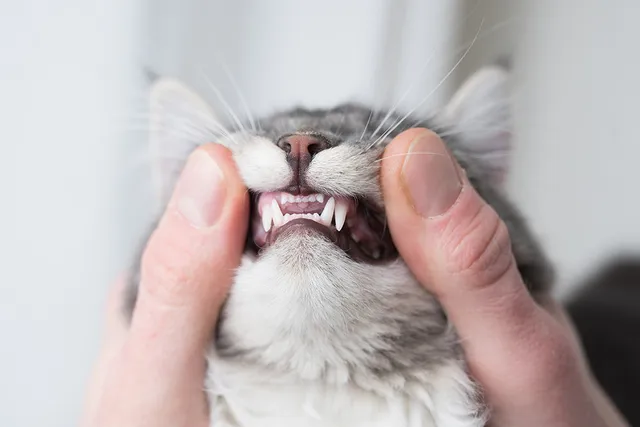
Dental disease is one of the most common health problems seen by vets, yet it's also one of the easiest to overlook. Cats are particularly good at hiding discomfort, so a cat with painful teeth or inflamed gums may carry on behaving normally for a surprisingly long time.
By the time obvious signs appear, the problem may already have been developing for months or even longer, and suddenly a minor issue is a major disaster. The good news is that dental disease is largely preventable, and keeping a cat's teeth healthy doesn't necessarily mean relying on a toothbrush alone.
Why Dental Disease Develops
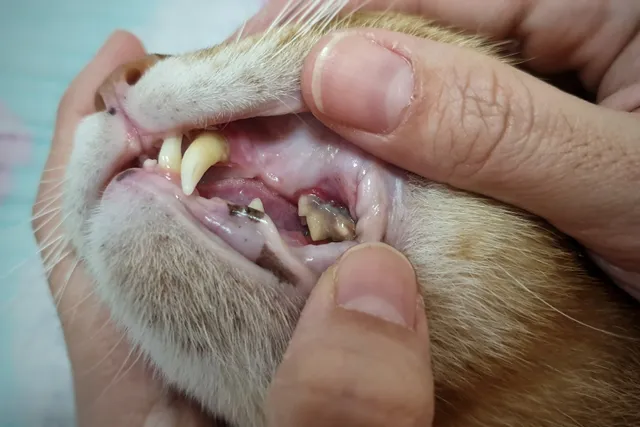
Plaque is where the problem begins. It forms when bacteria mix with saliva and food particles on the surface of the teeth. If plaque isn't removed, it can harden into tartar – aka calculus – within days.
Tartar leads to inflammation of the gums, a condition known as gingivitis. This can progress to periodontitis, an infection involving the tooth root, weakening the attachment between the gum and the tooth, and eroding enamel. Eventually, the tooth starts breaking down from the inside.
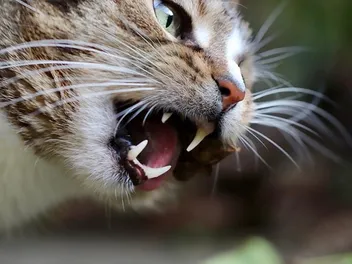
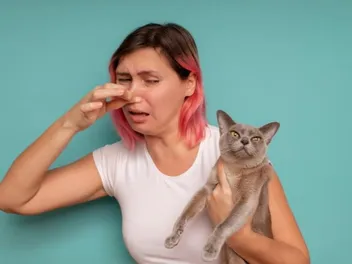
These conditions can all be painful. A cat with advanced dental disease may drool, paw at its mouth, drop food while eating, or stop eating altogether. Bad breath, bloody saliva, teeth chattering, and even sneezing can also be warning signs.
Unfortunately, cats don't always make their discomfort obvious, which is why prevention is so important.

Brushing Is The Most Effective Prevention
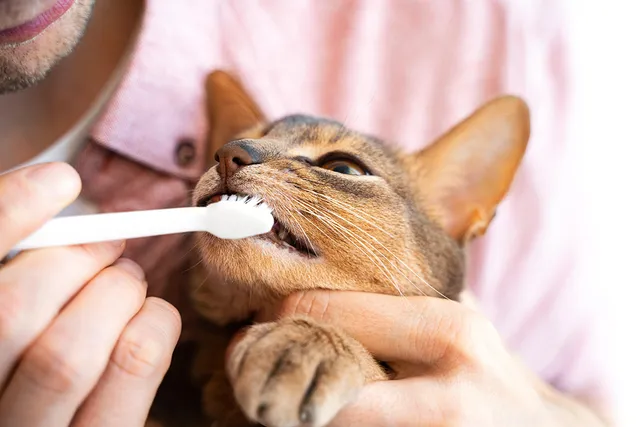
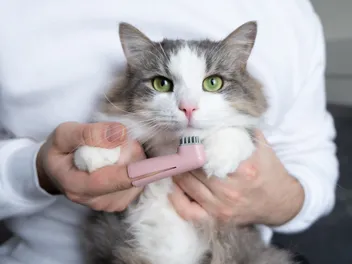
Regular toothbrushing remains the most effective way to prevent dental disease in cats. Daily brushing removes plaque before it has the chance to harden into tartar and tackles one of the main causes of dental problems.
A toothbrush or finger brush designed for cats should be used with toothpaste specifically formulated for felines. Human toothpaste contains ingredients that can be harmful if swallowed.
It's much easier to establish the habit when a cat is young, making it an enjoyable, even fun part of their routine. Older cats can learn too, although a slow approach with plenty of positive reinforcement gives the best chance of success.
Even brushing every few days is better than not brushing at all, although daily brushing provides the greatest benefit.
For cats that aren’t tolerating a brush, dental wipes can be a good option.
Dental Diets, Treats, and Supplements
For cats that won't tolerate brushing, dental diets and treats can provide another option. Dental dry foods contain ingredients and have a texture that are designed to help reduce plaque formation. The limitation is that not every cat actually chews its food. Some cats swallow their food with very little chewing, which reduces the potential benefit.
When choosing dental products, the Veterinary Oral Health Council seal is a useful indicator of effectiveness. Products carrying the VOHC seal have been independently tested and shown to reduce plaque or tartar.
Prescription dental diets are also available through veterinarians. They typically use oversized kibble designed to encourage more contact with the teeth during chewing and may be worth considering for cats with a history of dental problems.
Dental treats and chews have a similar action to dental diets, but are often made from more palatable ingredients to encourage cats to chew them. As a result, they can be quite high in calories, so make sure you include them in your cat’s daily allowance.
More recently, powders containing brown algae or seaweed have been showing promising results in the fight against tartar formation, but some cats aren’t keen on the taste.

Oral Rinses
Oral rinses offer another preventative option for cats that resist brushing and aren't suitable for dietary changes. They can be applied using gauze or a soft cloth and work by chemically reducing plaque and tartar before they build up.
The VOHC seal can again help when choosing between products. A veterinarian can also recommend an appropriate rinse for an individual cat.
Water Additives
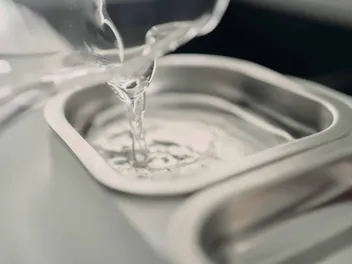
Water additives are one of the easiest dental care options because they are simply added to a cat's drinking water. They work by helping inhibit plaque formation.
There are some important limitations, however. A cat that doesn't drink enough water may not receive much benefit, while some additives can change the smell or taste of the water enough that a cat avoids drinking it.
A VOHC-approved water additive can be a useful addition to a broader dental care routine, but it is unlikely to be enough on its own.

Plaque Prevention Gel
Plaque prevention gels are often used after a professional dental cleaning. They can help protect newly cleaned teeth and extend the time before another cleaning is needed.
Veterinarians commonly recommend these gels as a follow-up to professional dental treatment rather than as a standalone daily solution. Any instructions about feeding and drinking after application should be followed carefully.
Professional Dental Cleaning
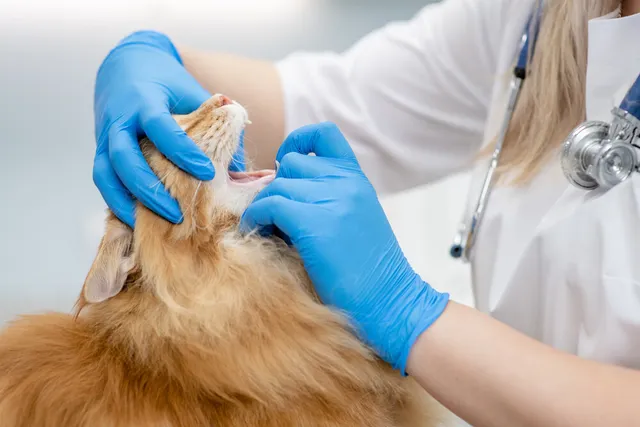
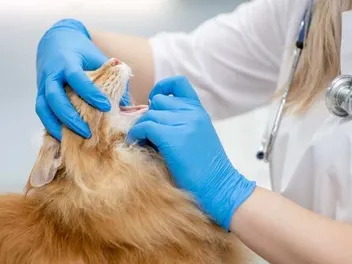
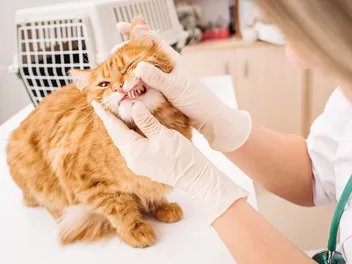
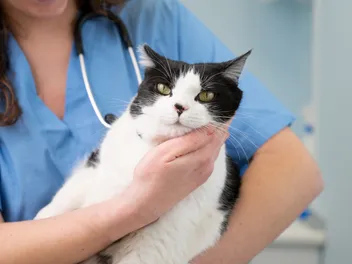
Even cats receiving regular dental care at home may eventually need a professional cleaning. This is performed under general anesthesia, allowing the veterinarian to clean below the gum line, examine each tooth closely, take dental X-rays when necessary, and identify teeth that need to be removed.
The need for anesthesia can understandably concern some owners, but untreated dental disease can lead to chronic pain, infection, and systemic illness.
Senior cats and cats with a history of dental problems may also need their teeth assessed more frequently than during a standard annual examination. Finding problems early generally means treatment can be simpler and less invasive.

Beware of ‘Anesthetic-Free’ Dentals
There has been a rise in the number of businesses offering dentals without anesthesia, at a price much lower than a dental procedure with your vet. While the idea of a cheaper dental cleaning without the worry of your cat going under anesthetic is appealing, the most significant periodontal disease happens below the gumline. Cats in particular are susceptible to a painful condition known as feline oral resorptive lesions (FORLs), in which the tooth slowly dissolves. FORLs can develop in completely clean teeth. They often form in the roots and need to be diagnosed using dental x-ray.
A cat’s teeth may look clean after an anesthetic-free dental, but there could be painful problems going on beneath the surface.
Staying Ahead Of Dental Disease
Dental disease isn't inevitable, but preventing it requires more than waiting for obvious symptoms to appear. Cats can hide dental pain remarkably well, meaning a seemingly healthy mouth may already have problems developing beneath the surface.
Regular brushing is the most effective option, but dental diets, treats, rinses, water additives, and professional cleaning can all play a role. The right combination will depend on the individual cat and how well they tolerate each approach.
Keeping on top of dental care can help prevent painful problems from becoming something a cat has to quietly live with for years.
Featured Image Credit: Norman Chan, Shutterstock
Did You Know?
- Our brand-new posts are rounded up and included in our weekly emails. Don't miss out on the latest - sign up for our newsletter below!

Expert cat care, straight to your inbox
Vet-reviewed advice, behavior tips, and the best of Catster. Free, and you can unsubscribe anytime.
By signing up, you agree to our Terms & Conditions and Privacy & Cookies Policy.
Dan has been working in the pet world for over 4 years covering cats, dogs, and all other pets in between. He loves helping pet parents keep their companions happy, healthy, and of course, totally spoiled! Originally from London, Dan now travels and works remotely, which unfortunately means no pets at home, but it gives him plenty of opportunities to fuss over other people's furry friends.
Join the conversation
Ask a question, share your story, or send private feedback.