The Health Issues That Are Easy to Miss in Senior Cats


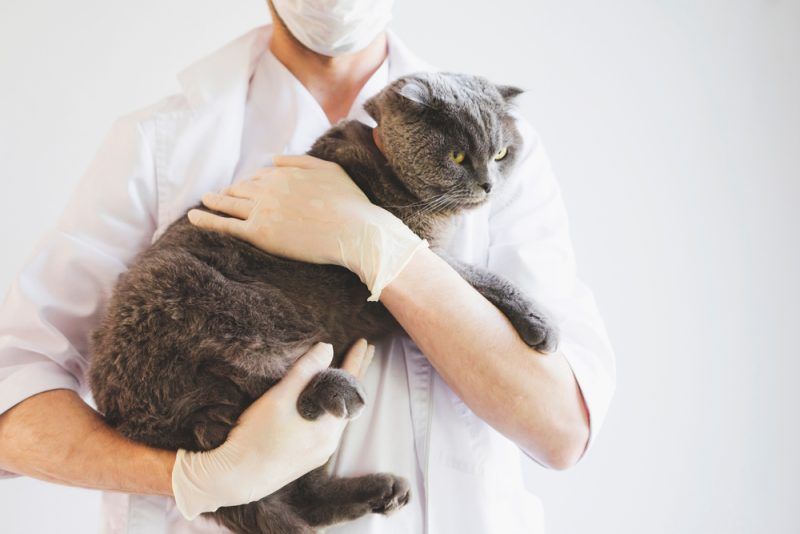
One of the most challenging parts of caring for cats is that they are incredibly talented at hiding when something is wrong, which can make health problems especially difficult to spot as they get older. A senior cat may seem perfectly normal while a condition is quietly developing.
Some illnesses become more common with age, from kidney problems and arthritis to dental disease and diabetes. Knowing what to look out for can make it easier to recognize when a change in an older cat's behavior or appearance deserves a closer look.
Let’s take a look at some of the more common senior feline health issues, and how to spot them.
Hyperthyroidism Can Change A Cat's Behavior
Hyperthyroidism is common in older cats and can cause noticeable changes in the way a cat looks and behaves.
A cat with the condition may lose weight despite eating more than usual. Some become more active, restless, or agitated. Others may drink more water, vomit, or have other digestive problems.
This condition is readily diagnosed with a blood test at the vet, and there are multiple treatment options. The right approach depends on the individual cat, but catching it early and quality treatment can help control the problem and improve quality of life.

Kidney Problems Can Develop Quietly
Kidney disease is another common concern for older cats. It can be difficult to spot at first because the changes may happen gradually.
As the condition progresses, a cat may start drinking and urinating more than usual. Weight loss, poor appetite, tiredness, and an unkempt appearance can also be clues that something is wrong.
Kidney disease cannot be cured, but it can often be managed. Treatment and diet changes can help support kidney function and keep affected cats comfortable.
Weight Gain Can Become A Problem
Older cats often become less active, which can make it easier for them to gain weight.
Carrying extra weight can create additional problems, particularly if a cat is already struggling with stiff or painful joints.
Obesity can also increase the risk of diabetes and urinary tract disease.
Keeping an older cat at a healthy weight can therefore be an important part of looking after their overall health. If an older cat needs to lose weight, it should happen gradually and with veterinary guidance.
Dental Problems Can Be Painful
Dental disease is easy to overlook because cats are very good at hiding discomfort. A cat can have painful teeth or gums while continuing to eat and behave relatively normally.
Problems can include inflamed gums, damaged teeth, and other painful conditions inside the mouth and under the gumline.
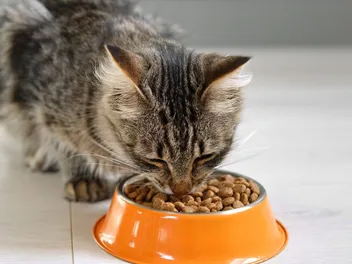
Regular veterinary checks can help identify dental problems before they become more serious. If a cat's eating habits or behavior around food suddenly changes, the mouth is one area worth having checked.

Arthritis Isn't Always Obvious
Stiff or painful joints are extremely common in older cats, but arthritis does not always look the way people expect.
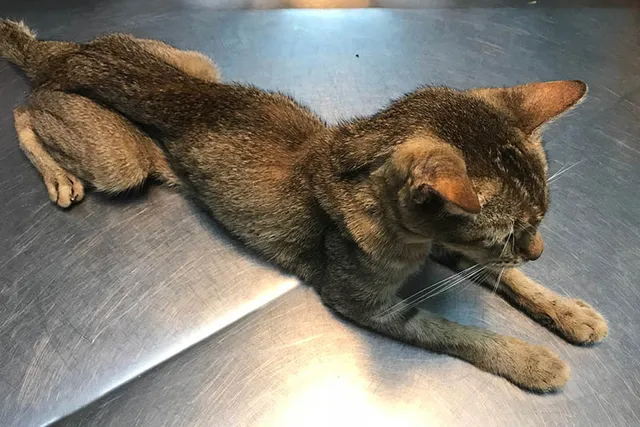
A cat may not limp or cry out in pain. Instead, it might stop jumping onto favorite spots, move around less, hesitate before using stairs, or simply spend more time resting. You might notice their back legs looking thinner, or they might even have trouble or avoid getting into the right position to poop.
Because cats naturally sleep and rest a lot, these changes can be easy to dismiss as normal aging. Arthritis can be managed, though, and getting help can make an older cat considerably more comfortable.
Cancer Risks Increase With Age
Cancer becomes a greater concern as cats age. There are several different types, and the signs can vary considerably.
Unexplained weight loss, lethargy, or digestive issues can sometimes be warning signs. Any new lump or growth should also be checked by a veterinarian rather than simply assumed to be part of getting older.
Depending on the type and location, some cancers can be tackled with surgery or other treatments.
Diabetes Causes Increased Thirst
Diabetes is another condition that can affect older cats, particularly those carrying excess weight.
One of the most noticeable signs is drinking and urinating more than usual. Weight loss can also occur, and some cats may develop weakness or other changes in the way they move.
Diabetes can be managed with veterinary care, dietary changes, and treatment. In some cases, cats can even go into remission, so it’s worth getting on top of it early.

Heart Disease Can Be a Silent Killer
Heart disease can be particularly difficult to recognize because a cat may show very few signs in the early stages.
Some cats do not develop obvious symptoms until the condition becomes serious. Changes in breathing, particularly faster or more difficult breathing, can be a warning sign that needs prompt veterinary attention.
A veterinarian can perform the necessary checks to determine whether heart disease is present and what treatment may be appropriate, so annual health checks are a good idea, even for cats that seem to be healthy.
Older Cats Benefit From Regular Checkups
Getting older does not automatically mean a cat is unhealthy. However, regular veterinary checkups become increasingly important because many age-related conditions can develop without obvious warning signs.
In fact, a recent study found clinically significant abnormalities in over 100 senior cats that were believed to be healthy by their owners.
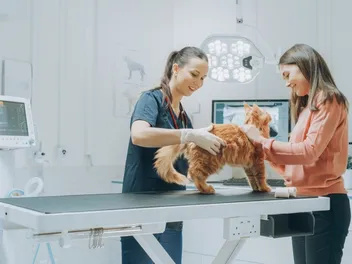
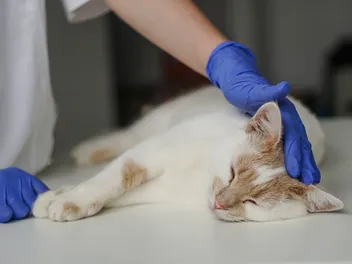
Routine examinations can allow a veterinarian to spot changes that might otherwise go unnoticed. Blood and urine tests can also help identify some health problems before they progress.
For cat owners, the most important thing is to pay attention to changes that might seem small. Drinking more, losing weight, becoming less active, grooming less, or avoiding favorite places can all be reasons to take a closer look.
Aging is a normal part of life, but health problems do not have to be accepted as simply part of getting older. Keeping an eye on an older cat and staying on top of regular veterinary care can help catch problems sooner and keep those later years as comfortable as possible.
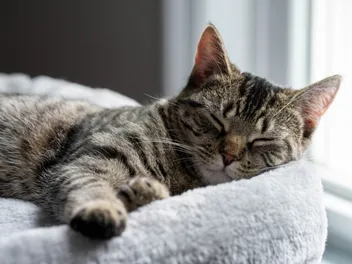
Featured Image Credit: Alice Rodnova, Shutterstock
Did You Know?
- Our brand-new posts are rounded up and included in our weekly emails. Don't miss out on the latest - sign up for our newsletter below!
Expert cat care, straight to your inbox
News, insights, and useful advice, delivered to you.

No spam — unsubscribe anytime.
By signing up, you agree to our Terms & Conditions and Privacy & Cookies Policy.
How useful was this post?
Click a star to rate. You can leave written feedback afterwards. (We read all feedback.)
Dan has been working in the pet world for over 4 years covering cats, dogs, and all other pets in between. He loves helping pet parents keep their companions happy, healthy, and of course, totally spoiled! Originally from London, Dan now travels and works remotely, which unfortunately means no pets at home, but it gives him plenty of opportunities to fuss over other people's furry friends.