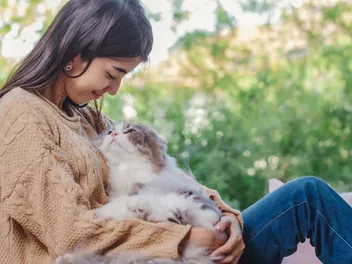
What Normal Aging Looks Like in Cats and When You Should Worry

These days, cats can live anywhere from 13 to 17 years on average, with some making it well into their 20s. That is a long life, with considerable changes affecting the body along the way. While some of those changes are completely normal – the feline equivalent of going a little gray – others can be early signals of something more serious.
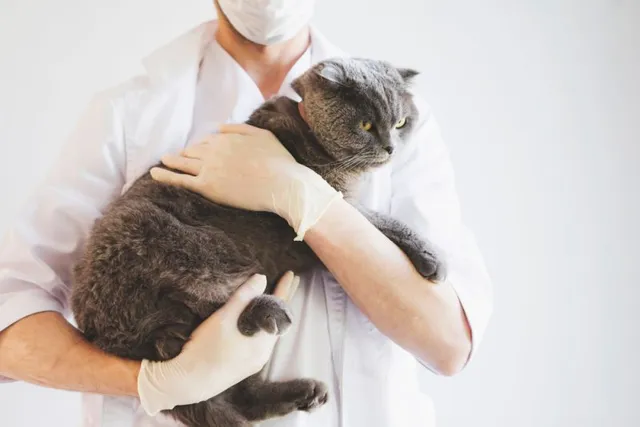
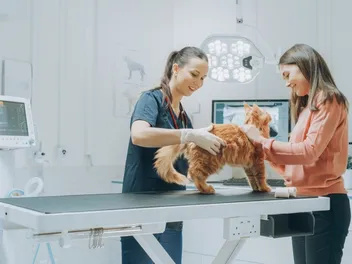
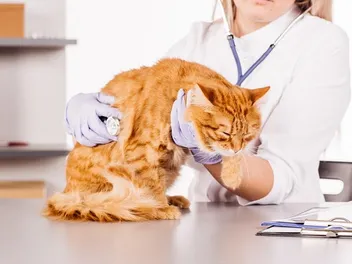
This is one of the reasons vets recommend twice-yearly wellness checkups for senior cats, typically defined as those aged 10 and older, because conditions caught early are almost always easier to manage. For pet parents, knowing the difference between normal ageing and signs of an emerging health crisis is one of the most useful things a cat owner can learn.
Here are some signs to expect as cats age and warning signs to watch for.
What Normal Aging Looks Like
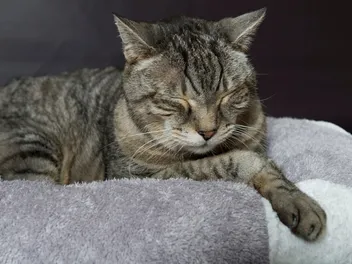
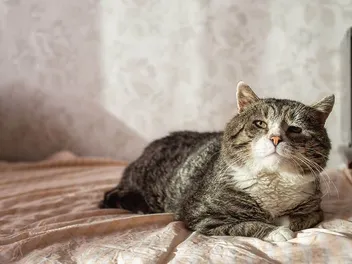
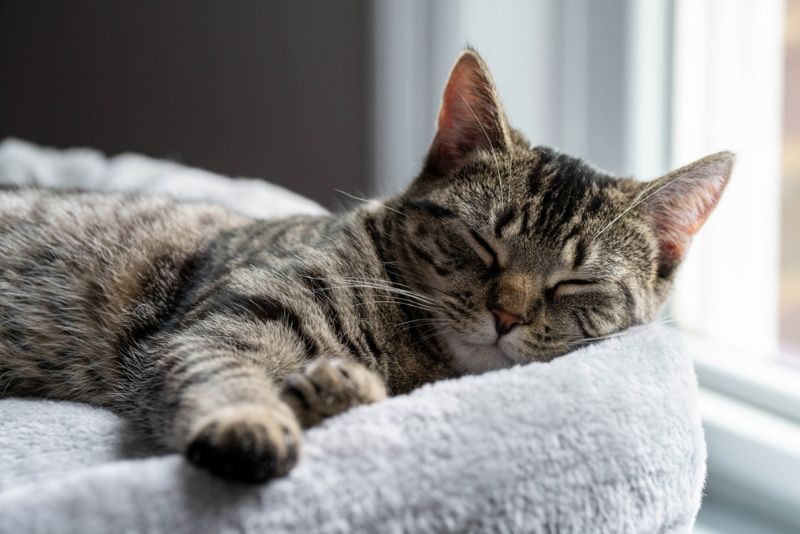
The most immediately noticeable change in older cats is a drop in energy. Most seniors sleep more, move more slowly, and show less interest in play than they did in their younger years. Cats can also become unusually deep sleepers as they age, which is partly explained by sensory decline. Hearing and vision naturally diminish over time, and cats that are not picking up on sounds or movement as readily as they once did tend to rest more deeply and startle more easily.
Gradual vision loss, in particular, can be easy to miss. Cats are highly adaptable and tend to compensate quietly, navigating familiar spaces from memory rather than sight. Owners often only notice something has changed when the cat starts bumping into furniture that has been moved or seems confused in a new environment.
NOTE: Sudden vision changes are different from the gradual decline that comes with normal aging and should always be seen by a vet promptly. High blood pressure, which can itself be caused by kidney disease or thyroid problems, is a known cause of sudden blindness in cats.

Grooming is another area that shifts with age. Older cats groom themselves less thoroughly, which means coats can become dull, matted, or unkempt, and claws can end up overgrown and dirty.
And then there is patience, or more specifically, the lack thereof. Senior cats are often less tolerant than younger ones, and waking an older cat from a nap is generally ill-advised! Most senior cats have no interest in sharing space with energetic kittens, noisy pups, or unruly children. This is fairly normal; however, it can also be an indication that aches and pains are starting to creep up.
When To Call The Vet
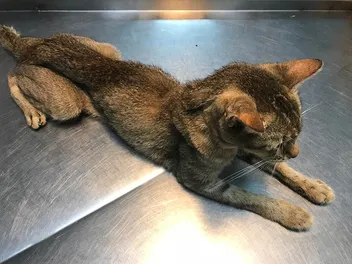
Alongside the expected changes associated with ageing are a number of symptoms that can indicate underlying illness. Several conditions are particularly common in senior cats, including hyperthyroidism, chronic kidney disease, diabetes, arthritis, dental disease, cognitive decline, high blood pressure, heart disease, and cancer. Many of these conditions share overlapping symptoms, which can make them easy to miss or misread.
Excessive thirst and increased urination are worth taking seriously. While older cats do benefit from staying well-hydrated, drinking noticeably more than usual is a known symptom of diabetes, kidney disease, and hyperthyroidism. These conditions are also often accompanied by weight loss, changes in appetite, and gastrointestinal symptoms.
Weight loss is also seen in several other senior cat illnesses, including cancer and dental disease, and should not simply be dismissed as a normal sign of ageing.

Changes in appetite, whether eating more or less than usual, can be helpful clues to invisible health issues. Cats with overactive thyroids often eat well but continue to lose weight, while cats dealing with dental disease or kidney problems may stop eating altogether.
Dental disease is extremely common in cats and highly underestimated by pet parents. Signs include difficulty chewing, dropping food while eating, excessive salivation, smelly breath, and shying away from the food bowl. Left untreated, dental disease can have an insidious and significant impact on a cat’s quality of life.
Mobility problems are another red flag. A cat that hesitates before jumping, avoids stairs, or stops using the litter box may be dealing with arthritis. Arthritic cats often become less active simply because movement is painful, and they may react defensively when the affected joints are touched. Cats with arthritis in their hips and lower spine can also develop constipation when it becomes difficult or painful for them to adopt the appropriate position for passing feces.
Cognitive decline, also referred to as feline cognitive dysfunction syndrome (FCDS), is becoming a more recognized condition in older cats. Cats experiencing FCDS may yowl without an obvious cause, seem disoriented in familiar spaces, eliminate inappropriately, or become active and restless at night when they would normally be settled.

The Importance Of Regular Check-Ups
Senior cats benefit from consistent veterinary checkups, ideally twice a year rather than annually. Many of the conditions listed above are manageable when caught early, and cats are famously skilled at hiding discomfort. By the time a problem is obvious to an owner, it has often been developing for some time and is already quite advanced.
By understanding the normal changes seen in older cats, such as sleeping more, grooming less, and being less tolerant, we can better accommodate their needs, whilst being vigilant for the not-so-normal changes that are early warning signs of health problems, giving us a chance to get ahead of disease before it takes hold.
Featured Image Credit: Alex Di Stasi_Shutterstock
Did You Know?
- Our brand-new posts are rounded up and included in our weekly emails. Don't miss out on the latest - sign up for our newsletter below!

Expert cat care, straight to your inbox
Vet-reviewed advice, behavior tips, and the best of Catster. Free, and you can unsubscribe anytime.
By signing up, you agree to our Terms & Conditions and Privacy & Cookies Policy.
Dan has been working in the pet world for over 4 years covering cats, dogs, and all other pets in between. He loves helping pet parents keep their companions happy, healthy, and of course, totally spoiled! Originally from London, Dan now travels and works remotely, which unfortunately means no pets at home, but it gives him plenty of opportunities to fuss over other people's furry friends.
Join the conversation
Ask a question, share your story, or send private feedback.