Sudden Blindness in Cats: 4 Vet Approved Possible Causes and What to Do


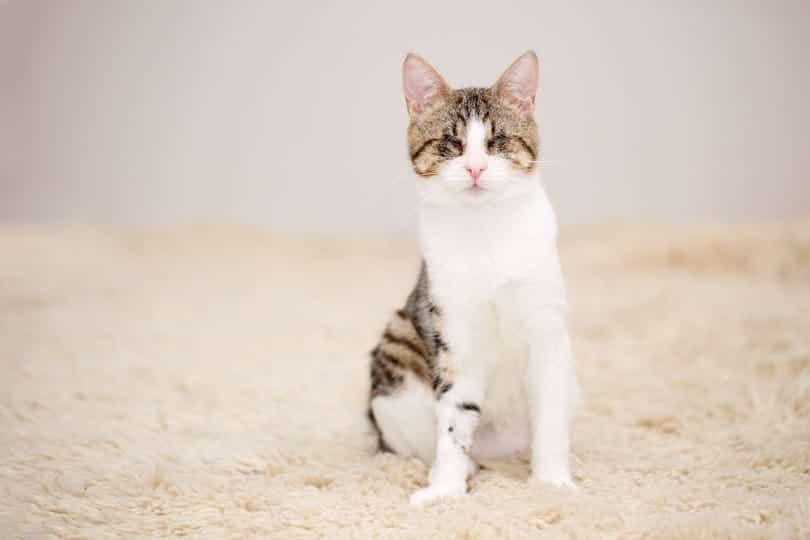
Cats are known for having great peripheral and night vision. They spot things like mice and flies much easier than we humans can. In general, a cat’s eyesight should stay healthy and strong throughout their life. However, things can happen and problems can arise that can threaten a cat’s eyesight.
Gradual eyesight loss is more common than sudden blindness in cats, but the latter is possible and does happen. There are many different reasons that a cat might suddenly go blind. Here are four possible causes of sudden blindness in cats that every cat owner should be aware of.

The 4 Causes for Sudden Blindness in Cats
1. Head Trauma
A traumatic injury to your cat’s head can be the cause of sudden blindness. A serious blow to the head can cause blindness in different ways, for example brain trauma or eye trauma. Fortunately, if caught early, the problem can be reversed with treatments, and your cat may be able to see again. It is usually obvious if your cat has sustained a head trauma as there may be other injuries or signs. Knowing the signs and symptoms of vision loss will also help you identify sight loss as a problem and get your cat to a vet before it’s too late for treatment. Signs to look for, especially after your cat gets into a fight or is hit on the head, include:
- Dilated pupils
- Reluctance to move around
- Wandering aimlessly
- Bumping into objects
If you notice any signs of vision problems, it’s important to schedule a checkup as soon as possible and take steps to ensure that your kitty cannot get hurt while trying to get around the house.
What to Do About It
Typically, specialist care or surgery is required in head trauma cases and the treatment will depend on the injury sustained. Eyesight regeneration is not guaranteed, but the sooner treatment takes place, the better chance that eyesight will return.
2. High Blood Pressure
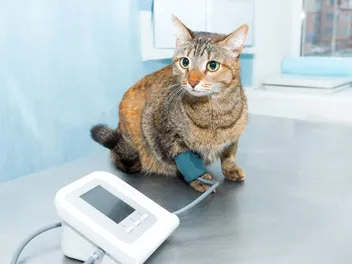
High blood pressure is a problem that can cause retinal detachment. This medical condition can cause the blood vessels in the retina to become damaged and can eventually make the retina detach. If your cat has high blood pressure that goes unchecked, there is a good chance that retinal detachment will happen at some point. Therefore, it is important to have your feline family member checked for high blood pressure regularly, especially as they get older.
What to Do About It
No matter the reason for retinal detachment, including high blood pressure, surgery may be the only treatment available that can help your cat regain their eyesight. Medications to reduce the blood pressure and treat the underlying disease, such as kidney failure, may also be needed. The best course of action is to be proactive and take steps to avoid the possibility of your cat developing high blood pressure. If the condition does develop, proper management should minimize the risk of retinal detachment.
3. Glaucoma
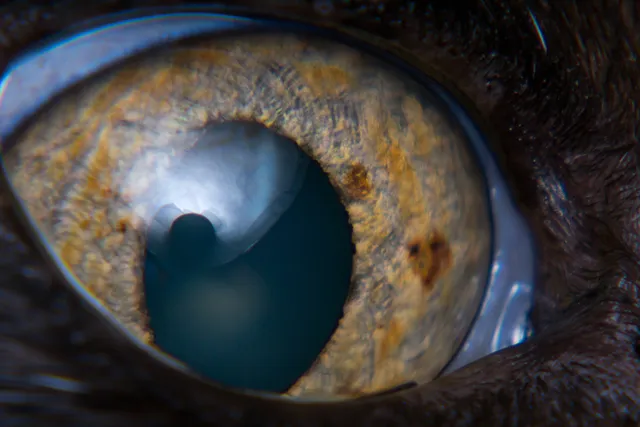
Glaucoma is a degenerative disease that causes excessive fluid to build up inside the eyeball. The fluid buildup can result in the eyeball hardening. When this happens, the retinal tissue starts to degenerate and can no longer perform properly. Therefore, eyesight becomes compromised, and a cat with this problem might wake up one day to find that they can no longer see at all.
What to Do About It
If left unchecked, glaucoma can cause irreversible vision loss and considerable discomfort. If the glaucoma is caught early enough, treatments can be utilized to reduce the fluid buildup in the eyeball and help reduce any lost vision. Long-term medication therapy may be required.

4. Tumors
If your cat suddenly loses their eyesight and a veterinarian cannot find an obvious cause, they will likely want to do a few tests to check for tumor growth within and around the eyes. Tumors typically result in slow vision loss, and it usually starts in just one eye. However, your cat may not show signs of vision loss until their vision is completely gone.
What to Do About It
Once a tumor is detected, there are a few treatment options that a veterinarian may suggest. It depends on the type of tumor, position, and patient factors such as age.
Conclusion
It can feel overwhelming to one day realize that your cat can no longer see anything. It’s important not to panic, but to schedule a visit with a veterinarian as soon as possible. Keep your kitty in a safe space that is familiar to them until you can see a vet and get expert guidance and advice.
Featured Image Credit: Mahlebashieva, Shutterstock
Expert cat care, straight to your inbox
News, insights, and useful advice, delivered to you.

No spam — unsubscribe anytime.
By signing up, you agree to our Terms & Conditions and Privacy & Cookies Policy.
How useful was this post?
Click a star to rate. You can leave written feedback afterwards. (We read all feedback.)
Rachael has been a freelance writer since 2000, in which time she has had an opportunity to research and write about many different topics while working to master the art of fusing high-quality content with effective content marketing strategies. She is an artist at heart and loves to read, paint, and make jewelry in her spare time. As a vegan, Rachael is obsessed with helping animals in need both in her community and anywhere in the world where she feels she can make a difference. Animals also happen to be her favorite topic to write about! She lives off the grid in Hawaii with her husband, her garden, and her rescue animals including 5 dogs, a cat, a goat, and dozens of chickens.