Why Does My Cat Eat So Fast? Vet-Approved Feline Facts & FAQ

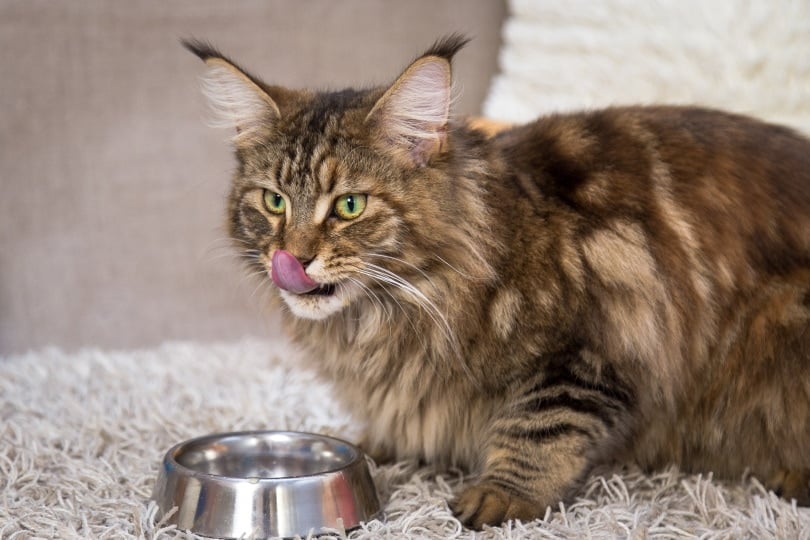
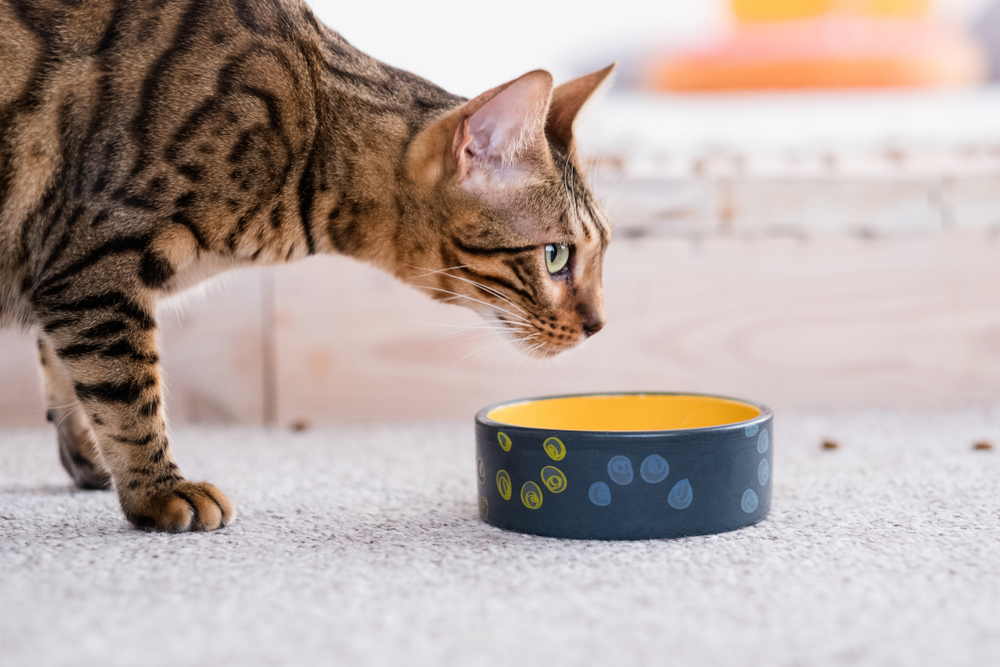
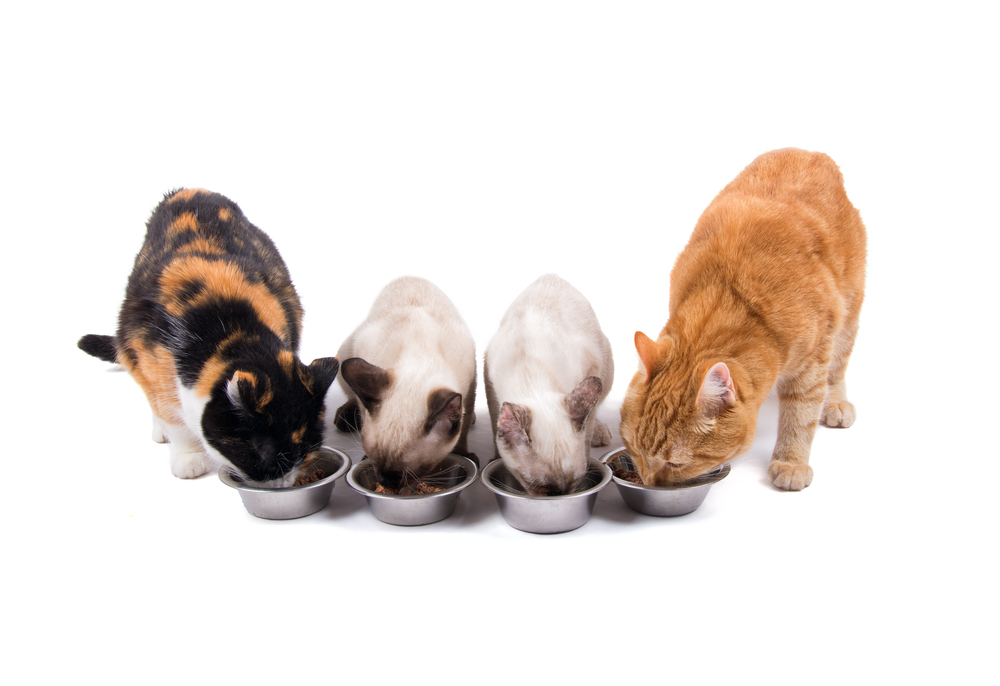
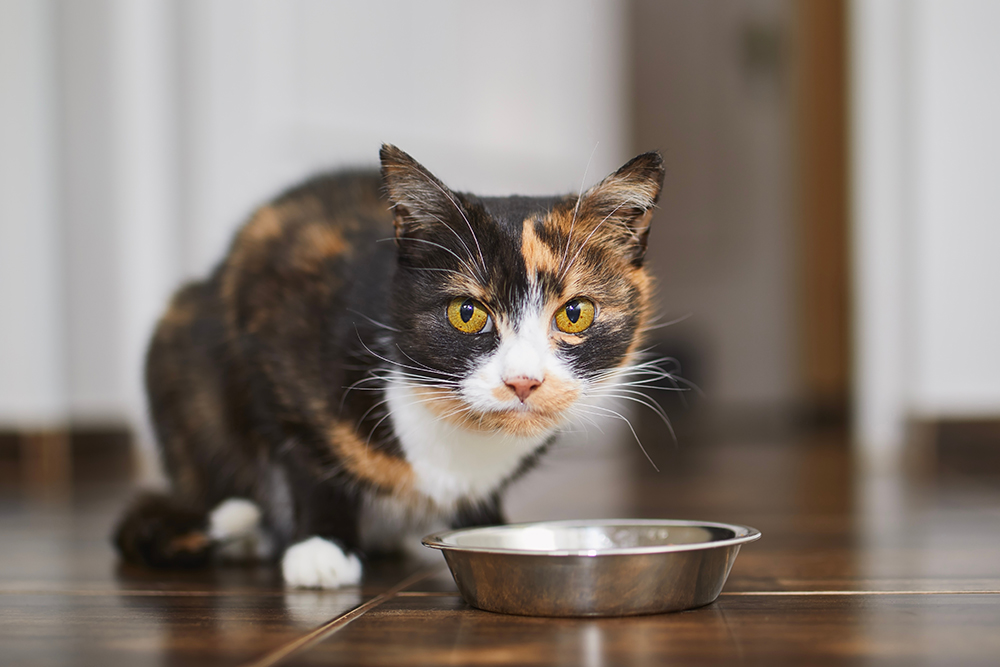
Do you ever watch your cat scarf down their food and wonder why they eat so fast? There might be a reason for their speedy eating habits—cats are hardwired to eat quickly to protect their food from predators. In the wild, cats need to be able to finish their meal before another animal can steal it, and their hunting instincts cause them to eat quickly even when they're not in danger.
Another reason is that cats are designed to eat small meals throughout the day, so by eating quickly, they can get more meals in. But this instinct can sometimes lead to problems like eating too fast and vomiting. In this article, we'll explore why cats eat so fast and offer some tips for helping them slow down.

Why Does My Cat Eat Really Fast Then Throw Up?
There can be a few reasons why a cat might eat quickly and then vomit. Some possible explanations include that the cat was overexcited about the food and ate too fast or had an upset stomach or indigestion from eating the food too fast. Occasionally, it might be that the cat was experiencing nausea from another ailment or illness. If your cat is eating and throwing up often, you should take them to the veterinarian to rule out any health issues.

Why Does Eating Quickly Cause My Cat to Regurgitate?
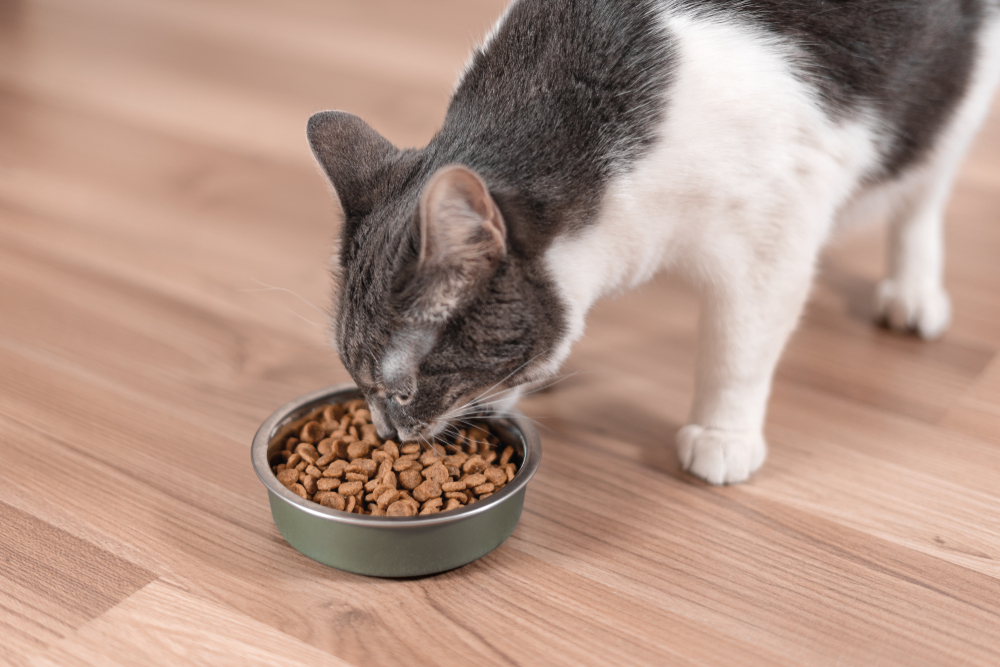
Too much food triggers your cat's reflex to regurgitate. This is most common when your cat eats dry cat food. Dry cat food swells after absorbing water. Inadvertently, your cat has eaten more than they intended. In response, their swollen belly notifies their brain that they have overeaten. The brain responds accordingly, and your cat's regurgitation reflex is triggered. This isn't quite the same thing as seeing your cat vomit, which can be more concerning. In this case, the food will not have been able to digest much. Still, if your pet regurgitates frequently or shows any additional signs of illness, such as weight loss, you should take them to the vet.
How Do I Get My Cat to Eat More Slowly?
There are a few ways that you can get your cat to eat more slowly. One way is to put their food in a slow-feeder bowl. This will make them eat more slowly because they have to move the food around in the bowl to get to it. Another way is to feed them smaller meals more often throughout the day instead of one large meal. This will also help them eat more slowly. You can also try training your cat to sit down and eat their food calmly.

Rearrange Your Cat's Food
One way to physically slow your cat down is to spread out the food. You can try using a baking pan instead of a regular cat bowl. Leaving a good amount of space between individual chunks of food forces your cat to pause between bites. Just this simple physical movement of a couple of inches can stop them from wolfing their meals. Slowing things down like this usually fixes the problem.
Put an Obstacle in the Way
Using an inedible obstacle in the cat bowl can provide an additional challenge if your cat is eating too quickly. You can use something too large for your cat to accidentally eat, but still something it can maneuver easily so it can still get to the food underneath. Golf balls and ping pong balls are both excellent choices. Your cat will have to push past this obstacle to get to each bite, which may slow them down a little more.

Should I Use an Automatic Cat Feeder?
There is no straight answer as to whether or not an automatic cat feeder is right for you and your pet. Automatic feeders can be a great way to ensure your cat has regular access to food, especially if you're often away from home or have a busy schedule. They can also help cats who are prone to weight gain or who have problems regulating their eating habits. Some automatic cat feeders can be set up to release food on a schedule and feed small portions frequently, which keeps many cats from becoming overly hungry. If a feeling of being starved between big meals is what drives your cat to stuff themselves, small, frequent meals may work better for them.
Should I Try a Puzzle Feeder?
Some people believe that puzzles are a great way to keep cats eating slowly and mentally stimulated, while others feel that they can be frustrating and stressful for cats. Ultimately, it is up to the individual cat owner to decide whether or not they think their cat would enjoy a puzzle feeder. If you are unsure, you can always start out by trying a simple puzzle feeder and see how your cat reacts.

Why Does My Cat Eat Like They're Starving?
One reason may be that they are actually hungry and need to eat more to maintain their energy levels. Some health conditions can cause excessive appetite in your cat, called polyphagia. The main health issues are diabetes, hyperthyroidism, and intestinal problems, including cancer.
Another reason may be that the cat is stressed or bored, and this is a way for them to cope with those feelings. Additionally, some cats may simply enjoy the sensation of eating and feel rewarded by it, even if they're not actually hungry. If you're concerned that your cat is eating too much or too little, consult a veterinarian for advice.
Why Does My Cat Eat So Aggressively?
Cats may simply enjoy the sensation of biting and chewing, while others may be trying to express their dominance over their territory, other pets, or family members. Some underlying medical conditions, such as dental problems or a lack of essential nutrients in their diet, can also cause cats to become more aggressive eaters.

What Should I Do When My Cat Is Obsessed With Food?
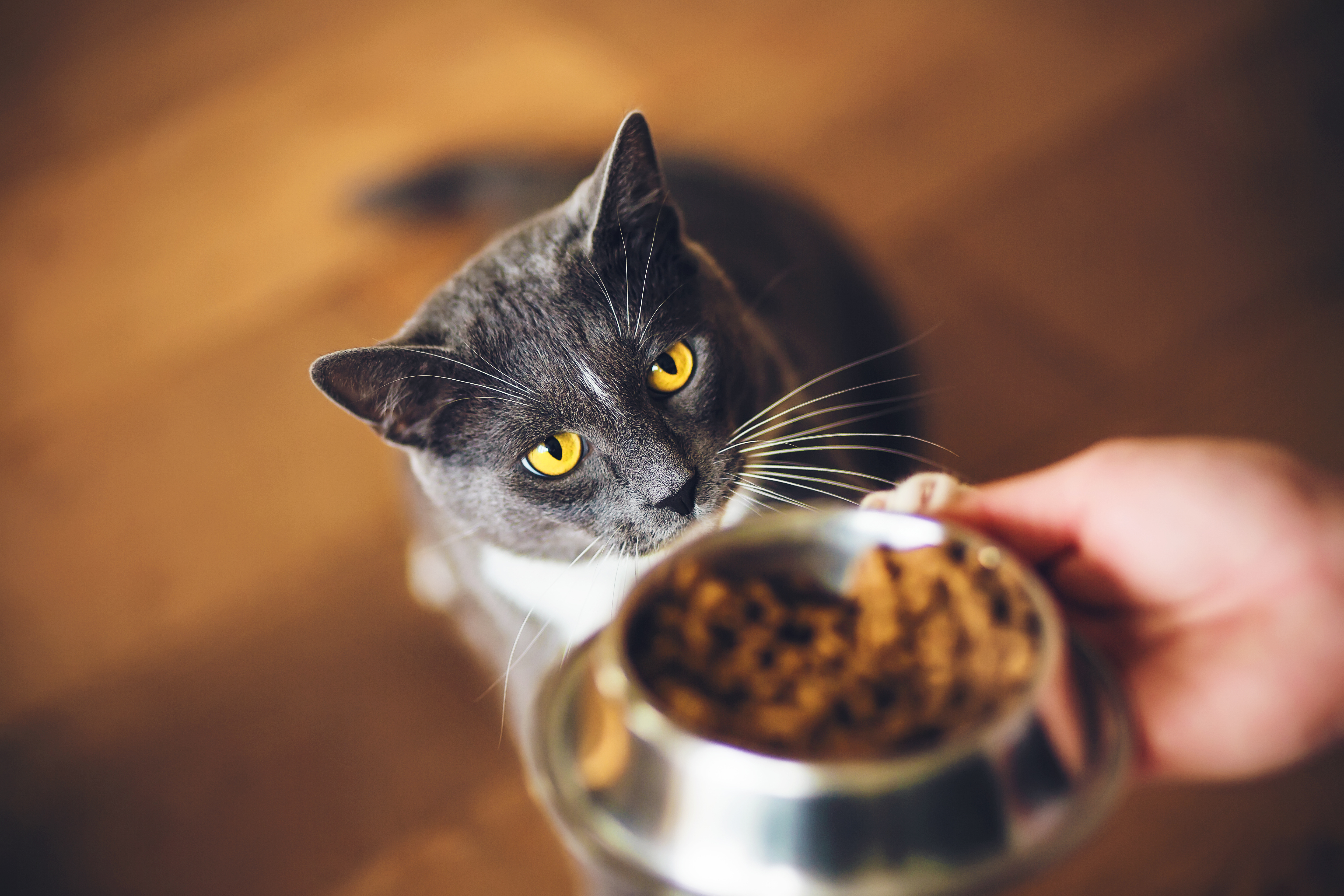
When a cat becomes obsessed with food, it can be a sign that something is wrong. Usually, this means that the cat is not getting enough to eat or that it has a medical condition that is causing it to feel hungry all the time. If your cat is constantly begging for food, try to figure out why its eating habits have changed. If the cat is overweight, you may need to adjust its diet and make sure it is getting enough exercise.
The most common nutritional disorder among domestic cats is obesity. An overweight or obese cat generally weighs 20% or more above their normal weight. The signs of an overweight cat are obvious and should be handled as soon as possible when noticed.
How Do I Know If My Cat Is Hungry Or Greedy?
When it comes to feline nutrition, there is a lot of debate surrounding how much food cats actually need. Some people believe that cats are naturally inclined to be greedy and will overeat if they are given the opportunity, while others claim that cats only eat what they need in order to survive. The truth is that both of these statements can be true depending on the individual cat.
The appropriate amount of food to feed a cat depends on a variety of factors, including the cat's age, weight, activity level, and diet. Generally speaking, an average adult, healthy, 10-pound (4.5-kilogram) cat requires around 240–270 calories per day, although this number can vary depending on the individual cat. Owners should consult with their veterinarian to develop a feeding plan that is best suited for their cat.

What Is Psychogenic Abnormal Feeding Behavior In Cats?
Psychogenic abnormal feeding behavior in cats is a condition in which the cat exhibits abnormal behaviors while eating, usually eating too, too fast, and obsessively. The cause of this condition is unknown, but it is believed to be related to psychological factors, such as stress or anxiety. Treatment typically involves behavioral therapy and medication to help reduce the psychological factors that are contributing to abnormal feeding behavior.
Conclusion
There are many reasons why some cats may eat more quickly than others. While some of these reasons are health-related, others may be behavioral; some of these reasons may be due to instinct, while others may be caused by anxiety or a lack of nutrients. If your cat is eating too quickly, it is important to consult with a veterinarian to rule out any health concerns. By understanding your cat's behavior, you can help create a feeding routine that is best for them.
Featured Image Credit: Lita Keire, Shutterstock

Expert cat care, straight to your inbox
Vet-reviewed advice, behavior tips, and the best of Catster. Free, and you can unsubscribe anytime.
By signing up, you agree to our Terms & Conditions and Privacy & Cookies Policy.
Christian started writing for a local newspaper as a teenager, and he's been involved in the publishing industry for most of his adult life. Combining his love of writing with a passion for animals, he is currently the Director of Editorial at Pangolia and the Editor-in-Chief at Catster.
Christian lives in the Philippines with his wife, son, and four rescue cats: Trixie, Chloe, Sparky, and Chopper.
Join the conversation
Ask a question, share your story, or send private feedback.