Get

In Your Inbox

Catster is reader-supported. When you buy via links on our site, we may earn an affiliate commission at no cost to you. Learn more.

Can Cats Cause Asthma in Kids or Adults? Vet-Reviewed Facts & FAQ


Share

Young boy with inhaler for asthma

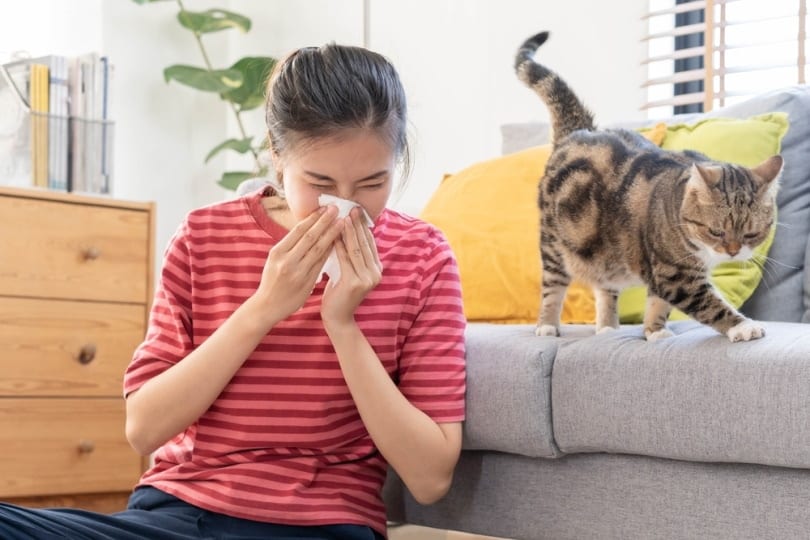
Cats are cute and cuddly, but they can also be the cause of discomfort for many people who suffer from allergies. Cats are thought to affect people who have asthma. Some people even think that cats can cause asthma in children and adults. So, is there any truth to this? Studies have been conducted that can help us understand the answer to this question, as the topic is too in-depth to offer a simple yes or no explanation. Here is everything that you should know about whether cats cause asthma in kids and adults and how asthma can affect the relationship between humans and cats. Cats do not usually cause asthma in kids or adults, but they can exacerbate symptoms.

divider cats oct 2024

Cats and Asthma in Children

While it was once believed that cats could play a role in the development of asthma in children, studies tell a different story. The National Institutes of Health supports a study that discovered that infants who are exposed to cat allergens at high levels develop protection against developing asthma as they get older. However, there is one exception.

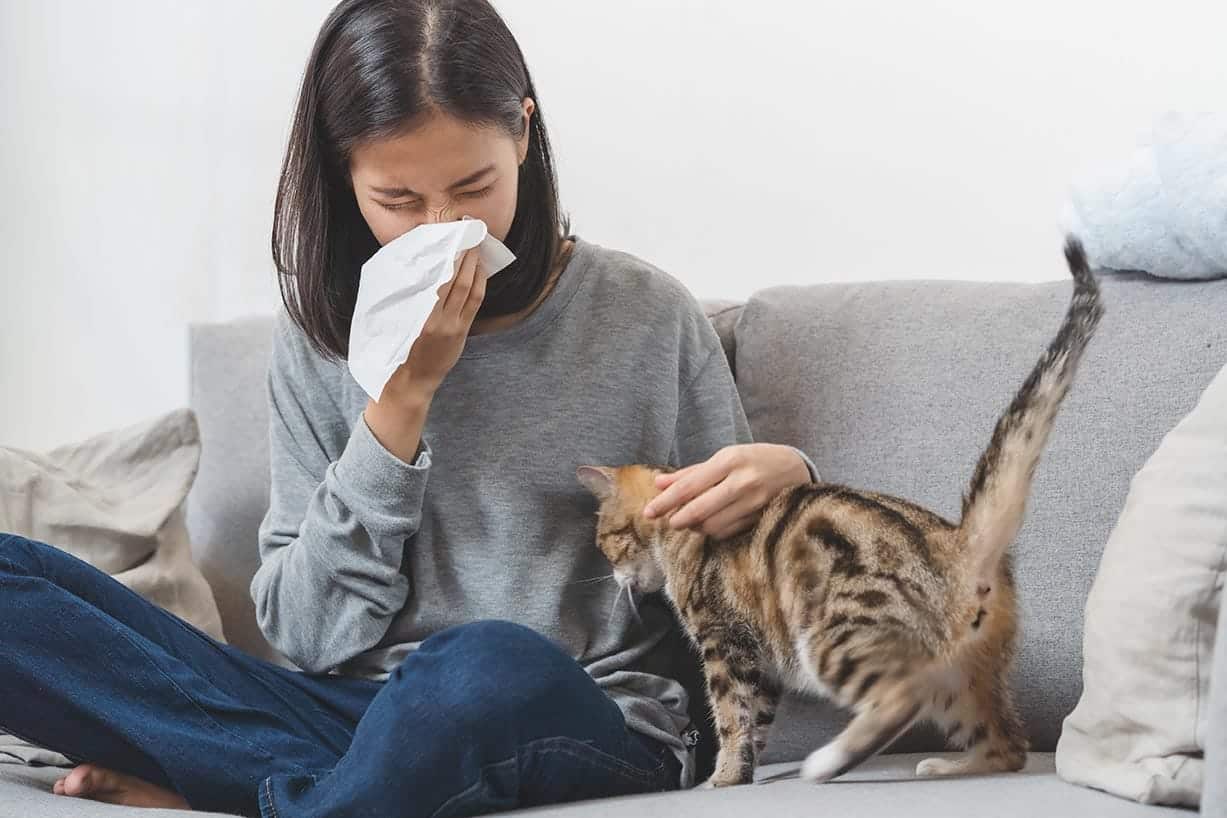
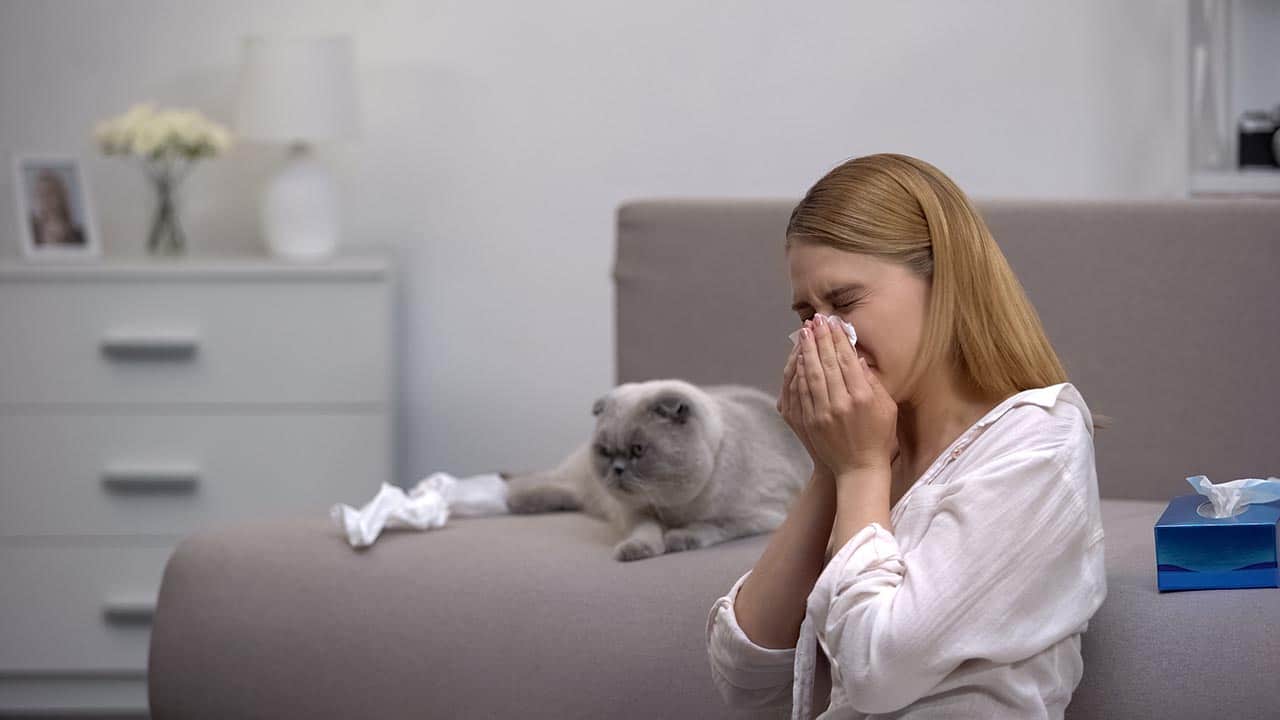
Those whose mothers have asthma are at greater risk of developing asthma themselves when they are exposed to cat allergens as infants and young children. Studies also suggest that 40% of children who have asthma are likely to develop allergy symptoms when exposed to cats and the allergens that they shed. These allergy symptoms may include one or more of the following:

  • Sniffling and sneezing
  • Coughing
  • Wheezing
  • Runny nose
  • Scratchy throat
  • Development of hives

Allergies can exacerbate asthma symptoms in children. So, while cats do not usually cause the development of asthma in a child, exposure to cats can be the cause of asthma symptoms and allergic reactions.

Inhaler for asthma patient
Image by: coltsfan, Pixabay

Cats and Asthma in Adults

According to Web MD, exposure to cat allergens increases the risk of developing asthma in adults. More than half of asthma cases in the United States are linked to allergies, and up to 29% of asthma cases caused by allergies are directly linked to cat allergens. Those who are already living with asthma can develop allergies from exposure to cats.

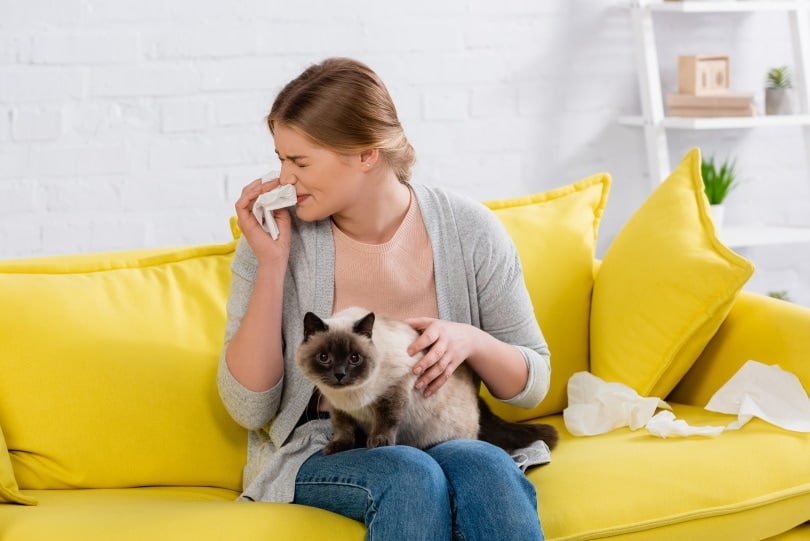
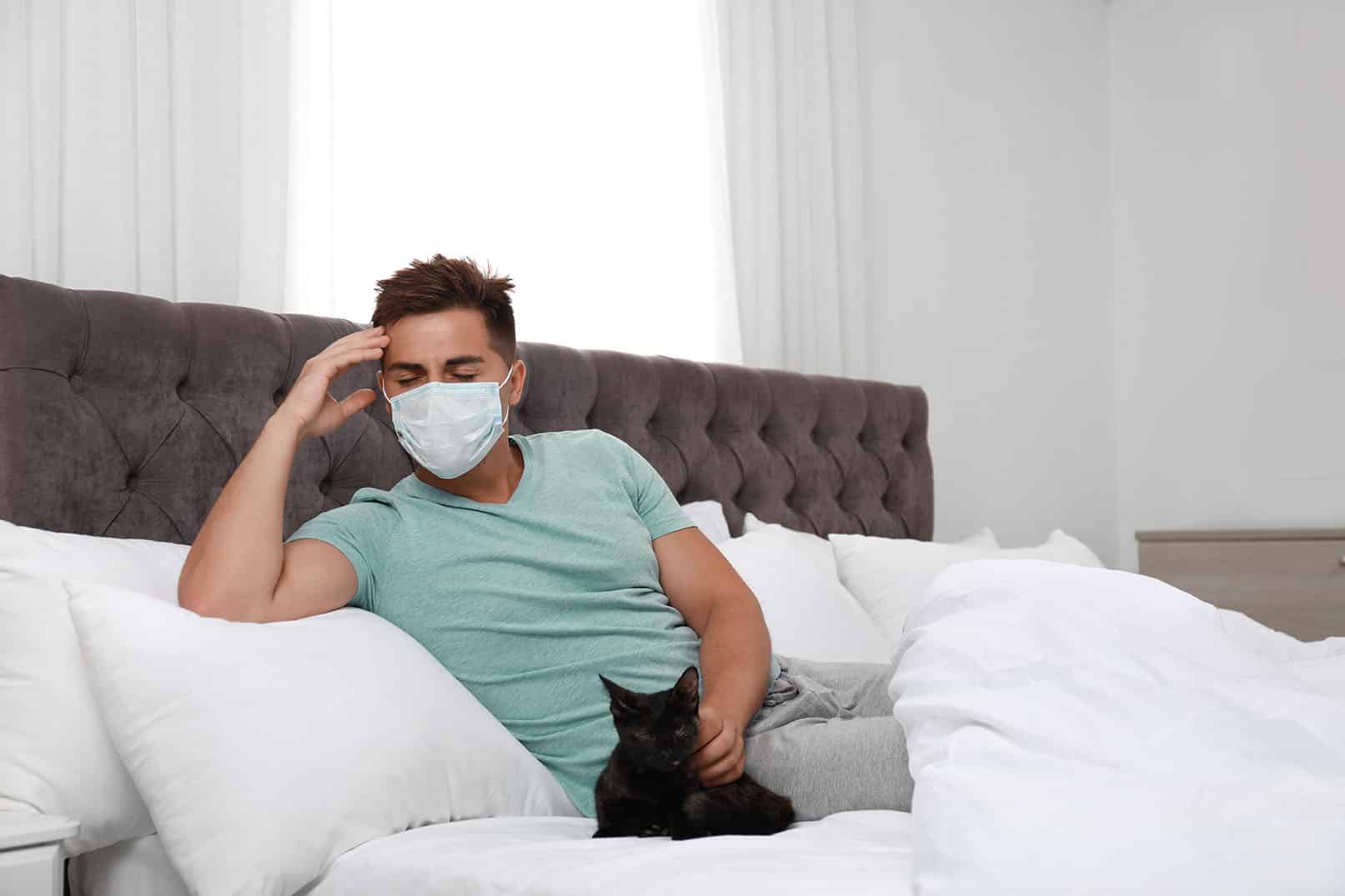
So, if you suffer from asthma, you are more likely to have to deal with allergy symptoms if you spend any time around cats or in places where cats frequent. Remember that you don’t have to be in close contact with a cat to develop allergy and/or asthma symptoms. Just being in a space where a cat has spent time before could stir up symptoms because cat dander and allergens are left behind and float in the air for a while.

divider 1 paws

Diagnosing Cat-Related Asthma

Your doctor can perform a variety of tests on you to determine whether your asthma is associated with exposure to cats and the allergens that they shed. Sometimes, though, tests are not even necessary. Your doctor may be able to diagnose a cat-related asthma ailment just by learning about your symptoms and the circumstances when your symptoms arise.

For example, if you only seem to get symptoms whenever you are near a cat or visit a home where a cat lives or has spent time, your doctor may be able to verify your suspicion of cat-related asthma without conducting any tests. If tests are necessary, you may be asked to undergo one or more of the following:

  • Prick Test: This is a skin allergy test that involves pricking the skin with a needle that is covered in a tiny amount of a specific allergen. In this case, the needle would carry cat allergens. If the area where your skin is pricked becomes inflamed or shows other signs of a reaction, the test will indicate that you are allergic to cats and the allergic symptoms could trigger asthma symptoms. This is the most common type of allergy test offered to patients.
  • Intradermal Test: To conduct this type of test, your doctor will inject a small amount of cat allergen between the layers of your skin to see if it results in any signs and symptoms of allergy reactions. If reactions occur, it is safe to say that your allergies are a result of being around cats or places where cats have been.
  • Blood Test: Your doctor will draw your blood and send the samples to their laboratory, where the blood will be tested against cat allergen antibodies.

The type of test that your doctor recommends will depend on various things, including the kinds of allergy symptoms that you are experiencing, your medical history, and the information that you supply, to determine exactly what’s causing your allergy and/or asthma symptoms.

divider 3 paws

Don’t Get Rid of Your Cat!

If you don’t own a cat, it can be easy to avoid exposure to them by avoiding places where cats spend time. However, you may have friends and family members whom you want to visit and they own cats. Or, you may own a cat of your own. You don’t have to give up visitations or get rid of your cat to protect yourself from allergy and asthma symptoms; however, you should discuss this with your doctor, as circumstances and severity differ with each person.

man playing cat outdoor
Image Credit: Karpova, Shutterstock
Here are a few effective ways to protect yourself from the development of allergy and asthma symptoms:
  • Take Medication: The easiest way to protect yourself from allergy reactions and asthma symptoms when living with a cat or spending time around one is to take allergy medications. Your asthma clinic or doctor will advise on a suitable medication regimen.
  • Get Shots: Otherwise known as immunotherapy, allergy shots will expose your body to tiny amounts of cat allergens over time so you do not react when you actually spend time around a cat. If you live with a cat and are exposed to allergens daily, this treatment option can be paired with antihistamines until the shots kick in.
  • Utilize Nasal Sprays: Most nasal sprays on the market contain mometasone, which can help minimize the development of inflammation and allergy symptoms when exposure to cats is unavoidable.
  • Sweep, Dust and Vacuum Daily: If you take the time to sweep, dust, and vacuum the floors every morning and evening, you’ll gain quite a few benefits. For one thing, you will be exposed to fewer allergens that your cat sheds, and it will take less time to clean the floors than if you only do the task once or twice a week. Special vacuum cleaners with HEPA filters are available.
  • Control Your Cat’s Access: You can keep a couple of rooms (including your bedroom) free of cat allergens by making them off-limits to your kitty. This way, you will have a choice of places to spend time when allergy or asthma symptoms start to develop. Alternatively, you can restrict your cat to just a couple of rooms so the rest of the house is safe for you to be when you’re especially susceptible to an allergy or asthma attack.
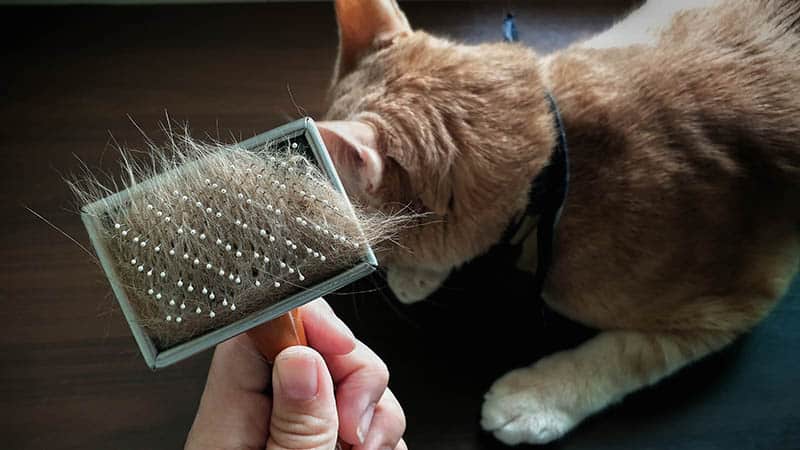
  • Make Grooming a Priority: Combing or brushing your cat and then wiping the loose hairs away with a clean cloth daily can help prevent the shedding of dander and allergens that could cause allergy and asthma symptoms to develop. You’ll also have less dander and hair to clean up throughout your home as time goes on. It is best to get some-one without allergies to do this for you.
  • Wash Bedding Regularly: It is a good idea to wash any bedding or blankets that your cat likes to sleep on once or twice a week. This will help ensure that dander and allergens can’t build up, which could cause the allergens to end up everywhere throughout your home.
  • Special Cat Food: Speak to a vet to find out if a special cat food may be suitable for your cat. Purina Live Clear has been formulated to reduce cat allergens.

You may have to implement more than one of these tactics to effectively reduce your susceptibility to allergy and asthma symptoms when spending time around your cat or visiting someone else who owns a cat.

Need veterinary advice but can't get to the clinic? Catster recommends PangoVet, our online veterinary service. Talk to a vet online and get the answers and advice you need for your cat without having to leave your living room — all at an affordable price!

PangoVet_Mention-in-Content for PangoVet2 save money

divider 2 cats

Final Thoughts

Cats can cause allergy and asthma symptoms, but so can many other things. It is important to figure out exactly what brings on allergy and asthma symptoms before assuming that your issues are a result of exposure to cats. Work with your doctor to find out how exposure to cats might affect your health, whether in terms of asthma symptoms or allergic reactions.


Featured Image Credit: Victoria, Borodinova_Pixabay

Want content like this delivered to you?

Sign Up For Our Newsletter

News, insights, expert advice, and everything cat

* By submitting, you agree to our Terms & Conditions and Privacy & Cookies Policy.


How useful was this post?

Click on a star to rate (you can leave written feedback after clicking submit)

Help us improve Catster for pet parents!

Your feedback really matters.

What did you like about this post? Also how can we improve it?

Join the conversation

Leave a Reply

You’re very welcome to leave a comment or question. Please know that all comments must meet our community guidelines, and your email address will NOT be published. Let’s have a positive and constructive conversation.


Catster's Digital Magazine is Back!

Vet-approved health & behavior advice

Real cat stories & community features

Chatting About the Rainbow Bridge, Euthanasia, and Laughter During Grief | Chatty Cattys, Episode 24

If you’ve ever felt the loss of a beloved cat, or are dreading the day when your pet crosses the rainbow bridge, you’ll...

The Simple Reasons Cats Refuse to Let Anyone Use the Bathroom Alone

Cats have an extraordinary talent for making themselves present in the most inconvenient places, and the bathroom ranks near the top of the...

A Paw-sitive Milestone: Canada Officially Becomes a Declaw-Free Nation

Canada has officially become a declaw-free nation. On May 25, 2026, a new regulation was filed in Ontario under the Provincial Animal Welfare...

The Surprisingly Simple Ways to Help a Cat With Hairballs

Cats spend an astonishing amount of time grooming. It is part hygiene routine, part comfort ritual, and part instinct that traces back generations....

More related

Cat Splashes Water Out of the Bowl: 5 Vet-Verified Reasons & How to Stop It

While the behavior can be frustrating due to the mess, your cat splashing their water out of their water bowl and all over...

20 Cute, Unique, and Funny Cat Beds in 2026 (With Images)

It seems owners and manufacturers alike are getting super creative with cat beds these days. You can practically find anything your imagination can...

5 Vet Approved DIY Slow Feed Cat Bowls (With Pictures)

Eating too quickly can lead to stomach upset and health problems, but it is commonly associated with dogs. That doesn’t mean some cats...

Feline Fine: Acupuncture in Cats, Part One

Hi, I’m Dr. Lauren! Read my introduction to learn more about me and my two adventurous cats, Pancake and Tiller. Note: This is...

Keep reading

Is Lidocaine Safe For Cats? Our Vet Discusses Safety & Risks

Even though cats typically aren’t as vocal or outwardly expressive of their pain as canines, they do still experience pain, leading veterinarians to look for safe and effective pain management medications. One that you may be wondering about is lidocaine....

Catster_Is Lidocaine Safe for Cats

Why Do Cats Lift Their Tail When Petted? 4 Vet-Reviewed Reasons

If you have ever been petting your cat, you may have noticed that they lift their tail or bum in the air. There is a lot of confusion as to why cats do this and what the meaning behind the...

woman owner petting and playing with her cat at home

How to Tell if a Cat Is Stressed: 12 Vet-Reviewed Signs to Watch For

In some ways, cats are a lot like people. They get stressed and anxious. Unlike humans, they can’t tell us their problems using words, and we have to look for subtle signs to identify when a cat is stressed. This...

Sad depressed cat laying down

Why Do My Cat’s Farts Smell Like Eggs? Our Vet Explains

Have you ever noticed that your cat’s farts smell like rotten eggs? Is there a way to prevent this unpleasant scent? That rotten egg odor is primarily due to sulfur compounds produced in the digestive process. When cats eat certain...

Cat Stinky

Why is My Cat Breathing So Hard? 9 Vet-Approved Reasons & What to Do

Just like dogs, cats may breathe heavily and pant in certain circumstances. Because this behavior is much rarer in cats than in dogs, it is usually something to be worried about, especially if it persists for prolonged periods. Panting is...

close up white cat breathing

8 Products for Senior Cats to Make Your House Easier for Them

It seems that one minute, you have a sprightly little kitten jumping around, ripping down your curtains, and the next, you have a lazy old senior who prefers taking window naps. Our animals’ lives certainly go far too quickly for...

Long hair tabby cat with beautiful green eyes and long whiskers stretched out and relaxed senior cat

Can Cats Eat Caviar? Vet-Verified Benefits & Precautions

Have you ever wanted to give your cat an expensive treat, like caviar (raw fish eggs)? Before you open up the caviar jar, you want to make sure that it is safe. Cats can eat caviar, but it is not...

Can Cats Eat Caviar

Feliway Cat Diffuser Review in 2026: Recalls, Pros & Cons

Review Summary It can be upsetting for us humans to see our cats distressed or unhappy. Cats are sensitive creatures, so if you’ve recently moved or made a large life change, you may have noticed this having a negative effect...

Feliway Pheremone Diffuser Review

Love Cats? So Do We! Join the Catster Community

Stay informed with expert pet care insights delivered straight to your inbox! Discover professional guidance on animal behavior, feeding tips, trusted product picks, and much more.


Sign up for the Catster Email Newsletter

Stay informed with expert pet care insights delivered straight to your inbox! Discover professional guidance on animal behavior, feeding tips, trusted product picks, and much more.