Can Babies Be Allergic to Cats? Facts & FAQ


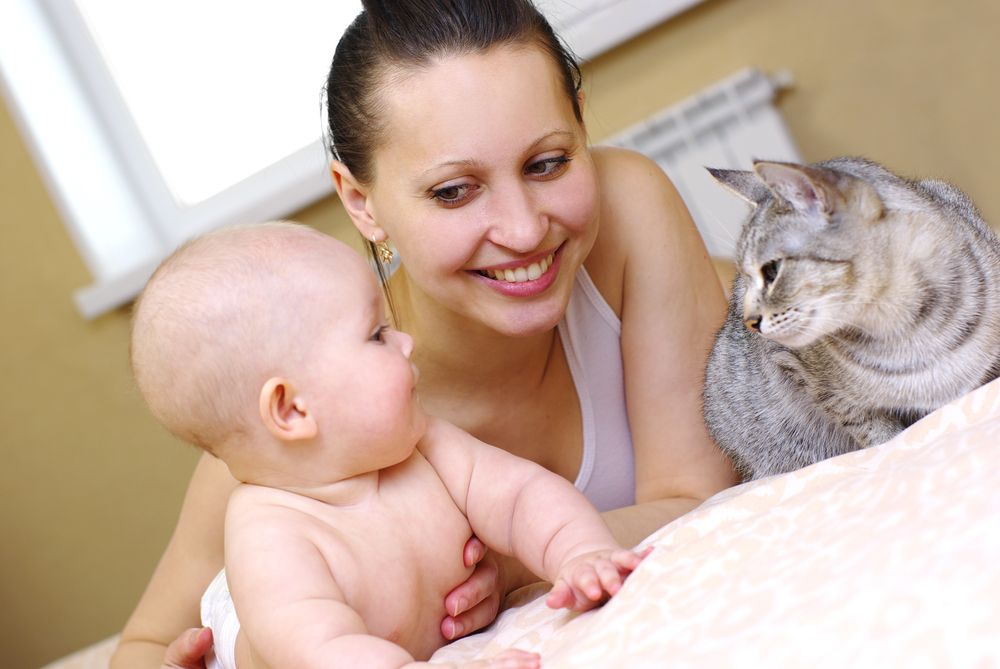
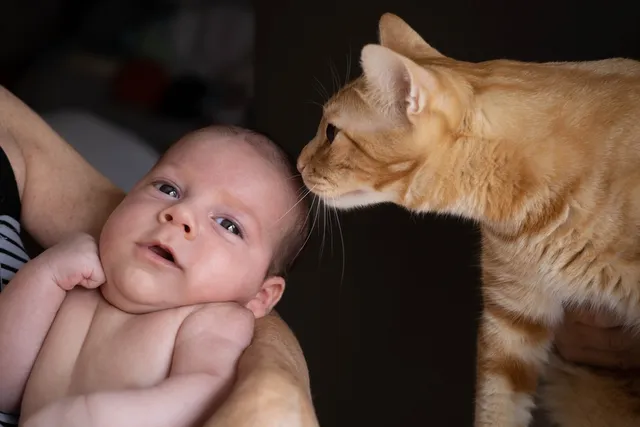
Seeing your baby and cat grow up together is one of the sweetest things in the world. Preparing to have a baby or introducing a new cat into your growing family is always a very exciting and busy time. However, if you notice that your baby has watery eyes or they're sneezing around your cat (or if you want to be prepared before introducing them), you may wonder if babies can be allergic to cats. It is possible for babies to be allergic to cats, but it's unlikely. In this article, we will explain how and why babies are allergic to cats and how to tell if your baby is allergic to your cat.

Do Babies Get Pet Allergies?
Babies can develop pet allergies, specifically to certain proteins present in the animal’s saliva and dander. However, it is rare for a pet allergy to show any signs before the baby reaches between the ages of 1 and 2. They are much more likely to have allergic reactions to food at this age. However, they can show signs of sensitization toward pets.

What Causes an Allergic Reaction in Babies
An allergic reaction is a hypersensitization of the immune system toward a certain component, usually a specific “allergen.” Contact with an allergen causes a reaction because the body responds to the allergen as if it were a pathogen, thus triggering an inflammatory response in which the body produces histamine and around 40 other chemicals. This reaction is designed to protect the body against pathogens, but in this case, the body is reacting to something that is not normally damaging. In other words, it is an exaggerated reaction to certain particles. While babies are not born with pet allergies, they can develop them.
There are many common misconceptions about feline and other pet allergies, the main one being that hair causes them. However, it's not the hair that causes allergies, but rather a specific protein present in the animal’s saliva, urine, feces, and dander. Pet hair does play its part, mostly as a transporter of dander, but a baby will more commonly come into contact with flakes of dead skin cells that fall off a cat's body and are distributed into the environment.
Fel d 1: The Culprit
Fel d 1 is a protein that all cats produce. It is excreted from a cat's sebaceous and salivary glands and then gets spread along the skin and down the fur. Fel d 1 is the most common cause of cat allergies in humans, though some people are allergic to other cat proteins.
This is why even removing the pet from the home can take time to become effective. Dander spreads far and wide in the home and becomes part of household dust.
How to Tell If Your Baby Is Allergic to Cats
There are some telling signs that your baby might be allergic to your cat.
These include:
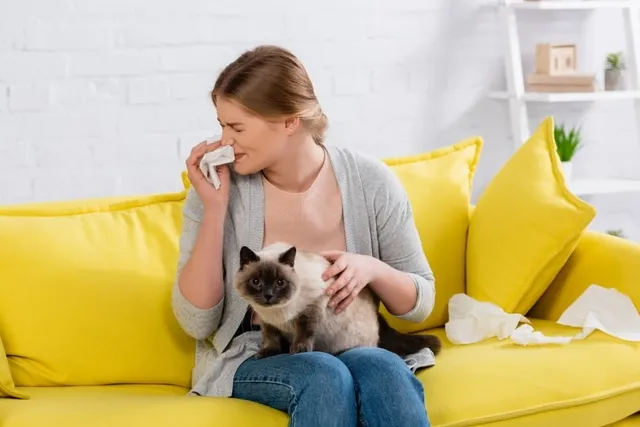
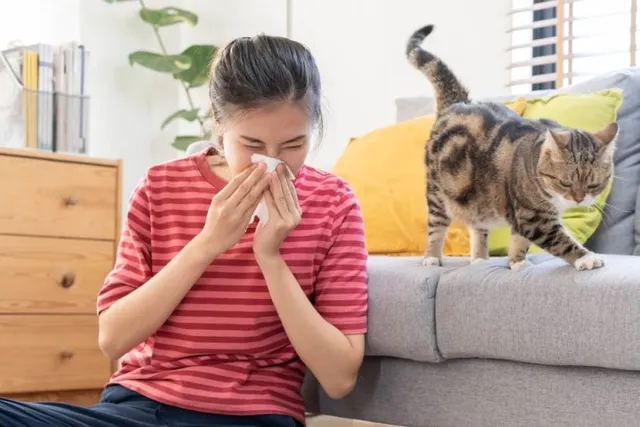
Sadly, removing a cat from the home won’t immediately relieve signs. The house needs to be thoroughly vacuumed and a HEPA air filter installed to reduce the number of allergens. However, since pet allergy signs are so similar to those of other allergies, such as dust or pollen, it can make it very difficult to pinpoint the cause.

Will I Need to Rehome My Cat?
Having a baby who is allergic to cats does not always mean you need to rehome your cat, depending on how severe the baby's allergy is. Extra cleaning and washing can help reduce dander around the home. Using an air purifier and keeping the cat and baby separated from each other are also helpful in reducing the signs.
Rehoming your cat could be your last resort if your baby has a severe allergy. However, we know that most owners would not make this decision lightly.
What Is the Most Hypoallergenic Cat Breed?
While no cats are 100% hypoallergenic, as they all produce Fel d 1, some are considered less allergenic than others because they don’t produce as much of it. There are hairless cats with tightly curled fur and cats with short, dense coats that all seem to shed less dander, so based on this, here are our suggestions for cats that are less allergenic than others:
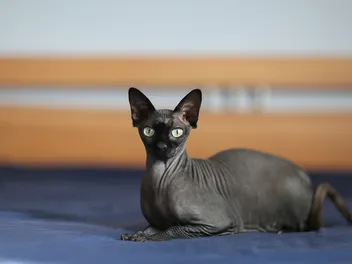
- Sphynx cats: Mostly bald cats with down coverings of hair over their bodies
- Cornish and Devon Rex cats: Related by their tightly curled coats
- Russian blue: Beautiful cats with short, dense coats that shed less than those of other breeds
- The Balinese: Known to produce less Fel d 1
Can Having Cats Around the Home Help With Future Allergies?
Research suggests that having pets in the home (including cats) is beneficial for those who may suffer from allergies in the future. People with a family history of asthma, for example, can have a smaller chance of developing it if they had pets in the home as a child. This is also seen as almost a dose rate, meaning that the higher the dose (the larger number of animals the child lives with), the less likely they are to develop allergies in the future.
In a study delving deeper into this phenomenon, children aged between 7 and 8 were evaluated for asthma and other allergies, such as allergies to pollen and animals. Their parents were then asked about the pets their children lived with and were exposed to within their first year of life.
The results were fascinating: It was discovered that there was a dose-response association between the number of cats and dogs the child was exposed to and allergies in later childhood. This means that the more cats and dogs children are exposed to as babies, the less likely they are to have allergies. For example, 49% of children who lived with no pets as a baby had some sort of allergy, but the allergy rate for children who had five or more pets in the home was 0%. This shows that cats can be even more than beautiful companions, as they can help protect babies from future allergies.
Conclusion
Babies can have allergies to cats, although it's rare for them to show symptoms before the ages of 1 and 2. These allergies can manifest in very similar ways to adults, such as sneezing and runny noses, and they are caused by a particular protein that cats release.
This protein (Fel d 1) gets into the baby's environment, such as in household dust, via dander and clothes. There are certain things a parent can do if they discover their baby is allergic to cats, such as cleaning more frequently and keeping them separate as much as possible. But unfortunately, they may have to rehome their cat if the allergy is severe.
Sources
https://aafa.org/allergies/types-of-allergies/pet-dog-cat-allergies/
https://www.babycenter.com/health/conditions/allergies-in-babies_73
https://www.babycenter.com/health/conditions/pet-allergies_1227639
Featured Image Credit: Timofeyev Alexander, Shutterstock
Expert cat care, straight to your inbox
News, insights, and useful advice, delivered to you.

No spam — unsubscribe anytime.
By signing up, you agree to our Terms & Conditions and Privacy & Cookies Policy.
How useful was this post?
Click a star to rate. You can leave written feedback afterwards. (We read all feedback.)
Christian started writing for a local newspaper as a teenager, and he's been involved in the publishing industry for most of his adult life. Combining his love of writing with a passion for animals, he is currently the Director of Editorial at Pangolia and the Editor-in-Chief at Catster.
Christian lives in the Philippines with his wife, son, and four rescue cats: Trixie, Chloe, Sparky, and Chopper.