Can Cats Eat Pig Ears? Vet-Approved Facts & FAQ


In this article
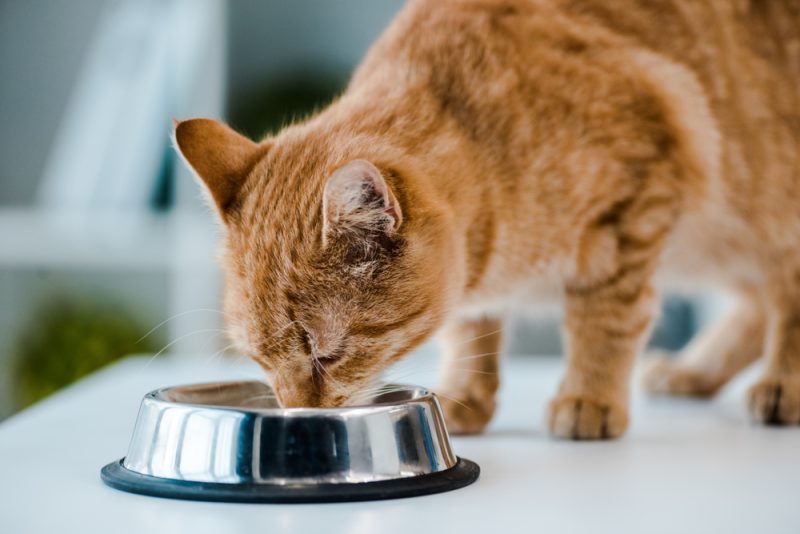
Cats are carnivores and require diets rich in protein from animal sources to thrive. Although pork is fine for cats to eat, and pig ears aren't toxic for cats, pig ears aren’t made for cats, and can damage their teeth, as well as causing a potential for foreign bodies, and being high in fat and calories, which can lead to weight gain. Instead of pig ears, there are far healthier treats available that are far better for cats.

Why Shouldn't Cats Eat Pig Ears?
Pig ears generally require repetitive gnawing to eat successfully, and even many dogs have difficulty. Cats have very different dental structure than dogs, utilizing a short shearing motion, then swallowing, presumably ideal for fresh meat consumption, which pig ears are far from 1. Further, cats’ small oral size may further hamper mastication (chewing) of pig ears.
Pig ears also have too much fat and are packed with calories, which can encourage weight gain. Indoor cats weighing around 10 pounds only need to consume about 200 calories daily to meet their nutritional and energetic needs.
A single pig ear treat can easily put a cat far over their daily caloric allowance. Regular consumption of high-calorie foods such as pig ears can make cats overweight.
Excess weight has the potential to shorten their lives and even increase the chances of pets developing medical conditions such as diabetes and joint disease. High-fat foods can also cause some cats with sensitive stomachs to vomit or suffer from diarrhea.

Are There Benefits to Feeding Pork to Cats?
Pork is packed with nutrients that cats (and people) need to thrive. A 3-ounce slice of baked tenderloin has about 122 calories and around 3 grams of fat. It delivers nearly 22 grams of protein and vital nutrients such as phosphorus and niacin.
Cats require phosphorus to keep their teeth and bones strong and healthy and to encourage optimal metabolic function. Niacin helps with the processing of protein and fat.
However, bacon and pig ears are far higher in fat and calories and aren’t great for cats to eat. Much also depends on the way pork is prepared. Baked, lean cuts of meat in fat have less fat than fried pork. Further, pork is considered by most veterinarians not to be a natural protein source for cats, and therefore, it is generally not recommended.
How Can Cats Enjoy Pork?
The best way to ensure you meet your cat’s nutritional needs is to feed them high-quality commercial foods that are formulated to meet their life stage requirements and lifestyle needs.
Several brands contain pork in combination with other protein sources. You can also purchase specialty formulations to reduce hairballs or support senior cats.

What About Other Sorts of Pork Treats?
Instead of serving pig ears, you can buy freeze-dried pork treats that are the right size for cats. It's also easy to make tasty treats at home, but it’s best to use lean cuts of meat and low-fat cooking methods such as baking and brazing.
Make sure to cook the meat thoroughly to kill bacteria such as Salmonella, which can make cats and people ill. Harmful ingredients such as onions and garlic should never be used in a homemade pork recipe since they and most other members of the Allium family are toxic to cats.

- NO MESS - The 360° tray on this cat food and water bowl set has a raised design to catch and contain stray crumbs and drips. Protect your indoors and floors from wet and messy meals!
- WHISKER FRIENDLY - Shallow and wide metal containers with flat bottoms ensure your kitty can enjoy mealtime free from whisker fatigue!
- CHEW-SAFE MATERIALS - Kittens and cats love chewing on silicone and soft rubber - but it's a choking hazard. Our cat feeding station materials are anti-chew for a 100% safe feeding frenzy!
Learning about what your cat can and cannot eat is a crucial part of keeping them happy and healthy! Choosing a bowl to serve cat-friendly foods in is another important decision pet owners face. Satisfy the specific needs of your cat with the innovative design of the Hepper NomNom Cat Bowl. Learn why it’s our (and our cats!) favorite food and water dish here.
At Catster, we’ve admired Hepper for many years and decided to take a controlling ownership interest so that we could benefit from the outstanding designs of this cool cat company!
Frequent Asked Questions
Can Cats Have Unlimited Treats?
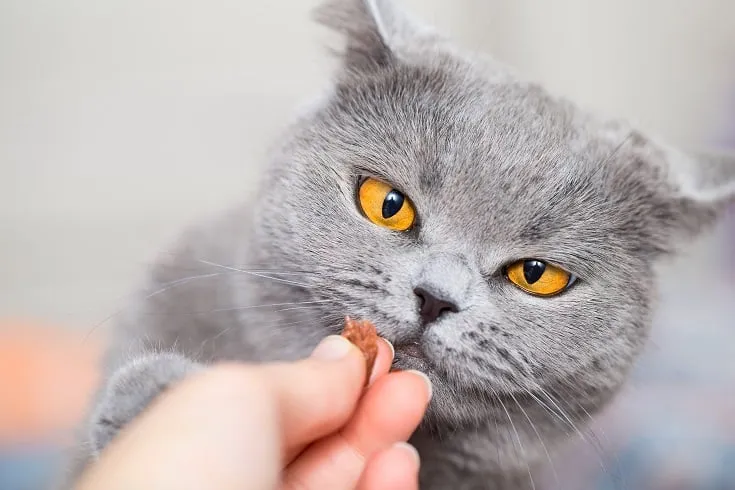
No! Treats should make up about 10% or less of a cat's diet to ensure they don't gain too much weight. They don't contain the full range of vitamins and minerals cats need to stay fit and healthy.
Is Salmonella a Concern?
Salmonella is a concern anytime a person or pet consumes undercooked or uncooked pork. Indications that a cat may have been infected with the bacteria include weight loss, diarrhea, lack of interest in eating, fever, vomiting, and tummy pain. However, many cats with salmonella don’t show obvious signs. Senior and baby cats, those with weakened immune systems, and pets with medical conditions such as cancer are more inclined to develop problems. Veterinarians rely on signs observed during examinations and bacterial cultures to diagnose salmonella infections. Cats with mild signs often recover on their own, but those with more severe issues sometimes need to be hospitalized.
Conclusion
Pig ears are popular dog treats that are easy to find at pet stores. Although a lick or two of one won't make most healthy adult cats sick, they aren't appropriate or healthy snacks for cats. They're high in fat and calories, which can lead to weight gain and developing conditions such as diabetes and arthritis. Further, they may cause dental issues. Eating high-fat foods can also cause digestive issues, vomiting, and diarrhea. Thoroughly cooked small pieces of plain lean pork prepared without added seasonings can be served as occasional treats, but consult your veterinarian before feeding homemade meals or snacks to your cat. See also:
Sources
Featured Image Credit: Paul Evan Green, Shutterstock
Expert cat care, straight to your inbox
News, insights, and useful advice, delivered to you.

No spam — unsubscribe anytime.
By signing up, you agree to our Terms & Conditions and Privacy & Cookies Policy.
How useful was this post?
Click a star to rate. You can leave written feedback afterwards. (We read all feedback.)
Lorre Luther is a writer who is firmly convinced that cats are smarter than humans. She left her law career in the United States and moved to the Netherlands to follow her dream of becoming a writer. Lorre currently lives in Rotterdam, she enjoys traveling and greatly appreciates the beauty of nature. Lorre has a spot for animals and admires the intelligence of cats.