Why Does My Cat Open Drawers? 8 Vet-Reviewed Tips to Stop Them


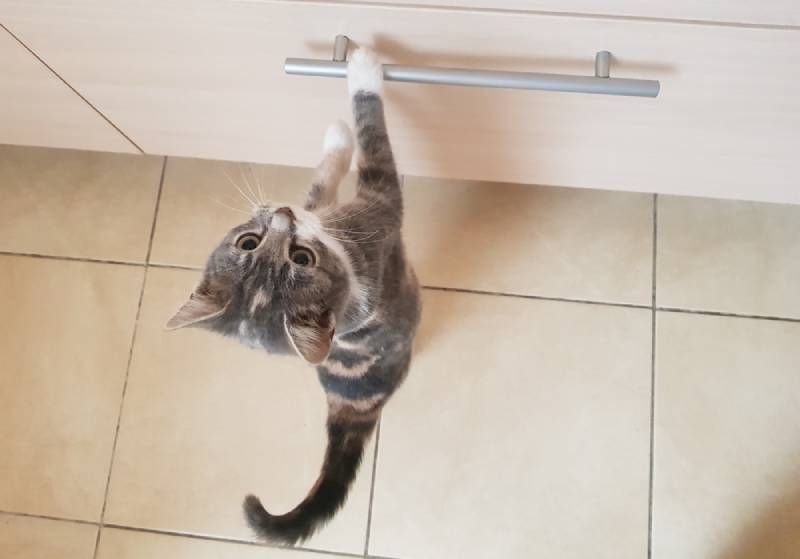
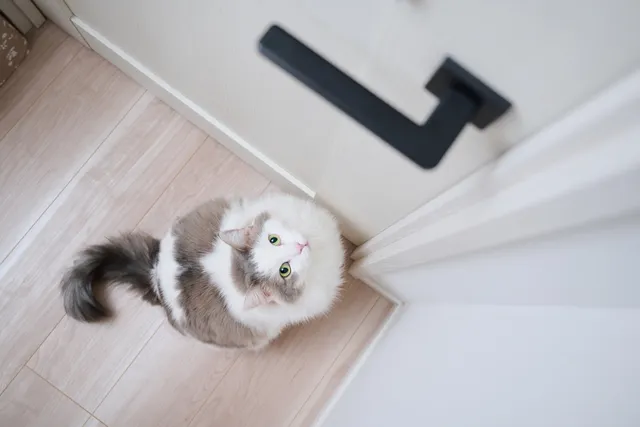
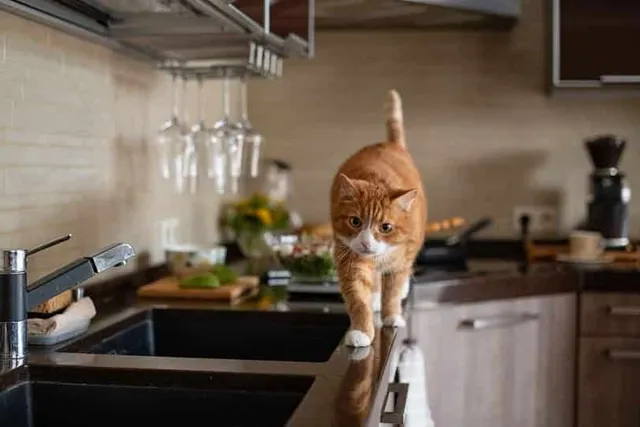
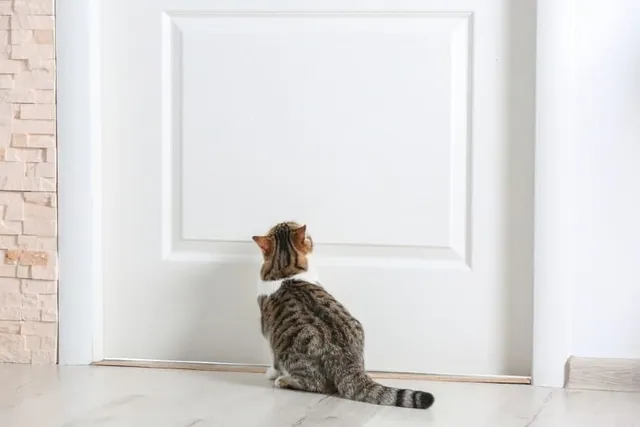
Cats can be a complete joy to own, but sometimes their inquisitive personalities can get them into trouble. This is often the case when they start getting into every drawer in your home, and while it can be cute at times, it can also be extremely frustrating and even dangerous.
But why do they keep opening drawers? And more importantly, how can you stop them? We’ve highlighted 8 tips you can follow to keep them out of the drawers in the first place before diving into why so many cats try to rifle through your belongings.

The 8 Ways to Stop Your Cat From Opening Drawers
1. Increase Playtime and Enrich Their Environment
Sometimes your cats are getting into things and creating trouble simply because they don’t have anything else to do. If you give your cat a more fun and enriched environment with a cat tower, scratch posts, vertical perches, access to window sills, new toys, and everything else they need to stay busy, they might forget all about the drawers. They need daily quality playtime and your attention, to battle boredom and frustration, that leads to undesirable behaviors.
Of course, this isn’t a foolproof solution, but give it some time and try to pinpoint exactly what your cat wants the most!
Pros
- Ideal for a cat’s health
Cons
- Requires more patience and innovation
- Won’t work on all cats
2. Use Childproof Locks

If your cat likes opening things up like a toddler, it might be time to treat them like a toddler. That’s the idea behind childproof locks, which ensures your cat won’t be able to open up drawers no matter how smart or determined they are.
Of course, it does mean you’ll need to constantly deal with the locks yourself, which can be pretty annoying, but it’s a foolproof solution that’s easy to set up.
Pros
- Very effective
- Easy to set up
- Various options available
Cons
- Locks can be annoying to deal with
- Can get expensive
3. Try Double-Sided Tape
Double-sided tape is essentially a lower-end version of childproof locks, and you can use it to keep the drawers in your home closed even with a little force from a cat pulling on them. Double-sided tape works most of the time, but it does require that you keep replacing the tape as the stickiness wears off.
But if your cat gets tired of trying to open the drawers or forgets about them, it can be the perfect way to train your cat to stay away from these areas.
Pros
- Cheap and easy
- Fairly effective solution
Cons
- Must keep replacing the tape

4. Use Aluminum Foil
One of the simplest and most surprisingly effective ways to keep some cats away from drawers is to use aluminum foil. Many cats can’t stand the feeling and sound of the foil, so they’ll stay far away from it, thus keeping them away from the drawers over time.
This is a cheap method and easy to set up, but it doesn’t really look the best, and while most cats don’t like it, some simply don’t care!
Pros
- Very low-cost solution
- Easy to set up
Cons
- Some cats don’t care about it
- It doesn’t look the best
5. Block It From Opening
If you put something heavy in front of the drawer, your cat won’t be able to open it in the first place, ensuring they can’t get into it. It depends on the drawer's location, the mechanism, and how feasible this solution is, but there’s no denying its effectiveness.
Sometimes it’s super easy to set up, although it does require constantly moving stuff to access the drawer just to block it off again. It’s not always convenient, but it gets the job done!
Pros
- Free
- Very effective depending on the mechanism
Cons
- Requires constantly moving things
- Can clutter an area

6. Motion-Activated Deterrents
Looking for a more creative solution to keep your cat out of drawers? Consider motion-activated deterrents. These deterrents spring up, start moving, or produce unpleasant high-frequency sounds we can’t hear but cats can, when they get close to the drawer, discouraging them and keeping them away from a certain area.
This may be a long-term solution for some, but it can be a bit more costly and challenging to set up, and cats can get extremely creative in how they work their way around them, or they may get too frightened.
Pros
- Long-term solution
Cons
- Can be expensive
- Not always the easiest to set up
- Cats can sometimes work around them
- Some cats can become fearful
7. Cover the Knobs
Cats often use the knobs to open up drawers, and once they figure out how to use them, it can be challenging to keep them away. If you need to work the knob to open the drawer, one way to keep your cat away from it is to cover the knobs.
This is an easy solution and doesn’t cost much, but you’ll need to find something your cat doesn’t want to mess with; otherwise, they’ll still work their way into the drawer.
Pros
- Simple
- Free or very affordable
Cons
- Doesn’t work on all cats or drawers
- Not visually appealing

8. Use Scent Deterrents
Cats explore the world with their noses, and if they smell something they don’t like, they want to stay away from it. That’s why scents can be the perfect solution to keep your cat away from the drawer. Cats have sensitive noses, so a little spray or some citrus or lemon peels may go a long way, and it means you don’t need to use any visible objects.
However, some cats simply ignore the smells, and to keep up the effectiveness, you’ll need to keep reapplying it.
Pros
- No unsightly objects
- Affordable
Cons
- Doesn’t work on all cats
- You need to keep reapplying the spray
Why Do Cats Try to Get Into Drawers?
Cats are naturally curious animals and have pretty unique personalities, and because of this, there are numerous reasons your cat might be so insistent about getting into certain drawers. For starters, they like getting into small spaces, and many drawers naturally fit this description.
Next, cats are extremely curious, and sometimes, they just want to get into the drawer to figure out what’s in there. Finally, sometimes opening drawers and climbing inside them is simply fun and there’s nothing else to it!
Conclusion
Now that you know why your cat wants to get into drawers and a few ways you can keep them out, all that’s left is for you to take the necessary steps to accomplish your goal. Find the options that work best for you and use as many of them as possible because the more you use, the more successful you’ll be!
Featured Image Credit: newsony, Shutterstock
Expert cat care, straight to your inbox
News, insights, and useful advice, delivered to you.

No spam — unsubscribe anytime.
By signing up, you agree to our Terms & Conditions and Privacy & Cookies Policy.
How useful was this post?
Click a star to rate. You can leave written feedback afterwards. (We read all feedback.)
Adam is a seasoned freelance writer and passionate animal lover who has dedicated years to rescuing countless animals. With a decade of experience as a freelance writer and an even longer history of animal rescue, he has honed his skills in both fields. Adam is also a proud father of three and thrives on challenges and new adventures.