Sisal Rope vs. Sisal Fabric for Cat Scratching Posts: Vet-Reviewed Differences, Benefits & FAQ

In this article
Whether you’re a cat owner or someone who simply enjoys making DIY projects, you may have wondered what the difference is between sisal rope and sisal fabric when it comes to making or buying a cat scratching post. In this article, we will discuss the differences between these two materials so that you can make an informed decision on which one would be the best choice for your needs.

At A Glance
| Sisal Rope | Sisal Fabric |
|---|---|
| Made from fibers of the agave plant | Made from natural fibers of the agave plant |
| Has a coarse texture | Has a softer texture than sisal rope and is more visually appealing for most projects |
| More durable than sisal fabric | Less durable than sisal rope |
| Also for rope making, gardening, craft projects, and furniture making | Also for clothes making, gardening, craft projects, and furniture making |
| Available in multiple sizes and colors to suit any project or application | Available in multiple sizes and colors to suit any project or application |
| Natural color is tan, white, or gray, depending on the agave species used | Natural color is tan, white, or gray, depending on the agave species used |
| Lightweight yet strong material | Lightweight yet strong material |
| Good resistance to abrasion and chemicals, such as alkalis and acids | Good resistance to abrasion and chemicals, such as alkalis and acids |
| Can be easily cut with scissors or knife blades and can be dyed with non-toxic dyes | Can be easily cut with scissors or knife blades and can be dyed with non-toxic dyes |
Overview of Sisal Rope
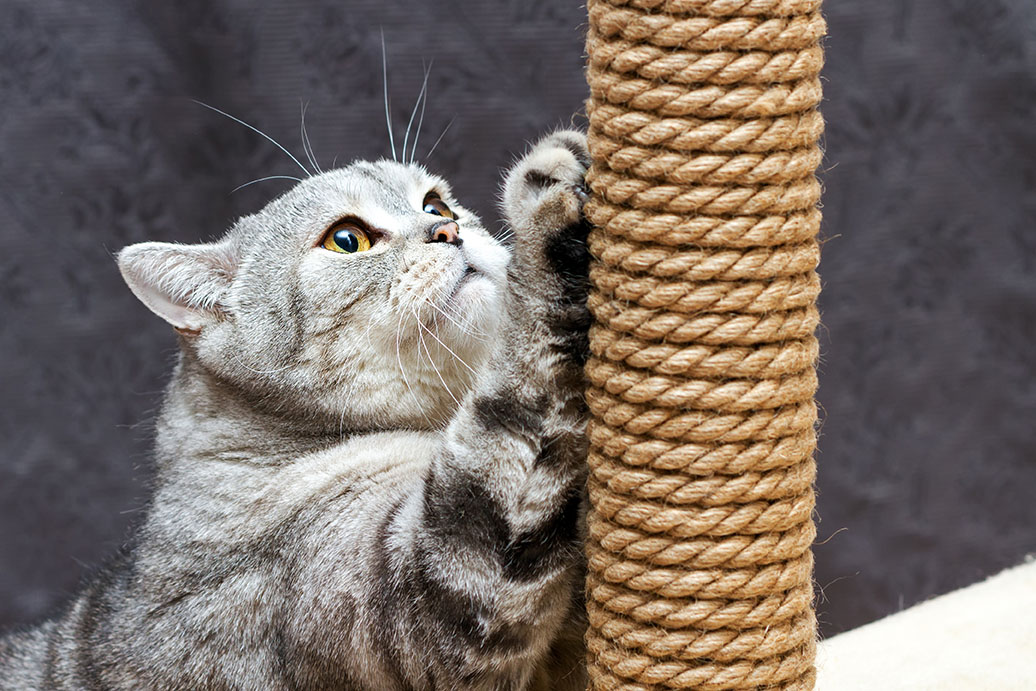
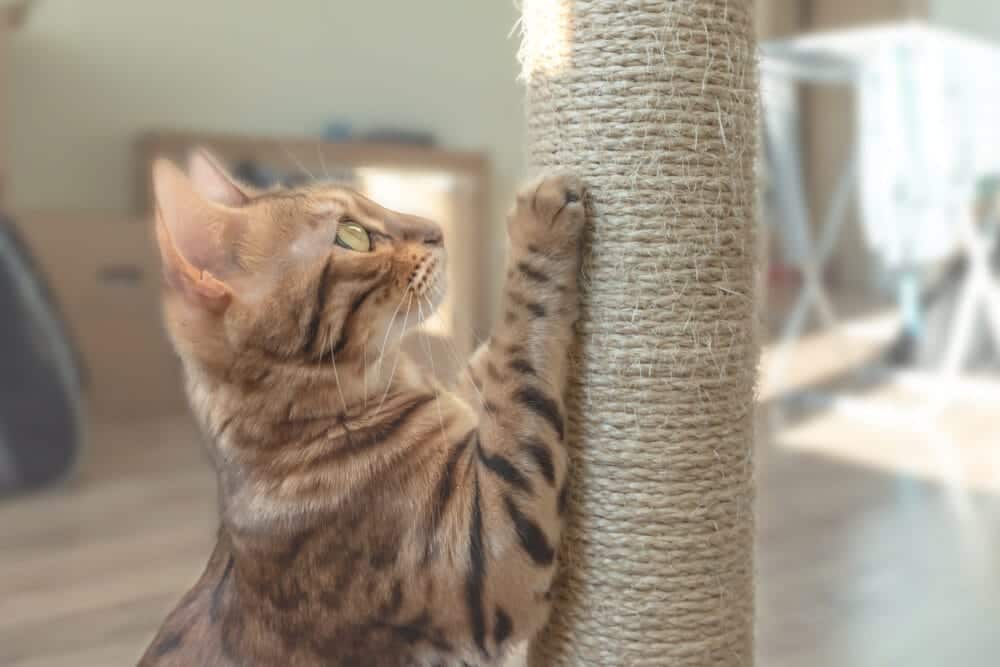
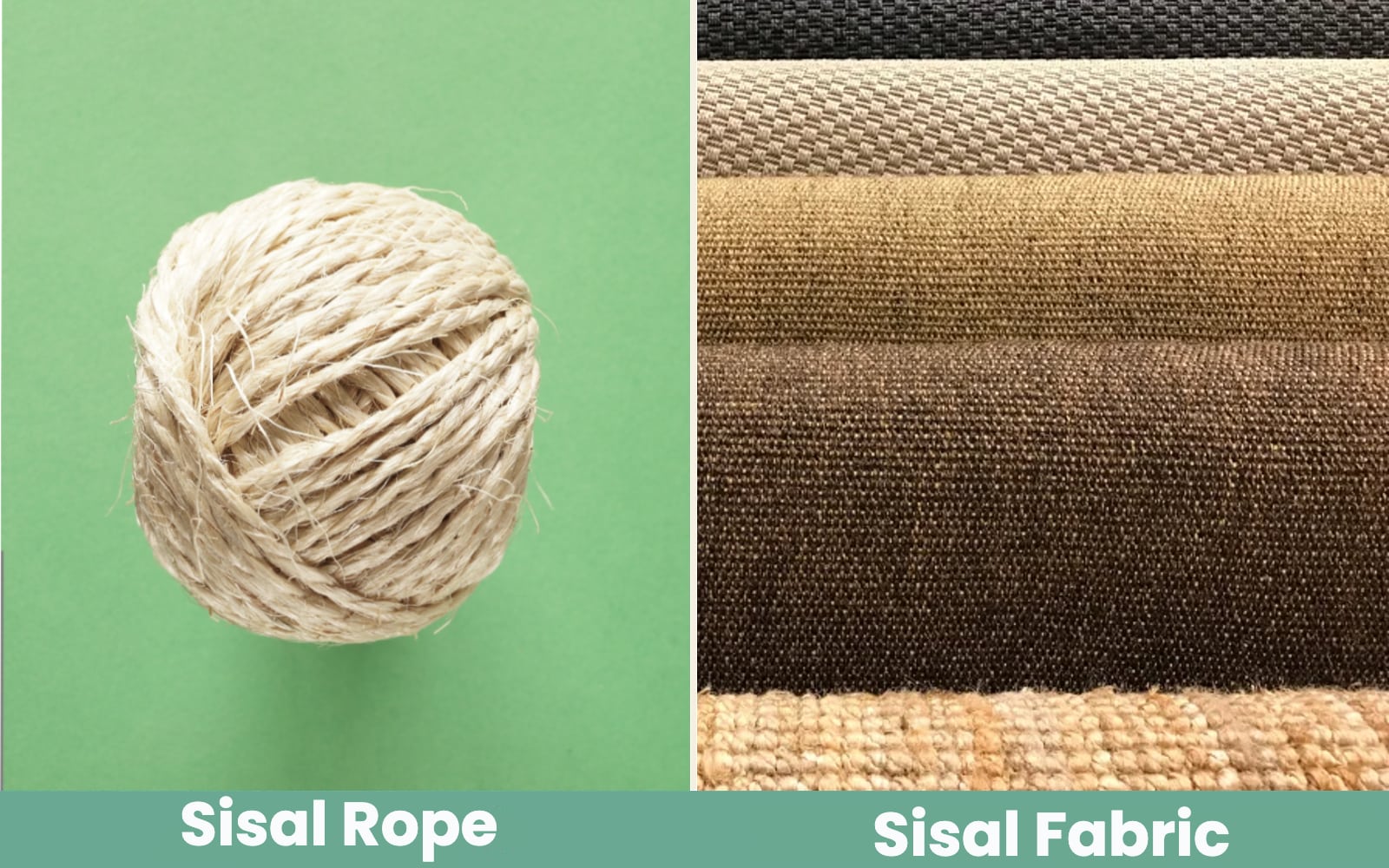
Sisal rope is made from the fibers of the agave plant that are woven together to create rope. It looks just like rope made from other materials, and as long as it is untreated, it is a great natural material to use for cat scratching posts. It has a coarse texture that is more durable than sisal fabric, and it can be easily cut with scissors or knife blades. It is also lightweight yet strong, has good resistance to abrasion and chemicals, such as alkalis and acids, and because of its natural fibers, the untreated product is non-toxic. Sisal rope comes in multiple sizes and colors to suit any project or application, although the natural color is tan, white, or gray, depending on the agave species used.
Best for: Cat owners and DIYers who are looking for a long-lasting, durable material that can withstand scratching and clawing from cats.

Overview of Sisal Fabric:
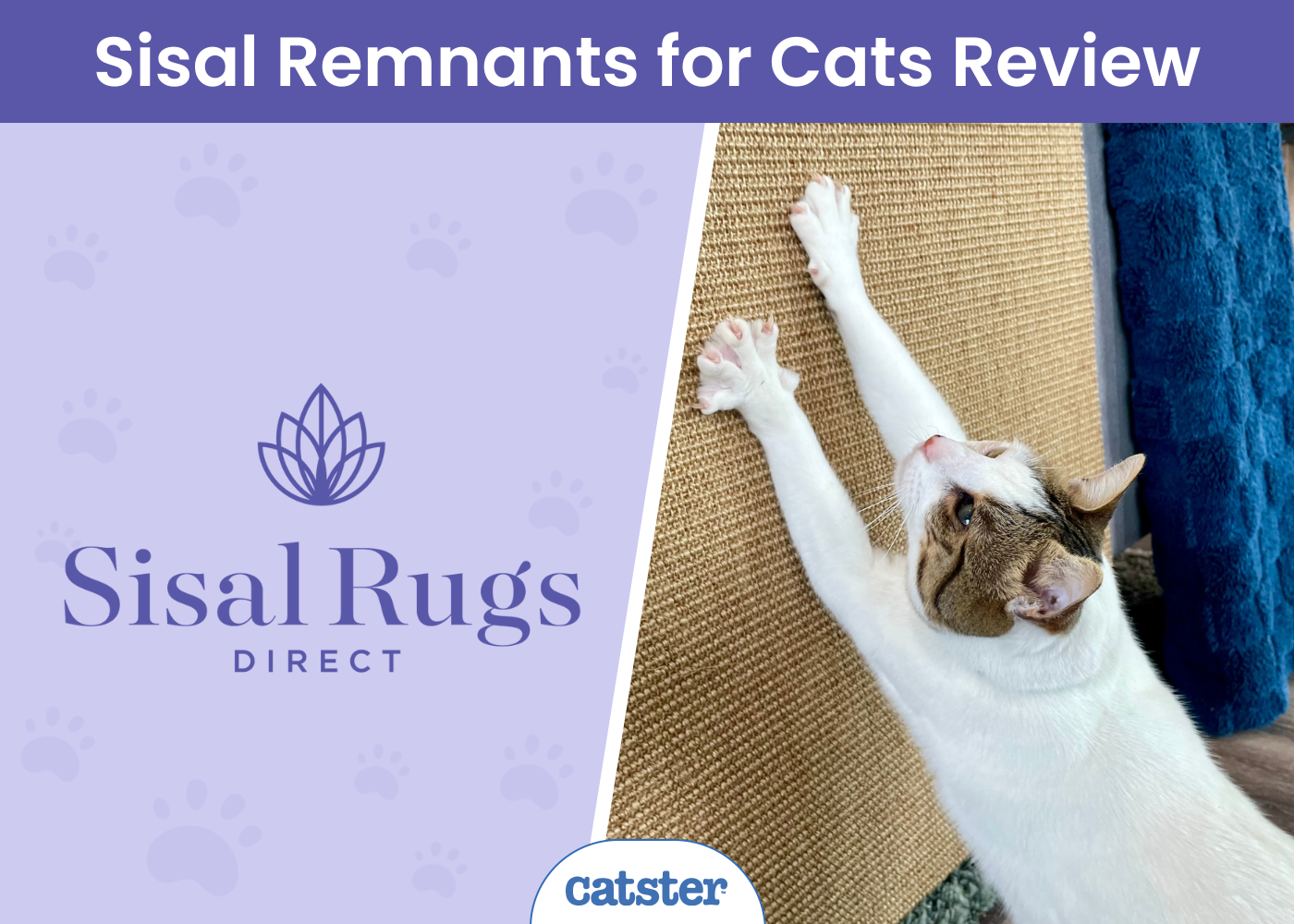
Sisal fabric is also made from natural fibers of the agave plant that are woven to create a fabric, just like other natural fabrics, such as cotton, linen, and hemp. It is much softer than sisal rope. It has a softer texture and is more visually appealing for most projects, making it great for DIY projects like cat scratching posts. It’s also easy to work with compared to sisal rope, so if you’re just starting out in crafting or don’t have much experience using either material, then this might be the better choice for you. Sisal fabric comes in multiple sizes and colors to suit any project or application, just like with sisal rope, and as long as it is untreated and natural, it is safe for cats.
Best for: Beginners and those who want the softer texture of sisal fabric and a more visually appealing option when looking at the overall design of a project compared to sisal rope.

Compare & Contrast: Sisal Rope vs. Sisal Fabric
Sisal rope and fabric are both made from natural fibers of the agave plant and can be used for crafting projects, such as cat scratching posts, rope making, gardening, craft projects, and furniture making. However, there are some key differences between these two materials that should be taken into consideration before deciding which one to use.
If you're looking for a long-lasting, durable material that can withstand scratching and clawing from cats, then sisal rope is the better choice. It has a coarse texture that is more durable than sisal fabric, and it can be easily cut with scissors or knife blades. It is also lightweight yet strong, has good resistance to abrasion and chemicals such as alkalis and acids, and because of its natural fibers, it is non-toxic. Sisal rope is what you would use for the part of the scratching post that the cat scratches.
On the other hand, if you’re just starting out in crafting or don’t have much experience using either material, then sisal fabric might be the better choice for you. It has a softer texture, making it less durable. Sisal fabric is what you might use to cover the base of the scratching post, not for the part of the scratching post that the cat actually scratches. It is more visually appealing for most projects because it typically comes in more colors than sisal rope.
Sisal Rope
Pros
- Durable and long-lasting
- Lightweight yet strong material
- Good resistance to abrasion and chemicals such as alkalis and acids
Cons
- Coarse texture which may not be suitable for certain projects
Sisal Fabric
Pros
- Softer texture than sisal rope
- Comes in more colors
- Easy to work with
Cons
- Not as durable or long-lasting as sisal rope
The 6 Other Factors to Consider
When deciding which material to use, remember that both sisal rope and fabric come in multiple sizes and colors to suit any project or application. Also, take into account the overall design of your project as well as how much time, effort, and money you are looking to invest into it.
If you’re short on time, then sisal fabric might be the better option for you due to its easy workability compared to sisal rope. However, if durability is more important than visual appeal, then sisal rope is definitely the better choice. Ultimately, it comes down to personal preference and budget, so take your time when making a decision!
1. Price/The Cost Factor
In terms of cost, sisal rope is usually more expensive than sisal fabric due to the quality and durability it offers. Sisal fabric may be cheaper, but you will likely have to replace it more often compared to sisal rope.
2. Size & Color Options
Both materials come in multiple sizes and colors to suit any project or application. Sisal rope is usually more limited in terms of colors compared to sisal fabric, which offers a wider range of colors and finishes because it can be more easily dyed. However, it is best to use natural, non-dyed products to ensure they are safe for your cat. If you want it dyed a certain color, then you need to be sure that the dye is non-toxic for your cat.

3. Durability/Strength
In terms of durability, sisal rope is more durable and long-lasting than sisal fabric due to its coarse texture and strong fibers. Sisal fabric may be softer, but it won’t last as long or be as strong compared to sisal rope.
4. Workability/Ease of Use
Sisal fabric is easier to work with compared to sisal rope because it has a softer texture and can be easily cut with scissors or knife blades. Sisal rope may be more durable, but it can also be harder to work with.
5. Overall Design/Visual Appeal
If you’re looking for a visually appealing option, then sisal fabric might be the better choice for you due to its softer texture and wider range of colors and finishes compared to sisal rope. However, if durability is more important than visual appeal, then sisal rope is definitely the better choice.

6. Safety
In terms of safety, sisal rope and sisal fabric, when untreated and in their natural form, are non-toxic materials, so you can use them with confidence knowing that they won’t cause any adverse reactions or harm to your project. “Treated” sisal means the material has been changed in some way; usually dyed, coated, or preserved with chemicals to make it last longer. While that might sound helpful, the problem is that some of these treatments can include toxic substances. If your cat chews on it or breathes in the fumes, it could lead to irritation, allergic reactions, or even more serious health issues over time. Therefore, when choosing sisal for your cat please ensure it is natural and untreated.
FAQ
Q: What is the biggest difference between sisal rope and fabric?
A: The main difference between sisal rope and fabric is that sisal rope is more durable and long-lasting due to its coarse texture, while sisal fabric has a softer texture that may not be as strong or long-lasting. Sisal fabric also offers a wider range of colors and finishes compared to sisal rope.
Q: Is sisal safe to use?
A: Yes, both sisal rope and fabric are non-toxic, natural materials that are often dyed with natural dyes. So, you can use them with confidence knowing that they won’t cause any adverse reactions or harm, and they are better for the environment than ropes and fabrics made from plastic. However, make sure it is natural and not “Treated” sisal. Because once the material has been altered, dyed, coated, or preserved with chemicals to make it last longer or look different, those treatments can release fumes or leave behind residues that might irritate your cat or even make them sick if they chew on it or breathe it in.
Q: Is sisal rope more expensive than fabric?
A: Generally speaking, yes, sisal rope is usually more expensive than sisal fabric due to the quality and durability it offers. Sisal fabric may be cheaper, but you will likely have to replace it more often compared to sisal rope. Ultimately, it comes down to your personal preference and budget.
Q: What is the best option for my project?
A: If you’re making a cat scratching post, then there are uses for both materials. Sisal fabric would usually be used to cover the base of the scratching post. Sisal rope would be wrapped around the main post that the cat scratches. Since the rope is more durable, you want that to be the part that the cat scratches on.
Q: What is the best way to work with sisal fabric?
A: The best way to work with sisal fabric is to use scissors or a sharp knife blade. Sisal fabric has a softer texture and can be easily cut, making it easier to work with than sisal rope. For more intricate projects, you may need special tools like punches or dies, but generally speaking, scissors should do the trick!
Q: Can I paint sisal fabric?
A: Painting sisal for cats is generally not recommended, as most paints contain chemicals like VOCs, solvents, and preservatives that can be harmful if ingested or inhaled. Painted sisal may also flake, posing an ingestion risk, and some cats might reject it altogether due to changes in texture. If you want a safer option, choose naturally colored or plant-dyed sisal, or use non-toxic paints only on areas your cat won’t scratch, ensuring the paint is fully cured and odor-free before use.
Conclusion
Sisal rope and sisal fabric are both great materials to use for a variety of crafting projects, including cat scratching posts, but there are some key differences between the two that should be taken into consideration before deciding which one to use or how to use them both. Sisal rope is more durable and long-lasting, while sisal fabric has a softer texture that is more visually appealing for most projects. Depending on your project needs, it may be worth considering both materials and determining which one best fits your requirements in terms of price, durability, and design. Safety is also an important factor when working with these materials, so always make sure you use untreated, natural products and take all the necessary precautions prior to beginning any project.
Featured Image Credit: Svetlana Rey, Shutterstock

Expert cat care, straight to your inbox
Vet-reviewed advice, behavior tips, and the best of Catster. Free, and you can unsubscribe anytime.
By signing up, you agree to our Terms & Conditions and Privacy & Cookies Policy.
Christian started writing for a local newspaper as a teenager, and he's been involved in the publishing industry for most of his adult life. Combining his love of writing with a passion for animals, he is currently the Director of Editorial at Pangolia and the Editor-in-Chief at Catster.
Christian lives in the Philippines with his wife, son, and four rescue cats: Trixie, Chloe, Sparky, and Chopper.
Join the conversation
Ask a question, share your story, or send private feedback.