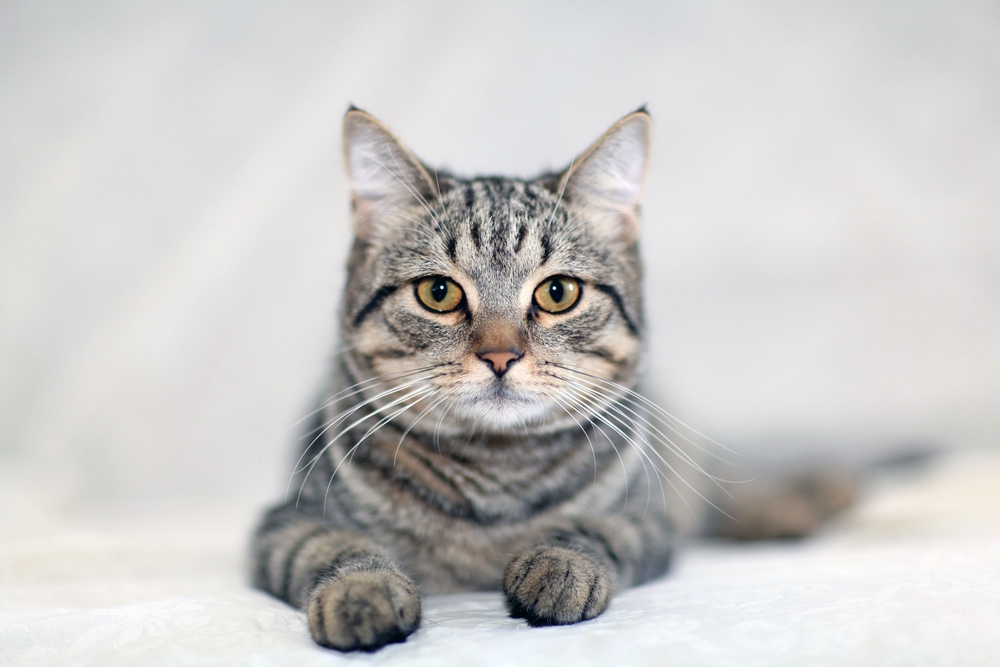
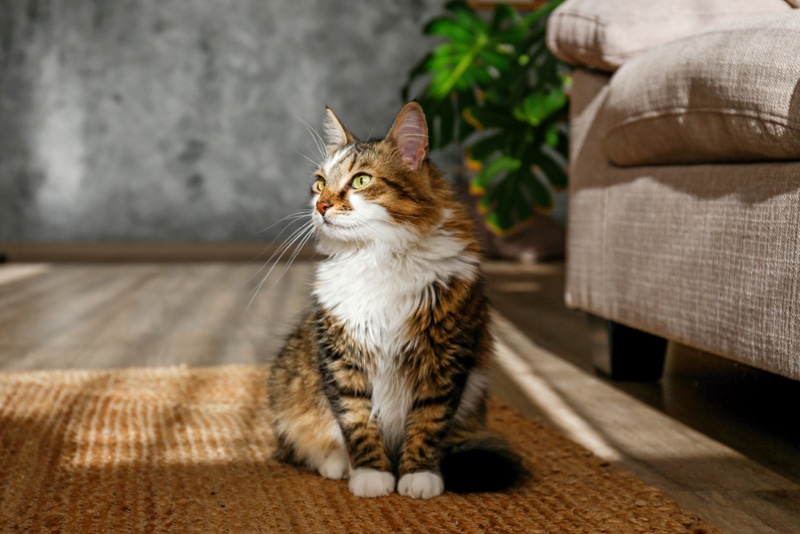
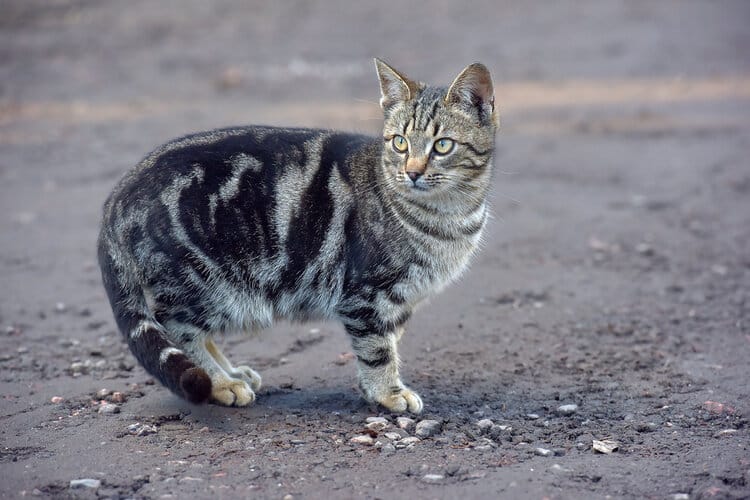
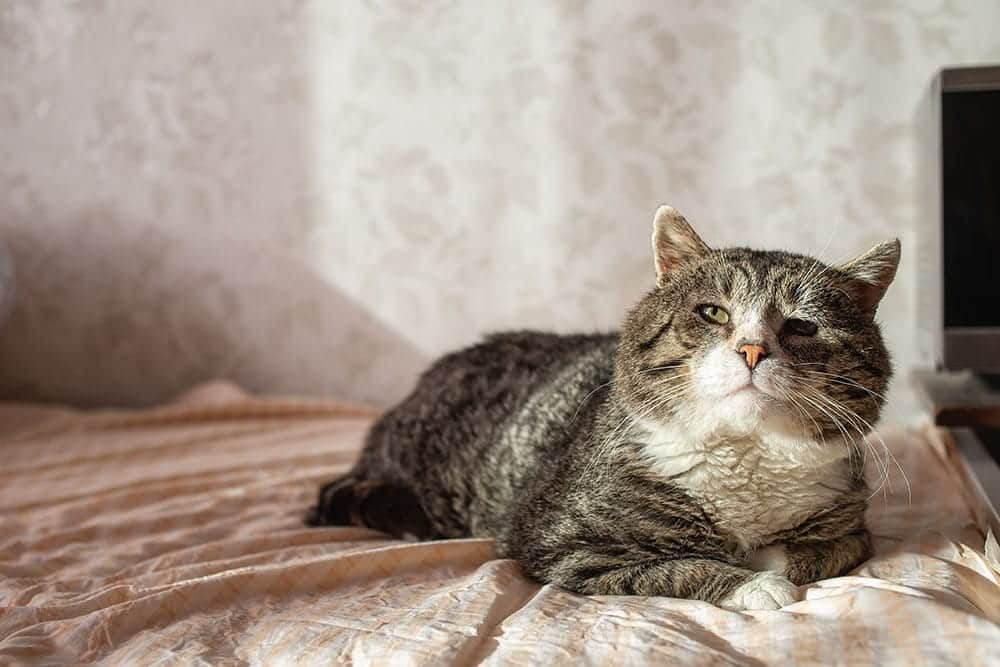
What Makes Orange Tabby Cats So Fascinating (It’s Not Just the Color)


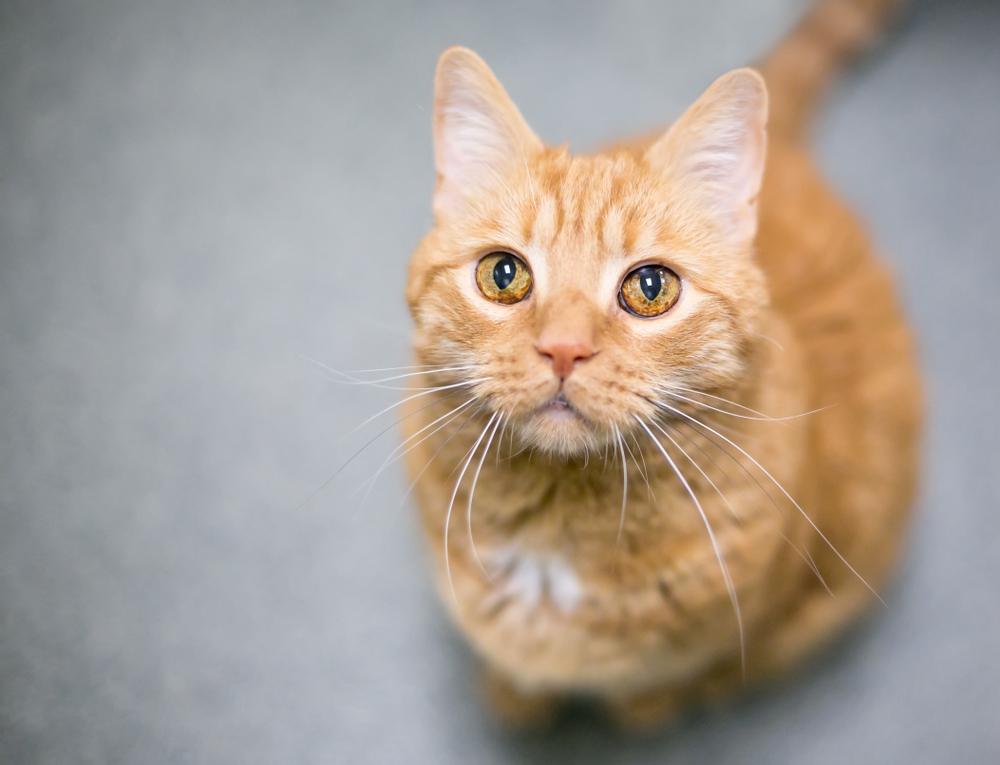
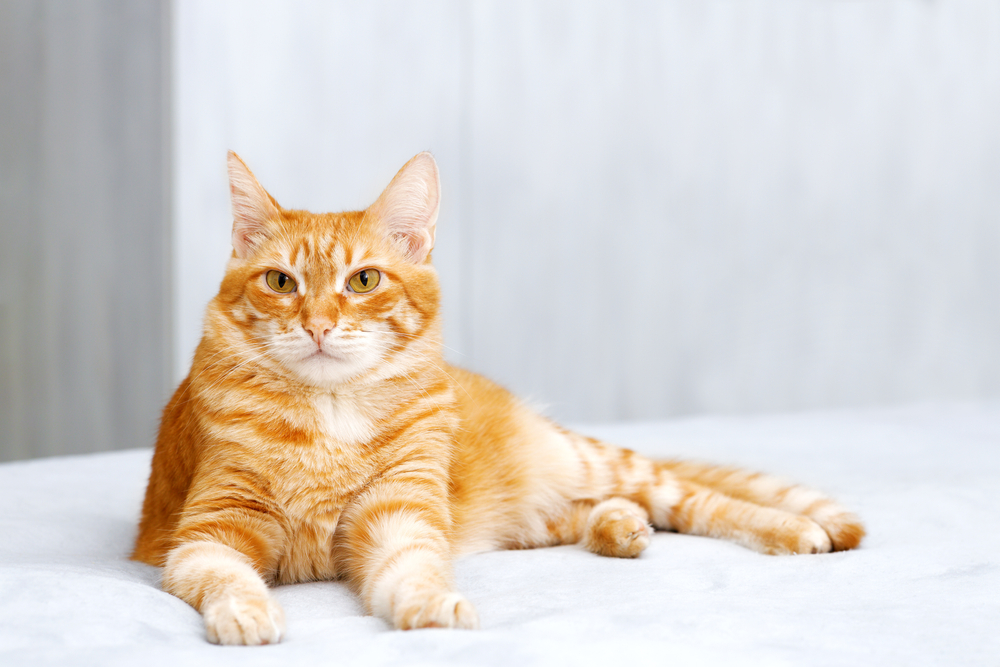
Orange tabby cats are everywhere, and yet most people know surprisingly little about what actually makes them so fascinating (unless you are owned by one, of course). The colour, the personality, the famous M on their forehead, even those little black freckles that show up on their nose. There's more behind all of it than you might expect. Here are some tabby cat facts that many people don’t know.
Most Orange Cats Are Male
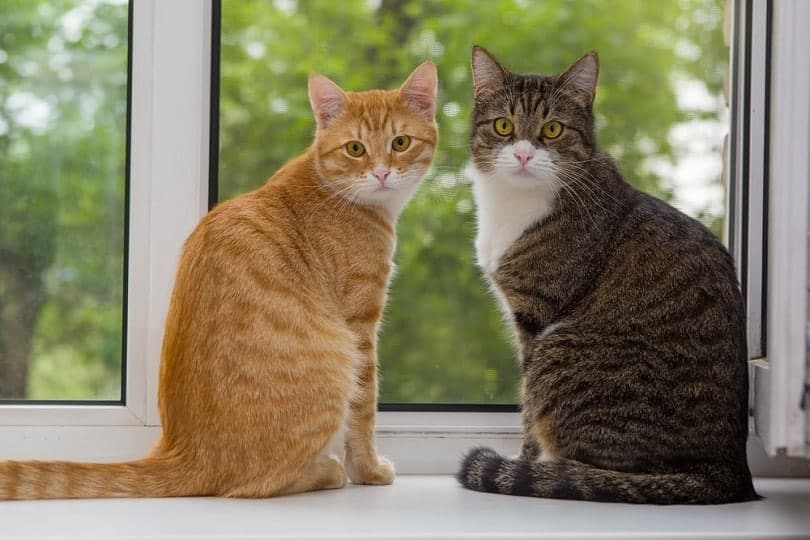
This one surprises people. Around 80% of all orange tabby cats are male, and it comes down to genetics. The gene responsible for the orange colouring is linked to the X chromosome. Females need two copies of the orange gene, one from each parent, to produce the colour. Males, having only one X chromosome, need just one. That makes it significantly more likely to land a male. For context, the reverse is true of calico cats, which are almost always female. Only about one in every 3,000 calico cats is male.
The Colour Itself Has a Name, and a Human Equivalent
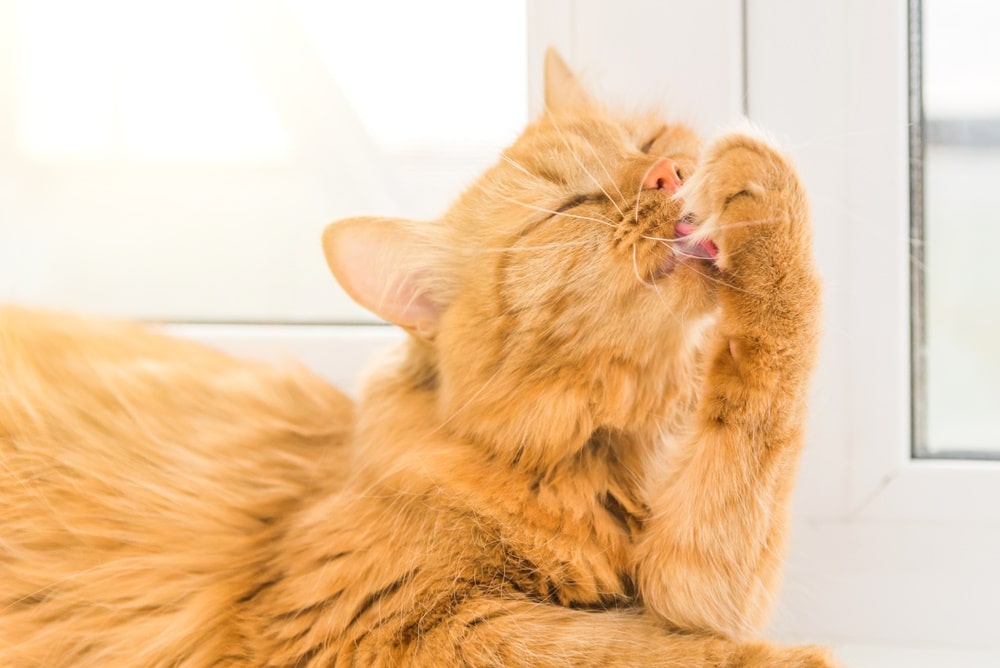
That warm ginger hue comes from a pigment called pheomelanin. Through a genetic mechanism that isn't fully understood, this pigment replaces the more typical dark eumelanin in the hair shafts of orange cats, giving the coat its distinctive colour. It's the same pigment responsible for red hair in humans, which is why the comparison between ginger cats and their human counterparts comes up so often. Whether the personality similarities hold up is a different matter and very much individual.
No Two Orange Tabbies Look the Same
The orange tabby isn't a breed; it's a coat colour and pattern that can appear across many different breeds, including Persians, Maine Coons, Abyssinians, Turkish Angoras, American Bobtails, and Egyptian Maus. Within that, there are five distinct tabby patterns:
Classic: sweeping swirls of different orange shades
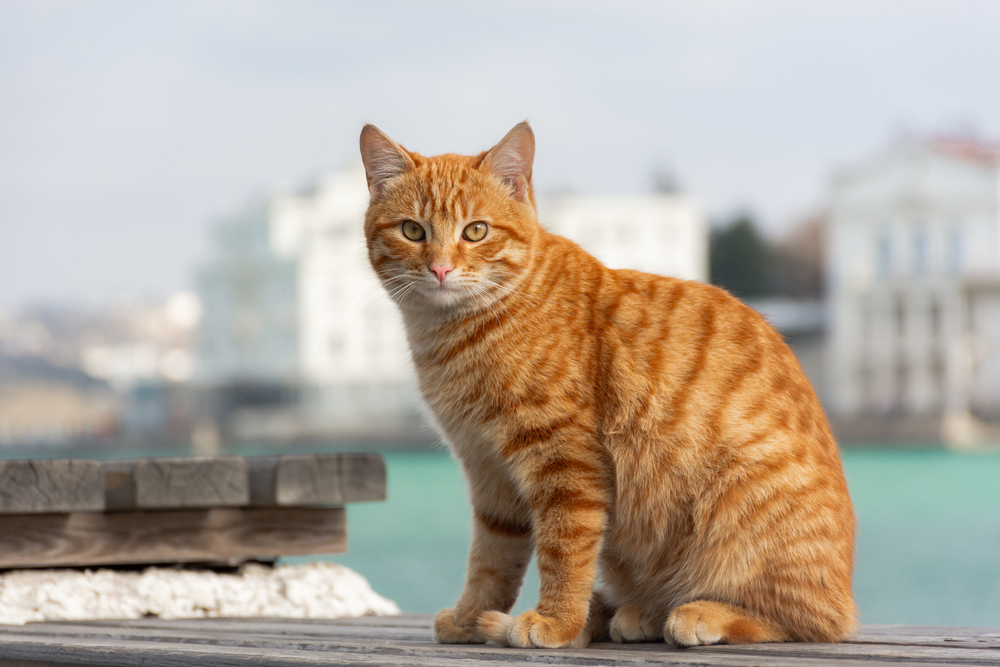
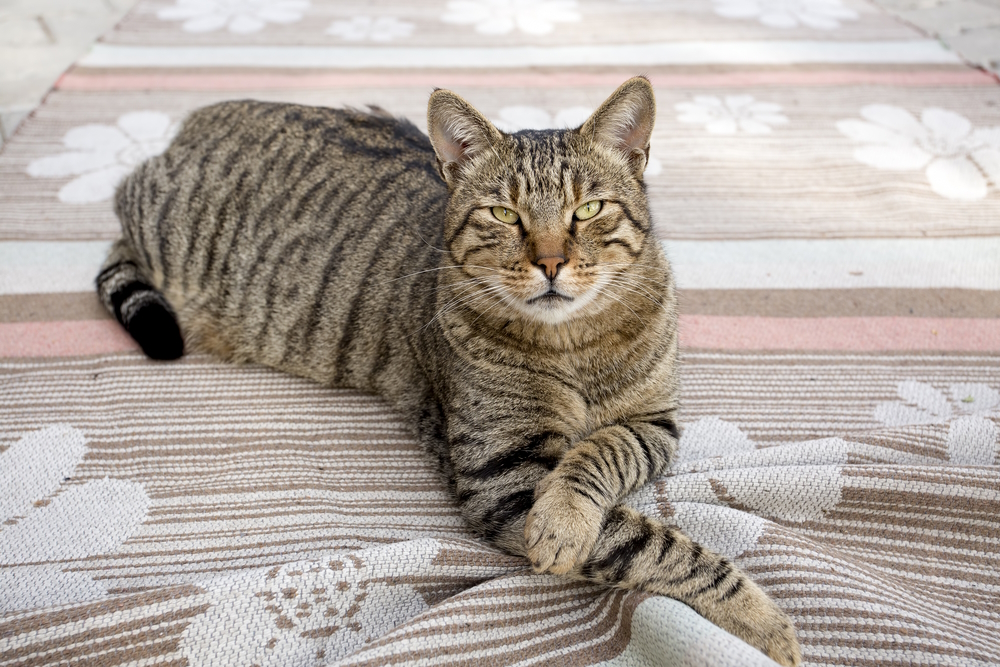
Mackerel: tiger-like stripes, with rings around the legs and tail
Spotted: spots rather than stripes, as a variation on mackerel
Patched: patches of dark or grey-brown mixed with orange, often seen in tortoiseshell tabbies
Ticked: the coat looks almost solid at a glance, but each hair has alternating bands of light and dark fur; the classic striping may only appear on the face and legs
On top of the pattern, the shade itself can range from very pale cream to a deep reddish mahogany, which means two orange tabbies can look quite different from each other even within the same pattern type.
Every Tabby Has That "M" on Their Forehead

All tabbies, regardless of colour, have a distinctive M-shaped marking on their forehead. It's one of those features that tends to prompt questions. There are a couple of legends attached to it: one says the marking was left by the Virgin Mary after she kissed a tabby cat who had been comforting the baby Jesus, another attributes it to the prophet Muhammad blessing a cat that had saved him from a snake. No one knows for certain where the legend originates, but the marking itself is simply part of the tabby pattern.
Their Coats Were Designed for Hunting
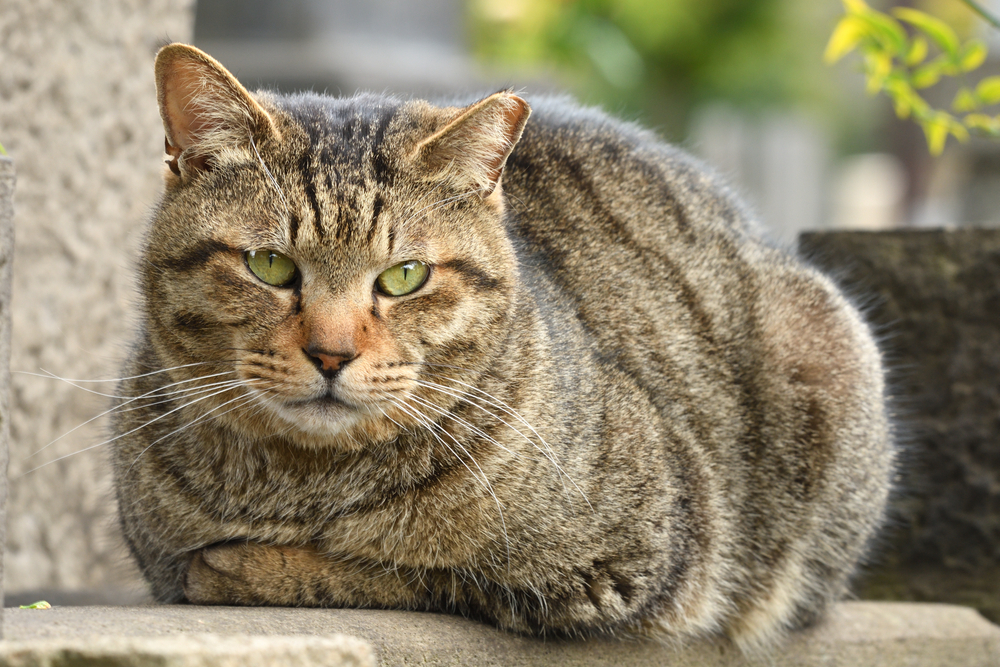
Those stripes and patches aren't just decorative. Like the markings on tigers and other large wild cats, tabby patterns function as camouflage, helping cats blend into their surroundings while hunting. It's the same principle that makes a Bengal tiger disappear into tall grass. Domesticated cats carry that same evolutionary design, even if the most intense hunting most of them do is chasing a toy across the living room floor.
The Personality Reputation Is Mostly Earned

Orange tabbies have a reputation for being laid-back, affectionate, and food-motivated, and by most accounts, that reputation holds up reasonably well, though every cat is an individual. They tend to be social and docile, and often quite forward when meeting people. They're also known for being enthusiastic about food, to put it diplomatically, which means weight management is worth paying attention to. Like any cat, they're prone to weight gain if they're eating more than they're burning off.
Their relaxed temperament makes them popular companions, but their personalities are also shaped significantly by early socialisation and life experience, so it's not purely about coat colour.
They Can Develop Black Freckles
One trait that catches orange tabby owners off guard is the appearance of small dark spots on the nose, lips, and surrounding skin. These spots, called lentigo, develop when pigment-producing cells in the skin multiply. They're common in orange cats and are usually harmless. That said, any new or changing marks on your cat's skin are worth having a vet look at to rule out anything more concerning.
Their Eye Colours Are Worth a Look

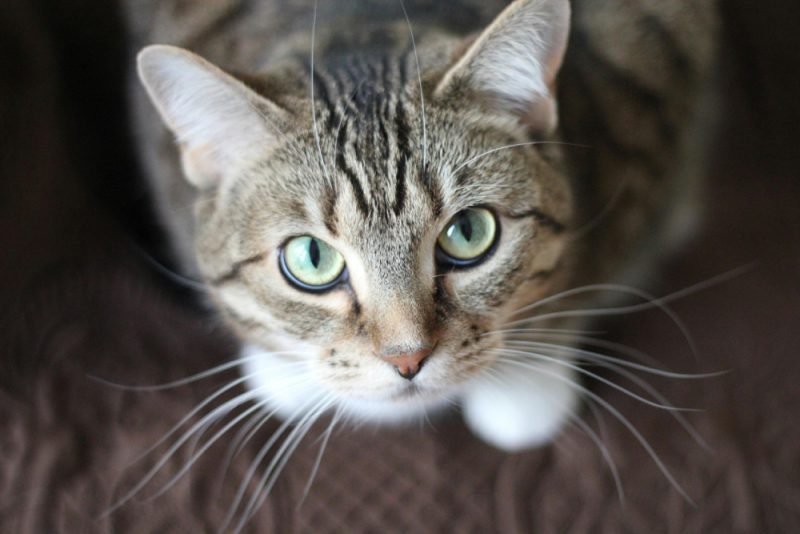
Orange cats can have gold, green, copper, or, less commonly, blue eyes. Each creates a different contrast against the coat, and the variety is wider than many people expect, given how consistent the orange colouring itself tends to be.
The Famous Ones Are Almost All Boys
Given the gender split, it probably won't surprise you that most of the famous orange tabbies from film and television are male. Garfield, Crookshanks from Harry Potter, Oliver from Oliver and Company, Milo from Milo and Otis, and both Toulouse and Thomas O'Malley from The Aristocats all fit the pattern. It's a near-universal coincidence that reflects the underlying genetics pretty accurately.
Summary
Orange tabbies are more than just a pretty coat. Around 80% are male due to genetics, and their ginger colour comes from the same pigment responsible for red hair in humans. They're not a breed but a pattern that appears across many different cats, all sharing that distinctive M-shaped forehead marking. Known for being affectionate, laid-back, and food-obsessed, they make fantastic companions and are commonly found in shelters.
Sources
Featured Image Credit: Mary Swift, Shutterstock
Did You Know?
- Our brand-new posts are rounded up and included in our weekly emails. Don't miss out on the latest - sign up for our newsletter below!

Expert cat care, straight to your inbox
Vet-reviewed advice, behavior tips, and the best of Catster. Free, and you can unsubscribe anytime.
By signing up, you agree to our Terms & Conditions and Privacy & Cookies Policy.
Dan has been working in the pet world for over 4 years covering cats, dogs, and all other pets in between. He loves helping pet parents keep their companions happy, healthy, and of course, totally spoiled! Originally from London, Dan now travels and works remotely, which unfortunately means no pets at home, but it gives him plenty of opportunities to fuss over other people's furry friends.
Join the conversation
Ask a question, share your story, or send private feedback.