How Long Do Ragdoll Cats Live? Vet-Verified Average Lifespan Data & Facts

In this article
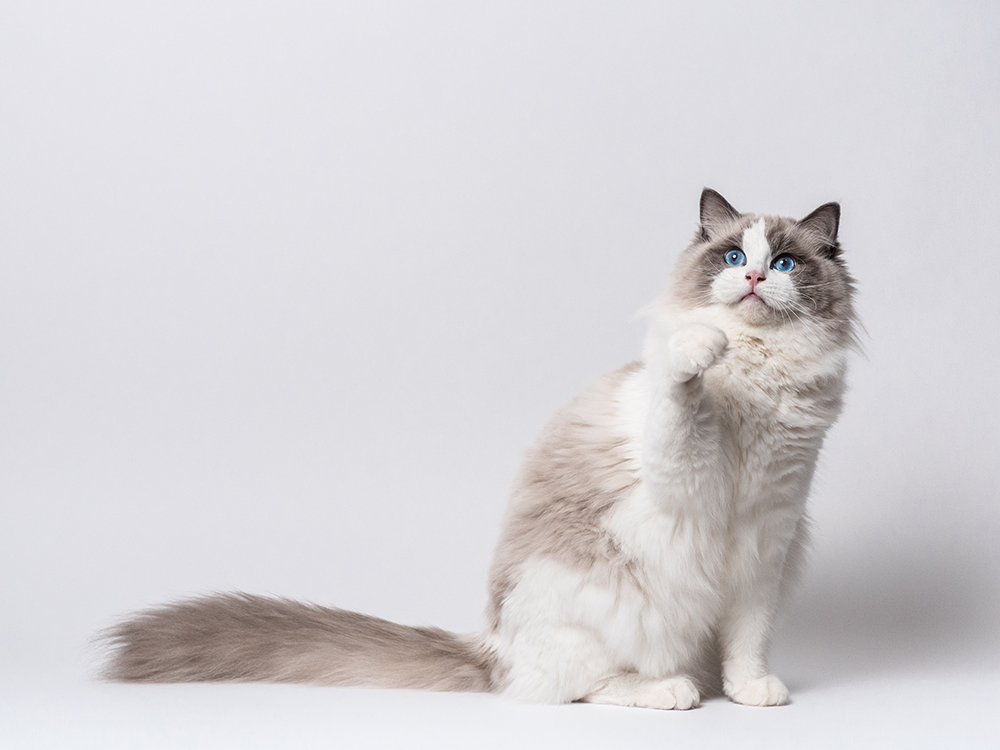
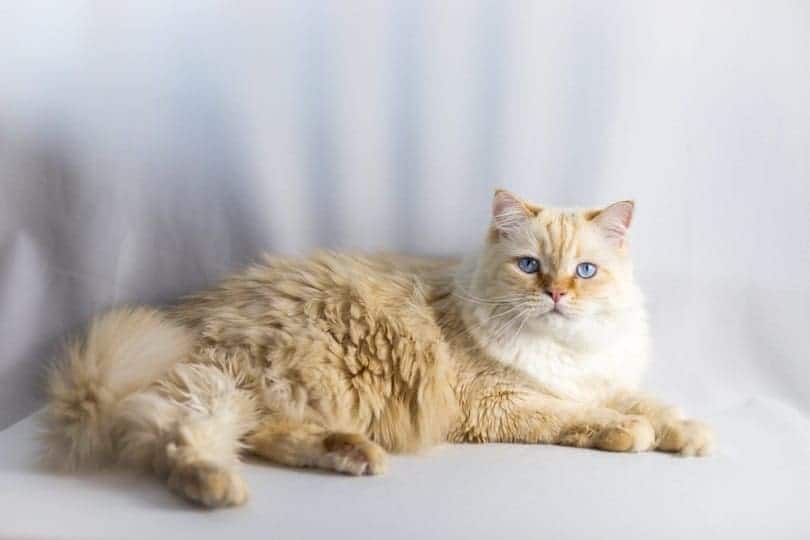
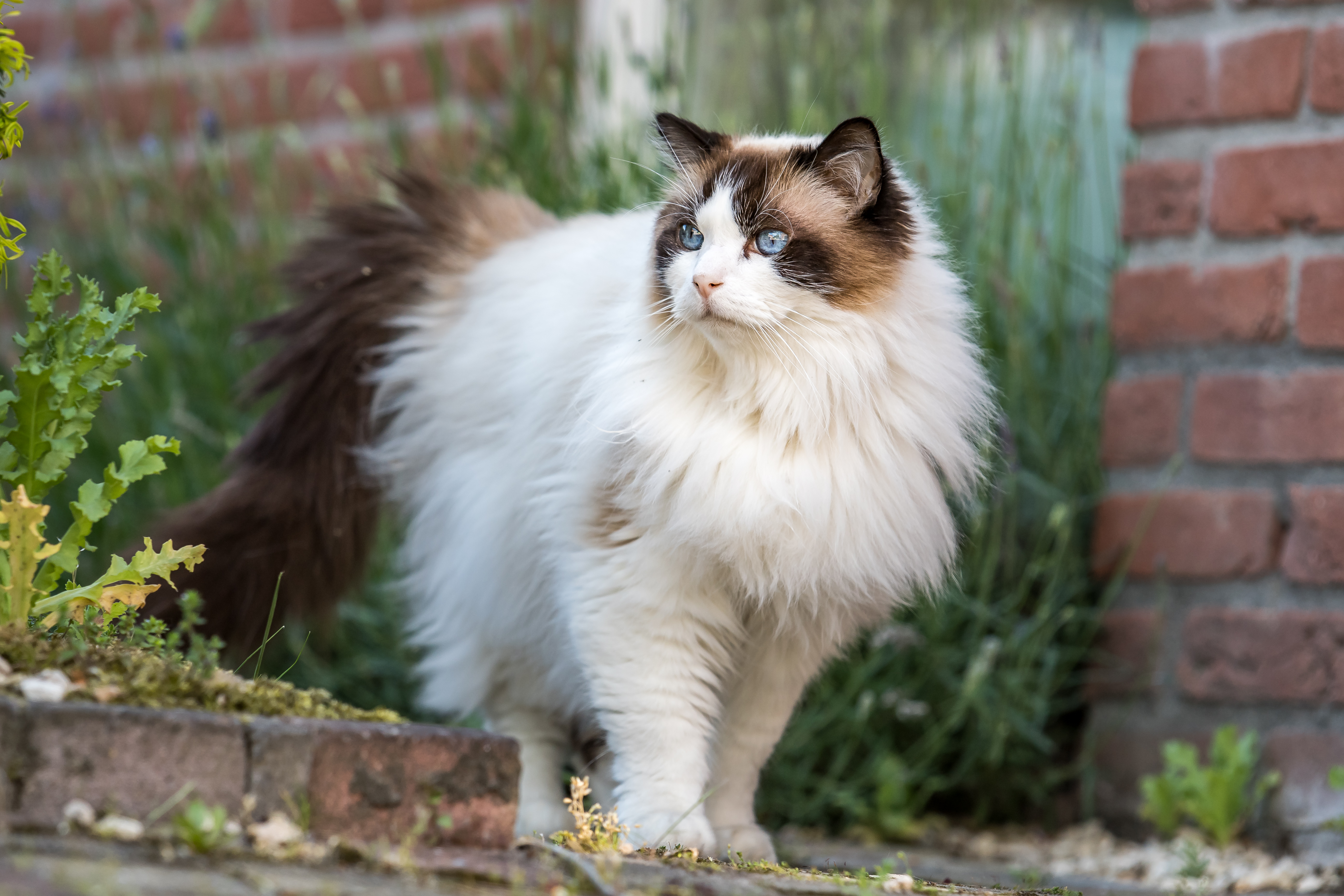
Ragdoll cats get their name due to their unique behavior. They go limp when you pick one up, just like a ragdoll. They have been bred to be this laid back and are adorable. If you are considering adopting one of these beautiful cats, you might be wondering how long they tend to live for. How long is that? They have a life expectancy of 10 to 15 years. Keep reading to learn more.

What's the Average Lifespan of a Ragdoll Cat?
Ragdoll cats are predisposed to a few health conditions, but generally speaking, they are a healthy breed. Their average lifespan is in the range of 10 to 15 years, but they are sometimes known to live even longer. According to many owners of these adorable and docile kitties, they can regularly live 15+ years if they are in good health.
Why Do Some Ragdoll Cats Live Longer Than Others?
1. Healthcare
Routine vet visits help detect any health problems early on, before they escalate to bigger issues. If there is a health concern, your veterinarian can spot it early on, especially when you stick with one vet and they get to know your pet well. Regular vaccines and parasite control help prevent major illnesses. If you ever have a concern about their health, follow up with a vet visit so it can be treated immediately and doesn't negatively affect their lifespan.
2. Nutrition
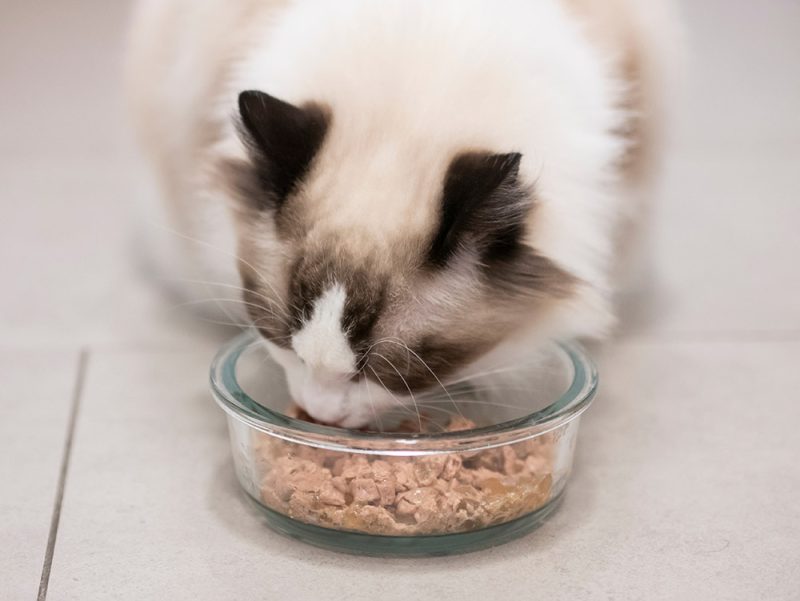
What your cat eats has a profound effect on their lifespan. Complete and balanced kibble and premium wet or fresh food can help prevent many chronic illnesses. Because Ragdoll cats are susceptible to obesity, you'll also need to closely monitor their weight and ensure they eat proper portions for their size. If you are unsure what type of food your Ragdoll cat should eat or how much, your veterinarian can help.
3. Lifestyle
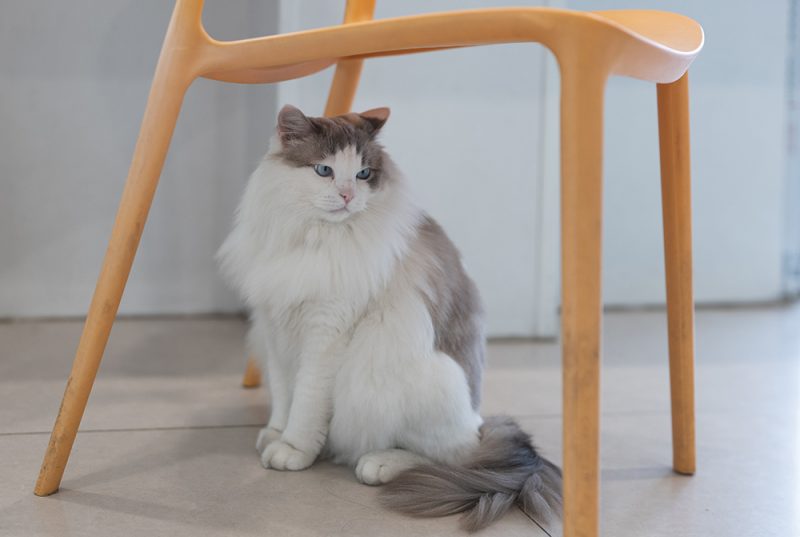
Humans need a healthy and safe environment in which to live comfortably. If we don't, it could harm our health. In a 2022 study looking at over 3,000 cases, trauma was the number one reason for mortality in cats of all ages. If your cat lives an indoor life, their likelihood of being involved in an accident is much less than if they are allowed to roam outside. Ragdoll cats need an environment that suits them to maximize their quality of life, whether it’s an apartment or a country house. If you don't feel comfortable and safe, your cat doesn't either.
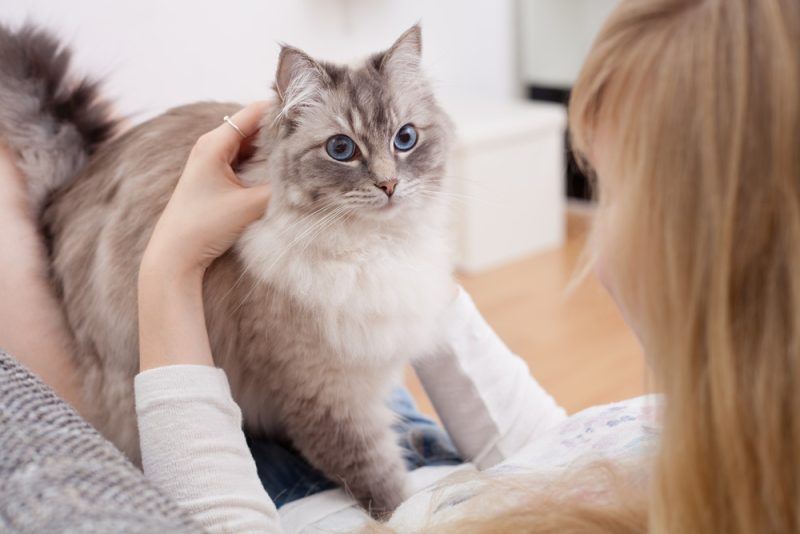
4. Neutering Status
Neutered cats tend to live a little longer than entire cats. This can be said for all breeds. Having your pet spayed or neutered, especially if done before they reach sexual maturity, can prevent many future health problems.
5. Breeding History
Ragdolls can suffer from certain conditions that are hereditary, such as hypertrophic cardiomyopathy (HCM). Breeders should be aware of these conditions and test their cats before breeding from them to avoid perpetuating this life-threatening heart condition. Find out if your cat's parents were tested or suffered from this heart disease to determine if your Ragdoll is at risk.

The 5 Life Stages of a Ragdoll Cat
Kitten (Birth to 1 year)
As a kitten, your Ragdoll cat will learn certain behaviors to help them live a long, healthy life. This includes using their litter box, eating routines, and socialization with humans and other pets. Feeding premium kibble and wet food designed for growing kittens is essential to staying healthy at this life stage and beyond. Follow up on all recommended vaccines and have them spayed or neutered.

Young Adult (1 to 5 years)
Your Ragdoll cat will finish their growth during this life stage. Although they may need a kitten diet longer than other breeds. Although they are still growing like kittens, they may not be as playful as they were when they were younger. Because Ragdolls are so docile, you'll see them quiet down and become more of a companion pet at this stage.
Mature Adult (5 to 10 years)
Mature Ragdolls may slow down even more. In addition to their usually relaxed selves, you'll find them wanting more time on your lap or sitting near you on the couch. Look for signs that your older cat has trouble grooming themselves or hesitating to jump from high places, as these could indicate joint problems. Routine dental cleanings and tooth brushing at home can help prevent major dental problems.
Senior (10 to 15 years)
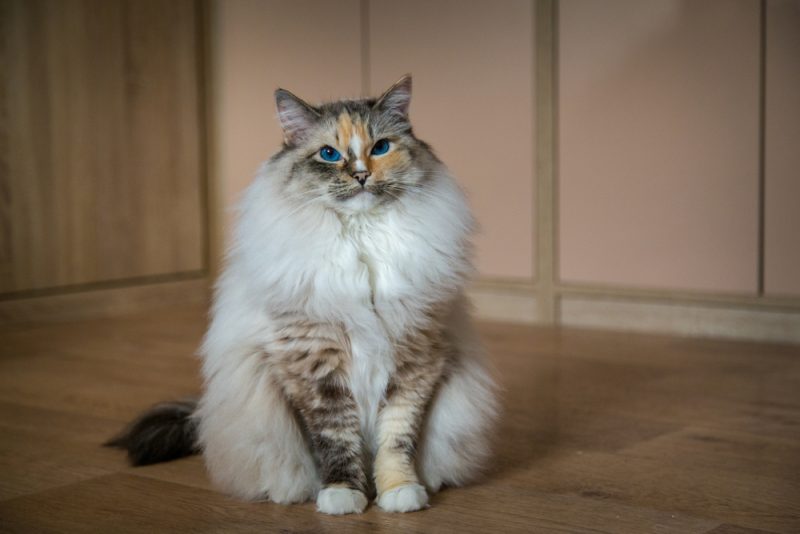
Many cats develop chronic illnesses like high blood pressure and chronic kidney disease around this age. Regular vet visits can help you best care for your aging Ragdoll so they are happy and healthy. You should encourage playtime, as even senior cats should get some exercise. It is especially important to prevent obesity as they slow down with age.
Geriatric (15+ years)
Some Ragdoll cats may live to such old ages, and if they do, they may suffer from arthritis. You will need to do some home and lifestyle changes to adjust to their situation. Playtime is recommended, but use shorter cat trees and platforms so they aren't tempted to jump to or from high places. Be on the lookout for changes in behavior that signal an illness because geriatric cats of any breed are more susceptible to them at this age.

How to Tell Your Ragdoll Cat's Age
You may not know their exact age if you've adopted a Ragdoll. While it's challenging to pinpoint precisely if they are no longer a kitten, there are some things you can do to determine a cat’s age. Every kitten is unique, but a reasonable estimate can be made on their teeth. For example, they should have all their permanent teeth by 6 months, and older cats tend to have teeth that are less white and show more signs of tartar or gum disease. Insufficient grooming habits could indicate, among other things, a mature cat that has some degree of joint disease, and cloudy eyes may indicate a senior or geriatric cat as well.


Conclusion
Ragdolls are lovable, laidback felines that make excellent pets. Whether you are considering a Ragdoll, already have one, or are interested in this unique breed, you now know how long on average they tend to live. Most pet parents can expect a healthy, happy cat to live long into their senior years as an easygoing yet playful companion.
See Also:
Sources
Featured Image Credit: Serita Vossen, Shutterstock

Expert cat care, straight to your inbox
Vet-reviewed advice, behavior tips, and the best of Catster. Free, and you can unsubscribe anytime.
By signing up, you agree to our Terms & Conditions and Privacy & Cookies Policy.
Christian started writing for a local newspaper as a teenager, and he's been involved in the publishing industry for most of his adult life. Combining his love of writing with a passion for animals, he is currently the Director of Editorial at Pangolia and the Editor-in-Chief at Catster.
Christian lives in the Philippines with his wife, son, and four rescue cats: Trixie, Chloe, Sparky, and Chopper.
Join the conversation
Ask a question, share your story, or send private feedback.