The Surprisingly Simple Ways to Help a Cat With Hairballs

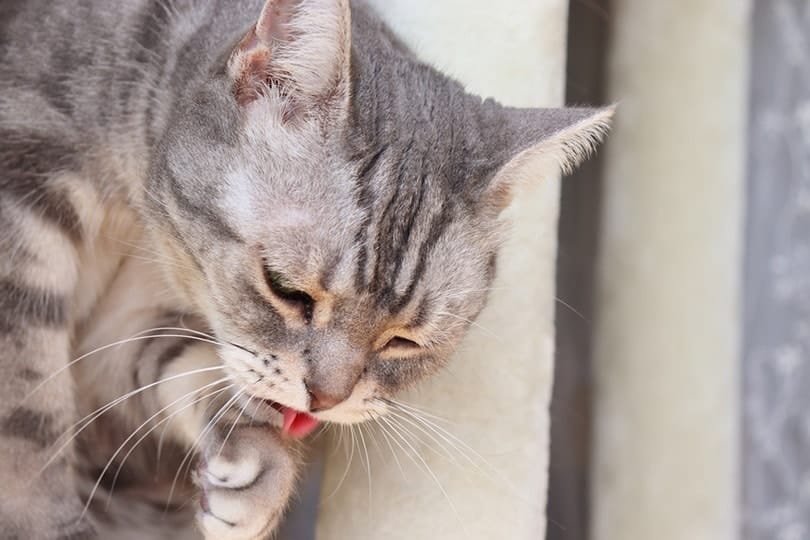
Cats spend an astonishing amount of time grooming. It is part hygiene routine, part comfort ritual, and part instinct that traces back generations. But all that licking comes with a familiar side effect that most cat owners know well: hairballs.
For some cats, hairballs are little more than an occasional unpleasant moment on the living room rug. For others, they become frequent, uncomfortable, and in more serious situations, potentially dangerous. The challenge is that most owners treat them as an unavoidable part of cat life when, according to veterinarians, they can point to something worth actually addressing. Frequent hairballs are a signal, one that often traces back to diet, hydration, grooming habits, or stress. The good news is that most of the fixes are straightforward, and several of them improve your cat's overall health well beyond just reducing hairballs.
Why hairballs happen in the first place
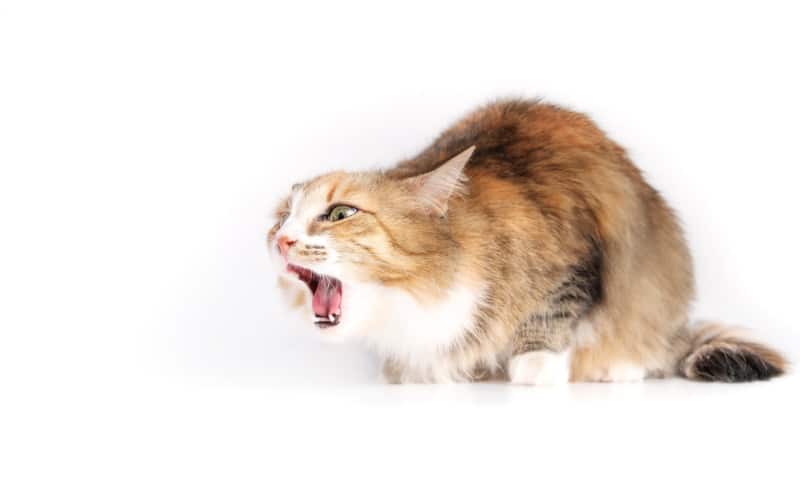
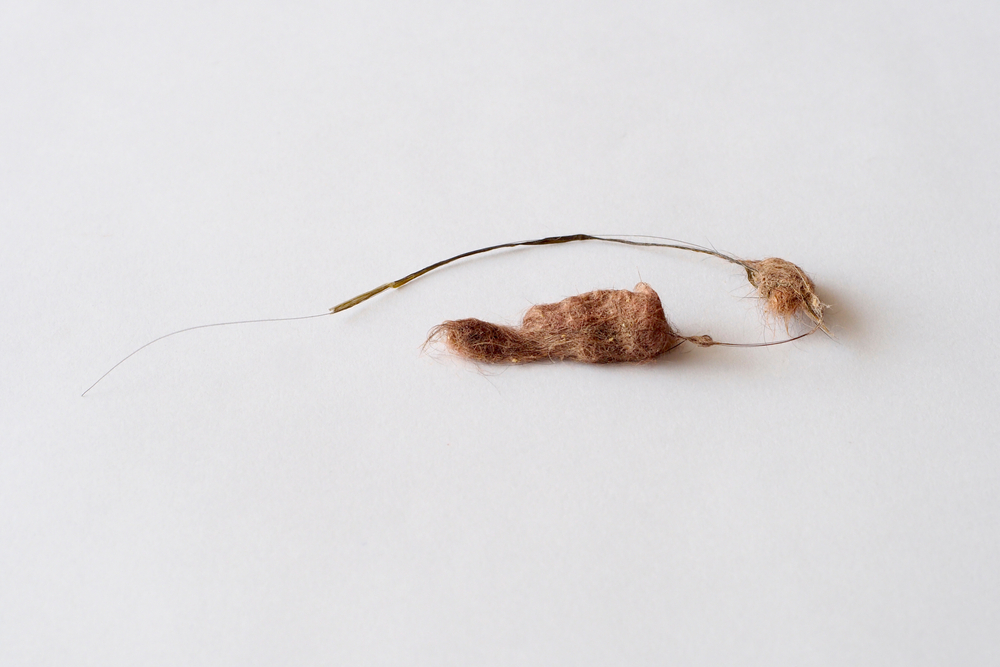
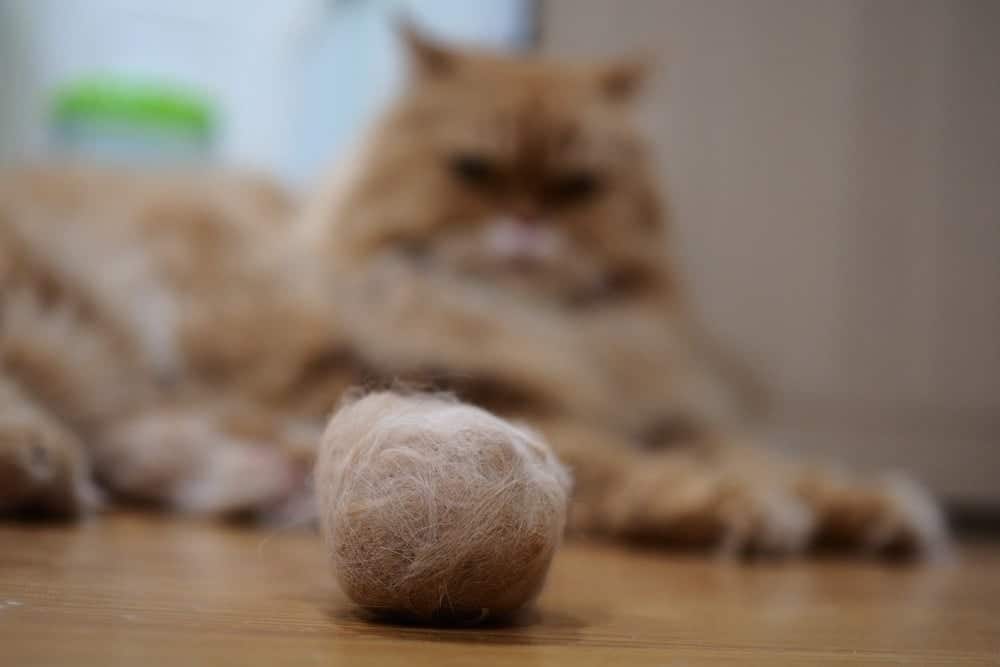
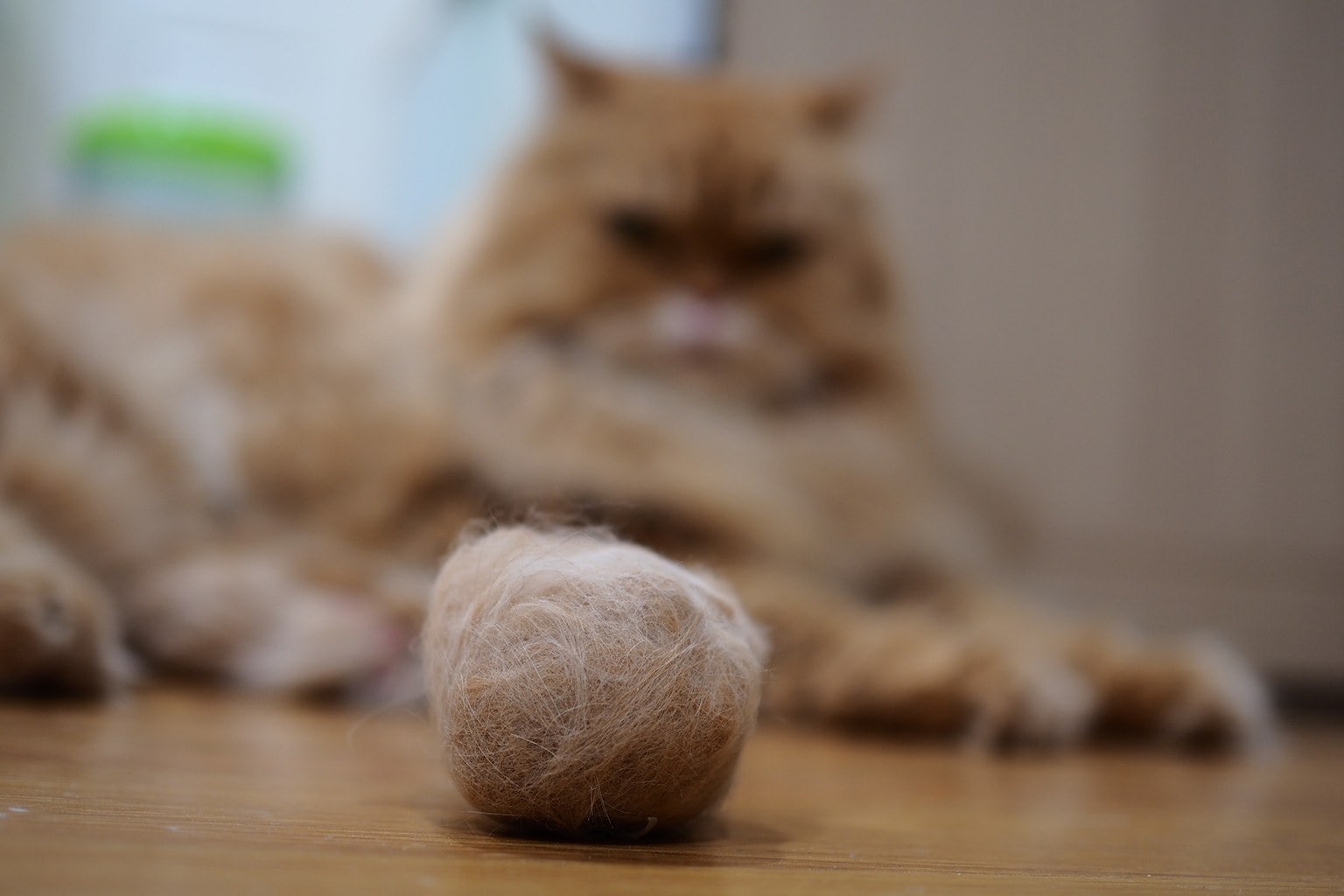
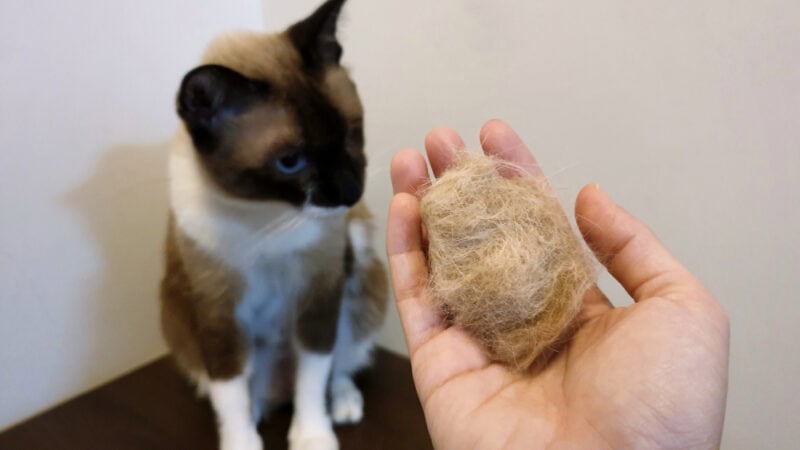
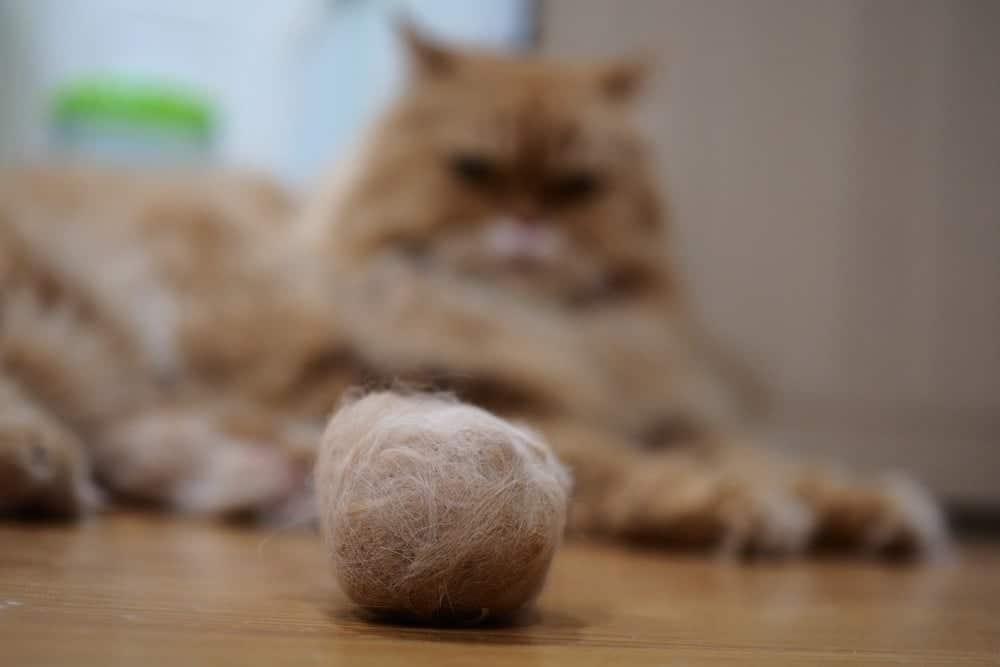
A cat's tongue is covered in tiny backward-facing barbs, which is why it feels like sandpaper. Those barbs are excellent for grooming, but they also catch loose fur and send it straight down the throat. Most of it passes through the digestive tract without issue. Some don't. It accumulates in the stomach and gets coughed back up as the dense, cylindrical clump you've come to recognize.
In more serious cases, that accumulation doesn't come back up at all. It becomes a gastrointestinal blockage, which is when a hairball stops being a nuisance and becomes a vet visit.
The easiest and most overlooked fix: brushing
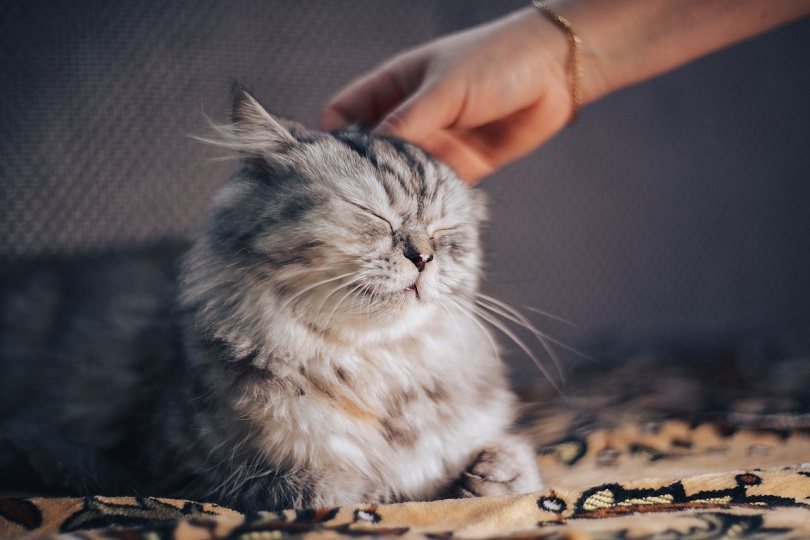
This sounds too obvious, but it's consistently the most underused solution. When a cat grooms itself, it's essentially ingesting whatever loose fur hasn't been removed yet. Brush it out first, and there's simply less of it to swallow.
Grooming gloves and de-shedding tools work well, especially with cats who aren't used to being brushed. Short, frequent sessions tend to go better than long ones. Most cats will tolerate a few minutes before they're done with you.

Your cat probably isn't drinking enough water
Cats evolved in arid environments, which means their thirst drive is genuinely low. Many cats on a dry food diet are mildly dehydrated most of the time, not dramatically so, but enough to make hairball formation worse. Hair that would otherwise pass through more easily tends to accumulate instead.
Wet food is the most straightforward fix. Broth made without onion or garlic is another option. Water fountains also tend to get more use than still bowls, since cats are naturally drawn to moving water over standing water.
The fiber connection
Hairball-specific cat foods address this, but the core issue is simple: when a cat doesn't get enough dietary fiber, hair accumulates in the stomach rather than moving through. Higher-fiber wet food formulas are generally what vets recommend.
Plain canned pumpkin is also worth knowing about. It's a reliable fiber source, it adds moisture to your cat's diet, and most cats will eat it mixed into a meal without issue.

An ingredient you probably haven't considered: lecithin
Part of what makes hairballs persistent is an oily coating that binds the fur together and causes it to stick to the stomach lining. Lecithin, an emulsifier, can help break that up so the hair passes through rather than collecting.
Two food sources that contain it are egg yolks and soybeans. Half a raw pasteurized egg yolk added to daily meals is a common approach, though it adds roughly 27 calories, so it's worth adjusting portion sizes accordingly. Egg yolks also contain choline, which supports digestive motility, meaning things keep moving the way they should. Lecithin is also available as a supplement if you'd rather go that route.
When the problem is anxiety, not grooming
Some cats overgroom because they're stressed. If a cat is licking themself compulsively, not just cleaning but doing it in a way that feels driven, that's a behavior issue, and it dramatically increases fur ingestion. It's similar in pattern to destructive chewing in dogs.
Managing it means figuring out what's causing the anxiety and reducing it where possible. Environmental enrichment, positive reinforcement, and in persistent cases, working with a veterinary behaviorist can all help. A cat that isn't chronically stressed grooms normally and produces far fewer hairballs.
Two more practical options
Cat grass gives indoor cats a source of fiber and something to do. It's thought to help cats expel hairballs, and it offers the kind of sensory stimulation that can reduce boredom-driven overgrooming. It's easy to grow in small containers near a window.
Petroleum jelly (the plain kind) is actually one of the active ingredients in commercial hairball remedies. A small amount smeared on a cat's paw will be licked off quickly and acts as a lubricant in the digestive tract. Most vets recommend it as occasional relief rather than something to use daily.

The bigger point
Occasional hairballs are a normal part of having a cat. Frequent or difficult ones are a signal that something in the cat's routine deserves a second look. Diet, hydration, coat maintenance, and stress levels all play into how often they happen and how hard they are to pass. Most of the adjustments that help are inexpensive, low-effort, and good for the cat regardless of the hairball problem. That's what makes them worth actually doing.
Featured Image Credit: Montakan Wannasri, Shutterstock
Did You Know?
- Our brand-new posts are rounded up and included in our weekly emails. Don't miss out on the latest - sign up for our newsletter below!

Expert cat care, straight to your inbox
Vet-reviewed advice, behavior tips, and the best of Catster. Free, and you can unsubscribe anytime.
By signing up, you agree to our Terms & Conditions and Privacy & Cookies Policy.
Dan has been working in the pet world for over 4 years covering cats, dogs, and all other pets in between. He loves helping pet parents keep their companions happy, healthy, and of course, totally spoiled! Originally from London, Dan now travels and works remotely, which unfortunately means no pets at home, but it gives him plenty of opportunities to fuss over other people's furry friends.
Join the conversation
Ask a question, share your story, or send private feedback.