Get

In Your Inbox

Catster is reader-supported. When you buy via links on our site, we may earn an affiliate commission at no cost to you. Learn more.

Why Does My Cat Lick Me in the Middle of the Night? 5 Vet-Reviewed Reasons

Share

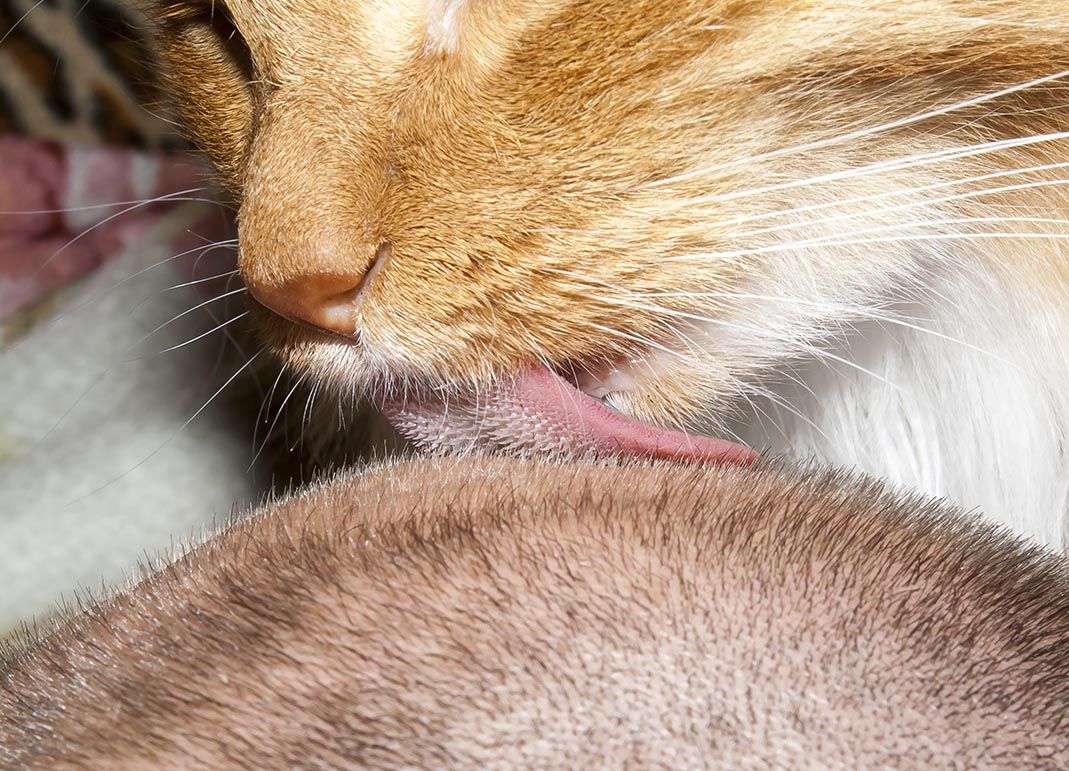
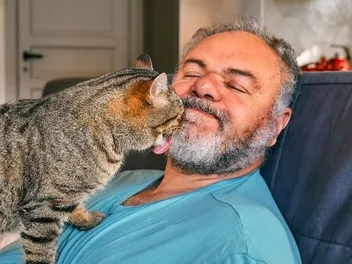
cat licks the head of a human

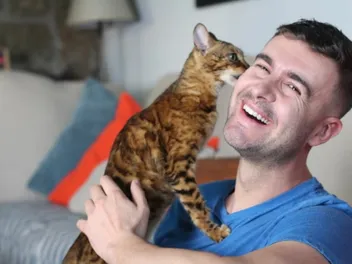
If you are a cat person, you have probably received several licks from your cat. But why would your cat be licking you in the middle of the night? Are they trying to express love? Or are they trying to alert you about something? It could be anything. We all know that cats are strange, but there are very few instances in which you’d welcome an interruption of sleep for a licking session.

Below, we’ve listed five possible reasons for this behavior.

divider 2 cats

The 5 Possible Reasons Why Your Cat Licks You in the Middle of the Night?

1. To Groom You

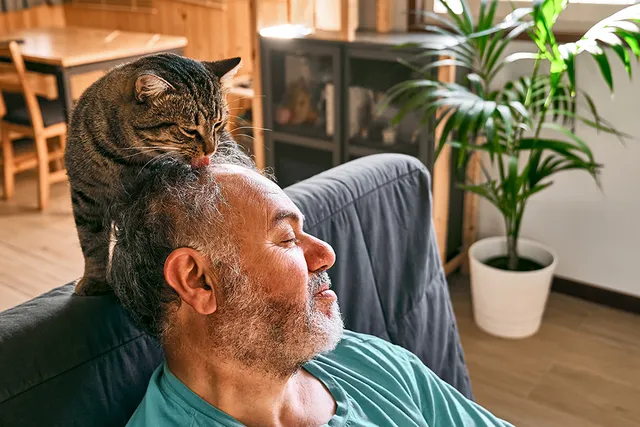
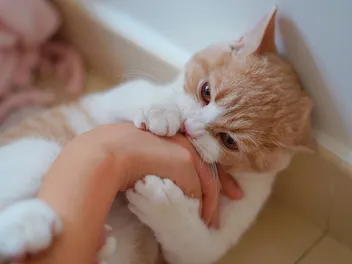
According to your feline friend, there is no such thing as clean enough. You could always use some extra grooming. It also does not help that their highly-tuned senses pick up the faintest smells. Of course, they could clean you during the day, but you are either too busy or not around for a proper grooming session. So, your cat might wait for you to sleep so that they can clean you thoroughly. Grooming another cat or a human is a sign of affection and is used to establish a social group, so think of it as a privilege if your cat decides to groom you. However, they should really rethink their timing.

cat licking human arm
Image Credit: sophiecat, Shutterstock

2. To Bond and Show Affection

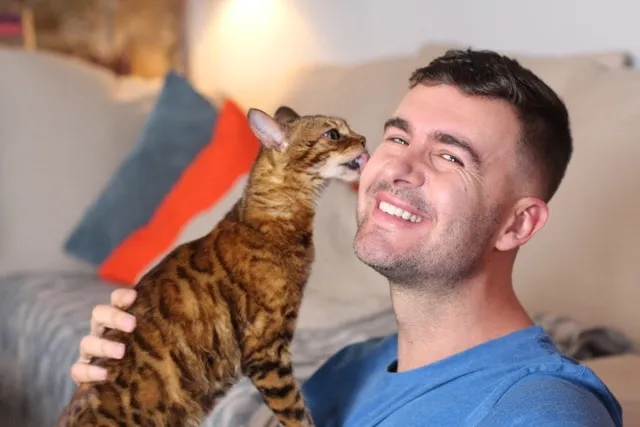
As mentioned, grooming is the most common way cats express affection. It starts with mothers licking their kittens. Your cat wants to show you affection, too. Therefore, it does not matter to your cat if it is in the middle of the night. You can get the licks at any place and at any time.


3. To Mark You

If you didn’t know, you belong to your cat, not vice versa. It also does not matter to them whether you acknowledge that or not as long as other cats do. So, how will other cats know that you belong to another feline?

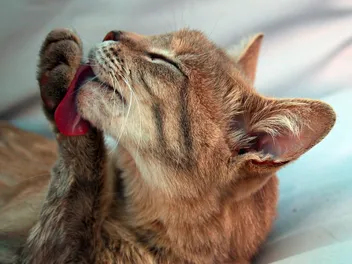
They will know by the distinct scent you always have on you: your cat’s scent. Cats transfer their scent through a myriad of ways, including licking and rubbing. You may notice that your kitty is more wary around you if you spend time with another cat during the day.

This is because they smell the other cat’s scent on you. Therefore, to avoid making your kitty insecure, limit the frequency you interact with foreign cats. You will often notice that your cat will try to again mark you with their scent with extra rubbing, in order to reclaim you back.

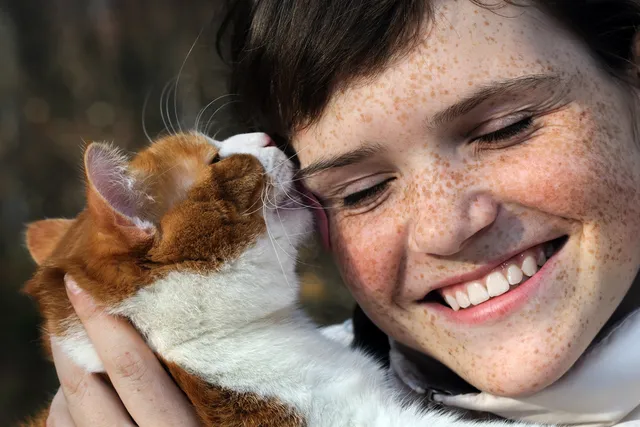
Cat licking woman's ear
Image Credit By: AJR_photo, Shutterstock

4. Your Skin is Salty

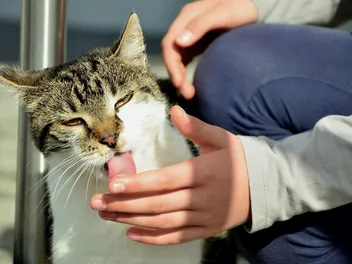
Sweat is extremely salty. To some cats, the smell and taste of sweat might be interesting. Your cat could be licking you at night because they want to lick the salt off you.


5. Your Cat is Anxious or Stressed

Some house felines may lick excessively when they are under pain or stress. They lick not only themselves but also other objects and people around them.1 Often, it is an indication that they need some soothing. Cats may also lick you when they feel that you are anxious or upset. That could be their way of soothing you.

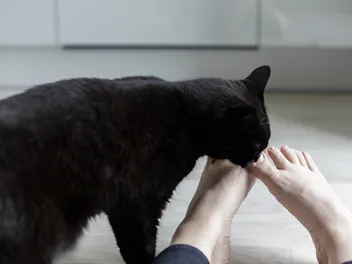
cat licking human fingers
Image Credit By: Svetlana.Is, Shutterstock

divider 2 cats

Stopping Your Cat from Licking You

Despite their good intentions, you might not appreciate it when your cat interrupts your sleep to lick you, and licking sessions can be rough. Unlike a dog’s smooth tongue, a cat’s tongue is covered by numerous backward-facing hooks known as papillae.2

These sharp hooks are made of keratin, which is the same material found in claws and nails. That is why you might not like the sensation of your cat’s tongue against your skin.

The best way of dealing with this behavior at night is by locking your kitty out of the bedroom, or engaging in rigorous playtime before bed in order to properly tire them out. During the day, distraction works better. Avoid getting upset at your cat, as you may only scare them and compromise your bond. Raising your voice and picking them up is also a way you give them attention, be it in a negative way, which may also encourage them to continue this behavior.

divider 2 cats

Conclusion

Whether you like it or not, you have to tolerate some licking from your cat. Fortunately, most cats lick their owners because they care about them or like how they taste. However, late-night licking is unpleasant, especially if it wakes you up. Instead of yelling at your cat every time it happens, you can keep them out of the bedroom when you go to sleep. During the day, ensure you spend time playing with your cat. It may convince them to reduce their nighttime licking if they feel tired before bedtime.

See also:


Featured Image Credit: MegSopki, Shutterstock

Want content like this delivered to you?

Sign Up For Our Newsletter

News, insights, expert advice, and everything cat

* By submitting, you agree to our Terms & Conditions and Privacy & Cookies Policy.


How useful was this post?

Click on a star to rate (you can leave written feedback after clicking submit)

Help us improve Catster for pet parents!

Your feedback really matters.

What did you like about this post? Also how can we improve it?

Join the conversation

Leave a Reply

You’re very welcome to leave a comment or question. Please know that all comments must meet our community guidelines, and your email address will NOT be published. Let’s have a positive and constructive conversation.


Talk With A Vet Online

Peace of mind,
anywhere, anytime

Affordable vet advice

The 10 Common Causes of Sudden Death in Cats (And Which Ones Are Preventable)

Most cat owners don’t think much about heart disease, internal hemorrhage, or viral infections until they’re staring at an empty bed. Sudden death...

Ask Dr. Paola – Help! My Cat Suddenly Has Dandruff! (March 30, 2026)

Welcome to our “Ask Dr. Paola” series, where every Monday we bring expert advice straight from Dr. Paola Cuevas (MVZ) to help our...

Your Cat Keeps Vomiting After Eating: Here’s What’s Going On

Cats vomit. It’s one of the less glamorous facts of life with a feline, and most cat owners have cleaned up more than...

Ask Dr. Paola – Help! My Cat Gets Diarrhea from Wet Food! (March 23, 2026)

Welcome to our “Ask Dr. Paola” series, where every Monday we bring expert advice straight from Dr. Paola Cuevas (MVZ) to help our...

More related

Does Lysol Kill Fleas on Cats? Vet-Verified Facts & Safety Guide

Fleas endanger our pets and homes beyond the bites and unpleasant stigma attached to infestations. They are also hosts to other parasites, such...

Why Do Some Black Cats Have Orange Eyes? Vet Approved Facts & FAQ

Black cats are gorgeous with their stunning, inky, velvet coats and expressive eyes. Because of how dark their fur is, their eyes seem...

100+ Spanish Cat Names: Ideas for Vibrant and Outgoing Cats

There are so many amazing things to celebrate when we think of Spanish culture. A few of the most obvious include tapas (which...

Fostering Shelter Cats: Our Vet Shares 10 Tips Before You Bring One Home

Roughly 66% of American households have a pet, with cats ranking second among the most popular animals. Shelters have come a long way...

Keep reading

Why Won’t My Senior Cat Eat? 6 Vet-Reviewed Ways to Help

If your cat reaches their golden years, their appetite can decrease. This can happen for a few reasons, but cats will need intervention and care from their owners to feel well again. If your old cat is not eating their...

old-ginger-house-cat-is-resting-on-the-couch_shymar27_shutterstock

Cat Preventive Care for Good Health & Longevity: 8 Fundamental Pillars

There is an aspect of veterinary medicine that is called preventive care; meaning preventing health problems through proactive measures. Preventative care means better health outcomes and a happy, comfortable cat. This guide will cover the importance of preventive care in...

cat being observed by a female veterinarian

Is Prescription Cat Food Necessary? Vet-Verified Health & Nutrition Facts

There are so many types of cat food on the market, and a glance at the cat food section in a pet store proves this. With so many options, you might be confused as to which foods are truly good...

close up doctor filling up a prescription form

How Does Flea Medicine Work for Cats? Vet Approved Facts & FAQ

Fleas are the most common parasites that cats suffer from. Even if you have an indoor cat, they can get fleas from other pets or rodents that may sneak their way into the house. Regardless of how they get them,...

vet holding magnifying glass searching cat fleas

Are Peonies Poisonous to Cats? Vet-Verified Risks & Safety Tips

Peonies have vibrant pink flowers and are popular plants, but pet owners have to consider more than just a plant’s beauty. Unfortunately, peonies are toxic to cats. If your cat has gotten into your peonies, then you need to get...

Catster_Are Peonies Poisonous to Cats

How to Prevent Hairballs in Cats: 4 Vet Approved Methods

There’s nothing like cleaning up a hairball to start your morning, and the ensuing cleanup is sure to leave a scowl on your face for the rest of the day. Luckily, preventing hairballs is simple, and it doesn’t take a...

cat hairball

Is Vaseline Safe for Cat Paws? Vet Reviewed Facts & FAQ

Vaseline is a type of petroleum jelly that is commonly used as a method to trap moisture in the skin. It is also used for makeup removal and has been shown to help small cuts and wounds during the healing...

Catster_Is Vaseline Safe for Cat Paws

How to Tell if My Cat Needs Their Glands Expressed? 6 Vet-Verified Signs

As a cat owner, you need to make sure your beloved friend is healthy, and sometimes that means dealing with bodily functions that aren’t so pleasant. Cats have two anal sacs that help them mark their territory. The sacs are...

Cat sitting on a vet metal table

Love Cats? So Do We! Join the Catster Community

Stay informed with expert pet care insights delivered straight to your inbox! Discover professional guidance on animal behavior, feeding tips, trusted product picks, and much more.


Sign up for the Catster Email Newsletter

Stay informed with expert pet care insights delivered straight to your inbox! Discover professional guidance on animal behavior, feeding tips, trusted product picks, and much more.