Why Is Your Cat Dry Heaving? 7 Vet-Approved Reasons


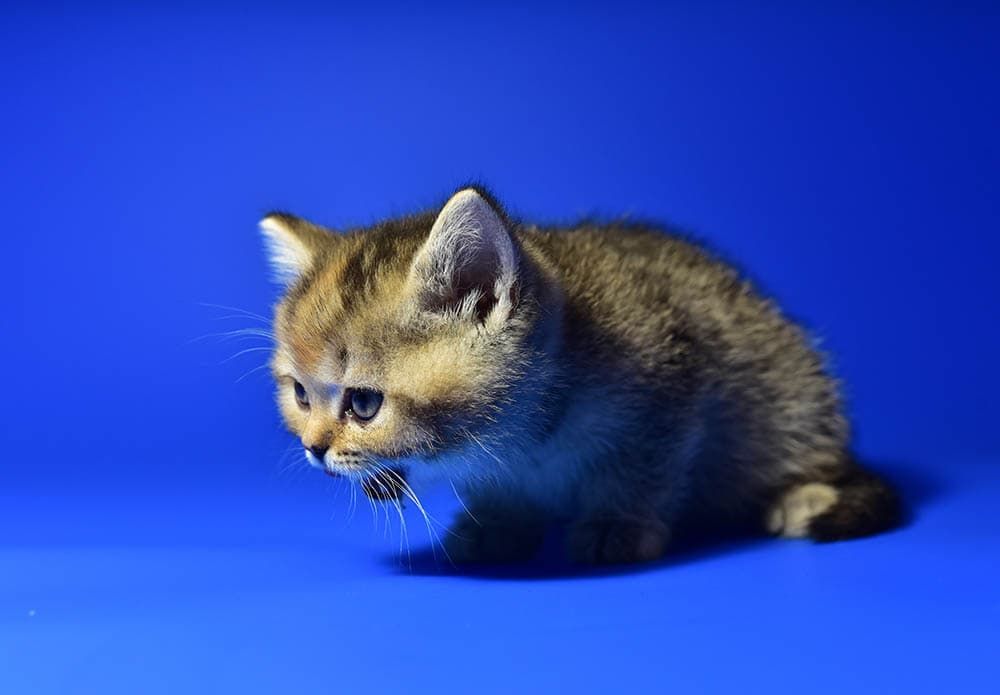
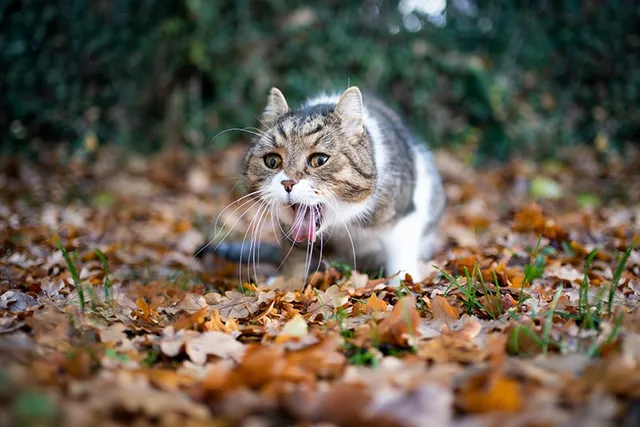
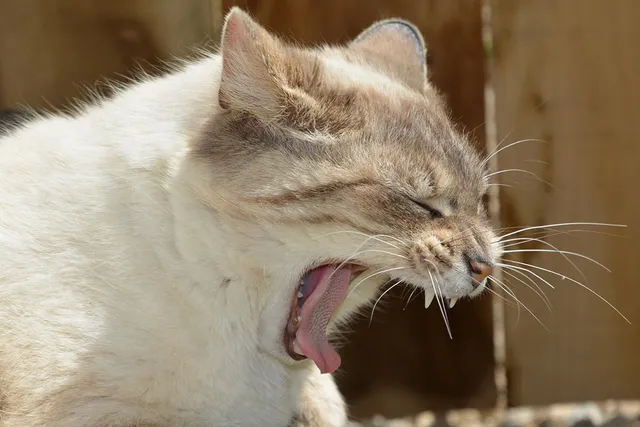
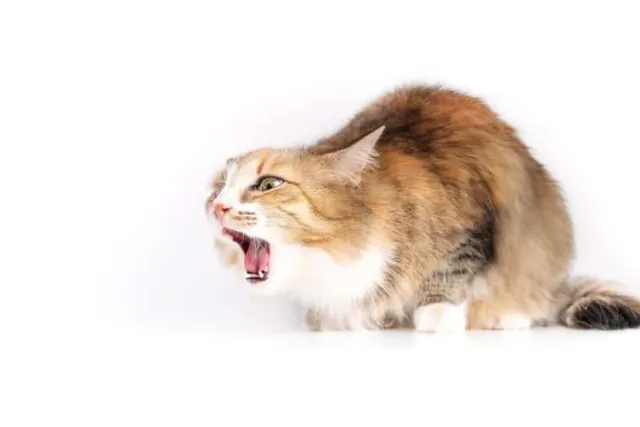
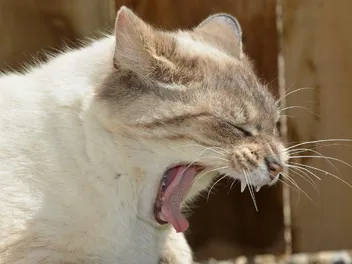
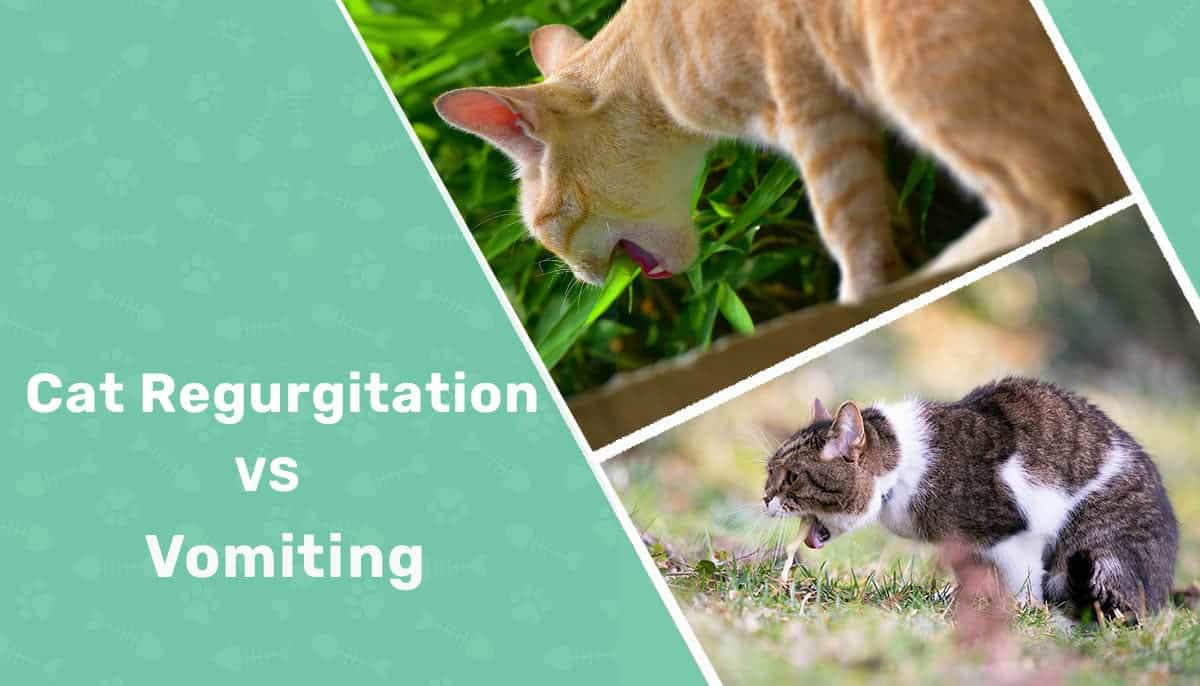
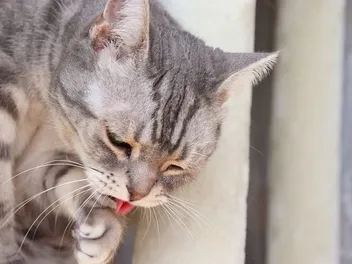
If you own a cat, you are likely to be familiar with that unmistakable gagging noise, which seems to happen out of nowhere and have you moving like a ninja to locate your furry friend and a potential pile of vomit. With dry heaving, although the gagging noises and retching bodily actions are present, vomit is not.
While dry heaving might be normal as a one-off event, there are numerous medical conditio ns that can be behind this issue. If your cat has started to dry heave when they usually don’t, or they are dry heaving frequently, it’s time to have your kitty checked out by a vet.
Let’s look at seven reasons why this might be happening.

The 7 Reasons Why Your Cat Is Dry Heaving
1. Hairballs/Furballs
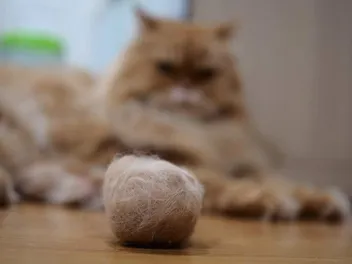
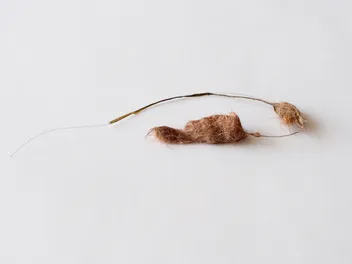
Cats are exceptionally good at keeping themselves clean, and they spend a lot of their time grooming. The cat’s tongue, thanks to a patch of rough little hooks on it, is used to “comb” and clean their own fur. It pulls out dead and loose hairs, as well as any dirt and debris, some of which they swallow. In normal conditions, this would be eliminated through the cat’s feces; however, it can collect in the stomach, building up until it is expelled through vomiting. If this happens, your cat may retch until they cough up the hairball.
This is perfectly normal most of the time, but if your kitty is frequently coughing up hairballs, have a vet examine them to ensure there isn’t another reason or an underlying cause for this, such as an itchy skin condition or a digestive problem.
Ways you can help to reduce the number of hairballs, and therefore dry heaving, include protecting your cat against external parasites, ensuring your cat doesn’t have a skin condition, combing your cat regularly (especially during shedding seasons), speaking to a vet about feeding a diet formulated to reduce hairballs, or adding a hairball supplement to their daily regime.
2. Nausea
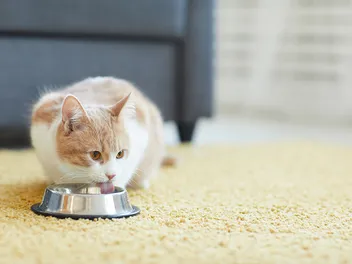
Feeling nauseous is not uncommon for cats. Sometimes they can have a random upset stomach, eat too fast, eat food from a trash can, or simply eat too much rich food. In response to any of these, cats can dry heave.
In this scenario, it is unlikely anything to be concerned about unless you notice the episodes increasing. Likewise, if your cat begins to v omit, drool, has diarr hea, abdominal pain, or shows signs of guarding their abdomen alongside dry heaving, then it’s time to see a veterinarian to investigate why and find any underlying causes.
3. Gastroenteritis
Gastroenteritis refers to inflammation o f the digestive tract (stomach and/or intestines). It can be caused by reactions to certain foods, bacteria, viruses, inflammatory conditions, parasites, systemic illness, or certain types of medication.
If your cat is dry heaving due to this problem, you will likely notice they have a reduced or absent appetite, begin t o gag after eating, may have diarrhea and/or vomiting (which may be intermittent, acute, or chronic), see foam around their mouth or excess saliva, and their energy levels and demeanor may decrease.

4. Kidney (Renal) Disease
Senior cats (10 years and older) are particularly prone to kidney issues and disease potentially leading to chronic kidney disease. If your cat is dry heaving and exhibiting any of the below signs, see a vet as soon as possible regardless of your cat's age. If these signs appear suddenly, seek urgent care, as they may have eaten something toxic.
- Increased drinking
- Increased thirst
- Increased urination
- Urinary accidents or spraying
- Pale Gums
- Drooling
- Reduced or absent appetite
- Weight loss
- Poor demeanor and lethargy
5. Heart Disease
Dry heaving is often noted in felines with heart disease. Heart disease can arise via two routes, either due to being born with it (congenital heart disease) or acquiring it over time as an adult or senior cat.
As well as increased dry heaving, heart disease will present other signs, such as:

6. Liver Disease
The liver is a powerhouse of an organ and is multifunctional. It stores vitamins and removes toxins amongst other clever jobs. Liver disease can occur due to infections, toxins, deterioration with age, cancer, and systemic illnesses. If their liver is affected or failing, then dry heaving can be a sign of liver disease when combined with one or more of the following:
- Increased thirst
- Distended abdomen
- Reduced appetite
- Weight loss
- Yellowing of the eyes and skin (jaundice)
- Pale gums
- Lethargy
7. Foreign Body
An object, a piece of a cat toy, or a bunch of string, for example, that has become stuck in their throat, esophagus (food pipe), or stomach will almost always cause dry heaving as they try to vomit or cough up the blockage. Smaller items they have decided to consume, even if by accident, can often pass through the gastrointestinal system with no bother releasing it in their feces, but larger items can easily become wedged and stuck, blocking the flow of the digestive system.
This situation is an emergency and immediate veterinary attention should be sought.
Signs of a foreign body or obstruction include:

Conclusion
As a cat parent, you may be alarmed or concerned by your cat’s dry heaving and what is causing it. Often, it’s due to little else than a hairball about to be expelled out of their body. However, it can’t be overlooked, disregarded, or assumed a simple hairball is the cause in every case .
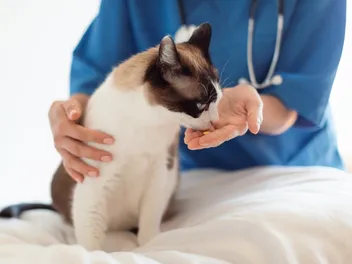
If your cat starts dry heaving, or you notice any of the signs mentioned in this article, seek the advice of a veterinarian and have them examine your cat to ensure there is no underlying medical condition causing their dry heaving.
Featured Image Credit: Maksim Safaniuk, Shutterstock
Expert cat care, straight to your inbox
News, insights, and useful advice, delivered to you.

No spam — unsubscribe anytime.
By signing up, you agree to our Terms & Conditions and Privacy & Cookies Policy.
How useful was this post?
Click a star to rate. You can leave written feedback afterwards. (We read all feedback.)
As a freelance dog writer and passionate pet enthusiast, Ashley Bates is pursuing studies in animal therapy. A mother to four human children and 23 animal companions, Ashley is dedicated to volunteering at shelters, advocating for animal rights, and rescuing animals in need. Her goal is to spread awareness, provide education, and offer entertainment about pets to reduce homelessness. Ashley's specialties include dogs and cats.