9 Most Common Illnesses & Diseases in Cats: Our Vet Answers


Cats are masters at hiding signs of illness, no matter what age they are. So, it is important to have an understanding of the common illnesses and diseases these wonderful creatures may face—as a little knowledge goes a long way in potentially helping to recognize a disease or illness, before it becomes too much of a problem!
The types of issues that can cause cats problems do vary a bit, depending on the age of a cat, which can include issues with the urinary tract, teeth, obesity, and more.
Some of these illnesses you may not even have considered being a feline problem, such as high blood pressure. But believe it or not, cats can get high blood pressure, just like people! The following is a list of the more common illnesses and diseases that can impact our pet cats. Read on to learn more.

The 9 Most Common Illnesses & Diseases in Cats
1. Chronic Kidney Disease
Cats originated in the desert, where water conservation is critical to survival. Therefore, their kidneys are highly efficient at conserving water, which is one of the reasons many people don’t see their cats at the water bowl very often.
However, as with any living being that ages, their organ systems also age and become less efficient over time—the kidneys are no different. Add to this that the kidneys work to remove many toxins and harmful cellular byproducts from the bloodstream, making them fairly susceptible to damage. Kidney damage is even more likely if concurrent issues are peasant in the urinary tract, such as dehydration or blockages.
Chronic kidney disease itself is an umbrella term that loosely describes a decrease in the function of one or both kidneys. It does not specifically refer to what caused the damage—just that there is some impairment in how efficient the kidneys are at filtering the bloodstream and creating urine.
Many different clinical signs can be seen in cats that experience chronic kidney disease, including vomiting or nausea, loss of appetite, large or frequent urinations, weight loss, or poor haircoats. Chronic kidney disease can often be managed with medications at home, but once it develops, it is not reversible.
2. Parasites
Many cats will be exposed to some form of parasites at some point in their lives. One of the more common parasites found in cats is fleas—even in indoor-only cats, believe it or not! And, if you didn’t know, fleas can carry a certain type of tapeworm, which means if a cat has fleas, there’s also a good chance they have tapeworms. The good news is that both of these issues tend to be quite treatable with the right approach.
For cats that start life as strays, therefore needing to catch their own food, this can expose them to intestinal parasites, such as roundworms, or protozoans like toxoplasma. Both of these can cause issues later in life, though thankfully, this tends to be rare. Parasites are often treated with a round (or two or three) of deworming. In the case of fleas, topical medications may be prescribed to treat the infestation.
3. Dental Disease
Dental disease is easily one of the most, if not the most, common disease vets see in young cats. Often starting around 5 years of age (though it can be as young as 2 or 3 years of age), cats can develop cavities, inflammation of their gums (gingivitis), and tartar buildup.
The good news, for those that are inclined to do-it-yourself, is that daily brushing of a cat’s teeth can help reduce tartar buildup. But remember that human toothpaste is toxic to pets, so use one designed for cats if you plan to do this!
The bad news, however, is that it doesn’t help to prevent cavities—as cavities for cats start inside the tooth and work their way out, destroying the tooth in the process. Once this happens, the only treatment is a dental procedure that involves extracting the affected teeth.
Other types of dental disease seen in cats can include fractured teeth, commonly in the tips of the fangs, or in the canines. But don’t worry—it is possible to do a root canal in a cat’s canine to fix the fracture in many cases!

4. High Blood Pressure (Hypertension)
It’s not only people that can have high blood pressure; cats have become more and more frequently diagnosed with hypertension—the medical term for high blood pressure. Although it doesn’t seem to be connected to cholesterol levels in cats, unlike in humans, it can develop as a stand-alone issue, or as a secondary to other diseases, such as chronic kidney disease. Hypertension tends to be more of a problem in cats as they get older. Just like with people, it is treated with blood pressure medication, and regular checkups.
5. Obesity
Another similarity to humans, is that many adult pet cats are increasingly having trouble with being overweight, or just plain obese. And just like with people, this can lead to other concerns, including arthritis, insulin resistance and diabetes, and a host of other issues.
Many vets think that overfeeding, especially with treats and dry food, along with a combination of an indoor low-activity lifestyle, directly leads to obesity in pet cats. Therefore, feeding wet foods and encouraging daily exercise (cat running wheel, anyone?) can be key components in staying ahead of this illness.

6. Weight Loss
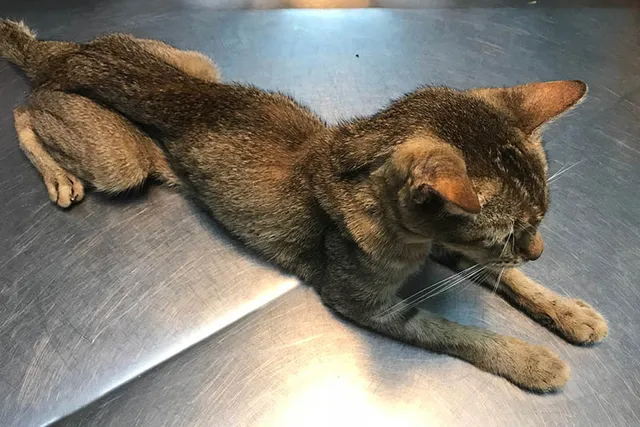
Conversely, as cats become seniors, one of the more common illnesses seen is weight loss. Weight loss is not specific for any particular disease, but rather, a sign that something else more concerning is occurring. It is never normal for a cat to be “just losing weight”. If you see weight loss in your cat, it is definitely time to get them a checkup with their vet.
7. Abscess
Cats that go outside and encounter other animals, especially other cats, are at risk of getting in fights. While they may not always be the cat that starts the fight, any cat bite can lead to an infection called a cat fight abscess. These are basically pockets of infection that occur under the skin, within the region of a bite wound. They are caused by the bacteria in the cat’s mouth, which can infect the underlying tissues when teeth penetrate the skin.
Cats that are the instigators of such fights tend to develop abscesses around their head and shoulders, while cats that are trying to escape from such fights tend to get these abscesses around their hind end. Regardless, abscesses tend to be more of a nuisance than something of concern, as most are quite treatable with antibiotics prescribed from your vet. Sometimes, a very deep abscess will also need to be surgically drained.

8. Inappropriate Urination
One of the most common illnesses seen in cats of all ages is inappropriate urination. This is another issue that describes more of a clinical sign than an actual single disease process. Inappropriate urination is defined as “the act of urinating outside the litter box.” It can be around the house, on walls, or on horizontal surfaces such as furniture, clothes, or beds.
Inappropriate urination can be caused by many different issues, which can vary depending on the age of the cat. However, some of the more common reasons that a cat may experience inappropriate urination include:
Treatments will vary depending on the underlying cause.
9. Vomiting
Vomiting in cats is a common reason that they present to the vet. Sometimes, there are other clinical signs as well, including weight loss, diarrhea, or a change in appetite. Vomiting is another feline issue that isn’t a specific disease, but rather, an illness that can indicate other concerns. Some of the diseases that can cause vomiting in cats include:
- Chronic kidney disease
- Inflammatory bowel disease
- Foreign bodies
- Hairballs
- GI upset
- GI parasites

If I Think My Cat Isn’t Well, What Should I Do?
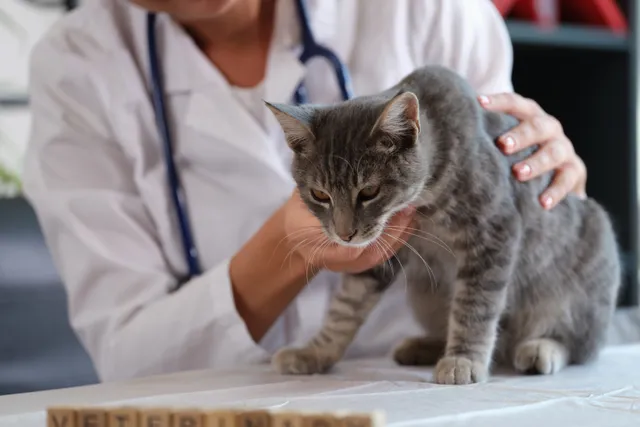
If you think your cat may be experiencing any of the above, the next step is often a trip to see their vet. Your vet will generally start with a history, and a physical exam. Depending on what is found during the exam, next steps may include x-rays and/or stool or blood samples to investigate abnormalities.
How Can I Prevent Illness in My Cat?
Routine vet visits are key for catching illness and disease early in cats. Follow your vet’s recommendations as to whether your cat needs to be seen annually or more frequently.
However, there can be easy things to do at home to complement your cat’s health between their vet visits. Purchasing a scale to monitor their weight can alert you to early changes that might herald concerns. Ensuring they eat a healthy, balanced diet is also helpful.
One easy trick that might alert you to early changes in your cat’s health is closely monitoring the litterbox. If you see sudden changes to the size or number of urine or fecal clumps, that can be an early indication of issues with the urinary or GI tracts, which often means it’s time for a vet visit.
Conclusion
Knowing about the most common illnesses and diseases in cats can certainly be helpful when it comes to recognizing them in your own feline friend. If you do have concerns that any of these might be affecting your cat, the next step is to reach out to your vet for further guidance.
Read Also:
Osteomyelitis in Cats: Signs, Causes & Treatment (Vet Answer)
Can Cats Catch the Flu from a Person? Everything You Need to Know!
Featured Image Credit: H_Ko, Shutterstock
Expert cat care, straight to your inbox
News, insights, and useful advice, delivered to you.

No spam — unsubscribe anytime.
By signing up, you agree to our Terms & Conditions and Privacy & Cookies Policy.
How useful was this post?
Click a star to rate. You can leave written feedback afterwards. (We read all feedback.)
Dr. Joanna Woodnutt BVM BVS (Veterinarian)
Joanna is an experienced veterinarian working in the UK. She has written about pets and their health for many blogs, pet magazines and pet websites and loves to help readers understand their pets through her writing.
She has started her own freelance company so she can help more pet parents than just the one standing in front of her in a consultation room.
She enjoys teaching and educating clients, so a career in writing, public education and pet health is the perfect combination for her.