Get

In Your Inbox

Catster is reader-supported. When you buy via links on our site, we may earn an affiliate commission at no cost to you. Learn more.

Arthritis in Cats – Vet Approved Causes, Signs & Treatments

Share

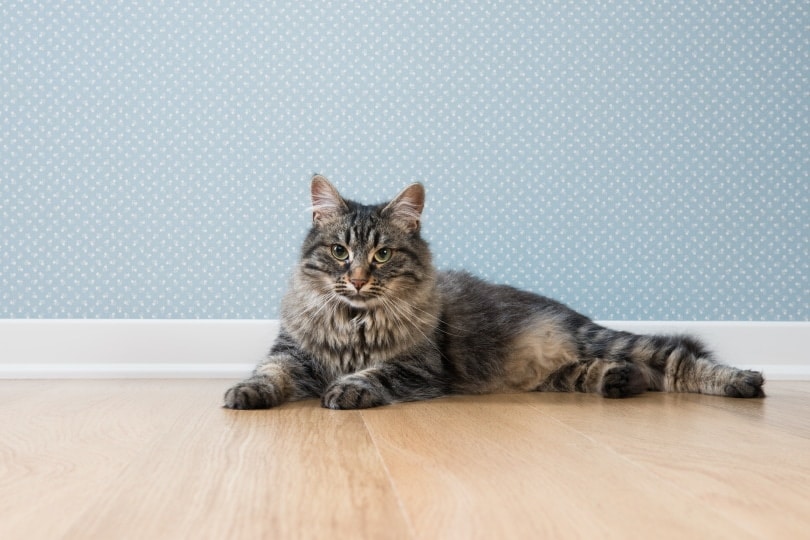
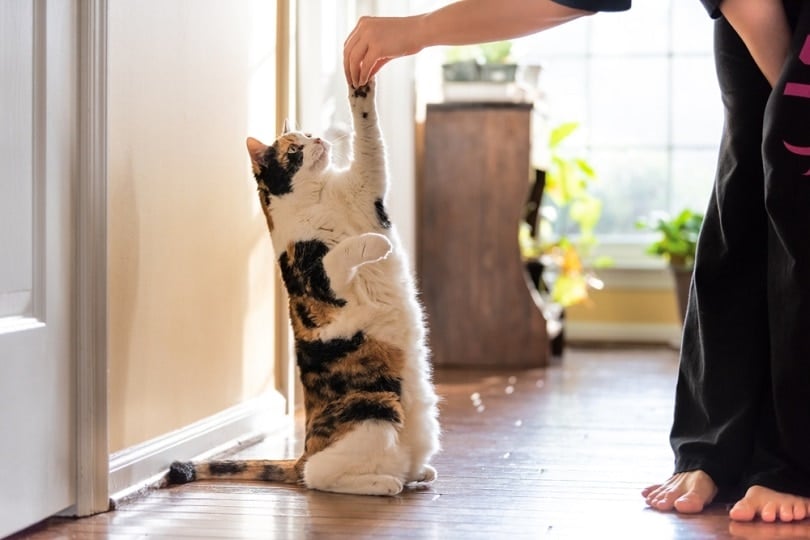
cat lying on wooden floor

If your cat seems a little less sprightly and active than usual, it can be a cause for concern. Some health issues could cause mobility issues in cats, but one condition fairly common in mature cats is arthritis. Arthritis can slow your cat down and make them reluctant to engage in once-loved playtime activities.

In this post, we explore arthritis in cats—causes, how it’s treated, and how you can make your cat’s life more comfortable.

divider 3 paws

What Is Cat Arthritis?

Technically known as “osteoarthritis”, cat arthritis is a condition that causes your cat’s joints to degenerate and become inflamed. It can affect one or more joints, most commonly in the legs but any joints in the body can be affected. If your cat seems to be in pain or discomfort when up and about and has started to struggle to get up on their cat tree or use the stairs, they may be suffering from arthritis.

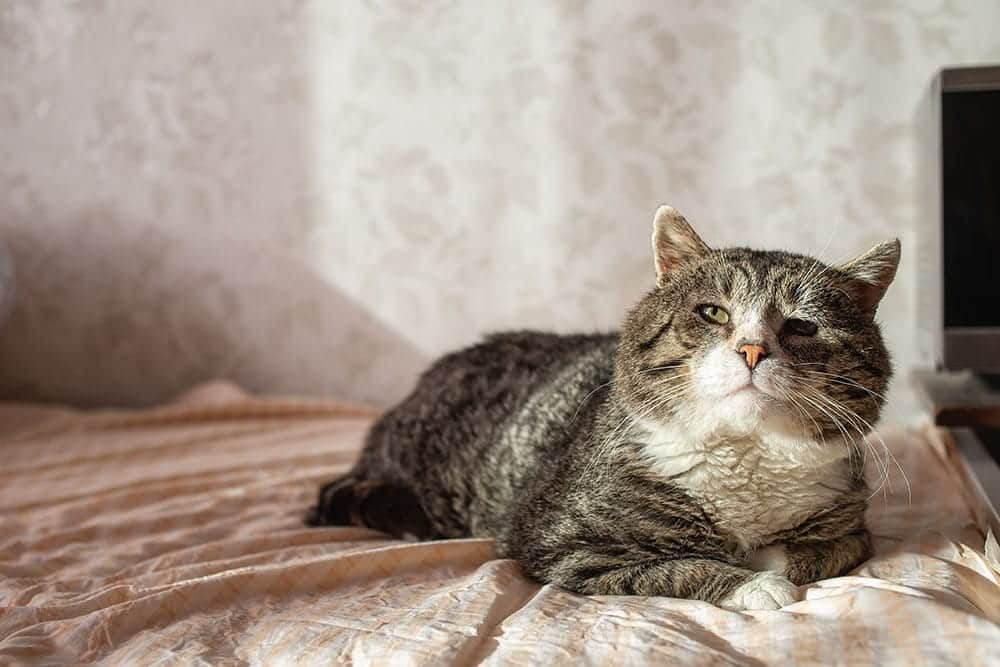
American shorthair cat lying on the couch
Image Credit: Clement Morin, Shutterstock

The 4 Common Causes of Arthritis in Cats

Arthritis can develop in cats because of lifestyle factors, age, and genetics. These are the most common causes:

1. Injuries

If your cat has had an accident at some point in their life, they may have sustained joint, muscle, or cartilage injuries that have led to arthritis.


2. Obesity

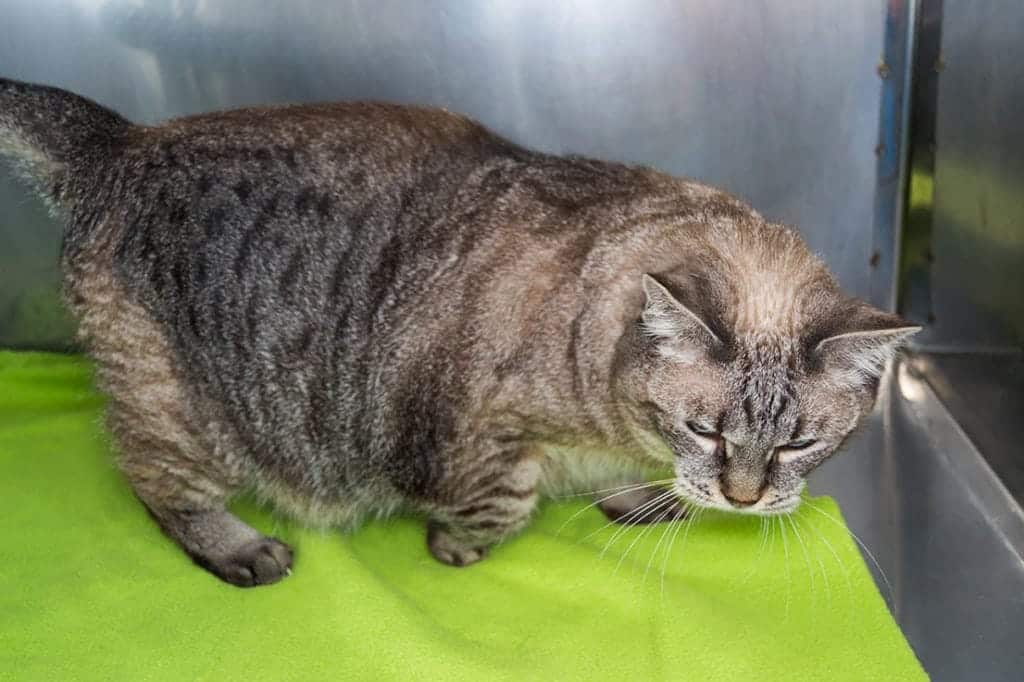
According to research, the white fat that builds up when a cat is overweight gives off inflammatory hormones, thereby worsening the inflammation and pain of arthritis. Being overweight can contribute to abnormal joint loading which can hasten the disease’s progress.

fat cat siiting on the grass
Image Credit: Dennis van de Water, Shutterstock

3. Genetics

Though arthritis can affect any breed, some cat breeds are genetically more susceptible to developing the condition, like Persians, Himalayans, and Siamese cats. The condition can also come about if the joints develop abnormally during the growth stage.


4. Age

Cats of any age can have arthritis, but it is more common in older cats. This is because the joints and cartilage may wear down with age.

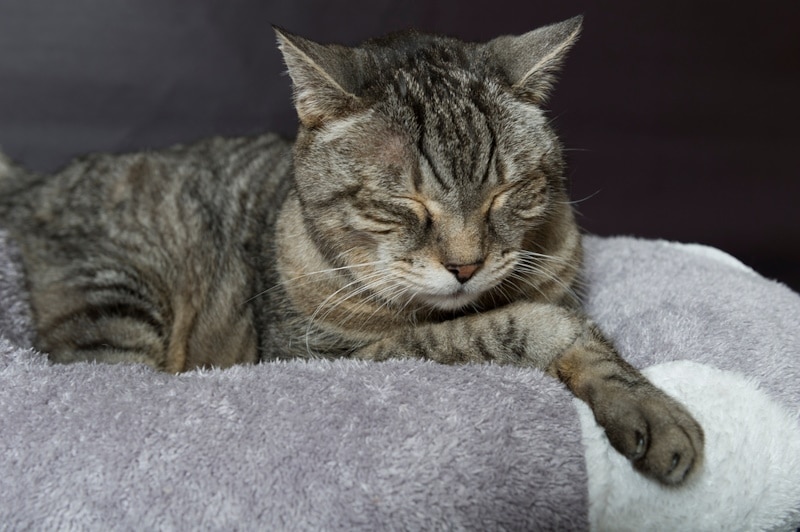
cat lying on sofa
Image Credit: Pixabay

Symptoms of Arthritis in Cats

There are quite a few telltale signs of arthritis in cats, but every cat experiences them differently. The symptoms may also fluctuate and vary over time. It’s important to remember that cats are pretty accomplished at hiding pain, so even if they’re not crying out in pain, it doesn’t mean that they’re not hurting. The symptoms may also be subtle. Symptoms include:

  • Struggling or reluctance to go up or down the stairs
  • Struggling or reluctance to jump up or down from something
  • Struggling to use the litter box properly
  • Limping or lameness
  • Stiffness in the legs
  • Being less active than usual
  • Reluctance to be touched on certain areas of the body
  • Becoming unusually aggressive or grumpy
  • Sleeping a lot and/or withdrawing
  • Swollen and painful joints

If you spot any of the above symptoms in your cat, get in touch with your vet to arrange a checkup as soon as possible.

divider 3 paws

How Is Arthritis in Cats Diagnosed?

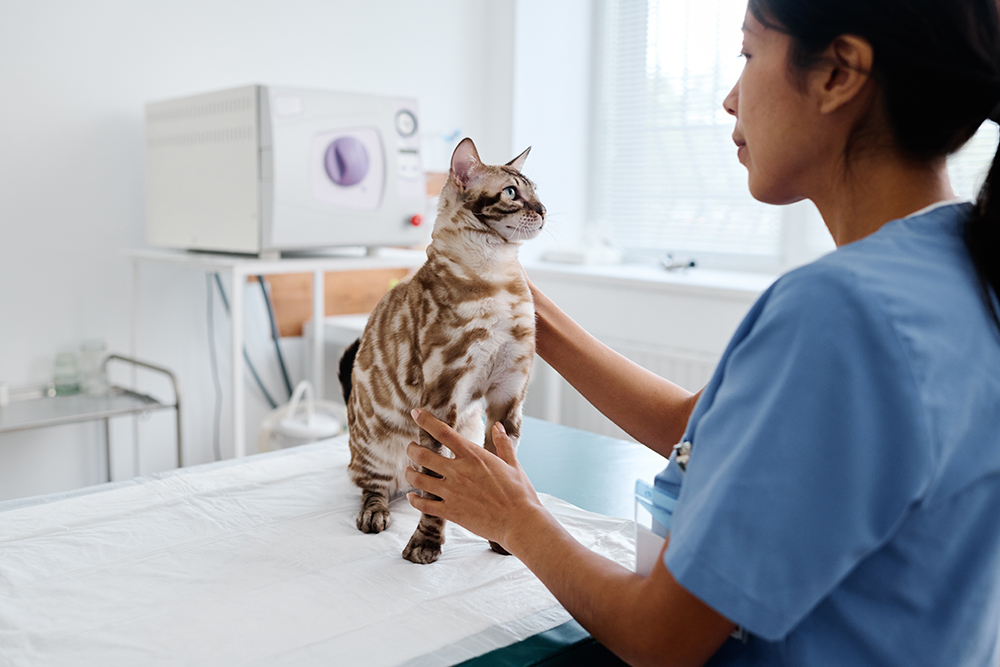
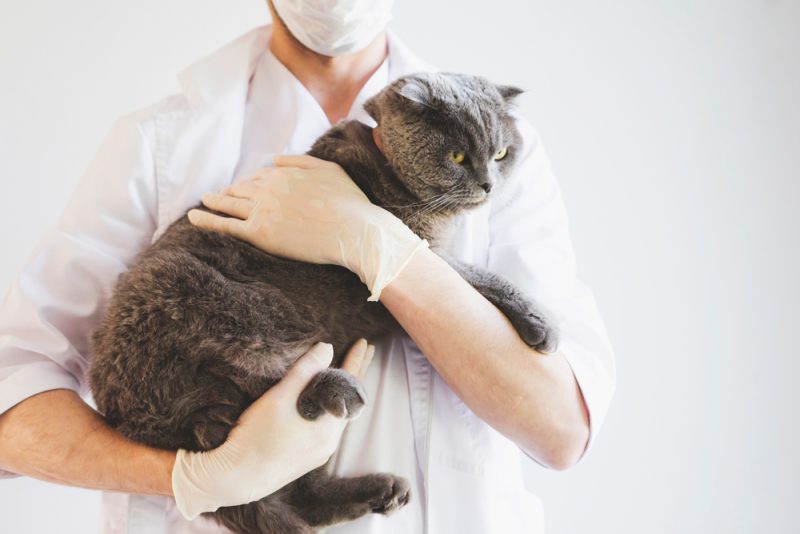
A vet diagnoses arthritis by performing a physical examination. They will check for joint deformity, fluid in the joints, instability or restriction of the joints, and difficulty with motion, among other things. The diagnosis is confirmed by conducting an X-ray.

How Is Arthritis in Cats Treated?

Treatment options are varied and will depend on the severity of your cat’s arthritis. In some cases, surgery is required, but not always. Your vet may recommend:

  • Non-steroidal anti-inflammatory drugs
  • Pain-relief medication
  • Joint protectants
  • Joint supplements (omega 3, glucosamine)
  • Physical therapy
  • Acupuncture
  • Surgery
  • A special diet
cat examined by Vets
Image Credit: Kzenon, Shutterstock

How Can I Help My Cat With Arthritis at Home?

Seeking veterinary attention should always be your first step, but there are things you can do between vet visits to help your cat feel more comfortable at home. Here are some tips:

  • Provide raised food and water bowls so they don’t have to bend to eat and drink.
  • Provide a soft, comfortable bed that’s easy for your cat to get in and out of. You may want to consider an orthopedic memory foam bed.
  • Get a litter box that’s easy for them to use, like one with a lowered side.
  • Keep your cat nice and warm to keep the cold out of their joints. You might want to provide a heating pad in winter.
  • Avoid overfeeding to prevent obesity that can worsen your cat’s arthritis.
  • Set up ramps to help your cat get up and down those hard-to-reach spots that they love (your bed, sofa, etc.).
  • Consult a vet to talk about the best kind of food to keep your cat’s weight down and their joints in as good shape as possible.

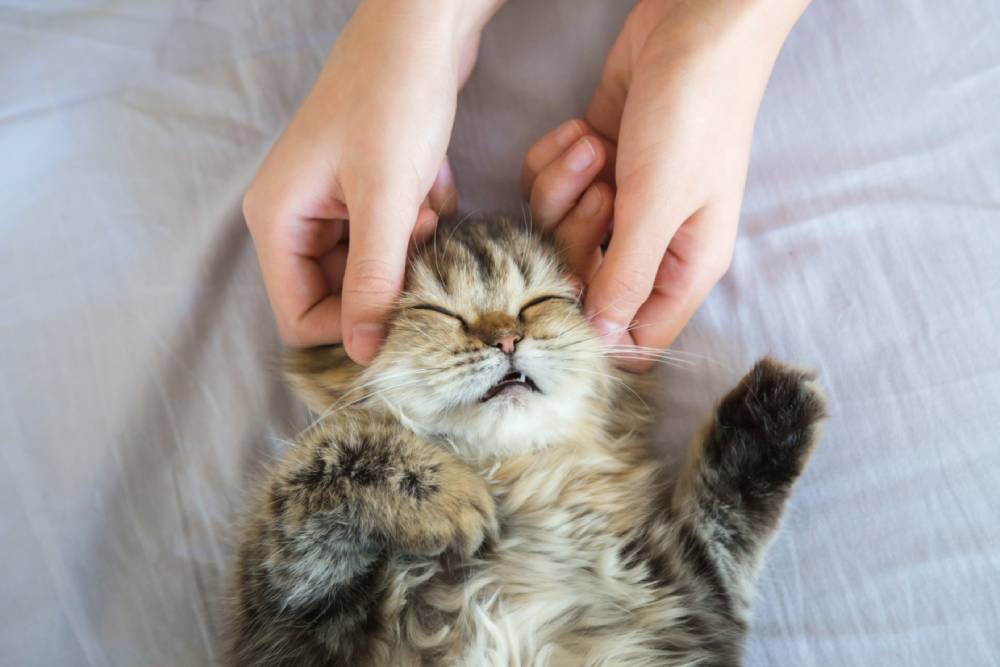
The practical things aside, don’t forget to pamper your kitty! Spend time with them, brush them with a soft brush, and spoil them with petting sessions (avoiding areas that might be painful, of course). Your cat is sure to appreciate the extra attention as a distraction from the discomfort.

Need veterinary advice but can't get to the clinic? Catster recommends PangoVet, our online veterinary service. Talk to a vet online and get the answers and advice you need for your cat without having to leave your living room — all at an affordable price!

PangoVet_Mention-in-Content for PangoVet2 save money

divider 3 paws

Final Thoughts

The best way to prevent arthritis from developing in your cat is to feed them a healthy, nutritious diet and make sure they’re well-exercised to keep their weight down. If your cat is showing signs of arthritis, take them to your vet for diagnosis and to find out how best to treat the condition. The good news is that many cats live long, happy lives when their arthritis is appropriately managed.

Related Reads:


Featured Image Credit: Stock-Asso, Shutterstock

Want content like this delivered to you?

Sign Up For Our Newsletter

News, insights, expert advice, and everything cat

* By submitting, you agree to our Terms & Conditions and Privacy & Cookies Policy.


How useful was this post?

Click on a star to rate (you can leave written feedback after clicking submit)

Help us improve Catster for pet parents!

Your feedback really matters.

What did you like about this post? Also how can we improve it?

Join the conversation

Leave a Reply

You’re very welcome to leave a comment or question. Please know that all comments must meet our community guidelines, and your email address will NOT be published. Let’s have a positive and constructive conversation.


Catster's Digital Magazine is Back!

Vet-approved health & behavior advice

Real cat stories & community features

Chatting About the Rainbow Bridge, Euthanasia, and Laughter During Grief | Chatty Cattys, Episode 24

If you’ve ever felt the loss of a beloved cat, or are dreading the day when your pet crosses the rainbow bridge, you’ll...

The Simple Reasons Cats Refuse to Let Anyone Use the Bathroom Alone

Cats have an extraordinary talent for making themselves present in the most inconvenient places, and the bathroom ranks near the top of the...

A Paw-sitive Milestone: Canada Officially Becomes a Declaw-Free Nation

Canada has officially become a declaw-free nation. On May 25, 2026, a new regulation was filed in Ontario under the Provincial Animal Welfare...

The Surprisingly Simple Ways to Help a Cat With Hairballs

Cats spend an astonishing amount of time grooming. It is part hygiene routine, part comfort ritual, and part instinct that traces back generations....

More related

Are British Shorthairs Friendly? The Surprising Answer!

British Shorthair cats are extraordinarily friendly! These adorable kitties with round faces and powerful bodies are known to be loyal, laid-back, and easygoing....

7 Types of Maine Coon Cat Colors (With Pictures)

Maine Coon cats are known not just for their size and tufted ears but also for their wide array of coat colors. Maine...

How to Help a Friend Who’s Grieving Over a Cat: 10 Tips

Some articles are difficult for us to write. This is one of those times. Sadly, most of us understand the devastating pain of...

20 Famous Cat Paintings – Exploring Modern and Classic Masterpieces

Cats have been among humans’ favorite companions for centuries, and their steady presence throughout the years has been noted in more than a...

Keep reading

WholeHearted Cat Food Review in 2026: Recalls, Pros & Cons

Review Summary WholeHearted pet foods was created by Petco in 2016, beginning with a line of affordable dog food, and cat foods were introduced a year later. Petco is a pet food and pet accessory company founded in the 1960s...

Wholehearted Cat Food Review

How Cold Is Too Cold for Cats? Vet-Reviewed Facts & FAQ

It’s easy to overestimate a cat’s tolerance for the cold. When they walk around sporting several inches of insulating fluff and act nonchalant in frigid outdoor weather, who can blame you? The outdoors is what many cats call home, and...

Neva Masquerade cat in the snow

Cat Ear Language: What Feline Body Language Can Tell You (With Examples)

If you’ve ever spent any time observing your cat’s ears, you’ll already know that you can detect your cat’s feelings by how their ears are positioned. Cats can express many emotions and different moods through their ears, and when taken...

close up ragamuffin beside the window

Will Cat Fur Grow Back Over Scar Tissue? Vet Reviewed Facts & FAQs

If your cat has recently gotten injured or had surgery, you may wonder whether their fur will grow back in the injured area after it heals. The answer is that in some cases, cat fur can grow back over scar...

stray cat with scars

Why Do Cats Wag Their Tails? 7 Vet-Verified Reasons for the Behavior

Unlike dogs, who will wag their tails at the mention of their name, cats have a variety of reasons for tail wagging, although in cats, it’s less of a “wag” and more of a gentle “swoosh” most of the time....

cat wagging its tail

Why Do Cats Like Chin Scratches? 9 Vet-Reviewed Reasons

If you own a cat, you know that cats love chin scratches. You’ve probably noticed that they will rub their cheeks against your hand or any other surface if you give them the chance. That’s because cats have scent glands...

woman scratching cat's chin

Feline Idiopathic Cystitis in Cats: Signs, Causes, and Care

Urinary tract diseases are fairly common in cats, so it’s important for cat owners to be well-informed about this area of cat health. Cats can contract several different kinds of urinary tract diseases. Veterinarians will conduct tests to diagnose the...

cat pee on carpet

Treating Ear Mites in Cats: Vet-Approved Tips & Tricks

Cats have incredible ears! Their hearing range is over 10 octaves, more than dogs or humans, and they have 32 muscles in each ear to help them pinpoint sounds exactly. But that doesn’t make them immune to parasites. If your...

white orange cat with ear mites

Love Cats? So Do We! Join the Catster Community

Stay informed with expert pet care insights delivered straight to your inbox! Discover professional guidance on animal behavior, feeding tips, trusted product picks, and much more.


Sign up for the Catster Email Newsletter

Stay informed with expert pet care insights delivered straight to your inbox! Discover professional guidance on animal behavior, feeding tips, trusted product picks, and much more.