According to Vets, Most Owners Miss These Signs That a Cat is Sick


Cats are famously good at hiding discomfort. It is not stubbornness or indifference; it’s a deeply ingrained survival instinct. In the wild, showing weakness or illness attracts predators, and domesticated cats carry that instinct with them today, which means illness often goes undetected until it has progressed considerably further than owners realize.
Knowing what to look out for can make a huge difference. The signs are there, but often, they’re all too easy to dismiss as quirks or temporary changes. Here are the ones you should always pay attention to.
Changes in appetite
Both ends of the spectrum are worth paying attention to. A cat that suddenly stops eating may be dealing with gastrointestinal problems, liver disease, kidney disease, infection, or cancer. A cat that is eating noticeably more than usual, particularly an older cat, may have diabetes or hyperthyroidism, which causes the metabolism to run abnormally fast. Neither change should be dismissed as a phase.

Weight change
Unexplained weight loss is one of the most consistent – but non-specific – signs that something’s not right. Several serious conditions share it as a symptom, including hyperthyroidism, kidney disease, diabetes, dental disease, and cancer. Rapid or unexpected weight gain can also indicate an underlying problem. Regular handling helps owners notice gradual changes that might otherwise go undetected.
Lethargy
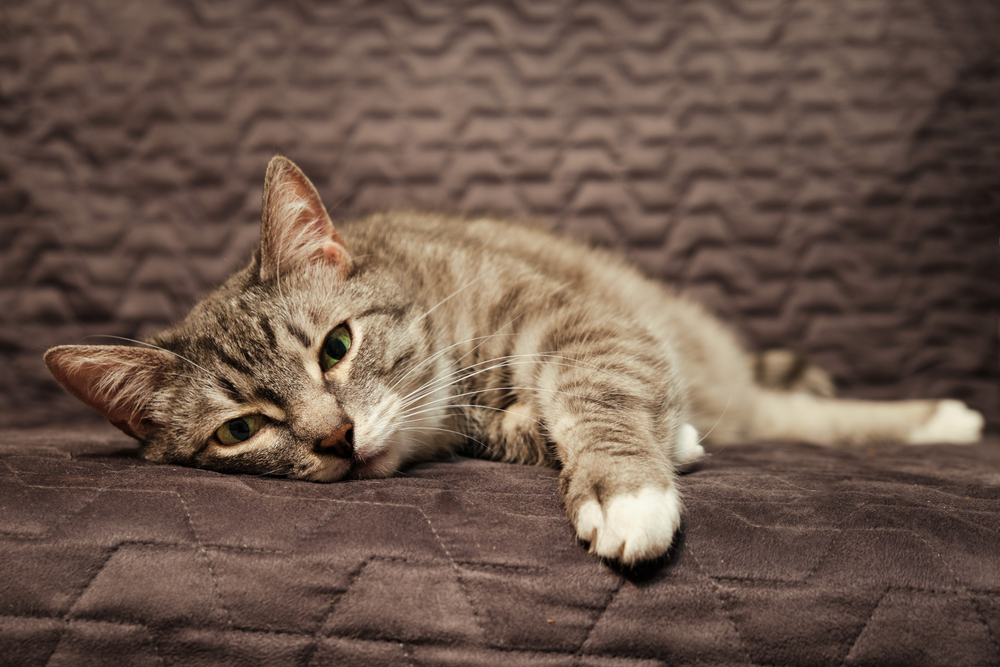
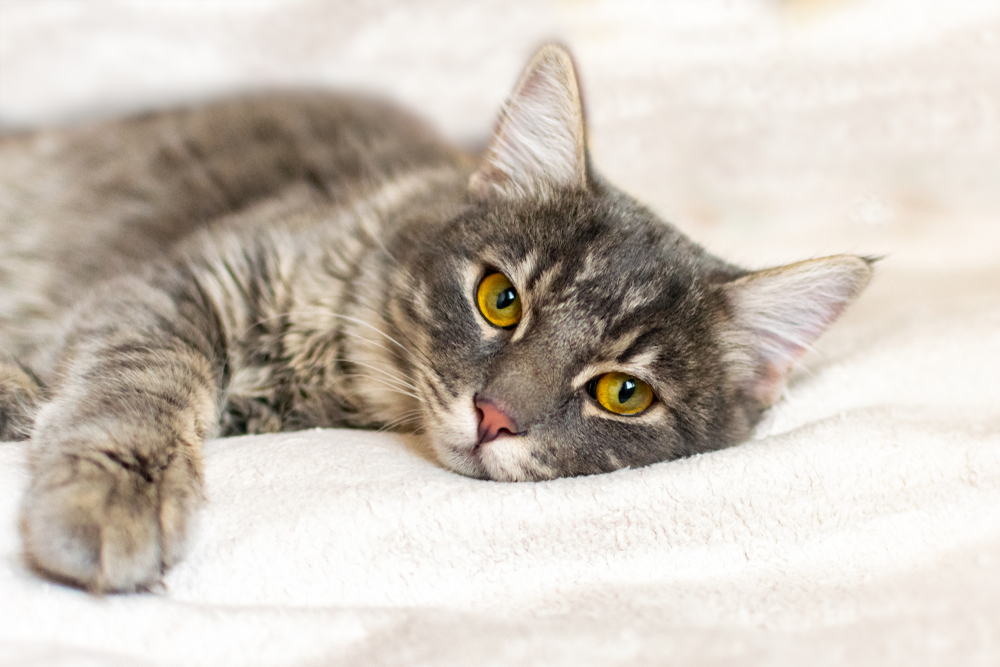
All cats sleep a lot, which can make lethargy easy to miss. The distinction is a cat that seems genuinely flat: disinterested in food, water, play, and interaction in a way that is out of character. When inactivity is accompanied by other changes, it is a strong signal that something needs investigating.
Changes in drinking and urination
A cat drinking noticeably more than usual is a recognized symptom of both kidney disease and diabetes. Changes in how often a cat urinates, or how much, can point to feline lower urinary tract disease, diabetes, hyperthyroidism, or urinary tract infection. Blood in the urine or straining in the litter box are always worth treating as urgent.
Vomiting and diarrhea
Occasional vomiting is common in cats and often due to benign causes like hairballs or minor digestive upset. Frequent vomiting, vomiting blood, or vomiting accompanied by other changes is a different matter and requires veterinary attention. The same applies to diarrhea. The occasional episode of loose stools is not necessarily cause for alarm, but persistent or recurrent diarrhea can be a sign of intestinal parasites, infection, inflammatory bowel disease, feline leukemia, or feline immunodeficiency virus.

Changes in grooming
Again, it is the change in behavior that is most telling, and grooming too much or too little can both be signs of a problem. A cat that stops grooming will develop a dull, matted, or unkempt coat, which can indicate kidney disease, diabetes, arthritis, or significant pain. A cat that grooms excessively, particularly returning repeatedly to one spot, may be dealing with a skin condition, parasites, pain, or anxiety.
Hiding
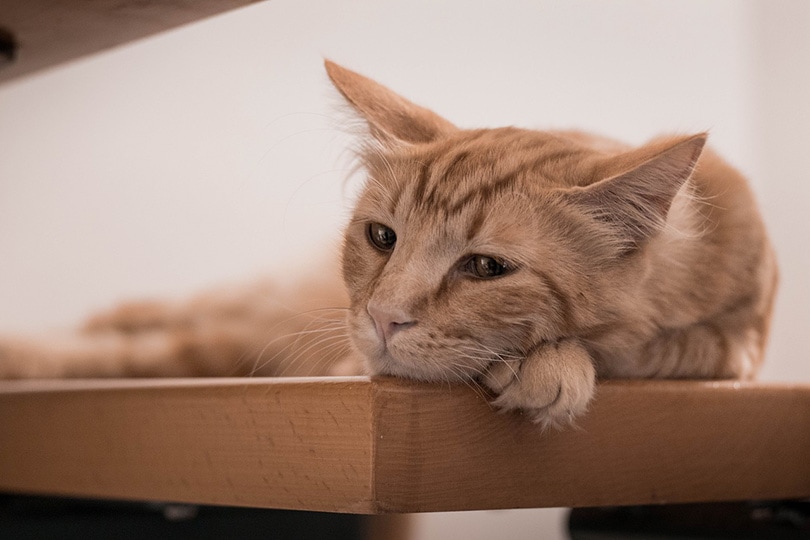
When cats are unwell, they often withdraw from the household and seek out quiet, enclosed spaces. This behavior traces back to the same instinct that drives cats to mask illness in the first place. A cat that is consistently hiding, especially alongside other symptoms, is usually not simply in a mood. It is worth taking seriously.
Litter box problems
Eliminating outside the litter box is one of the more commonly misread signs of illness. It tends to be interpreted as a behavioral or training issue, when in reality, urinary tract infection, kidney disease, diabetes, and other conditions frequently drive cats to avoid the box because they associate the toilet with pain. Cats experiencing stress and anxiety – even if they appear outwardly calm – often start toileting outside the litter box; something that can be tackled effectively with the right tools and advice. Any sudden change in litter box habits without an obvious environmental explanation should be assessed by a vet.

Breathing changes
Rapid breathing, wheezing, raspy breath, or any visible effort involved in breathing are all signs that require prompt veterinary attention. These can indicate respiratory infection, heart disease, airway obstruction, or fluid accumulation in the lungs. Normal breathing in cats should be quiet and effortless.
Changes in the eyes
Discharge from the eyes, whether clear, white, or colored, can indicate infection or upper respiratory illness, while squinting, rubbing the eyes, or holding one eye closed are classic signs of irritation or ulceration. Pupil size is also informative. Pupils that stay dilated or constricted regardless of the light level may point to neurological issues, toxin exposure, pain, or high blood pressure. Cats that show signs of vision changes, including bumping into furniture or apparent disorientation in familiar spaces, should be seen by a vet without delay.
Vocalization changes
A cat that becomes unusually quiet may simply feel too unwell to communicate normally. A cat that begins vocalizing more than usual, particularly at night, may be in pain, disoriented, or dealing with cognitive decline. Either shift from a cat's established communication patterns is worth paying attention to.
Mobility problems
Hesitation before jumping, reluctance to use stairs, or a noticeable change in gait can all indicate arthritis, injury, or neurological issues. Cats are good at compensating for pain, so by the time mobility problems become visible, discomfort is often already significant.
Bad breath
Dental disease is the most common cause of bad breath in cats and is often underestimated as a health issue. Left untreated, it causes pain that affects appetite and quality of life. Bad breath can also signal kidney disease, diabetes, or oral masses, so a sudden change in how a cat's breath smells is worth mentioning to a vet.

It’s All About Changes
When it comes to assessing feline health, you don’t need a veterinary degree to notice when something is different. One cat’s normal may be a sign of illness or pain in another, so being familiar with each cat’s habits, behaviors, and routine is a vital part of monitoring their health, as it makes it far easier to recognize changes.
Many of the signs above are easy to explain away individually, which is exactly what makes cats so skilled at masking illness. When in doubt, a vet visit is always the right call. Early detection and intervention are the best weapons we have against feline illness, so don’t ignore changes – tell your vet about them.
Featured Image Credit: Ro_ksy, Shutterstock
Did You Know?
- Our brand-new posts are rounded up and included in our weekly emails. Don't miss out on the latest - sign up for our newsletter below!

Expert cat care, straight to your inbox
Vet-reviewed advice, behavior tips, and the best of Catster. Free, and you can unsubscribe anytime.
By signing up, you agree to our Terms & Conditions and Privacy & Cookies Policy.
Dan has been working in the pet world for over 4 years covering cats, dogs, and all other pets in between. He loves helping pet parents keep their companions happy, healthy, and of course, totally spoiled! Originally from London, Dan now travels and works remotely, which unfortunately means no pets at home, but it gives him plenty of opportunities to fuss over other people's furry friends.
Join the conversation
Ask a question, share your story, or send private feedback.