Does Your Cat Need A Friend? How to Tell If Your Cat Is Lonely


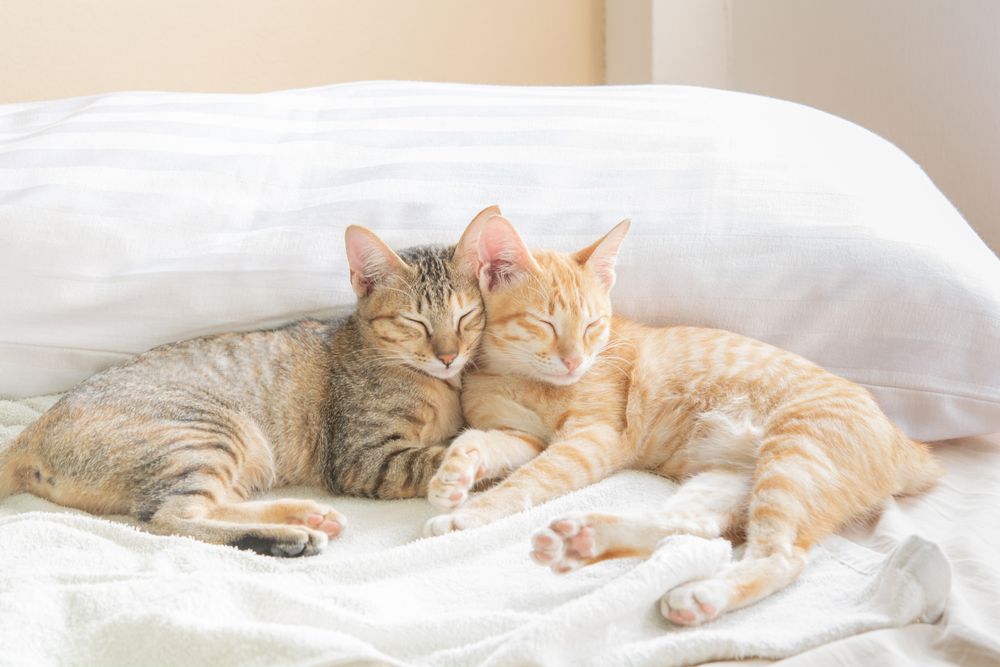
Cats have a reputation for being perfectly happy on their own – independent, self-sufficient, and solitary. But, like many stereotypes, this one does not tell the whole story. Whilst felines don’t tend to be as gregarious as dogs, they do form social attachments with other cats, with some being more outgoing than others. When cats are isolated, they may experience loneliness, boredom, and stress, building quietly in the background until it starts showing up in their behavior.
For cat parents with only one pet at home, the tricky part is that the signs of feline loneliness are easy to miss, and some of them look a lot like illness. Of course, the reverse can also be true, with subtle signs of illness often dismissed as personality quirks, which is why any changes in a cat’s routine, habits, or behavior should first be addressed with a health check at the vet.
So, how can you tell if a cat needs a friend? Here are seven behaviors that may signal a cat needs more social connection, plus some tips for introducing a new cat.
Signs That Your Cat Might Need a Friend
We know that cats are masters at masking illness, and many of the signs on this list are also indicators of pain or disease. If a cat is showing any of the following, the first step is to book an appointment with the vet, even if they don’t seem unwell. It is far better to get the all-clear than wait for more definitive signs of illness to appear.
If your cat has a clean bill of health and starts showing any or all of the signs below, it may be companionship they need.
Sleeping More Than Usual
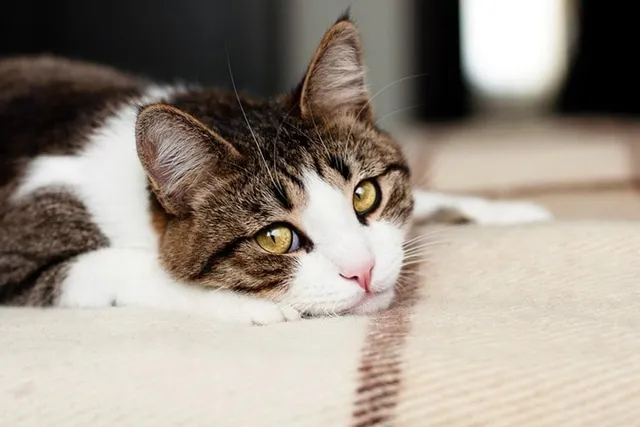
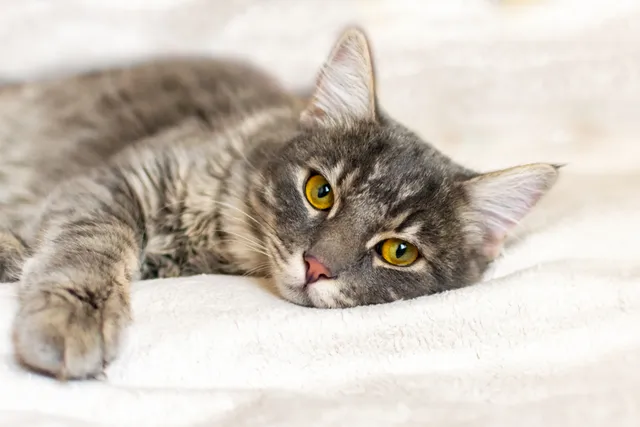
Cats sleep a lot. Everyone knows this. But there is a difference between a cat that sleeps contentedly and one that has gone unusually flat, barely reacting to things that would normally catch its attention. A healthy cat sleeping excessively and showing reduced interest in its surroundings may be dealing with loneliness rather than just a lazy afternoon.
Sudden Shifts In Energy
Both ends of the energy spectrum are worth watching. A cat that has become disinterested in normal activities, or one that has started tearing around the house at unexpected hours with a slightly unhinged look in its eyes, may be signaling that something is off. Boredom and loneliness can manifest as either withdrawal or restlessness depending on the cat. A companion to burn excess energy with or provide some gentle company may be just what the doctor ordered.

Eating More Or Less Than Usual
Believe it or not, cats engage in emotional eating more than most people realize. Some cats overeat when bored, using food to break up the day or as a substitute for companionship. Others lose interest in eating entirely when they feel low. Either pattern warrants attention, because not only can both be signs of ill-health, they can also have health consequences. Obesity carries significant risks for cats, and prolonged undereating can cause serious complications. If there is no physical reason or health conditions behind a change in appetite, emotional state is worth considering.
Grooming Too Much or Too Little
A cat that stops grooming will develop a dull, unkempt coat fairly quickly, while grooming obsessively, returning repeatedly to one spot or pulling out fur, is a classic stress response. Loneliness is a genuine stressor for cats, and both extremes in grooming behavior can trace back to a lack of stimulation and social connection. Either shift from normal is worth taking seriously.
Litter Box Problems
Inappropriate elimination is one of the most common behavioral complaints from cat owners, and stress is one of the most common triggers. Box cleanliness, litter type, and placement are always worth checking first. But a cat with no obvious environmental reason to avoid the box may be dealing with underlying anxiety. Loneliness, particularly in cats that have previously lived with other animals, can quietly contribute to that kind of tension.

Destructive Behavior
All cats scratch things. It is a normal and natural behavior that can typically be managed. But a cat suddenly destroying furniture, knocking objects off shelves with suspicious enthusiasm, or chewing on things it has always ignored is usually a cat manufacturing its own entertainment because nothing better is on offer. This tends to escalate when a cat is under-stimulated. A companion that can engage in mutual play addresses the root cause more directly than any number of redirections.
Stalking and Harassing Their Humans
A cat that shadows their human from room to room, meows persistently, or dramatically ramps up attention-seeking beyond its usual baseline is communicating something clearly: it needs more social connection than it is currently getting. This is especially notable in cats that are normally more reserved. The behavior is not manipulation. It is a cat doing the best it can to signal an unmet need.
Is a Second Cat the Solution?
Before you race out and get yourself another cat, there are a few things to consider. As mentioned earlier, the first and most important step is to make an appointment with your vet to make sure there are no underlying health issues. It might seem like overkill, but a thorough review of their lifestyle, diet, and even some blood tests are worthwhile investments in the health of your cat.
When a cat is in good physical health and feels safe and secure, with provisions made in the home for environmental enrichment and exercise, dispondency, disinterest, or destructive behavior may be evidence of loneliness. However, that doesn’t automatically mean that the solution is another cat.
A cat that is acting out partly because it is not getting enough attention from their owner will not automatically improve with a second cat in the house, since two cats still need time and engagement from the humans around them.
Matching energy levels matters more than most people expect. An older, quieter cat paired with a boisterous kitten is a classic mismatch. A calmer companion for a calmer cat, or an equally playful one for a younger cat, gives the arrangement the best chance of working.

Go Slow…But Not Too Slow
There are different schools of thought when it comes to introducing cats. Some experts recommend keeping cats separated for one to two weeks, allowing them to adjust to each other's presence through scent before allowing any face-to-face contact; however, this isn’t always practical or successful. Introductions drawn out over too long a period can actually build tension rather than reduce it, and sometimes it’s better to ‘rip off the band-aid’ and allow them to meet on their own terms, provided each cat has room to escape if needed.
Preparing the home for a new cat is one of the most important parts of the process. Calming sprays and pheromone diffusers can help create a calm atmosphere, and it’s vital to make sure there are multiple options for climbing, jumping, hiding, and toileting. Swapping bedding or rubbing a towel on each cat for the other to investigate can help move things along.
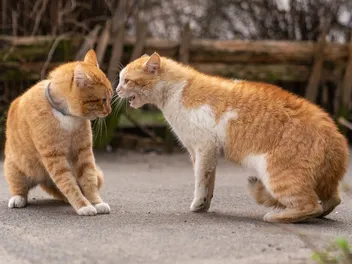
Expect some hissing and growling, and there may even be some physical altercations; though these tend to be more about noise and posturing than full-on fighting. Obviously, we need to make sure they are not causing serious harm to one another, but it’s also important to allow cats to work out their differences. Interrupting conflict often doesn’t fix the problem; it just delays the conflict resolution. So sometimes letting things come to a head, provided that it doesn't get dangerous or violent, is actually the best thing to do.
If you can do so without causing stress, trimming the claws of both cats – just enough to remove the sharp points – can make this process a little safer.
Be present, but don’t hover. The more anxious you behave about an introduction, the more anxious the cats will feel, so try to relax and go about your daily activities whilst keeping an eye on their progress. Encourage positive interactions with gentle praise and treats.
Peaceful cohabitation usually happens gradually rather than all at once, and patience & preparation in the early weeks tend to pay off in the long run.
Featured Image Credit: srisakorn wonglakorn, Shutterstock
Did You Know?
- Our brand-new posts are rounded up and included in our weekly emails. Don't miss out on the latest - sign up for our newsletter below!
Expert cat care, straight to your inbox
News, insights, and useful advice, delivered to you.

No spam — unsubscribe anytime.
By signing up, you agree to our Terms & Conditions and Privacy & Cookies Policy.
How useful was this post?
Click a star to rate. You can leave written feedback afterwards. (We read all feedback.)
Dan has been working in the pet world for over 4 years covering cats, dogs, and all other pets in between. He loves helping pet parents keep their companions happy, healthy, and of course, totally spoiled! Originally from London, Dan now travels and works remotely, which unfortunately means no pets at home, but it gives him plenty of opportunities to fuss over other people's furry friends.