Why Cats Love To Get High


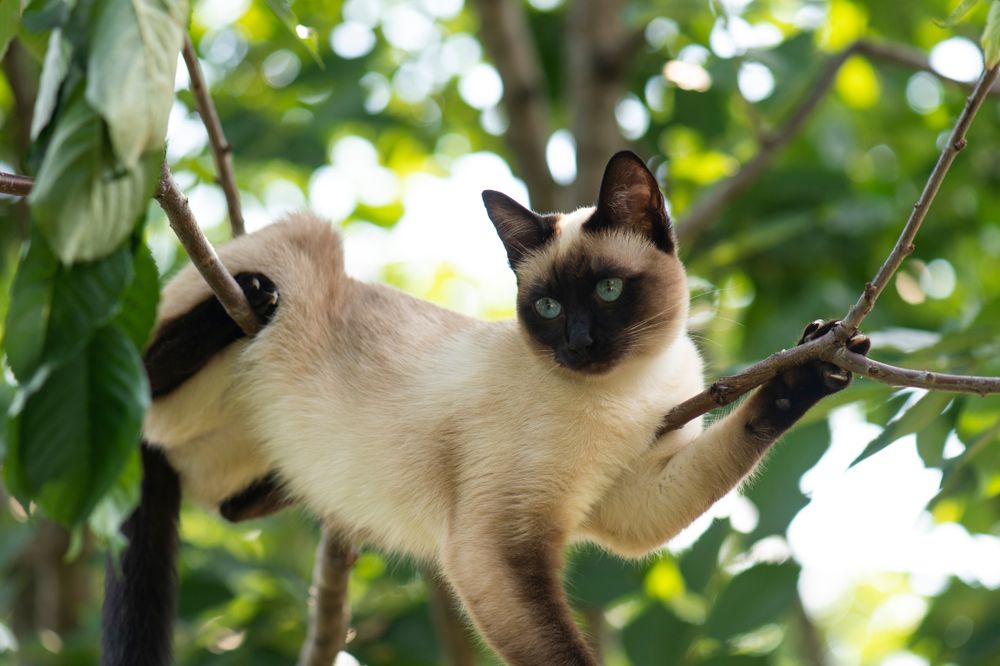
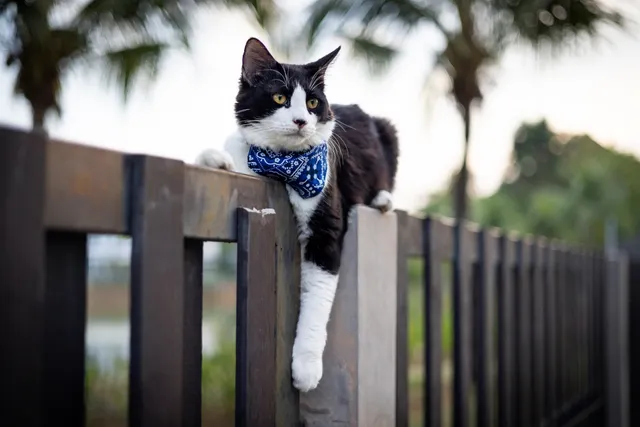
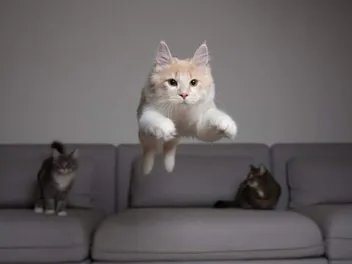
If you’re trying to find a cat in any home, the search almost always ends by looking up. They’ll be on top of the refrigerator, balanced on a door frame, or wedged into the highest shelf of a bookcase. It is one of the most consistent behaviors cats show, and most owners accept it without ever really knowing why it happens.
The reasons behind it are more interesting than you might think, and they are directly linked to how cats are wired at an instinctive level.
Security With A View
Cats are predators, but they are also prey. In the wild, a cat on the ground is exposed to threats from larger animals. A cat elevated above the action has a much clearer view of what is approaching and far more time to react. That survival logic has not disappeared in domestic cats, even those that have never spent a day outside.
When something in the environment makes a cat feel uncertain, whether that is a new person in the house, a change in routine, or simply a busy household with a lot of movement, retreating to a high spot provides an immediate sense of security. The elevated position offers a full view of the space below while keeping the cat out of easy reach. It is a remarkably efficient solution to the problem of feeling exposed, and cats return to it instinctively.
Height equals safety and visibility, which, on the home front, can also mean security and comfort.
Dominance and Territory

Height is not just about safety. It is also about status. In multi-cat households, the highest available spot is frequently contested, and the cat that claims it tends to be the most socially dominant. This mirrors a pattern seen in wild cats, where elevated positions signal rank as much as they provide practical advantage. This behavior is worth watching in multi-cat households where competition over prime spots can become a source of tension.
Even in single-cat households, the dynamic is visible. A cat that regularly occupies the top of a cat tree, the highest shelf, or any elevated surface it can access is expressing something about how it sees its place in the home. So if you’ve ever felt like your cat enjoys looking down on you, you might be onto something!
Instincts That Outlasted Domestication
Domestic cats share far more behavioral DNA with their wild ancestors than most people realize. Millennia of hunting and survival strategies have not been removed by just a few thousand years of living alongside humans. Wild cats use elevated positions to stalk prey from above, conserving energy while maintaining a tactical advantage that keeps them out of reach of most threats, and these instincts have not been bred out of domestic cats, even if the landscape has changed.
A house cat that has never stalked a gazelle or been chased by a coyote still feels the pull toward height because instinct operates independently of lived experience. It knows, on a cellular level, that height gives them an advantage over predators, prey, and uncertainty.
When a cat escapes the house or is chased by a dog, they don’t look for a hole to hide in. No, they scarper up the nearest tree, even if they don’t have a plan for getting down.
Sleep High, Sleep Deep

Cats are at their most vulnerable when they are sleeping, and how much they can relax is linked directly to the security of their sleeping position. Some domestic felines seem able to shut the world out and slumber deeply; any place, any time. Others need the certainty of physical distance before they can truly let their guard down and relax.
A cat resting at ground level in a busy room is subject to foot traffic, sudden sounds, and the unpredictable movements of other animals or people. All of these are potential stressors that keep a cat from settling into the deep, restorative sleep it needs.
A cat that has found a high, quiet spot, tucked away from the household's main activity, can rest without the constant, low-level alertness that an exposed position requires. The result is genuinely better sleep, which matters for overall health and wellbeing.
Heat Rises, and So Do Cats
Heat rises, which makes elevated surfaces naturally warmer than floor level. Cats are drawn to warmth with considerable consistency, and this plays a significant role in their preference for high spots, particularly during colder months. A cat stretched across the top of the refrigerator or curled on a high shelf near a heating vent is not just seeking height for height’s sake; they are seeking heat, and will go wherever that leads.
The same logic also runs in reverse. In warmer weather, cats often shift their resting behavior downward, gravitating toward cool floor surfaces to regulate their body temperature in the other direction. The seasonal variation in where a cat chooses to sleep is often driven entirely by this thermoregulatory instinct.
How To Give Cats More Vertical Space
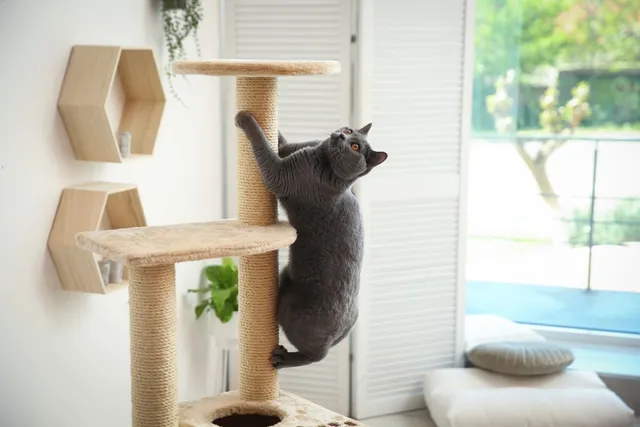
Understanding why cats seek height makes it easier to set up a home that genuinely meets their needs. A tall, sturdy cat tree, particularly one with multiple platforms at different heights, is the single most effective investment any cat parent can make, as it allows cats to choose their elevation based on mood and season. Many designs also include scratching posts and enclosed areas, which address several feline needs in one piece of furniture.
Wall-mounted shelves arranged at different heights give cats a way to move vertically through a room without taking up floor space, which is useful in smaller homes. Clearing off the top of the refrigerator is a low-effort option that many cats will claim immediately – just make sure they aren’t able to fall or get stuck behind it. A window perch or hammock mounted at the right height combines elevation with an outdoor view, serving both territorial monitoring instincts and the general need for stimulation.

Providing enough vertical space is particularly important in households with multiple cats, where access to high spots reduces social tension and gives each animal a way to establish a comfortable position without conflict.
So if you’re looking for ways to make your home even more feline-friendly, you don’t have to think big; just think high.
Featured Image Credit: vlalukinv, Shutterstock
Did You Know?
- Our brand-new posts are rounded up and included in our weekly emails. Don't miss out on the latest - sign up for our newsletter below!
Expert cat care, straight to your inbox
News, insights, and useful advice, delivered to you.

No spam — unsubscribe anytime.
By signing up, you agree to our Terms & Conditions and Privacy & Cookies Policy.
How useful was this post?
Click a star to rate. You can leave written feedback afterwards. (We read all feedback.)
Dan has been working in the pet world for over 4 years covering cats, dogs, and all other pets in between. He loves helping pet parents keep their companions happy, healthy, and of course, totally spoiled! Originally from London, Dan now travels and works remotely, which unfortunately means no pets at home, but it gives him plenty of opportunities to fuss over other people's furry friends.