Why Do Cats Like Squeezing into Tight Spaces? 7 Vet-Reviewed Reasons


In this article
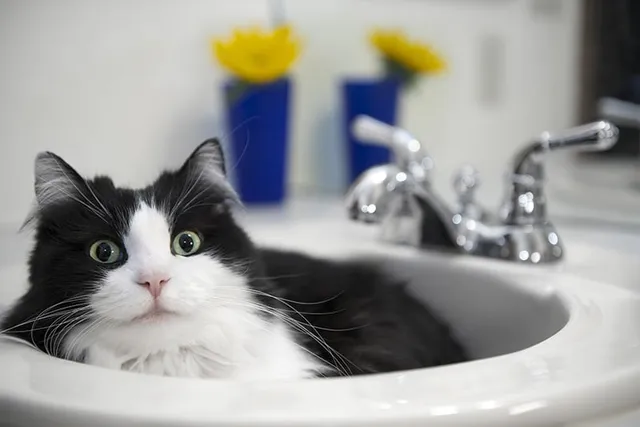
Cats have many strange behaviors that can include chattering, kneading, headbutting, and more, but one of the strangest has to be their desire to squeeze into tight spots that seem to be way too small for comfort. If your pet likes to do this, keep reading as we try to get to the bottom of why.
We’ll discuss whether or not it’s dangerous, and steps to take to prevent it if needed. We’ll also answer several common questions to help you understand your pet better.

The 7 Reasons Why Cats Like Small Spaces?
1. They Are Hunters
Cats are natural hunters, and their ancestors relied on stealth and agility to capture prey. Small crevices and holes can provide hiding spots that give the cat an advantage when stalking and ambushing prey. The domestic cat’s desire for tight spaces might be linked to this instinct, especially if you notice them doing it while playing.

2. They Are Safe and Secure
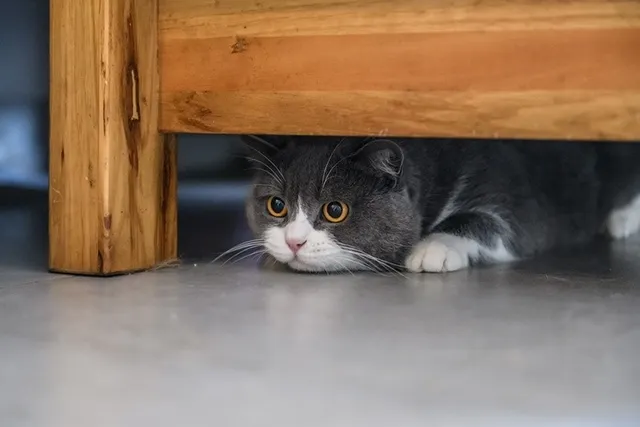
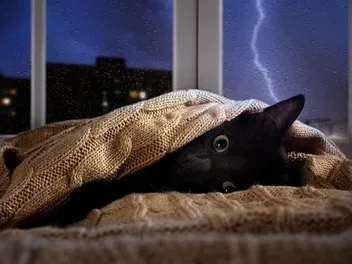
Tight spaces offer a sense of security for cats. In the wild, a concealed and confined area can serve as a safe haven from potential predators. Even though our pets don’t face the same threats, the instinctual need for a secure and hidden space remains part of their behavior. They may also seek out safety when they are around things that make them feel stressed, like loud noises, unfamiliar scents, or other animals.
3. They Are Getting Warm
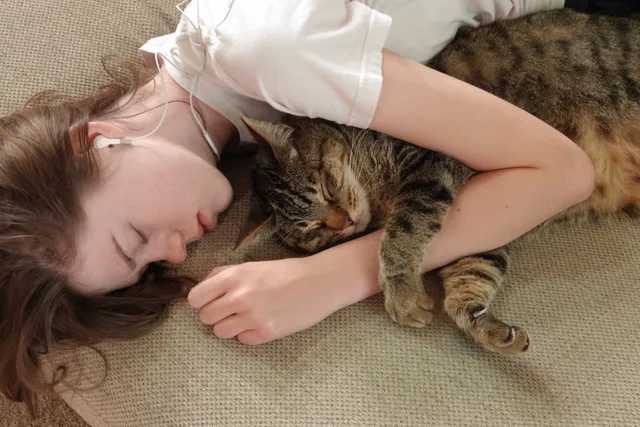
Cats are creatures of comfort, and many like warm places. Tight spaces, especially those with enclosed walls, can trap and retain heat, creating a cozy environment that the cat enjoys resting in, especially during the colder winter months.

4. Marking Their Territory
Cats are territorial animals and squeezing into tight spaces can be a way of marking their territory. By occupying a confined area, a cat leaves their scent behind, subtly claiming the space as their own and establishing a familiar and safe zone within the larger environment.
5. They Are Curious and Playful
While some cats may prefer to observe from a distance, others are highly curious and playful. Squeezing into tight spaces can be a form of exploration and play for these more adventurous cats, and it can help them get the exercise they need to stay fit.

6. They Are Stretching
Believe it or not, squeezing into tight spaces might have orthopedic benefits for cats. When a cat curls up in a small space, it allows them to stretch and flex their muscles, promoting joint health and flexibility.
7. Psychological Well-Being
It has been proven in both humans and dogs that body compression can lead to a release of endorphins, which can help calm anxiety and result in feelings of calmness and happiness. For dogs, there are various compression vests and thunder shirts on the market to provide them with a “wearable hug”. It is reasonable to think that cats may get a similar endorphin boost from squeezing into tight spaces.

Tips for Helping Your Cat Feel More Comfortable
Ensure your cat is in good health by scheduling regular veterinary checkups and addressing any health concerns immediately.
Frequently Asked Questions (FAQ)
How Can I Help My Cat Feel More Comfortable at the Vet?
Make vet visits less stressful by using a carrier that allows easy access, placing familiar bedding inside, and using positive reinforcement. Familiarize your cat with the carrier at home and consider using pheromone or calming sprays or wipes to create a calming environment.
How Can I Prevent My Cat from Squeezing into Tight Spaces?
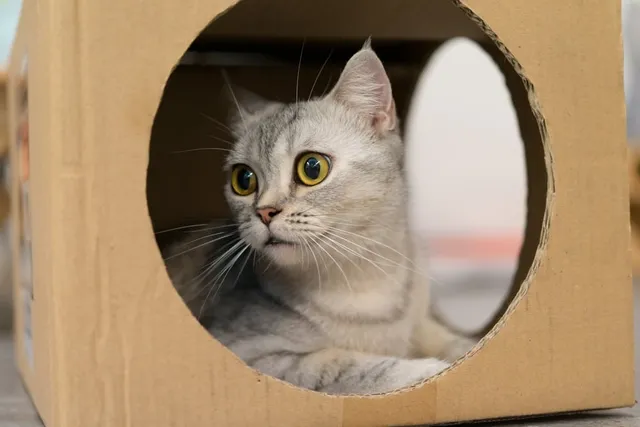
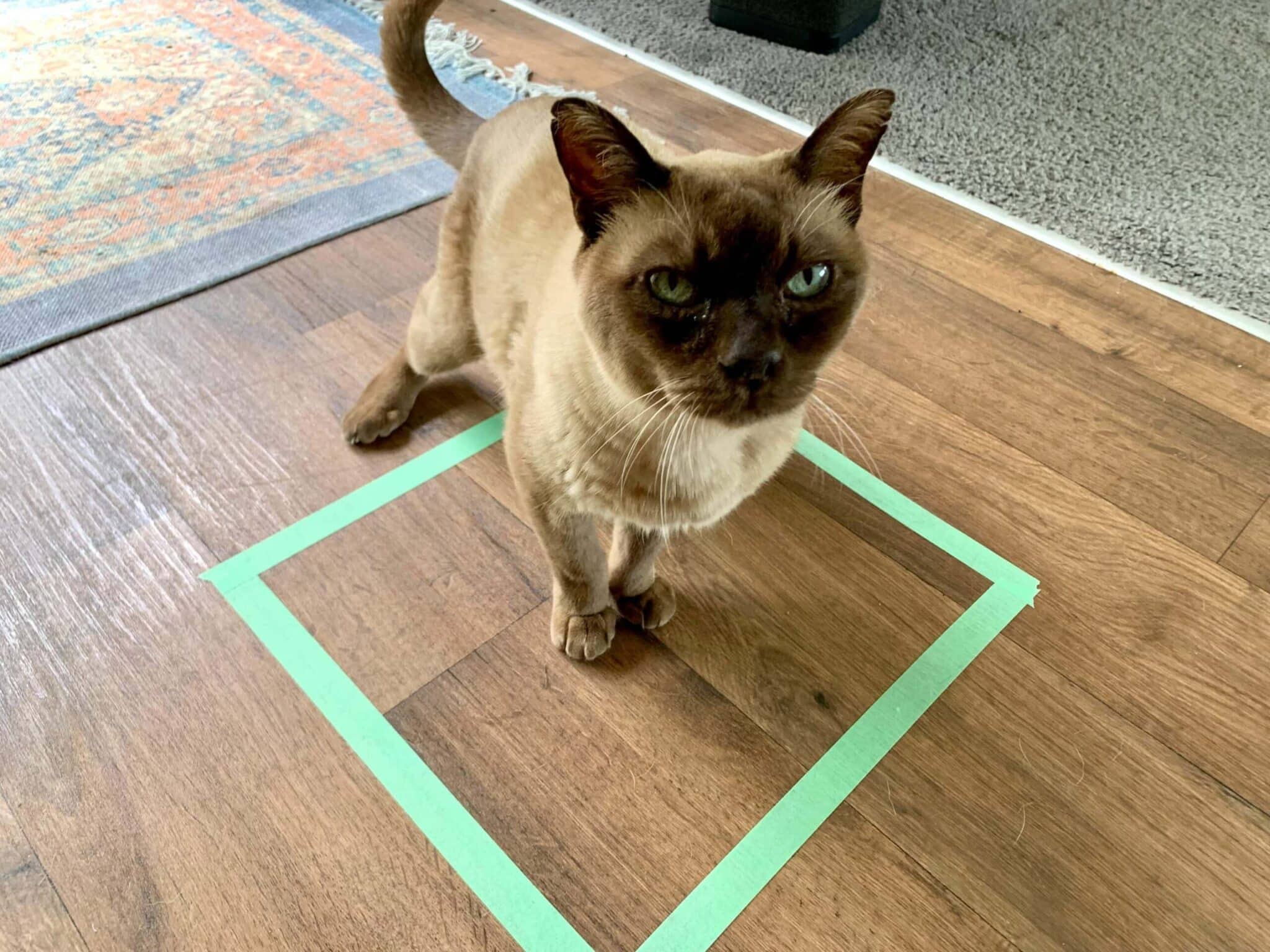
Squeezing into tight spaces is a natural behavior for cats that is difficult to overcome. However, if your pet is getting into an area they shouldn’t, like behind the fridge or areas with lots of wires, you can try to redirect them by providing alternative hiding spots they can use. Invest in cat furniture like condos, shelves, and beds that offer snug spots, and use positive reinforcement to help them be more comfortable while they get used to the new spaces. Place these new hiding spaces close to where they have been hiding, and once your cat learns to hide in the new spot, you can relocate it to somewhere better if needed.
Identify and block off potentially unsafe tight spaces. Use barriers, furniture, or creative solutions to restrict access to areas where your cat could get stuck or encounter hazards.
Those caring for anxious cats understand the struggles and discomfort that their companions feel on a daily basis. The innovative bowl shape of the Hepper Nest Bed provides nervous pets with support and its high sides offer a sense of security, diminishing stress and worry. To learn about how to the Hepper Nest can provide solace to your cat, click here.

- COMFY KITTY - Your cat or kitten will have an amazingly deep sleep in this self warming, nesting cat bed. The warm, fluffy cat bed lining provides calming stress relief for cats of all ages.
- PRETTY HOME - This round cat bed has a modern and unique design that’s perfect for a sleek indoor look. We don’t think of it as cat furniture but think of the Cat Nest as a “cat home”.
- SPACE SAVER - Reclaim your desk, window sill, or couch from kitten encroachment. This calming nest cat bed has an elevated, space-saving hideout so comfortable your kitty can't resist!
At Catster, we’ve admired Hepper for many years and decided to take a controlling ownership interest so that we could benefit from the outstanding designs of this cool cat company!
Why Is My Cat Suddenly Hiding?
Sudden hiding can be a sign of stress, illness, or pain. Rule out any health issues with a vet visit and assess changes in the environment that may be causing anxiety. Providing a quiet space and gradual exposure can often help bring them back out.
Conclusion
Unfortunately, no one can be completely sure why cats like squeezing into tight spaces. However, it likely has something to do with their instinct to hunt, which often causes them to hide in small areas to ambush their prey. They may also be squeezing into tight spaces to stay warm or to stretch out. Many cats also like to hide for a while if they are feeling anxious.
If your cat is getting into areas they shouldn’t try diverting them by providing additional suitable areas they can use and using positive reinforcement, like treats and praise, when they use the right ones.
See Also:
Do Cats Like Being Squished? Our Vet Answers & Explains Feline Behavior
How Do Cats Squeeze into Small Spaces? (The Surprising Details!)
Sources
Featured Image Credit: Svetlana Rey, Shutterstock
Expert cat care, straight to your inbox
News, insights, and useful advice, delivered to you.

No spam — unsubscribe anytime.
By signing up, you agree to our Terms & Conditions and Privacy & Cookies Policy.
How useful was this post?
Click a star to rate. You can leave written feedback afterwards. (We read all feedback.)
Ed Malaker is a veteran writer who has contributed to a wide range of blogs that cover tools, pets, guitars, fitness, and computer programming. When he’s not writing, Ed is usually performing DIY projects around the house or working in the garden. He’s also a musician and spends a lot of time helping people fix their guitars and composing music for independent films.