Why Do Cats Sit on Squares, Even If It's Just Tape? 8 Vet-Reviewed Reasons



In this article
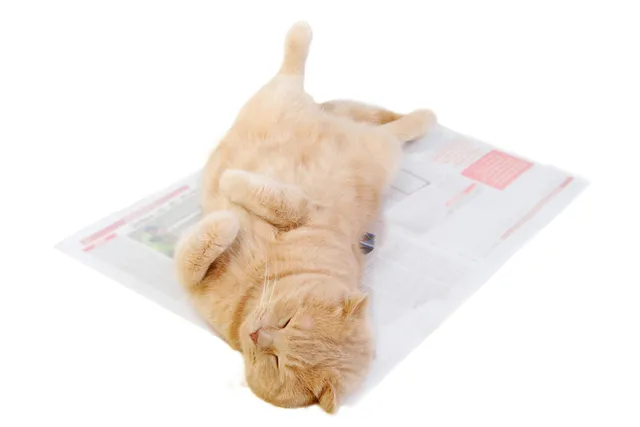
For some odd reason, cats seem to enjoy sitting on squares. They'll even sit on pieces of tape that look like tiny squares, which can be quite comical. But why do cats love sitting on squares so much? Here are eight interesting theories about why cats may find comfort in square shapes:

The 8 Possible Reasons Why Cats Sit on Squares
1. Territory Marking
Sitting on a square-shaped object, even a taped-off square, can be a way for cats to mark their territory. They may instinctively feel the need to stake out a small portion of space as their own, and sitting on top of it helps them do that. They can also release their scent when they sit on surfaces, so they could be claiming that square as their own.
2. A Sense of Security
Squares may provide cats with an enclosed sense of security. This is especially true for cats that feel threatened by their environment. Sitting on a square can help them feel safer and more secure. Your cat can tell that taped-off squares have defined edges, and they may see it as an enclosed area even though it’s not necessarily a box or a bed.
3. Comfort
Some squares are soft (think pillows and folded blankets), which can make them more comfortable for cats to sit on. Plus, the sides of the square provide extra cushioning from hard surfaces underneath it.

4. The Perfect Fit
Cats have an uncanny ability to find the perfect fit for their body shape when looking for a comfortable spot to take a nap. You may have heard the popular Internet phrase "If I fits, I sits" that describes this behavior. Interestingly, cats seem to have an innate preference for squares and rectangles because the shapes accommodate their unique body shape better than others.
5. Temperature Regulation
Squares and rectangles can provide cats with a better temperature retention than other shapes, which can be useful for those cold winter days, and may be why many cat beds are square-shaped. The sides of the square act as an insulator that helps keep your cat warm, especially if the square is an enclosed space such as a box.
6. Familiarity
For cats raised with a certain type of square or rectangle-shaped bed, it can become a familiar and comfortable object for them to nap on. That is why cat owners often find their cats sleeping in the same spot every day; they've made the square shape their own personal comfort zone.

7. Balance
Sitting on a square or rectangular object can help cats find a better balance than on other shapes. This is especially true for older cats and those with mobility issues that make it hard to balance on their own.
8. Curiosity
As we all know, cats are incredibly curious creatures, so they may be intrigued by the shape of squares and rectangles. They may like to explore them and find out what makes them different from other shapes.

Why Do Cats Sit in Boxes?
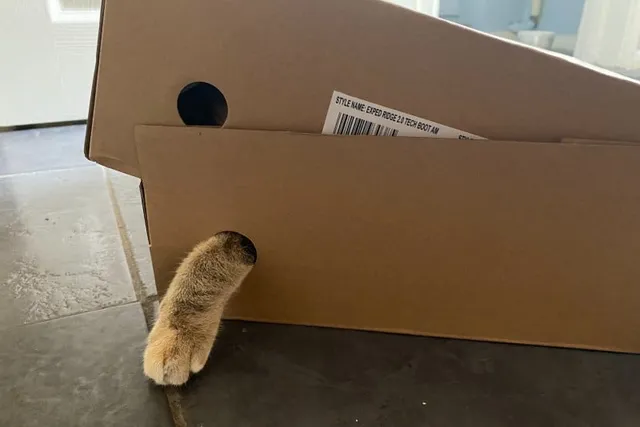
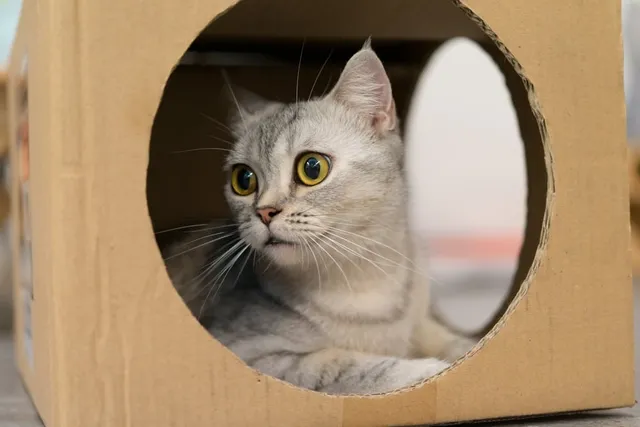
Cats often like to sit in boxes since it provides them with a sense of safety, warmth and security. Boxes also give cats an enclosed, cozy space, which can help keep them warm and protected from other animals or predators. The shape of the box also helps protect cats from drafts and keeps them safe from curious eyes while they rest.
Additionally, cats may enjoy boxes because they give them a sense of control and authority, as they can hide away from any potential threats. Or, they could simply like the texture and sound of the cardboard.

Other Curious (and Fascinating) Cat Behaviors
The following behaviors and cats’ preference for squares demonstrate just how unique and fascinating our feline friends truly are. Keep an eye out for these behaviors in your cat, and you may even learn something new about your furry friend.
1. Chattering
This behavior involves cats chirping or clicking noises while watching birds, squirrels, or prey they can’t reach. It may be a sign of frustration or excitement as the cat prepares to pounce on their prey.
2. Loafing
Cats sit in a loaf or on their stomachs with their feet tucked in close to the body, making them look like a loaf of bread. Cats sit this way to keep warm and conserve energy.

3. Circling
Cats may circle around a person or an object to show their ownership and mark the area with their scent. This is usually done before they take a nap so they feel secure in their spot.
4. Head Butting
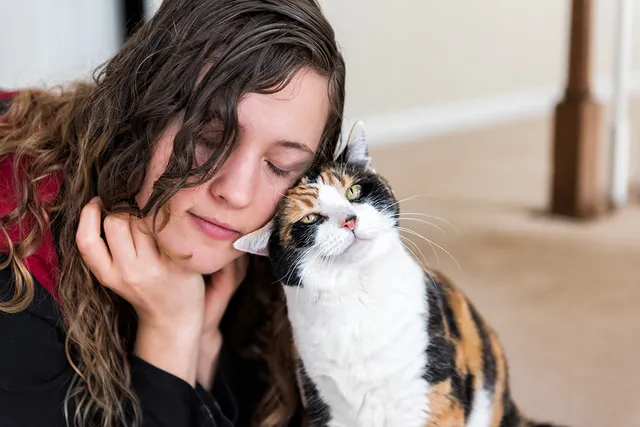
Cats rub their heads against people and objects to communicate and show affection. They also have scent glands on their heads that secrete pheromones, which indicate to other cats that they belong in the area.

5. Kneading
Also called "making biscuits," kneading is when cats repeatedly press down on a blanket, pillow, or human with their paws. It's believed that it is a behavior they picked up as kittens when nursing, and it indicates contentment.
6. Tail Quivering
Cats will quiver their tails when feeling playful, alert, or excited. A wide-eyed expression usually accompanies this behavior and can be seen when cats are ready to pounce on toys or prey.
Other FAQs About Cats
Do Cats Have Scent Glands On Their Head?
Yes, cats have scent glands on their heads, cheeks, and foreheads, which secrete pheromones and indicate to other cats that they belong in the area. Cats rub their heads against people and objects to communicate and show affection. It’s also believed that releasing the pheromones helps cats mark their territory.
How Can I Know If My Cat Is Happy?
Many signs indicate a cat is happy, such as purring, kneading, and tail quivering. Cats also often display affectionate behavior towards their owners, like head-butting or rubbing against them. Additionally, cats may also show contentment through relaxed body movements and soft facial expressions. If your cat exhibits these behaviors, it’s a good sign that they are feeling content and happy.
What Should I Do if My Cat Is Displaying Weird Behavior?
If you notice any strange or abnormal behaviors, it’s important to take your cat to the vet as soon as possible so they can be checked out. The vet can help you determine the cause of the behavior and provide advice on how to manage it. Additionally, if your cat displays any signs of distress or discomfort, it’s important to seek medical attention immediately.
Do Cats Need Their Own Beds?
Yes, cats need to have their own beds. A bed provides them with a safe and comfortable space that is all their own. Having their own bed also provides cats with a sense of security and familiarity. It’s best to choose a soft and comfortable bed for your cat to curl up in, although some will choose their own safe spot, such as the top of the wardrobe or your own bed. Be sure to choose a bed made of comfortable, supportive materials, so your cat can be safe and cozy while sleeping.

- COMFY KITTY - Your cat or kitten will have an amazingly deep sleep in this self warming, nesting cat bed. The warm, fluffy cat bed lining provides calming stress relief for cats of all ages.
- PRETTY HOME - This round cat bed has a modern and unique design that’s perfect for a sleek indoor look. We don’t think of it as cat furniture but think of the Cat Nest as a “cat home”.
- SPACE SAVER - Reclaim your desk, window sill, or couch from kitten encroachment. This calming nest cat bed has an elevated, space-saving hideout so comfortable your kitty can't resist!
Cats are known to be particular about their beds, which is why finding the right one poses a challenge for pet owners. The modern design of our Hepper Nest Bed was thoughtfully created for maximum coziness that many cats cannot resist. Molded into a comfy bowl shape that cradles your cat with a self-warming fleece insert, you’ll have a hard time getting your cat up from their daily naps. Click here to learn more.
At Catster, we’ve admired Hepper for many years and decided to take a controlling ownership interest so that we could benefit from the outstanding designs of this cool cat company!
Conclusion
While these theories may be fun to ponder, it's impossible to know why cats sit on squares. We can only guess what is going through their minds when they do this. Regardless of the reason, cats definitely seem to have a fascination with square and rectangular objects. If you see your cat lounging on a piece of tape or other similarly shaped objects, think to yourself, "If they fits, they sits!"
Featured Image Credit: Catster.com
Expert cat care, straight to your inbox
News, insights, and useful advice, delivered to you.

No spam — unsubscribe anytime.
By signing up, you agree to our Terms & Conditions and Privacy & Cookies Policy.
How useful was this post?
Click a star to rate. You can leave written feedback afterwards. (We read all feedback.)
Christian started writing for a local newspaper as a teenager, and he's been involved in the publishing industry for most of his adult life. Combining his love of writing with a passion for animals, he is currently the Director of Editorial at Pangolia and the Editor-in-Chief at Catster.
Christian lives in the Philippines with his wife, son, and four rescue cats: Trixie, Chloe, Sparky, and Chopper.