Weird Cat Behaviors That Actually Make Perfect Sense


We have been sharing our lives with cats for thousands of years, yet we still find ourselves genuinely stumped by what they get up to. From chattering their teeth at the window to leaving dead mice at the door, these behaviors may look bizarre on the surface, but most of them have real explanations rooted in instinct, communication, and biology.
Here is what is actually going on behind some of the most confusing things cats do.
Regifting Dead Animals
When a cat drops a mouse at someone's feet, the instinct behind it traces back to wild cat mothers who brought prey home to teach their young how to hunt. The cat is not being macabre; their gift is genuinely well-intentioned. That said, it is worth discouraging the habit where possible. Good intentions aside, dead animals can expose both your cats and family to parasites and disease. Consider keeping your cat inside or explore other ways to curb their hunting habits.
Making Biscuits

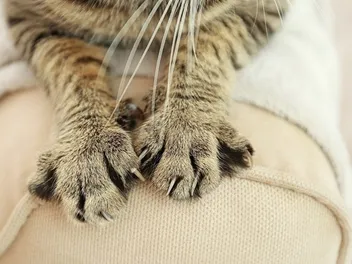
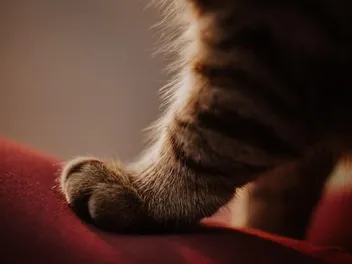
The slow, rhythmic kneading that cats do on blankets, laps, and soft surfaces starts in kittenhood. Kittens knead their mother’s belly while nursing to stimulate milk flow, and the motion becomes inextricably associated with feelings of comfort. Most adult cats carry the habit into their whole lives, with some engaging in the habit more than others. The paws also contain scent glands, so there is also a territorial aspect to this charming action.
Laying Waste To Their Surroundings
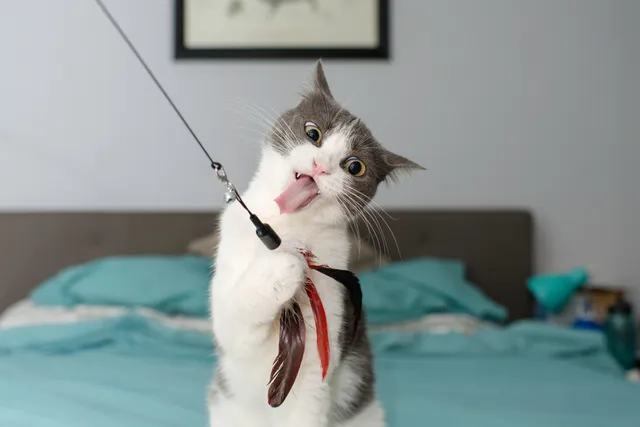
Clumsy is not a word we would use to describe cats, so when they go knocking things off tables, shelves, and countertops, it is rarely an accident – cats are far too coordinated for that! This annoying little behavior tends to come down to two things: curiosity and boredom. Of course, some would hypothesize mischief-making as another explanation. A cat that is understimulated will manufacture its own entertainment, and the cause-and-effect of pushing a cup off the edge is genuinely fascinating to them. Enrichment through toys and cat-specific furniture can help to redirect that energy somewhere less destructive. Resist the urge to shout at your mischievous cat, as it will only lead to their frustration. Instead, try interrupting them with a short, sharp hiss followed by a wide-eyed look to let them know you’re not pleased with their redecorating efforts.
Chattering
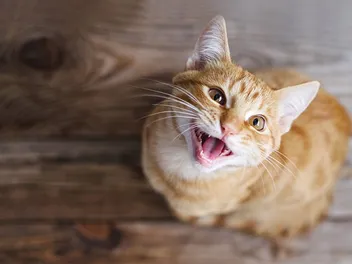
The rapid clicking sound cats make while watching birds through a window is one of their more distinctive and adorable vocalizations. It typically happens when prey is visible but out of reach. One theory is that the motion mimics the bite a cat uses to kill prey, while another suggests it may be an attempt to mimic bird calls in an attempt to mask their presence or perhaps even attract their prey to move closer. Either way, a chattering cat is one whose instincts are engaged. If your cat is chattering a lot, it may be a sign that they need a bit more enrichment in their lives, and extra playtime often helps.
Stink Face
That adorable little grimace that cats make when sniffing something is called the Flehmen response, and it’s actually a specific sensory tool. Cats have a specialized organ called the vomeronasal or Jacobson's organ, located in the roof of the mouth. By curling back the lips and opening the mouth slightly, the cat draws scent molecules directly into this organ, allowing them to detect pheromones left by cats and other animals, gathering information about who has been nearby.
Peeing On Your Stuff
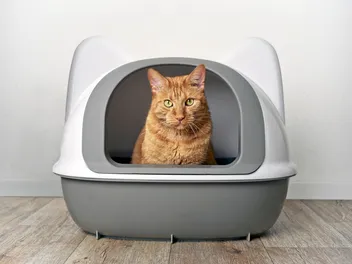
Unlike inappropriate litter box use, urine marking typically happens on vertical surfaces and is not necessarily a sign of a litter box or urinary health problem. Much of it is tied to sexual signaling and territorial behavior. In pet cats, stress is a common trigger, often caused by the presence of unfamiliar cats encroaching on their territory, new pets, or changes in the home. Even indoor cats can show these sorts of behaviors in response to cats outside. Synthetic pheromone products placed near windows and doors can help settle things down.
Sleeping on Laptops
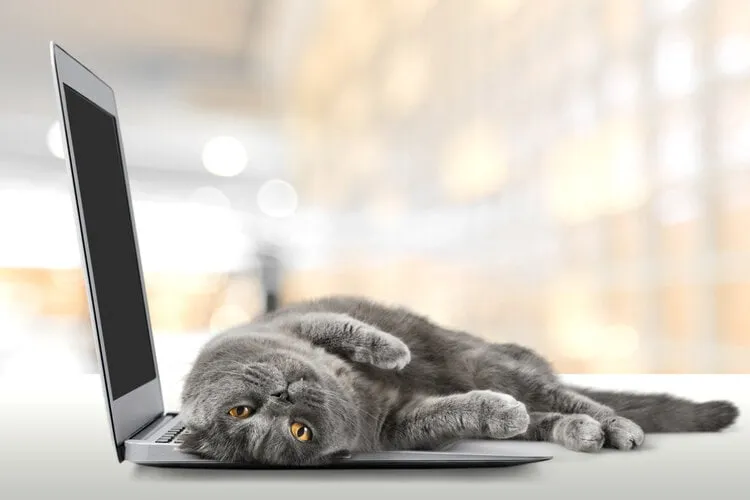
Laptops are warm. They are elevated. And from a territorial standpoint, they carry a strong human scent. All of that makes them irresistible to your cat. Some also think cats gravitate toward screens specifically because they notice the human's attention is fixed there, making it the most efficient spot to occupy in order to demand the fuss they deserve.
The Slow Blink
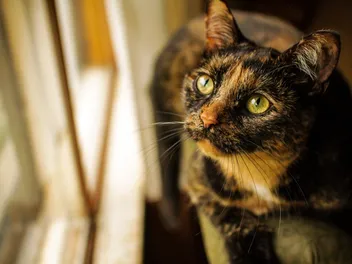
When it comes to cats and eye contact, context matters. A relaxed gaze usually signals curiosity, while a wide-eyed, unblinking stare could be a dominance challenge or a demand for food, particularly if accompanied by meowing. A narrow-eyed stare may be a sign of suspicion or anger, but in a relaxed cat, may simply be a sign of contentment. Then there is the slow blink; the ultimate compliment in feline language. Often called a kitty kiss, it signals trust and contentment, and returning the gesture tends to be well received. It is the ultimate way to convey respect and friendship to a cat.
Bunting

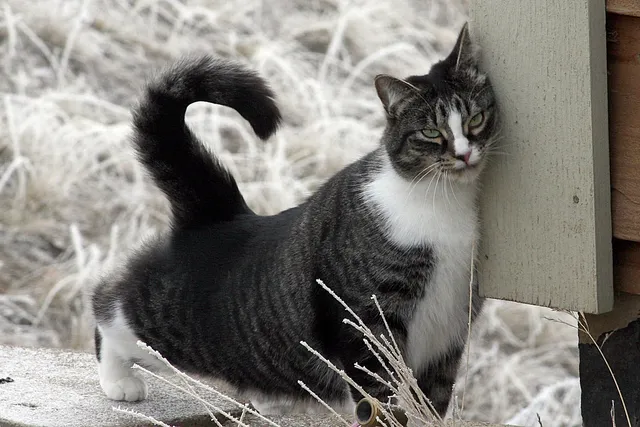
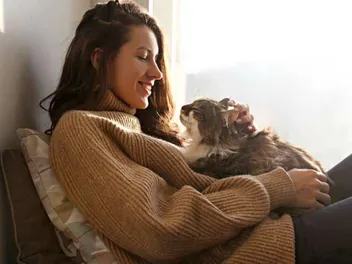
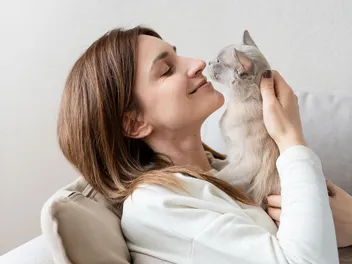
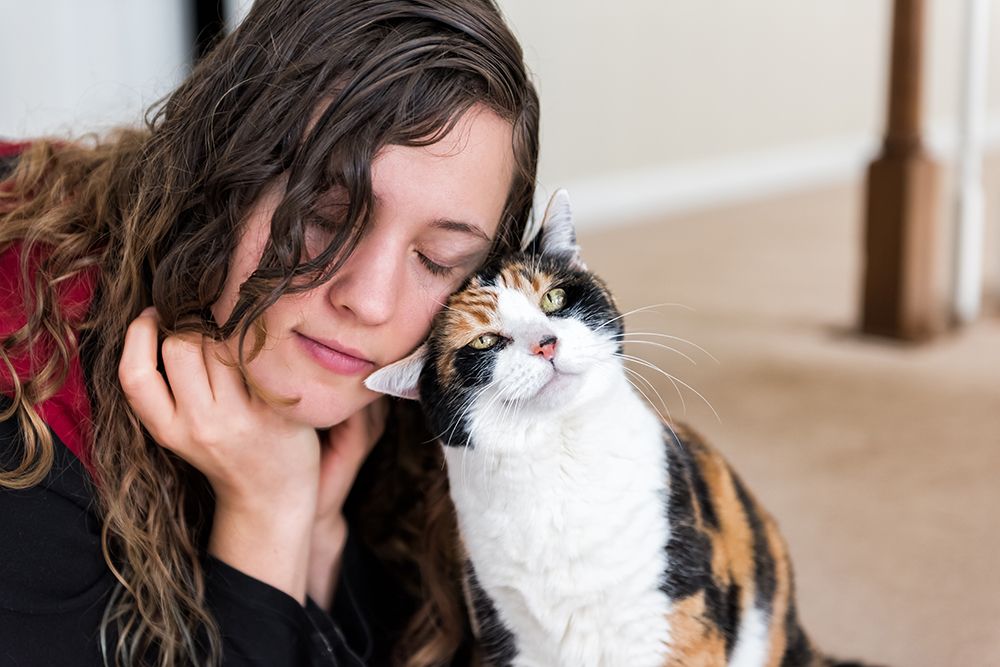
Also known as ‘allorubbing’, when cats rub and bump their heads against people, cats, or other pets, it is often a sign of affection, but it also serves a functional purpose. Cats have scent glands along their cheeks, and when they rub their face against a person or object, they are depositing pheromones, marking it as safe and familiar. In multi-cat households, cats often rub each other as a social bonding behavior, which may also be directed at the people they are most comfortable around.
Excessive Grooming
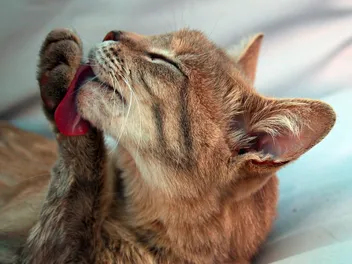
Cats groom themselves daily to stay clean and to cool down, but overgrooming can also be a stress response. An anxious cat may lick themselves as a self-soothing mechanism, and over time, this behavior can become compulsive. When grooming focuses repeatedly on one spot or results in hair loss, it is important to schedule a vet visit to rule out skin conditions, pain, or infection. The behavior might seem harmless, but it can carry meaningful information about how a cat is feeling beneath the surface.
The more we understand about these seemingly strange feline behaviors, the more we realize that our cats are communicating constantly, just not always in ways that we can easily interpret. The more familiar people become with what cats are trying to express, the more easily we can meet their needs.
Featured Image Credit: Kristi Blokhin, Shutterstock
Did You Know?
- Our brand-new posts are rounded up and included in our weekly emails. Don't miss out on the latest - sign up for our newsletter below!
Expert cat care, straight to your inbox
News, insights, and useful advice, delivered to you.

No spam — unsubscribe anytime.
By signing up, you agree to our Terms & Conditions and Privacy & Cookies Policy.
How useful was this post?
Click a star to rate. You can leave written feedback afterwards. (We read all feedback.)
Dan has been working in the pet world for over 4 years covering cats, dogs, and all other pets in between. He loves helping pet parents keep their companions happy, healthy, and of course, totally spoiled! Originally from London, Dan now travels and works remotely, which unfortunately means no pets at home, but it gives him plenty of opportunities to fuss over other people's furry friends.