Vets Warn: Don’t Pick Cat Scabs - Try These 6 Natural Fixes

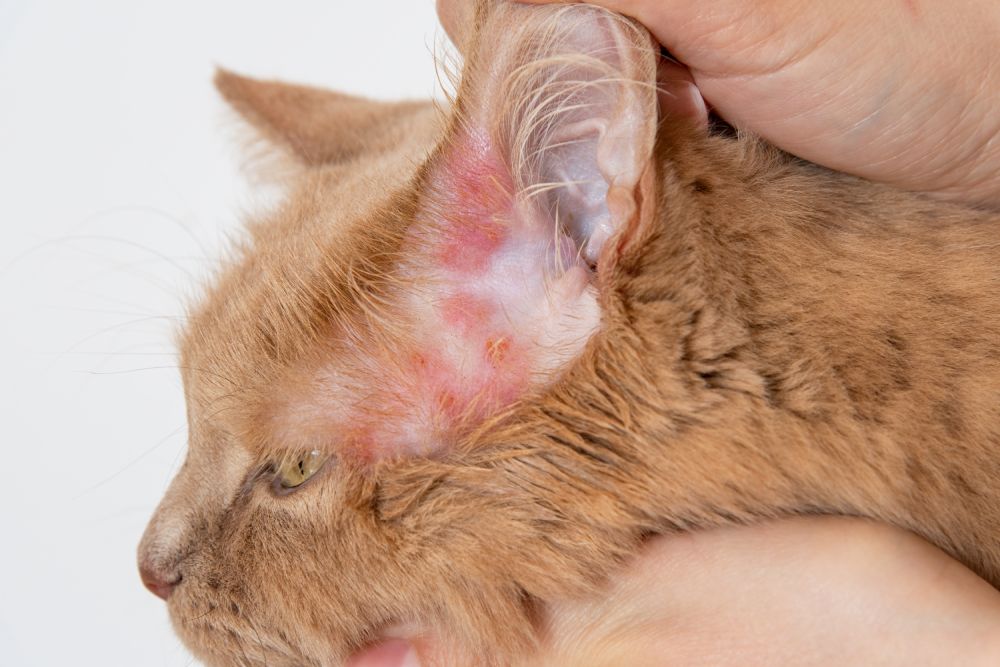
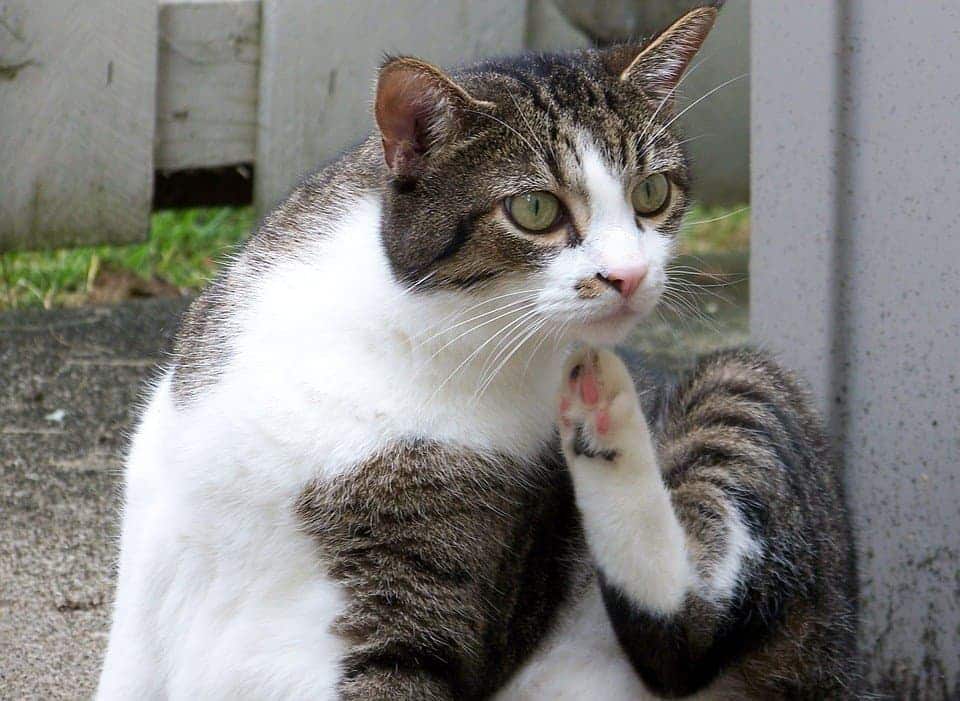
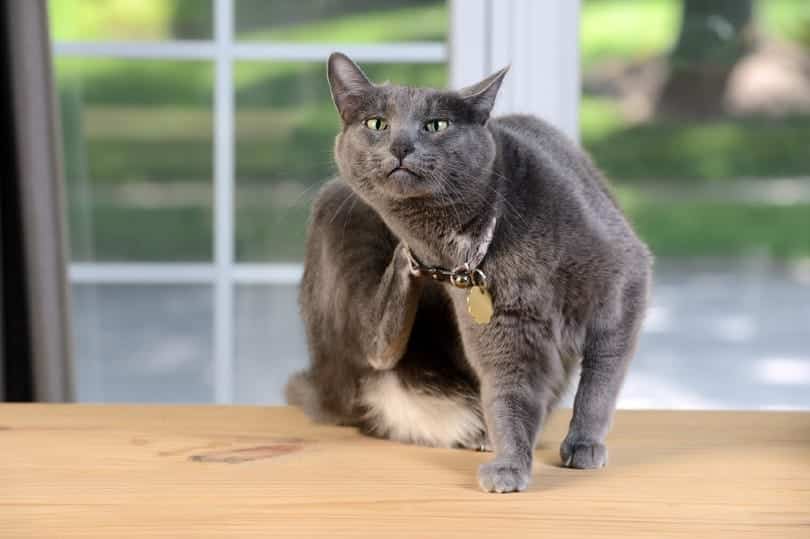
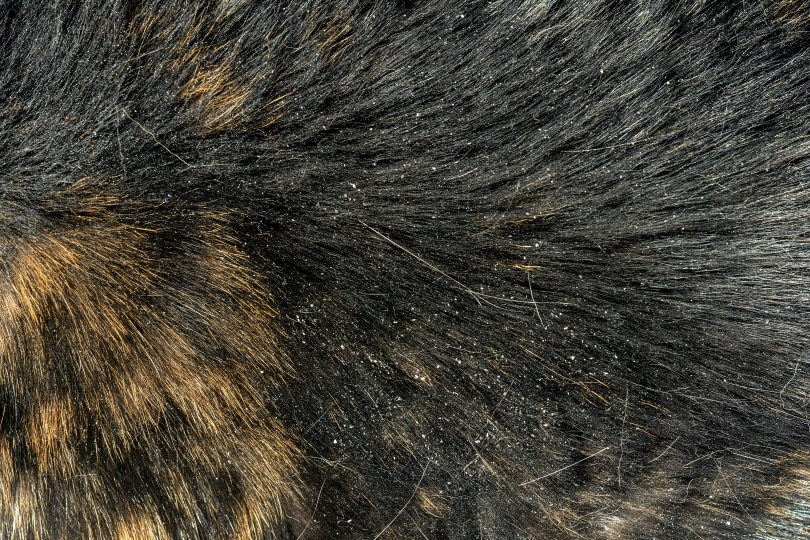
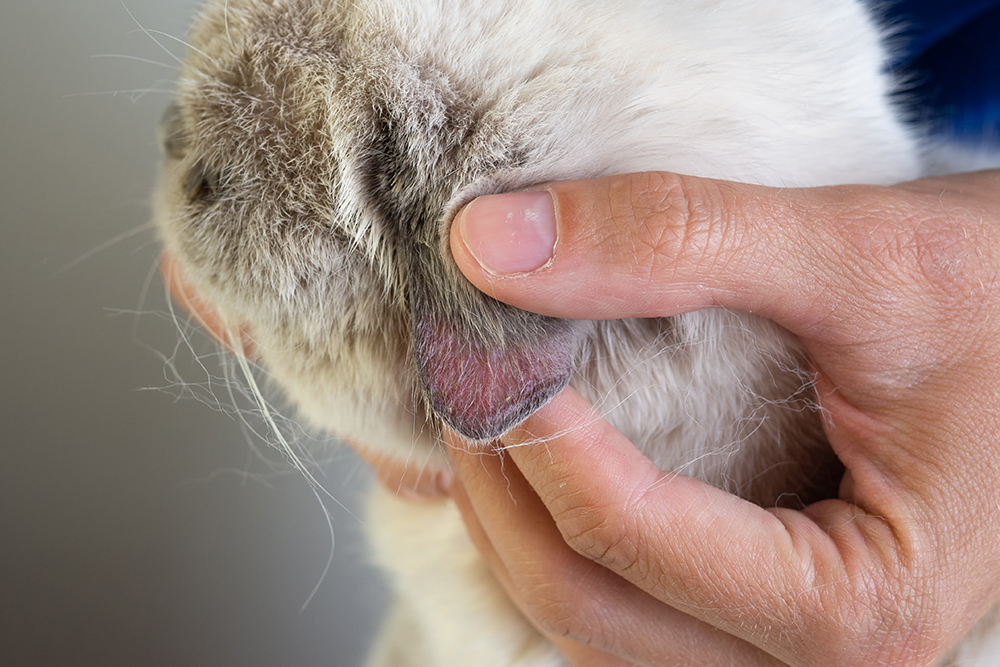
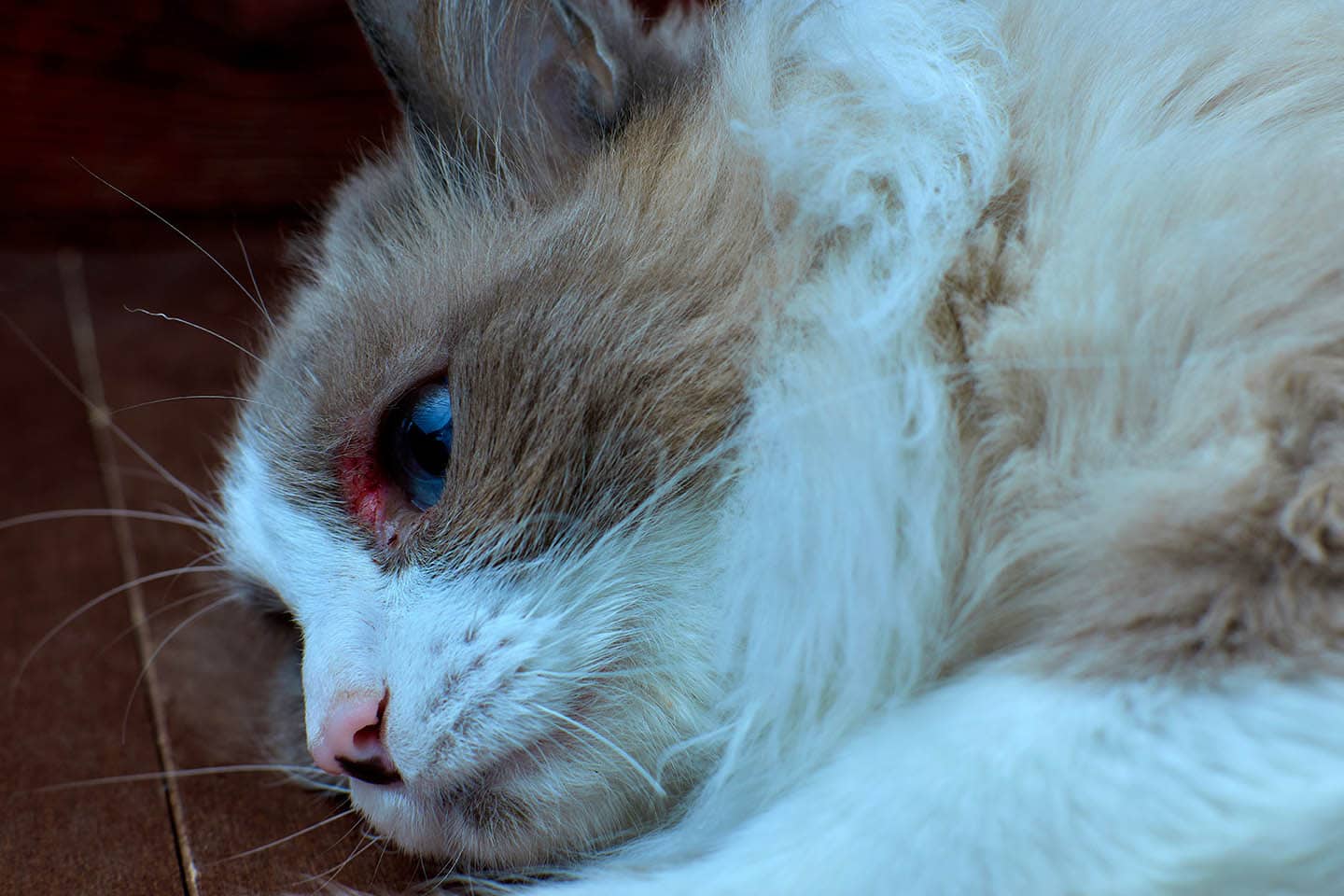
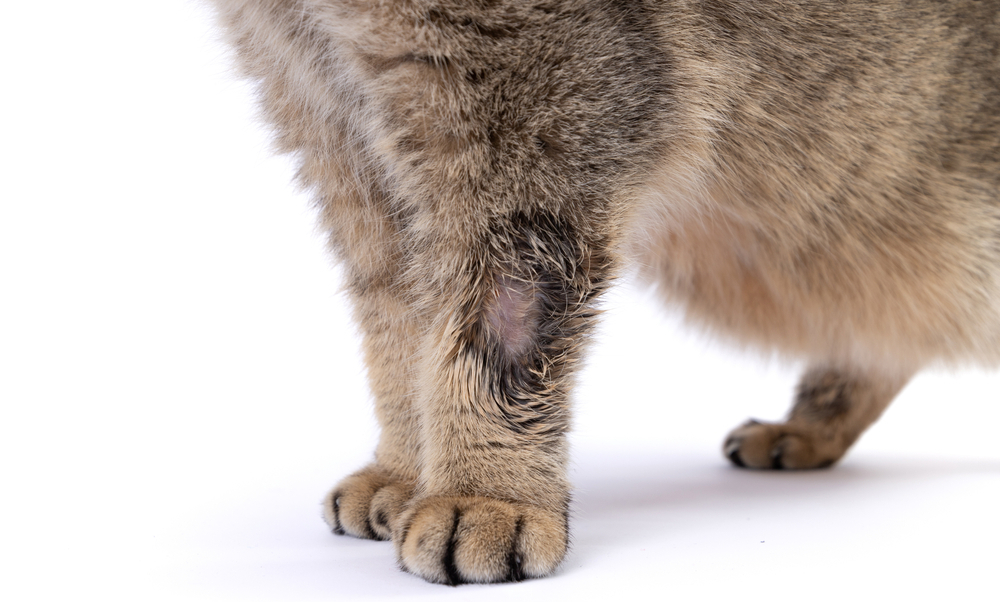
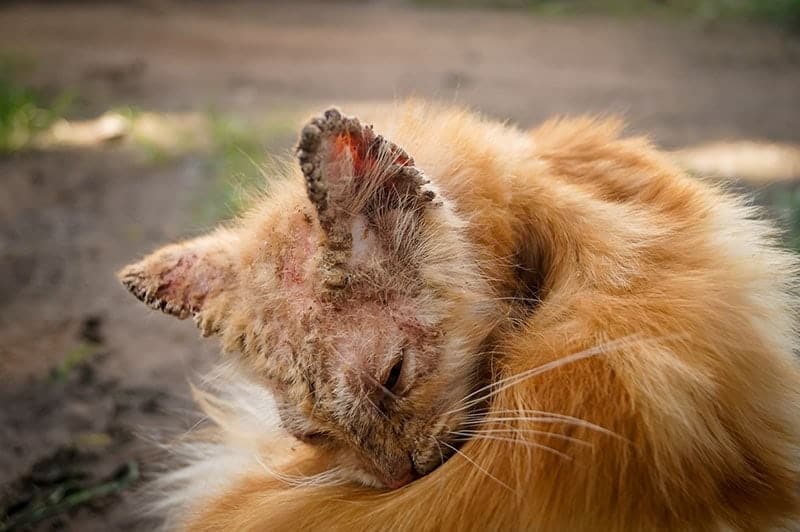
Noticing scabs on your cat can feel alarming, especially when those rough, flaky patches keep showing up. And if your poor kitty is itching, licking, or scratching nonstop, it’s even more stressful. The important thing to know is this: while scabs look dramatic, they’re usually your cat’s skin trying to heal.
Once your veterinarian identifies the root cause, there are gentle, natural remedies you can use at home to soothe irritation and help keep scabs clean and comfortable. Today, we’re diving into six vet-approved ways to give your cat a little relief while they recover.

6 Natural, Vet-Approved Home Remedies for Treating Scabs on Cats
1. Warm Towel Wrap
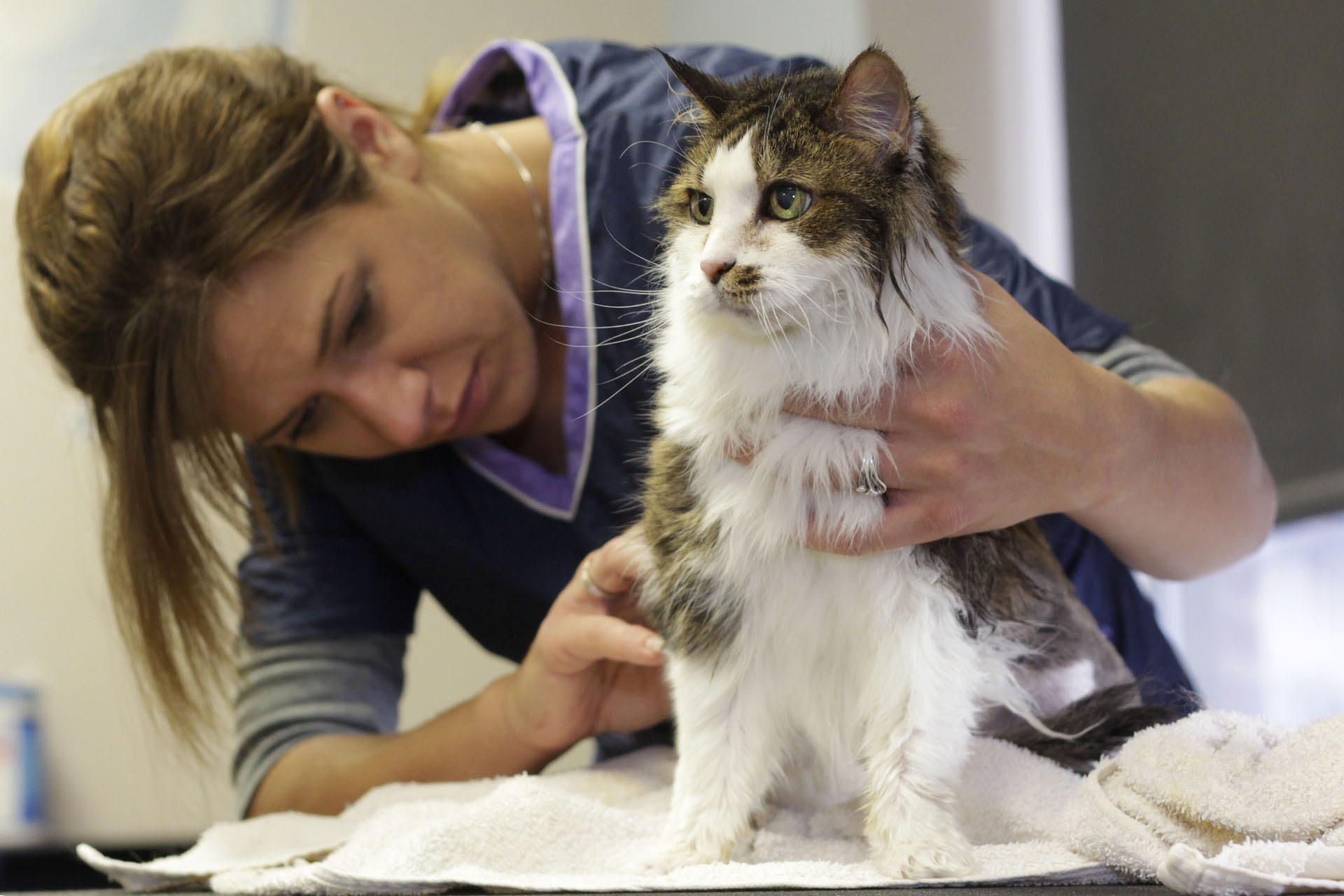
A warm towel wrap is a simple, soothing way to help soften scabs and reduce itchiness. The warmth encourages the scabs to loosen naturally and helps calm irritated skin underneath.
Soak a towel in warm (never hot) water, wring it out, and gently wrap it around the affected area. Keep it on for as long as your cat allows, then dry their skin.
*Avoid this method if your cat’s scabs are caused by a fungal infection like ringworm, since fungus thrives in warm, humid conditions.

2. Epsom Salt Soak
If your cat tolerates baths, an Epsom salt soak can be wonderfully soothing. The warm water softens crusty scabs while the salts help calm swelling and irritation. Even a brief soak can make a difference, and it’s a good opportunity to gently clean the area.
Just be sure not to force a bath on a scared kitty. Comfort and stress-free care always come first.
3. Calendula Compress or Light Spray
Calendula (also known as pot marigold) has natural anti-inflammatory and antiseptic properties that help keep scabs clean and calm irritated skin. A diluted calendula solution can be lightly sprayed on small scabby areas or applied with a warm compress.
It’s generally considered safe for cats, but because calendula contains tiny amounts of salicylic acid, keep your cat from licking it excessively. Always rinse after use to be safe.
4. Oatmeal Bath
An oatmeal bath is one of the gentlest ways to soothe itchy, irritated skin. Finely ground oatmeal mixed into warm bathwater forms a naturally calming soak that relieves discomfort and helps soften scabs.
Most cats won’t stay in long, but even a few minutes can help. No rinsing required afterward, since oatmeal is safe if a bit gets licked off during grooming.

5. Aloe Vera Gel (With Caution)
Aloe vera’s clear inner gel is known for easing irritation, reducing inflammation, and cooling sore skin. You can apply a small amount of pure, additive-free aloe gel directly to scabs to help soothe them.
However, use caution: the gel is safe, but the leaf skin is mildly toxic to cats if eaten. Only use aloe if your cat won’t lick or chew the area, and always test a tiny spot first to check for rare allergic reactions.
6. Coconut Oil (Topical + Dietary)
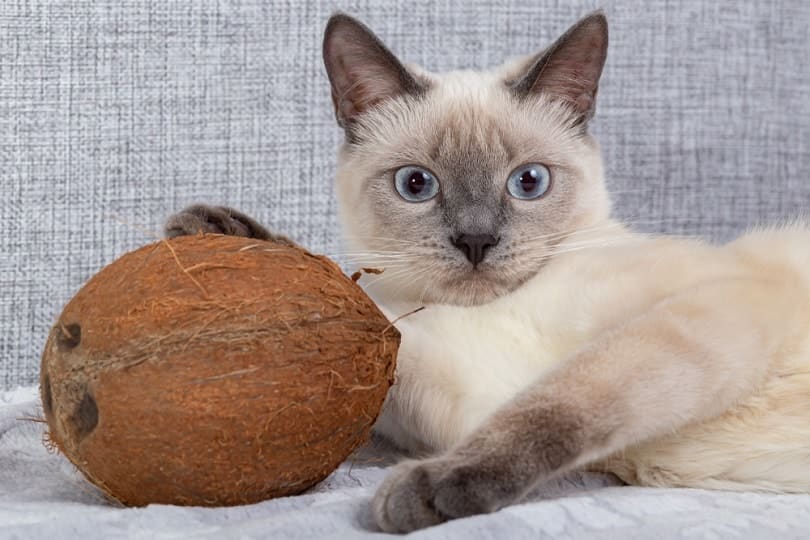
Virgin, organic coconut oil is a favorite for soothing dry, irritated skin. When applied in a thin layer, it moisturizes, softens, and provides antibacterial and antifungal support to healing scabs.
If your vet approves, you can also introduce very small amounts into your cat’s diet (⅛ teaspoon to start). Its healthy fats may support skin healing from the inside, but because coconut oil is calorie-dense, moderation is key.
Why Cats Develop Scabs in the First Place

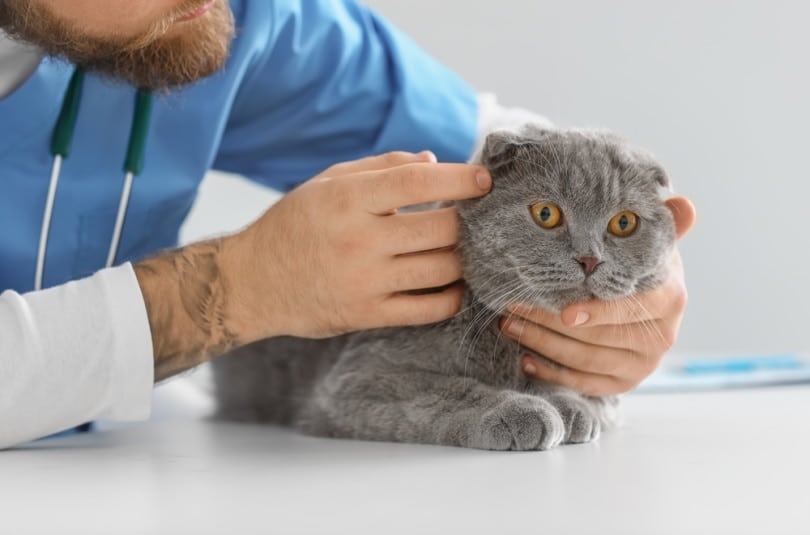
Even the best home remedies can only do so much if the cause of the scabs isn’t treated. That’s why a veterinary exam is so important when scabs appear persistently or repeatedly. Scabs are a signal that your cat’s skin is reacting to something.
Here are some of the most common triggers vets see:
- Scratches, wounds, or fights with other animals
- Insect bites or stings
- Ringworm
- Mange
- Allergies (environmental or food-related)
- Feline acne
- Fleas or flea-bite hypersensitivity
- Skin cancer
- Pemphigus (autoimmune condition)
- Eosinophilic granuloma complex
These conditions vary from minor to serious, so identifying the correct one is the only way to prevent scabs from returning.
One more important note: Do NOT pick off your cat’s scabs. Scabs act like natural Band-Aids, protecting healing skin underneath. Removing them prematurely can reopen wounds, cause infections, or trigger more itching and damage.
Conclusion
Helping your cat heal from scabs starts with answering the big question: why are they there? Once your veterinarian identifies the cause, these natural remedies can make a huge difference in soothing irritation and keeping healing skin clean and comfortable.
With a bit of patience—and a few simple items from your home—you can help your kitty feel calmer, less itchy, and much more like themselves again.
Feature Image Credit: Yaya Photos, Shutterstock
Did You Know?
- Our brand-new posts are rounded up and included in our weekly emails. Don't miss out on the latest - sign up for our newsletter below!

Expert cat care, straight to your inbox
Vet-reviewed advice, behavior tips, and the best of Catster. Free, and you can unsubscribe anytime.
By signing up, you agree to our Terms & Conditions and Privacy & Cookies Policy.
Dan has been working in the pet world for over 4 years covering cats, dogs, and all other pets in between. He loves helping pet parents keep their companions happy, healthy, and of course, totally spoiled! Originally from London, Dan now travels and works remotely, which unfortunately means no pets at home, but it gives him plenty of opportunities to fuss over other people's furry friends.
Join the conversation
Ask a question, share your story, or send private feedback.