How to Naturally Sedate Your Cat: 6 Vet-Reviewed Alternatives

In this article
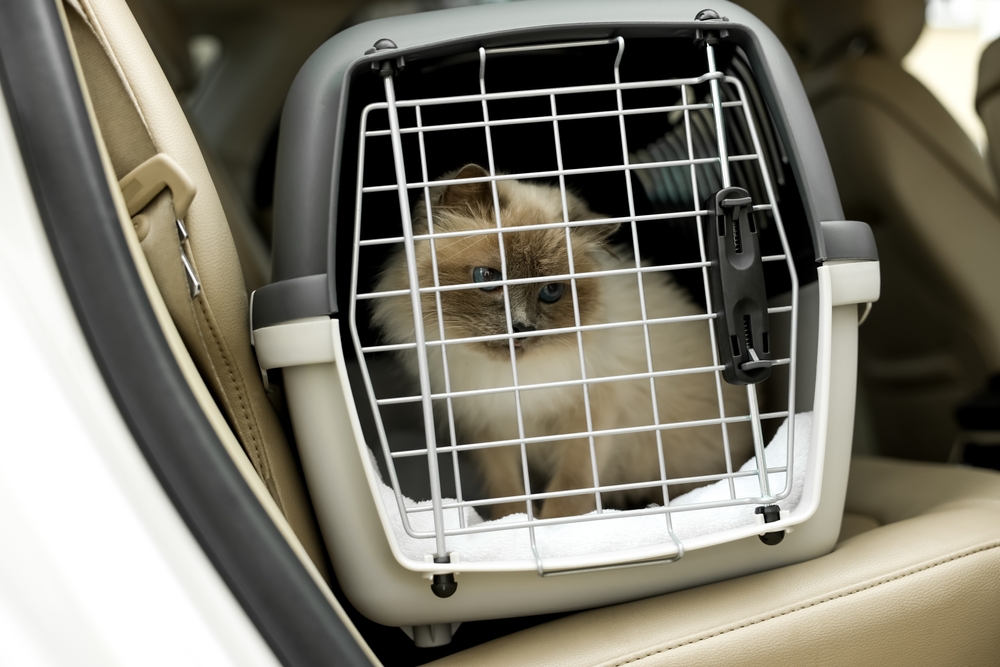
Maybe your cat is scared of going to the vet, or he’s super afraid of thunderstorms, or perhaps you’re about to be traveling and your cat doesn’t do well with car rides. Maybe your cat hates the Fourth of July fireworks or has a problem with being groomed.
Whatever the reason is, sometimes it’s best for you and your cat to try sedation methods that can keep him calm when he needs to be. While there are numerous ways to sedate your cat, such as over-the-counter medications and prescriptions from your vet, many cat owners are choosing to try natural methods instead.
No pet parent wants their cat to be doped up, and side effects from over-the-counter medications and even prescriptions have been known to happen. So, if you’re searching for ways to sedate your cat naturally, you’ll find them in the guide below.

When to Sedate Your Cat
The very first thing to know is that you should never sedate your cat unless there’s a reason to. Unfortunately, cats don’t like change, so there will be times when sedating your feline pal needs to be done for his own good. Below, we’ll list a few reasons that you might need to sedate your cat.
Why You Should Sedate Your Cat
The last thing you want is for your cat to hurt themselves or someone else because they’re nervous or terrified of a situation they find themselves in.
Below are a few of the times you should sedate your cat:
It's important to get guidance from a vet if you have any questions or concerns regarding sedating your cat.
Not every cat will be scared or nervous in the above situations. See how your cat acts during one of these events, then make arrangements for sedation in the future if needed.
In the next section of our guide, we’ll discuss the best natural sedation alternatives for your feline companion.
The 6 Natural Sedatives for Your Cat
1. Catnip
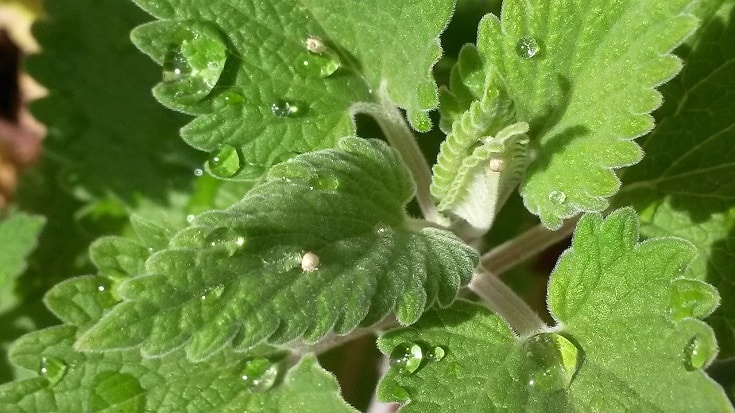
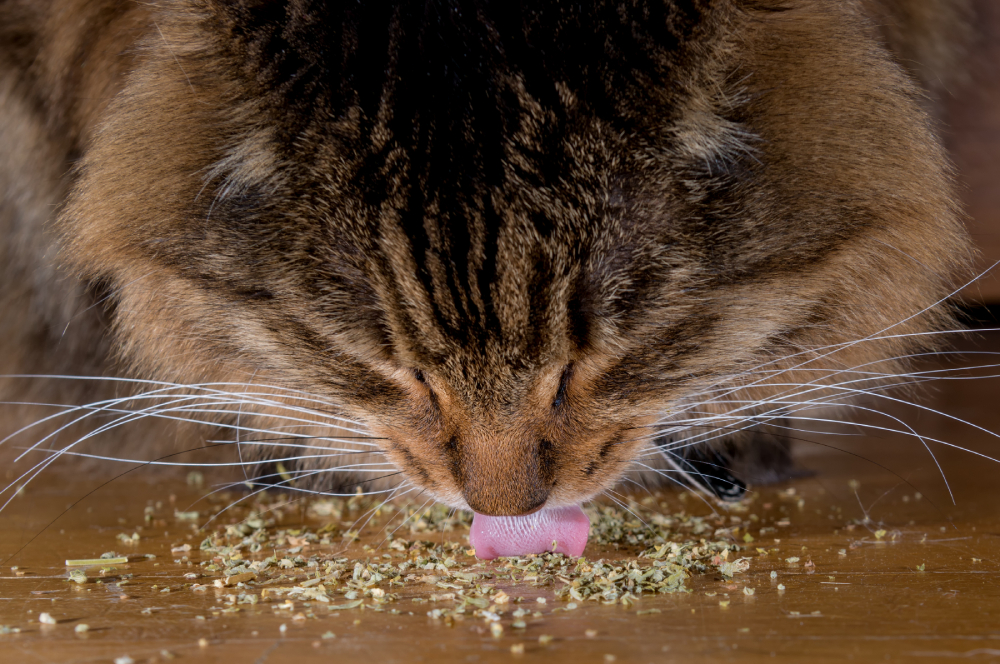
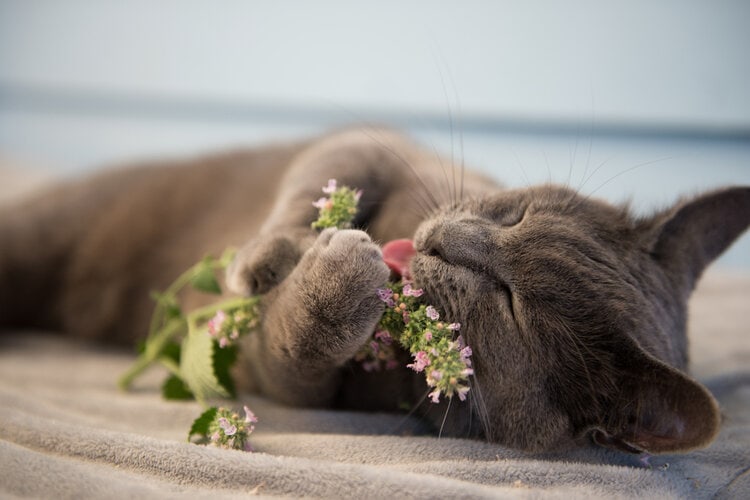
Catnip goes by the official name Nepeta cataria and has long been known for cats loving it. Catnip can either stimulate and hype up cats or mellow them down and work as a natural sedative. Some cats will first be energetic and playful just to fall into a calm and relaxed state afterward, so knowing its effects on your cat beforehand is essential. Also known as field balm, catwort, and catmint, this natural sedative is often grown in people’s gardens. You can identify catnip by its heart-shaped leaves and lavender flowers.
2. Valerian Root

This sedative's official name is Valeriana officinalis, and it’s known for its qualities as a natural sedative as well. The root induces sleep after it causes hyper-excitability in cats, just as catnip does. However, valerian root, like catnip, doesn’t work for all cats. You can find some cat toys with valerian root in them, or some owners mix the fine-dried roots in with their cat's food. It’s best to keep an eye on your cat if you’re giving this root to them for the very first time. Take notes on how it affects your cat to consider if this can or cannot be an effective sedative when your cat needs to chill a bit. Likewise, this herb can cause nausea in some cats if given in large amounts, so we recommend starting with tiny amounts.
3. Silver Vine

Also known as Actinidia polygama, silver vine is an herb that has been known as an alternative to catnip for cats who do not react to catnip. Actinidine and dihydroactinidiolide are the two active compounds in silvervine that trigger a pleasure response in cats. Similar to catnip, its effect starts with a euphoric response, which can last from 5-30 minute,s where cats are frequently seen rolling around or zooming, followed by a more relaxed, calmed state or even a nap. This herb has been used for centuries in Asian countries, particularly in Japan, where they believe cats get drunk with happiness when offered Silvervine. Traditional veterinary practices in Asia use it to reduce anxiety in sick or stressed kitties.
It’s given in a light brown powder that is then sprinkled on cloth, cardboard scratchers, or cat toys for the cats to play with. You can also find some pet stores that carry cat toys that are laced with silvervine.
4. Honeysuckle

Honeysuckle, scientifically known as Lonicera, is not a true sedative, but rather another alternative to help cats relax. There are cats out there that don’t react to catnip, so honeysuckle is said to be a great alternative. Many pet owners put sticks, wood shavings, or sawdust shavings of this herb onto or into their cats' toys. While some cats will directly go into relaxation mode with Honeysuckle, some will first experience a playful, energetic, and euphoric response before experiencing its calming effect. However, the fruits and berries are poisonous to your cat, so steer clear.
5. Kava Kava
This topical herb, also known as Piper methysticum, can be used as a sedative for your cat, but it can only be used under supervision, and it is not something we would recommend as the risks outweigh the potential benefits. Since kava kava can affect your cat's liver, it’s best to stay clear and look for a safer alternative.
6. Chamomile

Chamomile isn’t just good for calming your nerves; it’s suitable for naturally sedating your cat as well. The technical name for chamomile is Matricaria chamomilla, andit is often used to soothe and calm cats. However, this sedative should only be given in small amounts, so it is best to check with a vet before giving it to your pet.
These are just a few of the natural ways you can sedate your cat when it’s called for. In the next section of our guide, we’ll go into how to sedate your cat naturally as well.
How to Sedate Your Cat
Now that you know about the forms of natural sedation out there, let’s move into the steps you need to take to sedate your cat safely.
1. Choose the Medication
Whether you choose to go with over-the-counter, prescription, or one of the natural methods above, you need to do your research and choose the proper medication for your cat.
2. Visit Your Vet First
If you choose to go with medical sedation, you’ll, of course, visit your vet first. However, even with some of the natural methods above, it’s still best to consult your vet ahead of time. Make an appointment and see what your vet thinks is the best option, as that’s the best way to determine what is safest and what will work the best for your feline family member.

3. Keep an Eye Out for Adverse Effects
Even after your vet gives the go-ahead on a natural method, you need to give your cat a very small amount to make sure he doesn’t have any adverse effects. Although natural methods don’t have side effects in most cases, there’s always a first time, and you don’t know what your cat could be allergic to. So, try a small amount first and see how your cat reacts to it to be on the safe side. Since many of the natural compounds can affect different cats in different ways, we recommend doing some test runs before assuming it will calm down your cat when you need it. This will help you plan ahead.
4. Prepare Your Cat
When the day comes for you to sedate your cat for travel, grooming, or to go to the vet, you’ll want to prepare your cat ahead of time. You should play with and pamper your cat for a bit before administering the sedative so that he’s not anxious.

5. Give Your Cat the Sedative
Once you have your cat calm, get him his favorite treat and either add the natural remedy to it or give him the sedative and then the treat. If you have a hard time getting your cat to take the sedative, you might need to put it in his food instead.
Make sure that you watch your cat for a bit afterward, and know that the natural sedatives are going to take a bit of time to kick in, unlike the medical options.
Conclusion
These are just a few ways to naturally sedate your cat and the options for doing so. Not every cat reacts the same way to the same situation, so watch your cat first before deciding to sedate him. Remember, only sedate your cat when it’s absolutely needed, and consult a vet about the best choices for sedation before you do.
Featured Image: Georgia Evans, Shutterstock

Expert cat care, straight to your inbox
Vet-reviewed advice, behavior tips, and the best of Catster. Free, and you can unsubscribe anytime.
By signing up, you agree to our Terms & Conditions and Privacy & Cookies Policy.
Christian started writing for a local newspaper as a teenager, and he's been involved in the publishing industry for most of his adult life. Combining his love of writing with a passion for animals, he is currently the Director of Editorial at Pangolia and the Editor-in-Chief at Catster.
Christian lives in the Philippines with his wife, son, and four rescue cats: Trixie, Chloe, Sparky, and Chopper.
Join the conversation
Ask a question, share your story, or send private feedback.