Why Does My Cat Headbutt Me? 4 Vet-Reviewed Reasons for This Behavior


In this article
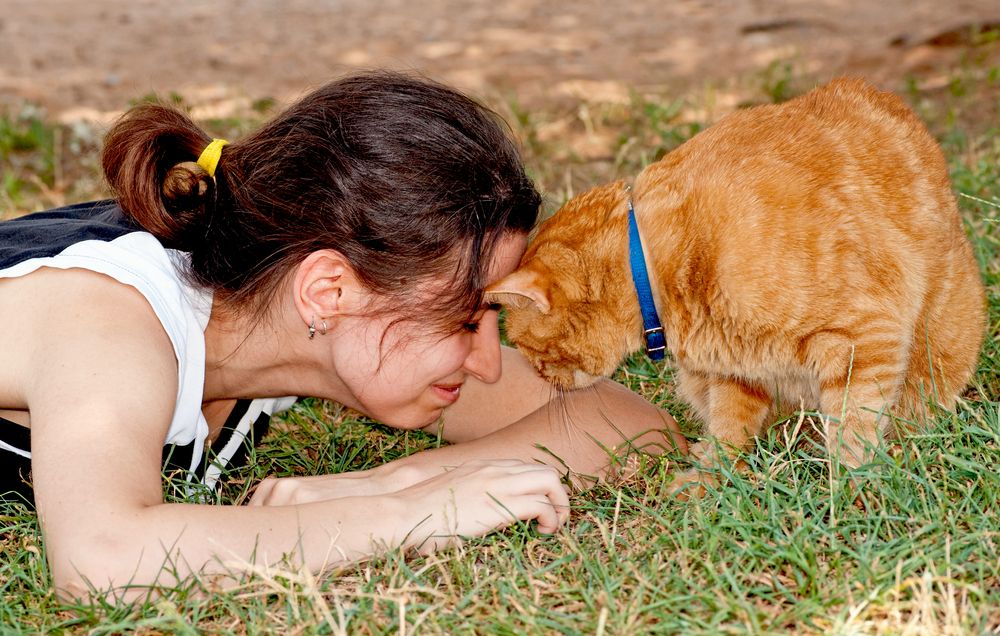
If your cat loves to headbutt you, you might wonder exactly what this means. Does your cat like you, or are they annoyed about something and trying to tell you in their own way?
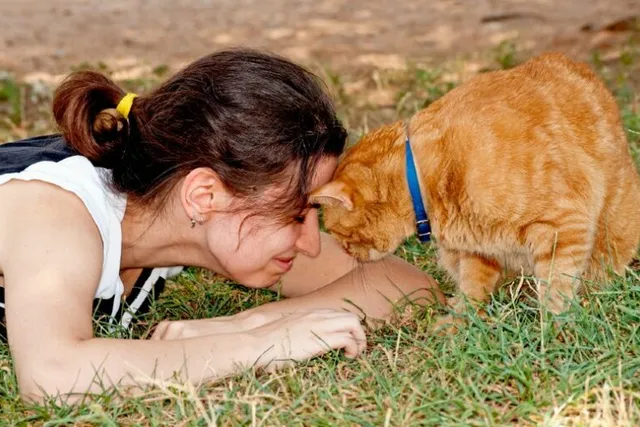
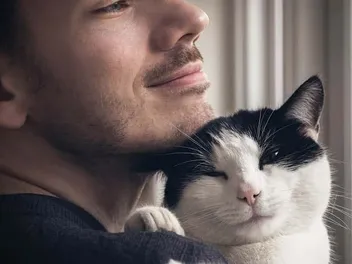
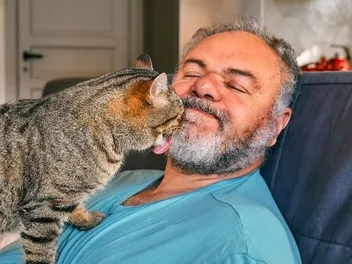
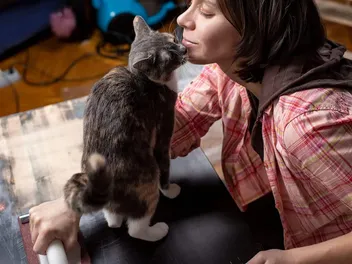
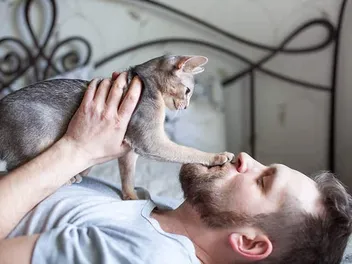
So why do cats headbutt? The good news is that a cat headbutt is usually seen as a sign of affection. Even if your cat jumps up and headbutts you so hard that your cup of coffee goes flying or your glasses fall off your face, you can usually be sure your cat is happy to see you.
There can be a few different reasons for a cat headbutt, so let’s take a closer look at this behavior and find out exactly why your cat might be doing it.

What Is a Cat Headbutt?
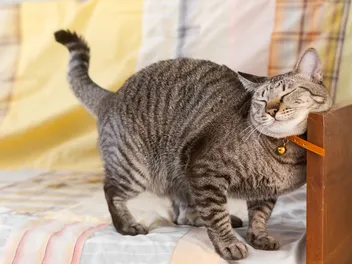
The technical term for cat headbutting is bunting or facial marking. You may have seen your cat rubbing their face on the arm of your couch or the side of your bed, which is a way cats mark their territory.
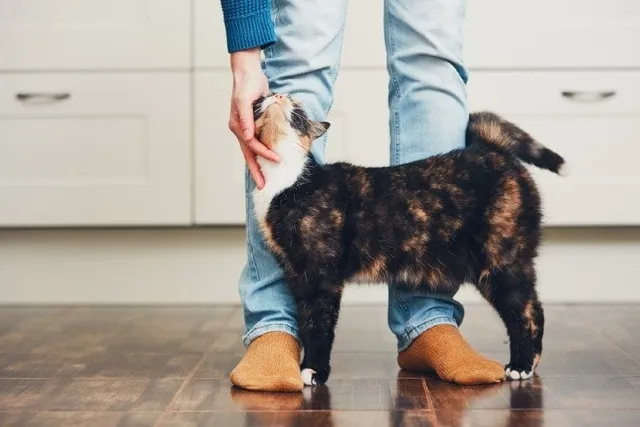
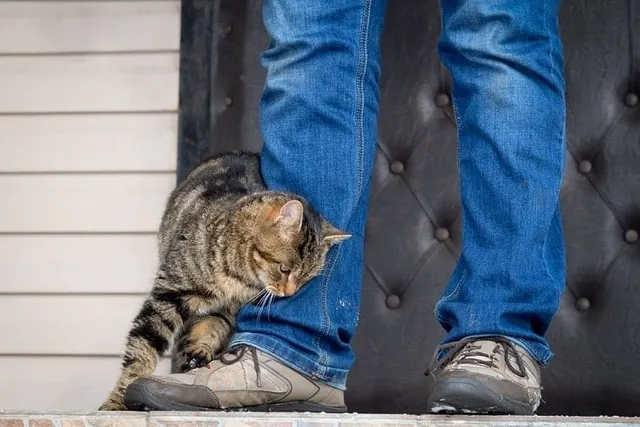
A cat headbutt can look like anything from a brief and gentle contact to a full rub of your cat’s head and cheeks all over a particular surface—and, in some cases, you!
Some cats will only headbutt occasionally, and others might not do it at all. So, don’t be offended if your cat doesn’t carry out this behavior.

The 4 Possible Reasons Why Cats Headbutt You
1. Your Cat Is Scent-Marking You
Cats have quite a few different scent glands on their bodies, but those around the face come into play when your cat headbutts you. These scent glands can be found on their outer ear flaps, temples, cheeks, corners of the mouth, and under the jaw.
As your cat headbutts and rubs against you, they leave scents behind that mark you as “theirs.” If you live with multiple cats, you may sometimes observe that they scent mark certain objects that they all share. They may also headbutt each other, especially if they get along well with one another.
Related Read: What Smells Do Cats Like? 9 Scents They Can’t Resist
2. They See You as a Safe Space
Headbutting is used as a form of tactile communication by cats to create affiliate bonds with other cats and humans. Other forms of affiliative touch communication include rubbing, kneading, nose touching, and mutual grooming.
Cats that headbutt and scent-mark their humans keep track of the things they consider safe. Outside, your cat might mark certain locations in their territory to help them find their way back home.
Familiar scents create a feeling of comfort and familiarity for cats, helping them feel safe in their environment. If you move to a new house, you can replicate this safe space feeling by using diffusers or sprays that release synthetic pheromones. Alternatively, you can rub a soft towel on your cat and then rub it over the walls of the new house to help familiarize them with the scents in your new home.

3. They May Be Asking for Attention
Once a cat is satisfied that they’ve scent-marked you as theirs, they may also headbutt you when they’re asking for something. If you haven’t given them any attention after you got home from work or their empty food bowl, you might find your cat headbutting your legs and requesting attention.
4. Your Cat Trusts You
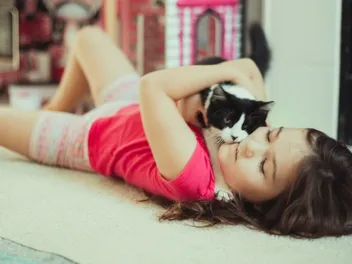
If your cat headbutts you, on your face, or anywhere else, it usually indicates that they’re bonded with you. A cat getting this close shows that they trust you and want to show that they respect you. Depending on your cat’s personality, they may quickly come and say hello to a new person or be shy when strangers come around.
Most cats will spend some time getting to know someone before giving them a headbutt, so if you get one, feel honored!

The Difference Between Head Pressing and Headbutting
If you see your cat pressing their head against the wall or other solid item, this is not the same as headbutting. Head pressing is usually a sign that something is wrong with your cat’s central nervous system, and they’ll need urgent veterinary attention to help figure out the exact problem.
Head pressing will last much longer than a cat headbutt and may be accompanied by strange behavior, such as your cat circling or seeming disoriented. If you notice any of these signs, don't hesitate to call a vet.
Wrapping It Up
Now we know a few reasons your cat might headbutt you, and it’s all about them feeling comfortable and safe and wanting to mark their territory. They might sometimes give you a little headbutt when they want something, but they’re only likely to do this to people they already know and trust.
So, while your cat’s headbutt might be soft and gentle or strong enough to knock your glasses off, it’s a sure sign of affection from your furry friend.
Featured Image Credit: Sari ONeal, Shutterstock
Expert cat care, straight to your inbox
News, insights, and useful advice, delivered to you.

No spam — unsubscribe anytime.
By signing up, you agree to our Terms & Conditions and Privacy & Cookies Policy.
How useful was this post?
Click a star to rate. You can leave written feedback afterwards. (We read all feedback.)
Emma is a freelance writer, specializing in writing about pets, outdoor pursuits, and the environment. Originally from the UK, she has lived in Costa Rica and New Zealand before moving to a smallholding in Spain with her husband, their 4-year-old daughter, and their dogs, cats, horses, and poultry. When she's not writing, Emma can be found taking her dogs for walks in the rolling fields around their home...and usually, at least some of the cats come along, too! Emma is passionate about rescuing animals and providing them with a new life after being abandoned or abused. As well as their own four rescue dogs, she also fosters dogs for re-homing, providing them with love and training while searching for their forever homes.