Cat Doesn't Drink Water But Eats Wet Food: Vet-Verified Concerns, Facts & FAQ

In this article
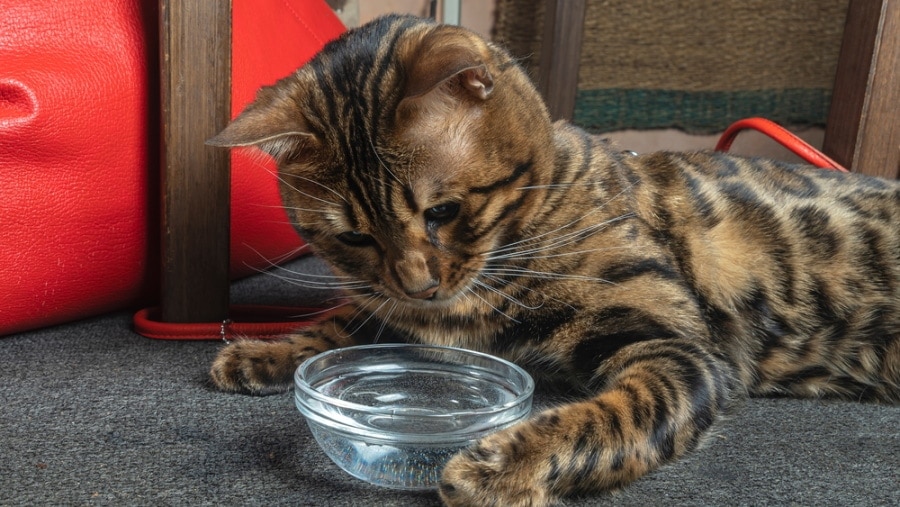
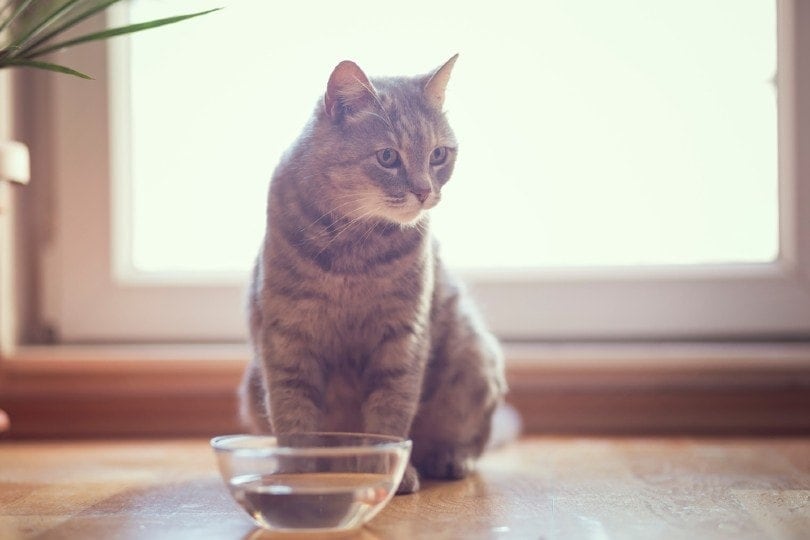
Water is vital for cats because it enables their bodies to function properly and promotes their overall well-being. Cats that eat wet food may not drink water from their bowl for long periods, which can become worrisome for their families. If your cat is on a wet food diet and you notice that they aren't drinking water, should you be concerned?
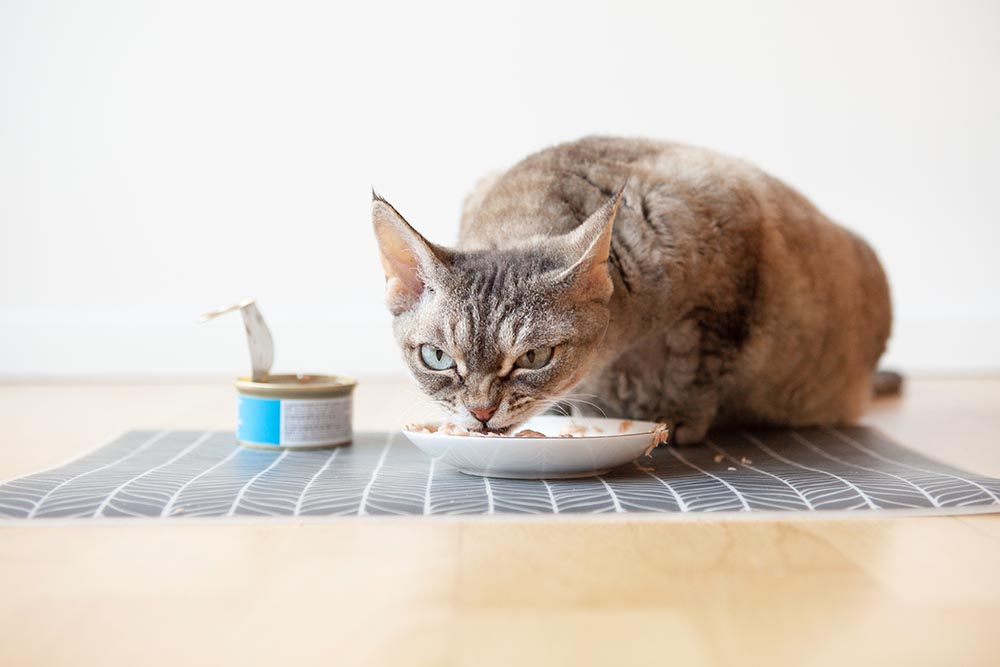
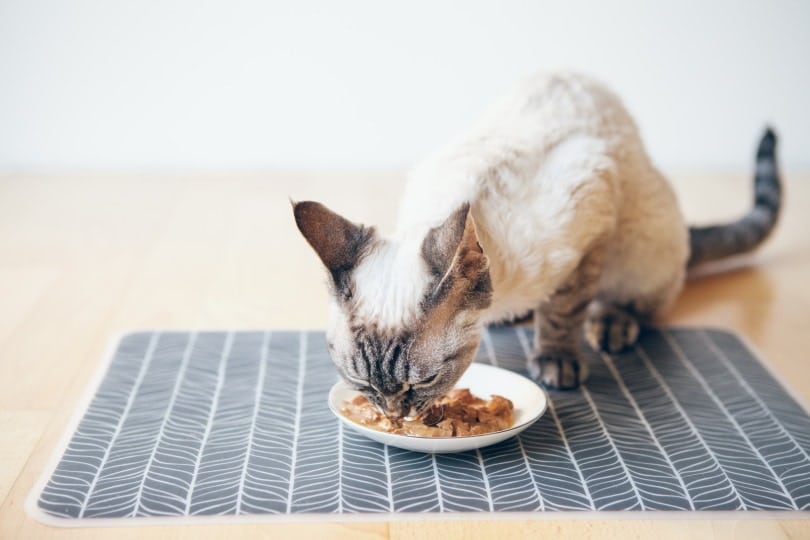
Cats that don’t drink water but consume wet food are likely getting enough hydration from their food. Many cats that eat wet food don’t need to drink as much water as cats that eat dry food, so there’s no need to stress over this situation right away.
That said, without enough water, cats could suffer from several problems, which is why you should still be cautious if your cat is not drinking water from their bowl and should ensure that everything is okay with them.
In this article, we talk more about cats that eat wet food and when you should be concerned about your cat's habit of not drinking water.

Should You Be Concerned If Your Cat Eats Wet Food and Doesn’t Drink Water?
Many cats on wet food diets tend to drink less water than those on dry food diets. Most wet cat foods contain between 70% and 80% water, which aids your cat’s hydration and enables them to intake fluids while eating.
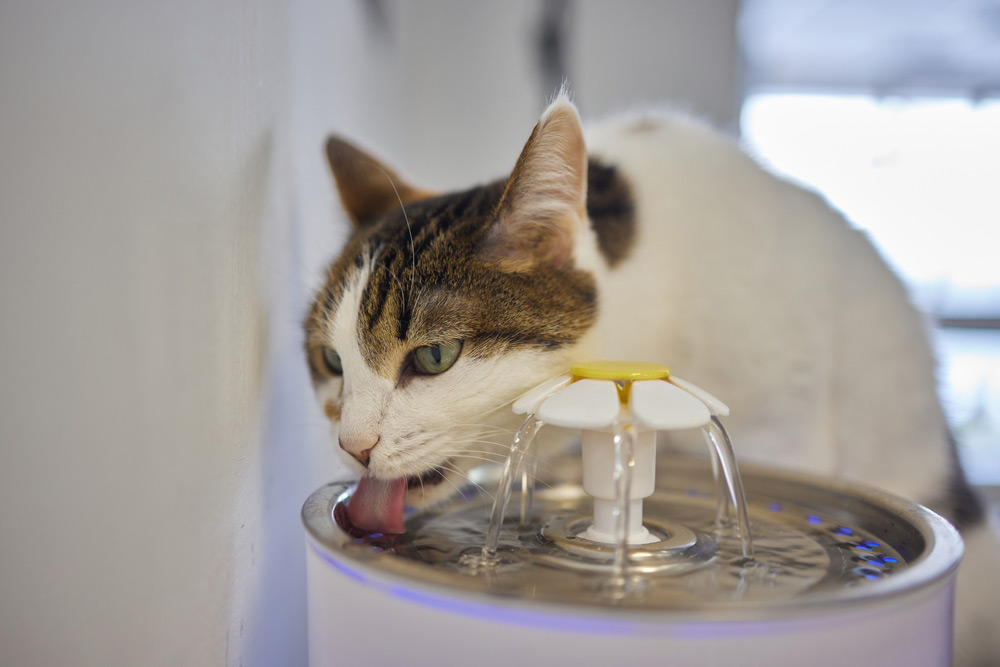
Due to the high water content in wet cat food, it can often be enough hydration for cats to minimize the amount they need to drink. Many also find other places, such as faucets and fountains, to get water besides their water bowl. So, there’s generally no need to be concerned if your car doesn’t drink water but eats wet cat food as long as they look healthy and happy.
However, some cats may need additional water regardless of eating wet cat food, which is why it’s important to notice if your cat’s water-drinking habits have changed and speak with a veterinarian if you have any concerns. If your cat has suddenly stopped drinking water or is drinking more than normal, there might be an underlying health issue. You need to know how to recognize problems and react to them in time.
Why Do Cats That Eat Dry Food Need to Drink More Water Than Those That Eat Wet Food?
Cats on dry food diets need to drink more water than cats on wet food diets. Wet cat food contains a much higher moisture level than dry cat food1. Dry cat food usually contains around 10% water, while the rest consists of vitamins, carbohydrates, proteins, and fats. Wet cat food contains around 70% water (or more, depending on the manufacturer).
Cats that don’t consume wet food need additional hydration through drinking fresh water.
How Much Water Do Cats Need to Drink Daily?
Ideally, cats should drink 3.5–4.5 ounces of water daily for every 5 pounds of total body weight 2. That said, these are general guidelines, and each cat is different; some cats require more water while others need less. A cat’s water intake should be adjusted to their current diet and health.
You’ll need to monitor your cat and ensure that your furry friend is getting the necessary hydration throughout the day. If it seems as if your cat is not drinking enough water, you’ll need to figure out why this is happening and how to get them to intake more fluids.
Why Do Cats Stop Drinking Water?
Cats can stop drinking water for several different reasons. For example, if your cat is on a wet food diet, they may already be hydrated enough.
Other reasons that cats might stop drinking water include:
While it’s normal for cats on wet food diets to consume less water than those on dry diets, you should still ensure that your cat is taking in enough water. If your cat is not getting the needed hydration, there might be an underlying medical problem.

What Could Happen to Cats That Don’t Drink Enough Water?
Cats that don’t drink enough water could experience numerous problems, starting with dehydration, which could further damage your cat’s health. Since dehydration can be life-threatening, all cat parents should know how to recognize the signs of dehydration and react accordingly.
Dehydration in Cats
Dehydration occurs when a cat doesn’t intake an adequate amount of fluid needed for proper functioning, and their body loses more fluids than they absorb.
Sometimes, dehydration can occur due to not drinking enough water, while in other cases, it can occur due to underlying medical problems, such as:
Depending on the intensity of dehydration, the problems and signs that cats experience vary from mild to severe. Common signs of cat dehydration include:
Cats that have underlying health issues, especially those that impact the kidneys such as diabetes or chronic kidney disease are at a bigger risk of dehydration, regardless of their diet, so be sure to monitor these cats closely.

How Can You Encourage Your Cat to Drink More Water?
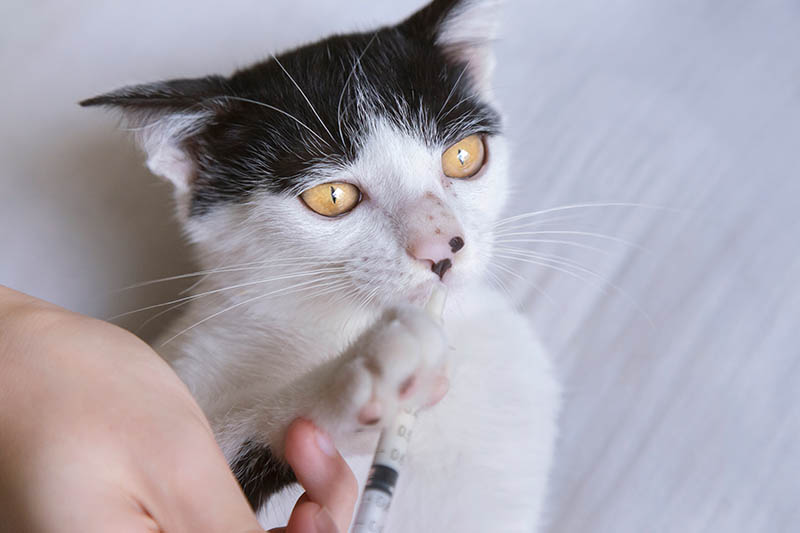
There are several things that you can do if you want to encourage your cat to drink more water:
Final Thoughts
If your cat is on a wet food diet and is not drinking too much water but looks healthy and is not showing any signs of dehydration, there’s no need to be concerned. However, if you do notice any signs of dehydration in your cat, it’s best to speak with a veterinarian and seek their advice to help your furry companion.
Featured Image Credit: Impact Photography, Shutterstock

Expert cat care, straight to your inbox
Vet-reviewed advice, behavior tips, and the best of Catster. Free, and you can unsubscribe anytime.
By signing up, you agree to our Terms & Conditions and Privacy & Cookies Policy.
I'm a creative, adaptable content writer that covers various topics such as DIY, pets, home improvement, travel, gardening, and more.
As a young mom and a college student, I didn’t have enough time to balance my personal and work life, so after multiple years of working a regular 9 to 5 job, I decided to pursue my passion and make a living out of it. I have been writing for a couple of years now, helping people to find valuable and interesting information online.
I believe that writing is a great way to share your knowledge with the community and express yourself. There's nothing that words cannot accomplish, so I always try to use them in the best possible way.
Join the conversation
Ask a question, share your story, or send private feedback.