Signs a Cat is Dying: 11 Vet-Verified Changes to Look For


In this article
It’s the moment that no cat owner wants to contemplate, but as our feline friends get older or maybe develop an illness, their deteriorating health can begin to show signs your cat is dying.
As difficult as this time can be, it’s always best to be informed. This way, you can seek veterinary advice and together make the best decision for your precious cat.
Cats are also good at hiding pain, so while you may not notice obvious signs, there are plenty of little cues that may indicate that your cat isn’t feeling well and is slowly getting worse. Let’s take a look at 10 signs that your cat may be reaching the end of their life.

First Things First
It’s important to differentiate signs of illness from signs of actual dying. Sometimes, cats and other animals may experience a very sudden death, and there may be very few or no obvious signs at all. This can occur with a road traffic accident or a severe trauma, such as a dog attack, where the injury itself is too severe and the animal dies almost instantly.
Signs a cat is dying may point towards a life-threatening illness that involves breathing difficulties, open-mouth breathing, collapse, lack of response to external stimuli, severe vomiting and diarrhea leading to dehydration, urinary signs, and others. As you can see, all of these signs indicate a particular organ system disease, and they are often severe enough to cause death if left untreated or if treatment is delayed.

What Does Death Look Like in Cats?
When it comes to actual signs an animal is dying, there will be changes in the respiration that may become slow and labored with abnormal chest and abdominal movements and gasping-like motion and noise. There may be sounds produced by the animal in this state, sometimes followed by neck extension, rigidity of the limbs, twitching, or shaking. The heart rate slows down until it stops completely. The body temperature also drops.
When the animal has passed, all of it comes to a stop, and the urine and bowel control is lost. These signs can be unpredictable and variable and will depend on the underlying cause of illness.
For the purpose of this article, we will focus on signs of declining health and well-being in older or terminally ill cats that may be nearing the end of their life. The purpose of this article is to alert their cat parents that they should be seen by the vet immediately if these signs are present, so either they can be helped to be more comfortable or the vet may recommend euthanasia if they feel the animal is suffering and nothing can be done to ease this.
Speak to a vet about end-of-life care and preparation for euthanasia.
The decision to let your cat pass at home is not something we would recommend, as they are likely to suffer for longer periods before death occurs and may be distressed and uncomfortable, not to mention the stress of the expectation, not knowing when and how it will occur.
Euthanasia is a controlled procedure, often an injection, that is done in a pain-free, peaceful, and comfortable way so that your cat does not know what is going on and will not experience any pain. You will be there to support and reassure them. Some vets will do a house visit, so this can be arranged in the safety and comfort of your own home if that’s something you would prefer.
The 11 Potential Signs a Cat Is Dying
1. They Don’t Want to Eat or Drink

Cats will often stop eating or drinking their usual amount if they’re not feeling well. They may not feel like eating, or they may be nauseous, particularly if they are having an underlying gastrointestinal illness, end-stage organ disease, or cancer. Some cats will eat, but only certain types of food, such as wet food, or they may just lick the gravy.
Depending on the illness, the cat will initially drink more water than previously but afterward may just sit next to their water bowl and refuse to drink at all. Keep the food and water bowls close to them, and entice them with tasty and gravy-like food that can be warmed up. But if your cat is not eating or drinking for a good part of the day, get in touch with a vet straight away.
2. Their Behavior Has Changed
Cats are creatures of habit, so they often like to follow the same routines of mealtimes, nap spots, and favorite toys. If you notice any changes in your old or ill cat’s behavior, then this could be a sign that they’re not feeling well. Your usually sociable cat might have taken to sleeping under the bed, or maybe they have completely stopped interacting with you and are mainly hiding and keeping to themselves. They may become aggressive or less tolerant to being picked up and handled if something hurts. Getting to know your cat’s usual behavior is a great first step in being able to notice if something isn’t right.
3. They’re Sleeping More Than Usual

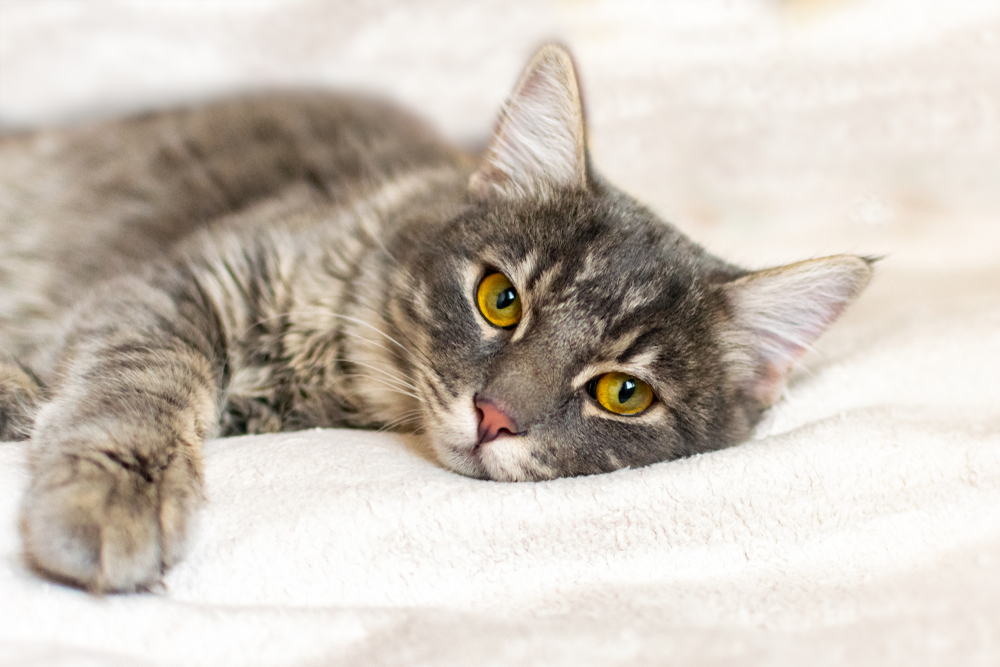
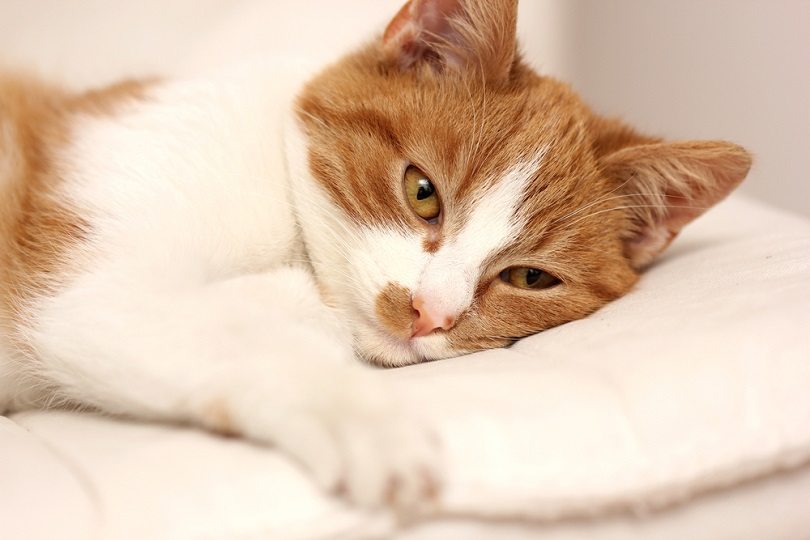
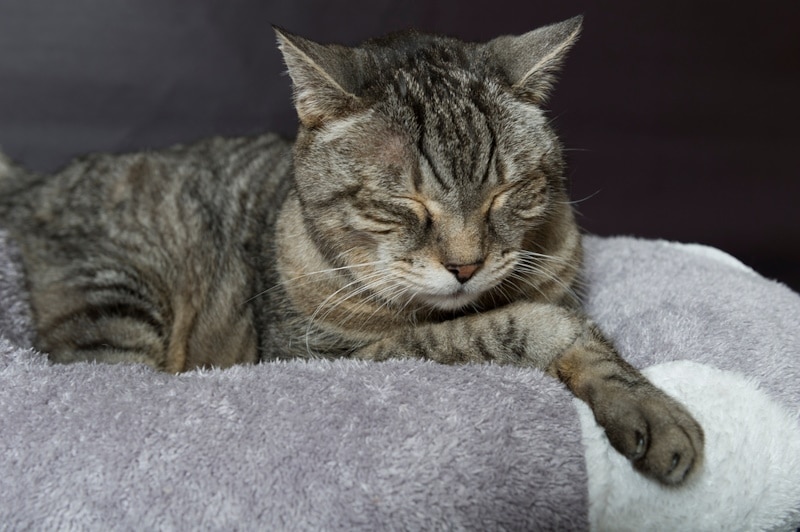
Cats nearing the end of their lives will often have less energy. They may spend a significant amount of time sleeping more than they previously did. Your cat may seem uninterested in eating, grooming, or interacting with anyone else. Of course, cats sleep frequently and extensively anyway, so it’s important to compare this with your cat’s previous behavior.
4. They’re Weak and Lethargic
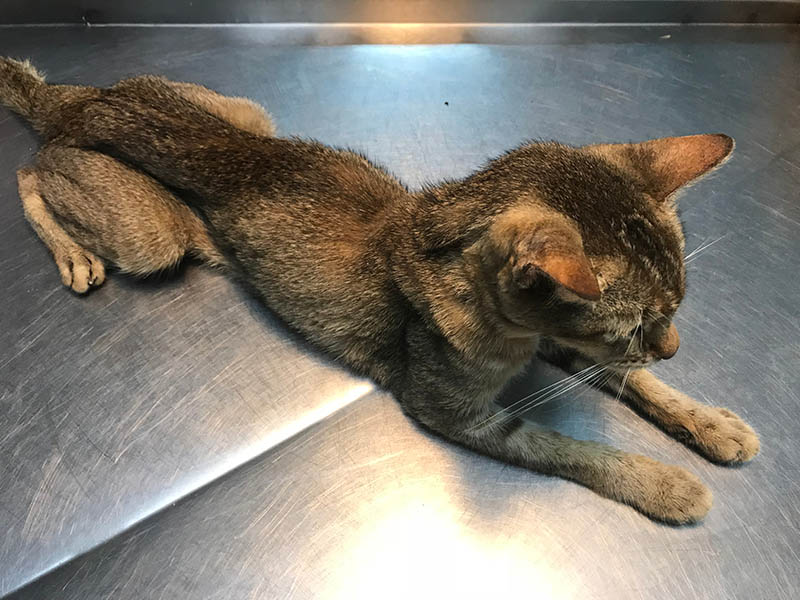
As well as sleeping more, you may find that your cat is weaker once they’re up and about. They may not have the energy to walk to the litter box or jump onto their favorite cat tree to watch the world go by. Your cat may show signs like weak back legs, muscle wastage, wobbliness, or may even stumble when they walk, and you will need to call a vet so they can make sure your cat isn’t in pain.
5. They May Be Confused

As they get older, cats can also suffer from a cognitive decline, referred to as feline cognitive dysfunction, that may be combined with other illnesses, such as overactive thyroid, kidney disease, and high blood pressure. Your cat may become very vocal overnight, forget how to use their litter box, repeatedly beg for food while not wanting to eat, and seem vague and lost. Sometimes, these issues are also coupled with a decline in vision, showing as large, cloudy, or glazed pupils.
All of these signs should be checked out by a vet as soon as possible, as some of these conditions can be successfully managed medically for a long time and may not mean that the end has come. The vet will be able to advise you on this based on the cat’s clinical exam findings and blood test results.
6. They Aren’t Grooming Themselves
If your cat has lost interest in keeping themselves clean, this can be another clue that they’re reaching the end of their life. This also occurs due to pain and illness. Cats usually spend up to 50% of their waking hours grooming. You may notice your cat’s fur becoming dull and matted if they’ve stopped grooming themselves.
7. They Want to Be Alone

One of the most common signs a cat is dying is they will try to find somewhere quiet to be on their own. This is a throwback to their days in the wild, when they knew it was safer to hide away from predators. If your usually sociable cat suddenly wants to be alone and shows no interest in interacting with you, it can show that their health is declining. This can also be a consequence of a treatable condition, so it’s important to get them checked by a vet.
8. They’ve Lost Weight
An unwell and chronically ill cat will often lose a significant amount of weight. This can be from a combination of not eating as much as they used to and muscle wastage, alongside an underlying illness.
9. Their Heart Rate and Respiration Is Low

A healthy cat’s heartbeat is usually in the range of 160–200 beats per minute. If your cat’s health has declined significantly, they have become less responsive, or even unresponsive when you try to move them and you believe they are passing away, there will be obvious changes in their heart and respiratory rate.
The heart rate of an unwell cat can drop far below the above range and sound very abnormal, but in some instances, such as heart failure, it can actually be quite high and irregular. You can measure your cat’s heartbeat by placing your hand behind their left elbow, where the beat is usually easiest to detect. Cats usually breathe 20–30 times per minute. An unwell cat may breathe less than this or very rapidly, even with an open mouth. All of these instances require an emergency trip to the vet.
10. They Smell Different
As a cat’s body starts to shut down, their organs stop working as effectively. This can mean that toxins start to build up instead of being excreted. The result is that your cat can start to smell different. An unpleasant odor that gets worse over time is a sign that something is not right with your cat’s body or that there is an infection somewhere. In old and ill cats with declining health, this can often be picked up in their breath, indicating a process in the mouth or an end-stage kidney disease.
11. They Have Trouble Getting to or Using the Litter Box

An unwell cat may find it difficult to get to the litter tray in time, so they may start peeing and pooping in places that you wouldn’t expect. Their urine may be darker from not drinking enough water or very dilute, almost like water, if their kidney function is poor. You might also see blood in their urine or poop.
As cats get older and their health declines, they may lose control of their urinary and digestive tracts, meaning they might have an accident in their bed or around the house.
How to Help Your Cat as They Enter the Stages of Dying
It’s incredibly sad to prepare yourself for the fact that your cat is getting old and may be nearing the end of their life, but there are plenty of ways that you can make them feel more comfortable at this time. These include:
- Keeping your vet informed
- More frequent vet checks
- Discussing end-of-life care and euthanasia with the vet
- Monitoring your cat’s pain and behavior
- Monitoring your cat’s appetite
- Offering a selection of tasty and palatable food
- Offering a warm bed in a quiet spot
- Regularly washing their bedding
- Helping your cat to the litter box
Conclusion
It’s a very difficult time living with your four-legged family member that is getting old or is suffering from a terminal incurable illness and knowing that your days together are coming to an end. Speaking to a vet and familiarizing yourself with your cat’s behavior, appetite and drinking routine, urination and defecation, and general sense of well-being is crucial, so you can easily spot even subtle changes in their quality of life.
A vet will advise and support you through this challenging time and ensure your kitty is comfortable for as long as possible before you need to make the hard decision to let them go peacefully.
Featured Image Credit: Kginger, Shutterstock

Expert cat care, straight to your inbox
Vet-reviewed advice, behavior tips, and the best of Catster. Free, and you can unsubscribe anytime.
By signing up, you agree to our Terms & Conditions and Privacy & Cookies Policy.
Christian started writing for a local newspaper as a teenager, and he's been involved in the publishing industry for most of his adult life. Combining his love of writing with a passion for animals, he is currently the Director of Editorial at Pangolia and the Editor-in-Chief at Catster.
Christian lives in the Philippines with his wife, son, and four rescue cats: Trixie, Chloe, Sparky, and Chopper.
Join the conversation
Ask a question, share your story, or send private feedback.