What Is a Normal Heart Rate for a Cat? Vet-Approved Facts & Health Tips


In this article
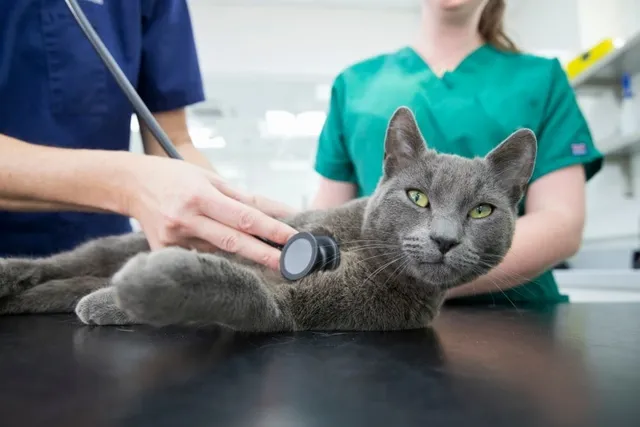
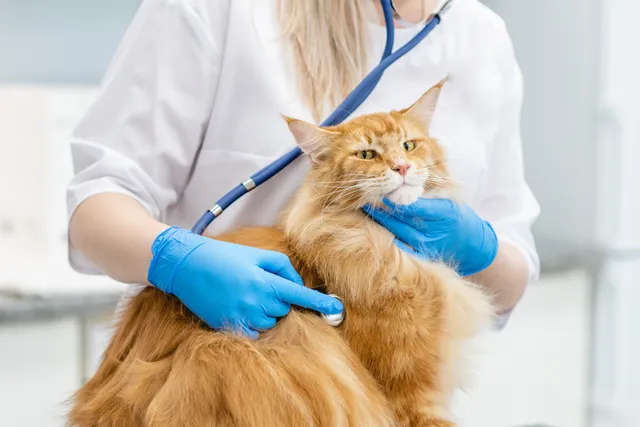
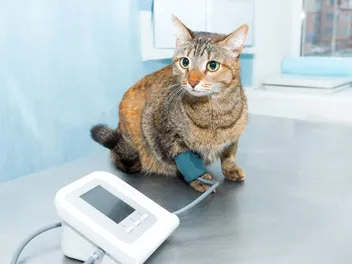
Cats have smaller bodies than we do, so it’s only natural that they’d have faster heart rates. The normal cat resting heart rate is between 160–220 beats per minute (bpm). Recent physical activity will influence a cat’s heart rate, so cats that have been exercising or active will have a faster heart rate for a short while. Medical conditions can also affect a cat's heart rate in both directions, and cats that are in pain will normally have a faster heart rate than usual. Understanding what’s normal for your cat will help you identify any health concerns quickly.
In this article, we’ll talk you through what’s normal, and how you can keep track of your cat’s vitals at home.

What Is a High Heart Rate for Cats?
Your cat’s heart rate will fluctuate depending on how relaxed or stressed they're feeling. A calm cat that is resting will have a heart rate that sits on the lower end of the normal range (between 160–220 bpm), while a cat that’s stressed, frightened, or anxious may have a heart rate of 220 bpm or even higher.
It’s normal for a cat's heart rate to briefly speed up if, for example, they have been playing, but if your cat has a rapid heart rate that isn’t normal, it may be a sign of an underlying health condition, such as a heart problem or another systemic issue. If you are ever unsure about your cat’s heart rate, the safest thing to do is to call a veterinarian and get them checked out to rule out any serious health conditions.
What Is a Low Heart Rate for Cats?
While a consistently high heart rate can be a cause for concern in cats, very low heart rates can also point to health concerns, such as heart disease. A cat's bpm while relaxed at home may be as low as 140, but cat heart rates under 120 bpm are considered low (bradycardia), and lower than 100 bpm are associated with lethargy and fainting. If you are concerned that your cat’s heart rate is too low, take several readings and note them down. If in doubt, take your cat to see a vet as soon as possible.
What Are the Signs of Heart Failure in Cats?
Cats are very good at hiding their weaknesses and are therefore unlikely to display any noticeable signs of heart disease until the disease has reached an advanced stage. As heart disease progresses, the cat will show an aversion to activity or exercise. They may hide in sheltered spaces—such as under furniture or in cat caves—and spend more time asleep than usual. In kittens, stunted growth could be a sign of heart disease.
Signs of heart disease in cats include:
The 3 Ways to Check Your Cat’s Vitals at Home
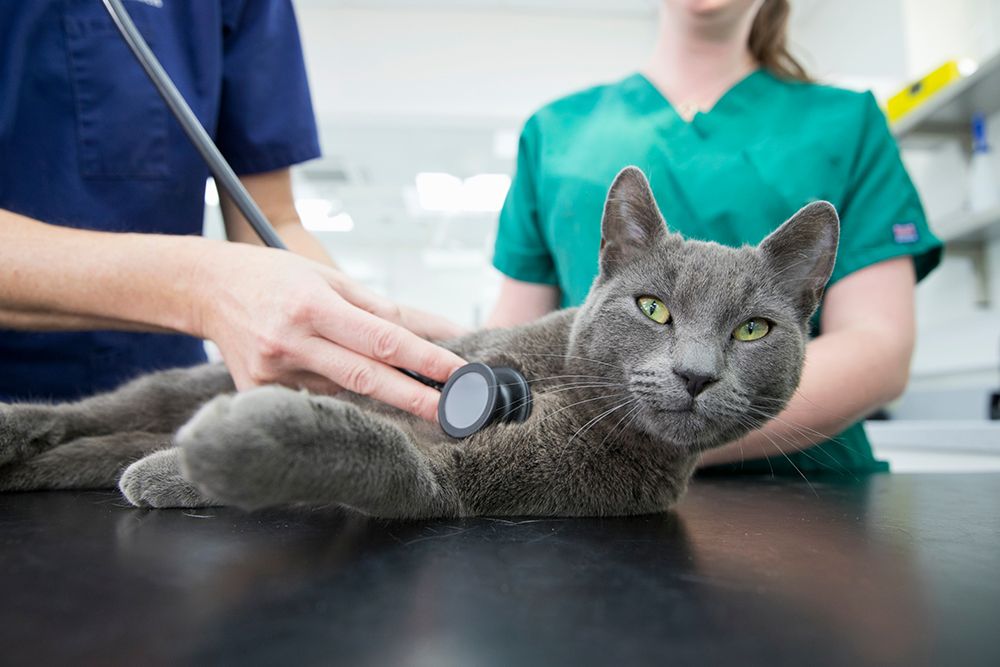
If you are concerned about your cat’s health, it is best to take your cat to the vet for a health check. If you would like to check your cat’s vitals at home to engage with their health condition, there are a few measurements that you could take. You can check your cat’s respiratory rate just by looking at them with a slightly trained eye. To check your cat’s temperature you will need a thermometer and, depending on your cat’s willingness to cooperate, some extra help. Checking your cat’s heart rate will probably be the most challenging measurement to take.
1. Temperature
There are two ways to check your cat’s temperature. The most standardized one that is widely used by vets is slowly inserting the tip of a digital thermometer into your cat’s butt (rectally). At home, the easiest way to take a cat’s temperature (also done in some clinics) is using a reliable digital thermometer that you insert into your cat’s ear.
A cat’s normal body temperature is between 101.0–102.2°F, but just as some people have a naturally higher baseline temperature, the same is true for cats. That said, if your cat’s temperature is below 99°F or rises above 104°F, this is a clear indication that your cat is unwell, and you should take them to a veterinarian immediately.

2. Heart Rate
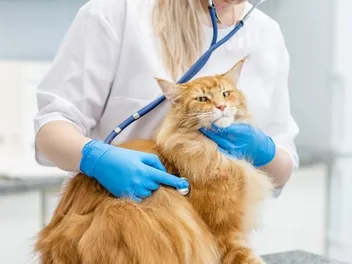
When your cat is rested, preferably sleeping, place your hand on their chest, just behind their elbow, and try to feel their heart beat on the left side of their chest. You should count how many beats you can feel in 15 seconds and multiply this number by four to get the total beats per minute.
3. Respiratory Rate
A cat’s normal breathing rate, while they are resting calmly or sleeping, will be between 15–30 breaths per minute. When cats are hot, active, excited, or playing, it is normal for their breathing rate to be much higher.
If your cat has no medical conditions and their breathing rate (while resting) is lower than this but they seem otherwise fine, this shouldn’t be a cause for concern.
If your cat’s breathing rate while they are asleep or resting is above 30 breaths per minute, this could be a sign of a serious health condition—take them to a veterinarian as soon as possible.
To count your cat’s respiratory rate, wait until they are asleep, then count how many breaths (one breath is counted as the chest moving in and out once) they take in 30 seconds. Double the number of breaths you counted to get your cat’s breathing rate per minute.
An important point to consider is that cats are normally silent breathers. You should not hear any noises from the nose or chest. Also, familiarize yourself with your cat’s breathing movements. Their abdomen should not move when they are breathing, only their chest. Therefore, if you notice any abnormal movements, film a quick video and speak to a vet.
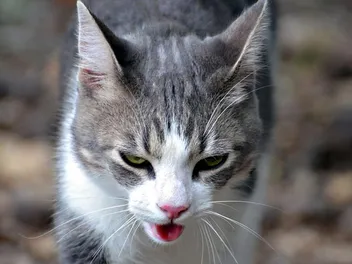
Lastly, cats normally breathe through their nose. It is abnormal for them to breathe with an open mouth. If they do, they could be suffering from severe breathing difficulty and veterinary care should be sought immediately.
Final Thoughts
Aside from your cat’s heart rate, watch out for changes in their behavior that could indicate a health issue. For example, a sudden change in your cat’s eating and drinking habits, reduced activity or lethargy, and white, blue, or gray gums can all be signs that your cat may be suffering from a health condition.
Our cats can’t communicate when something is wrong, so it’s up to us as their owners to keep a close eye on them. As your cat’s owner, you’ll be most familiar with which behavior is normal for your cat and which isn’t. If you notice a change, call a vet and ask for advice. At the very least, a vet can put your mind at ease, but if your cat is sick, you’ll be able to provide them with the care and treatment that they need quickly.
Sources
Featured Image Credit: Juice Flair, Shutterstock
Expert cat care, straight to your inbox
News, insights, and useful advice, delivered to you.

No spam — unsubscribe anytime.
By signing up, you agree to our Terms & Conditions and Privacy & Cookies Policy.
How useful was this post?
Click a star to rate. You can leave written feedback afterwards. (We read all feedback.)
Christian started writing for a local newspaper as a teenager, and he's been involved in the publishing industry for most of his adult life. Combining his love of writing with a passion for animals, he is currently the Director of Editorial at Pangolia and the Editor-in-Chief at Catster.
Christian lives in the Philippines with his wife, son, and four rescue cats: Trixie, Chloe, Sparky, and Chopper.