Cat Respiration Rate: How Fast Should My Cat Be Breathing?


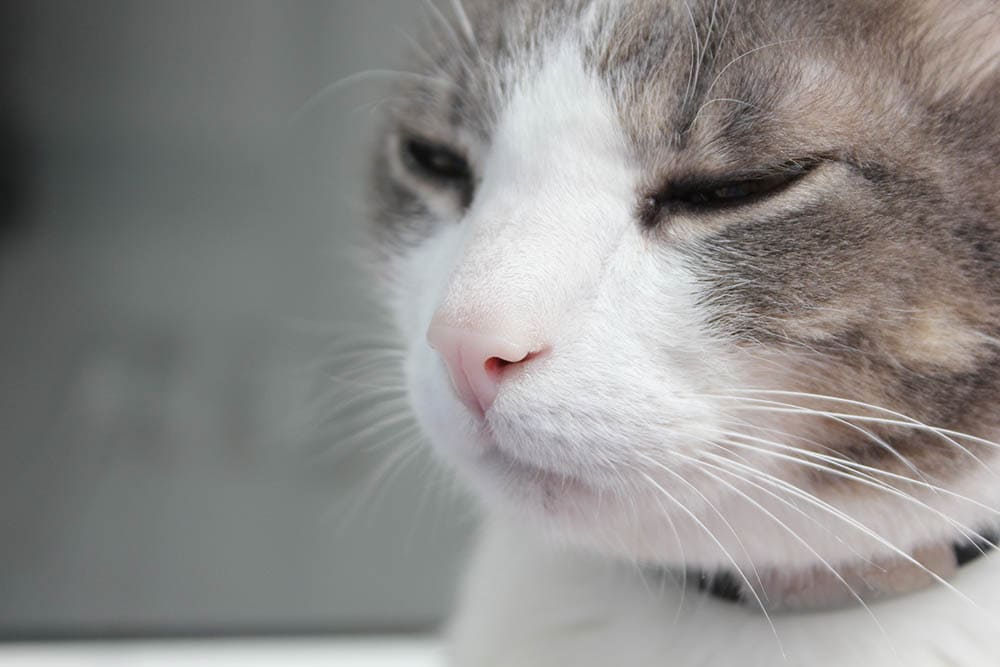
You may notice your cat sleeping peacefully next to you and breathing rapidly — or so it seems. Exactly how fast should a cat be breathing? It can be scary not knowing if your cat is all right or not.
To determine if your cat’s respiration rate is cause for concern, you need to know how fast most cats breathe. Then you can time your cat’s breaths and see if they fit in the normal range.
Healthy cats and cats with controlled health conditions like heart disease and heart failure take between 15 and 30 breaths per minute when they are resting, calm, or asleep. But this can fluctuate based on several factors.
Let’s look more at cat respiration rates and what affects them.

How to Measure Your Cat’s Breathing Rate
It’s best to count your cat’s breaths while they are resting comfortably or sleeping but not purring. One breath means one full inhale and one full exhale, with the chest rising and falling. Using a timer, time 30 seconds and count how many breaths your cat takes in that time.
Now multiply that number by two to get the number of breaths that your cat takes in 1 minute.

Tachypnea
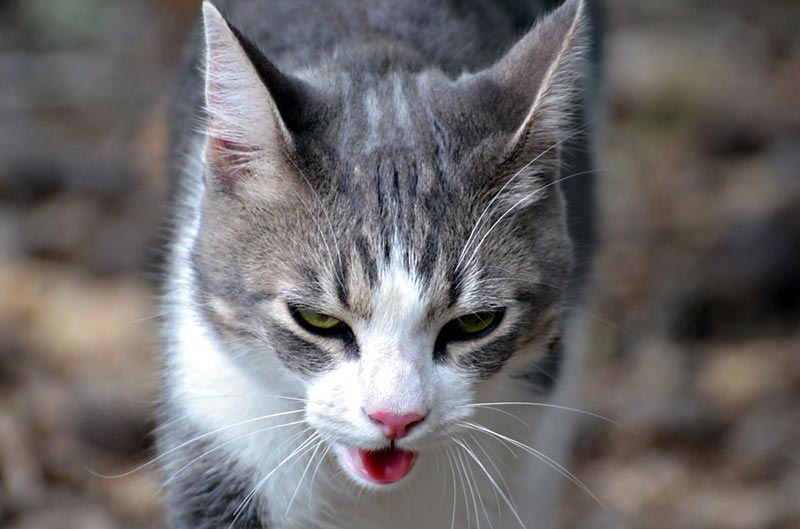
Tachypnea means abnormally rapid, shallow breathing. In cats, this means more than 40 breaths per minute.
If your cat is sleeping and experiencing tachypnea, this is a cause for concern. They should not be breathing rapidly when they are resting, calm, or relaxed. At other times, you may be able to tell the reason for rapid breathing.
If the cat has just finished an active play session or is scared by something, their breathing will be faster. If your cat is breathing quickly after a ride in the car, they may be overly stressed. Once they return home, their breathing should quickly regulate.
Here are common causes of tachypnea in cats:
You may notice other symptoms along with rapid breathing, such as:
If you notice that your cat is breathing faster than they usually do, try to determine the cause. If your cat is scared or experiencing emotional distress, their breathing should return to normal once they calm down. If they are out in the hot sun, move them to a cool area. Always provide plenty of water for them.
If the breathing doesn’t regulate over the next couple of hours, contact a vet. If their breathing remains rapid and your cat is experiencing other negative signs, this could be indicative of a medical emergency. Bring your cat to the vet right away.
If your cat is experiencing tachypnea while sleeping, it could be a sign of a serious health condition with the heart or lungs. The vet will be able to stabilize your cat with oxygen and medication. Blood tests, ultrasounds, and X-rays may be performed to get an accurate diagnosis of your cat’s condition and determine a treatment plan.
Dyspnea
Tachypnea is rapid breathing, but it doesn’t always mean the cat is having trouble breathing. Dyspnea is the term for problems with breathing, like shortness of breath, airway constrictions, or labored breathing. The two terms get confused, but an increased respiratory rate (tachypnea) does not always mean that the cat is having difficulty breathing (dyspnea).


How Can You Tell the Difference?
Since tachypnea is due to various causes, it isn’t always a life-threatening condition. For example, if your cat is breathing rapidly after running around the house chasing toys, you know the cause and that the condition will go away on its own in a little while.
Dyspnea is a life-threatening emergency. Cats don’t have trouble breathing for no reason, so a vet will need to examine them and diagnose the issue. Signs that your cat is experiencing difficulty breathing include:
Dyspnea can be caused by various things, including:
Cats tend to hide their symptoms until they become too severe not to show, so if you notice any changes in your cat’s breathing, contact a veterinarian right away. The sooner your cat begins the treatment that they need, the sooner they can recover.
Can You Prevent Rapid Breathing in Cats?
Tachypnea is caused by many different things, so there’s no way to prevent it from happening. Sometimes, this condition is perfectly normal and will go away by itself after a short period. If you’re concerned about your cat’s breathing, take them to the vet for an exam and explain what symptoms you’re noticing.
You can help your cat stay healthy by feeding them a well-balanced diet and keeping them at a healthy weight. Have regular play sessions with your cat to give them the exercise that they need. Avoid situations that may stress or scare your cat so they don’t experience emotional distress, leading to rapid breathing. You should also make sure to keep your cat on parasite prevention year-round to avoid fleas, heartworms, and various other parasite-induced illnesses that can cause tachypnea.
Regular checkups with a vet are important to diagnose, treat, and prevent any health conditions that can cause changes in breathing.

Final Thoughts
In many cases, even if a cat is suffering from rapid breathing due to a health condition, a full recovery can happen if treatment is started quickly. Certain conditions may require long-term care and monitoring, but the sooner the treatment starts, the better the prognosis will be.
If you notice any changes in your cat’s breathing or you’re concerned about their respiratory rate, always check with a vet. Keeping your cat healthy is the best way to prevent any health issues that could lead to respiratory distress.
Featured Image: AssiaPix, Shutterstock

Expert cat care, straight to your inbox
Vet-reviewed advice, behavior tips, and the best of Catster. Free, and you can unsubscribe anytime.
By signing up, you agree to our Terms & Conditions and Privacy & Cookies Policy.
Christian started writing for a local newspaper as a teenager, and he's been involved in the publishing industry for most of his adult life. Combining his love of writing with a passion for animals, he is currently the Director of Editorial at Pangolia and the Editor-in-Chief at Catster.
Christian lives in the Philippines with his wife, son, and four rescue cats: Trixie, Chloe, Sparky, and Chopper.
Join the conversation
Ask a question, share your story, or send private feedback.