Get

In Your Inbox

Catster is reader-supported. When you buy via links on our site, we may earn an affiliate commission at no cost to you. Learn more.

Are Baby Wipes Safe to Use on Cats? Vet-Reviewed Facts & FAQ

Share

Catster_Are Baby Wipes Safe for Cats

For the most part, cats are rather self-reliant creatures. They do a majority of their bathing and grooming and only occasional input from you is necessary. But there are times when felines need a little additional help to stay entirely clean. Baby wipes seem like a simple and quick way to provide that little bit of help, taking care of a little waste stuck to your cat’s back end or helping to get something out of their fur. After all, baby wipes are safe for babies, so they must be safe for cats too, right?

In truth, baby wipes can be quite harmful to cats. They contain chemicals that don’t hurt humans but can pose a health threat to your kitty. Things are even worse if your cat happens to ingest a baby wipe! As a general rule, never clean your cat with baby wipes. However, there are some alternatives that we’ll take a look at after we discuss the reasons why baby wipes have the potential to hurt your pet.

divider cats oct 2024

Do Baby Wipes Hurt Cats?

Baby wipes can be harmful to cats, but it’s not the wipe itself that causes the harm. The texture of the wipe is perfectly safe, and so is the action of wiping your cat with a moist towelette or cloth. Rather, it’s what’s contained in the wipe that could be harmful, especially since cats tend to lick their coats and could ingest the chemicals from the wipe.


baby wipes
Image Credit: wing-wing, Shutterstock

Dangerous Ingredients in Baby Wipes

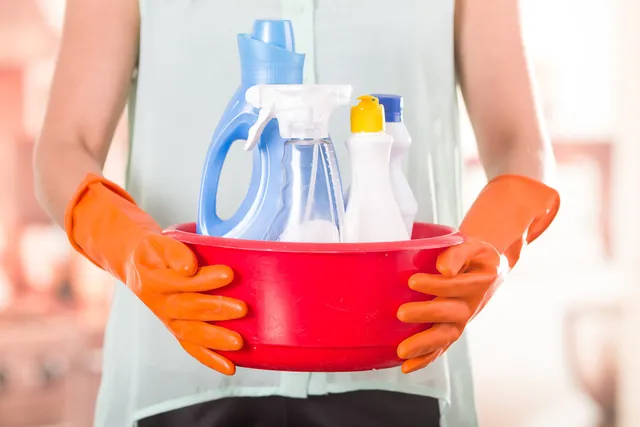
Baby wipes are full of chemicals and cleaning agents. Many of these are potentially harmful to your feline. They can be dangerous for external use and double dangerous if your cat happens to ingest one. Here are some of the ingredients in baby wipes that pose a threat to your pet:

  • Soaps and Detergents: Baby wipes are supposed to clean your baby’s skin, and they do this with various soaps and detergents that can irritate your cat’s skin when applied externally and will upset their stomach if ingested.
  • Scents: Lavender, perfumes, and other fragrances are all used in baby wipes to provide an appealing scent. Lavender is poisonous to cats and other perfumes and fragrances can cause sickness if your cat ingests them.
  • Triclosan: You won’t find this antibacterial agent in all baby wipes, though it is in enough of them for us to mention it. It’s a chemical cleaner that is poisonous to cats.
  • Propylene Glycol: This chemical often causes skin rashes and irritation. It’s even worse if your cat eats it.

In addition, baby wipes are made for human skin, which has a different pH than a cat’s skin. The pH of human skin is lower than that of a cat’s. Using human products on a cat disrupts their normal skin pH, which leaves them more vulnerable to skin infections and irritation.

divider single cat paw oct 2024

Safe Alternatives to Baby Wipes

Woman-use-a-cleaning-cloth-Wipe-a-cats-fur-bathe-ginger-cat
Image Credit: NONGASIMO, Shutterstock

You can’t deny the convenience of using baby wipes. There’s no need for soap, water, or drying off afterward. Just wipe with a baby wipe and everything is taken care of. Since baby wipes are bad for your cat, let’s take a look at a few alternatives that offer similar convenience but won’t harm your pet

  • Damp Cloth or Paper Towel: While you won’t get quite the same cleaning power from a wet paper towel or cloth, these can often replace wet wipes for basic cleaning needs and won’t pose any risk to your cat. If plain water isn’t strong enough, you can dissolve 1 tablespoon of baking soda into 6 cups of water for a harmless but effective cleaner.
  • Pet Wipes: Pet wipes are essentially baby wipes made specifically for pets. They contain no harmful ingredients and are completely safe to use on your cat. They can also help reduce odors while making cleanup a quick and easy process.

Our Favorite Product

Image Product Details
Top Rated Pet Wipes Hepper Wash Wipes Hepper Wash Wipes
  • Gentle & effective formula
  • Waterless
  • From paws to toys
  • It's hard to beat the convenience of pet-safe wipes after a big adventure, between baths, or when cleaning sensitive areas. Our favorite option is Hepper's Wash Wipes, premium wipes designed to safely and gently remove grime from cats and dogs of all ages and sizes. These hypoallergenic wipes are made in the USA and feature moisturizing ingredients to soothe your pet's skin.

    At Catster, we’ve admired Hepper for many years and decided to take a controlling ownership interest so that we could benefit from the outstanding designs of this cool cat company!

    Cat Cleaning That’s Better Than Wipes

    Pet wipes might be an efficient way to clean your cat, but there are better ways to do this. Of course, giving your cat a complete bath is probably the best way to get them clean, but that’s time-consuming, messy, and takes a lot of work. Instead, you can try these simple methods.

    • Hairbrush: Often, all you need to do to help keep your cat clean is run a brush through their coat. This can also improve your bond with your pet and reduce shedding.
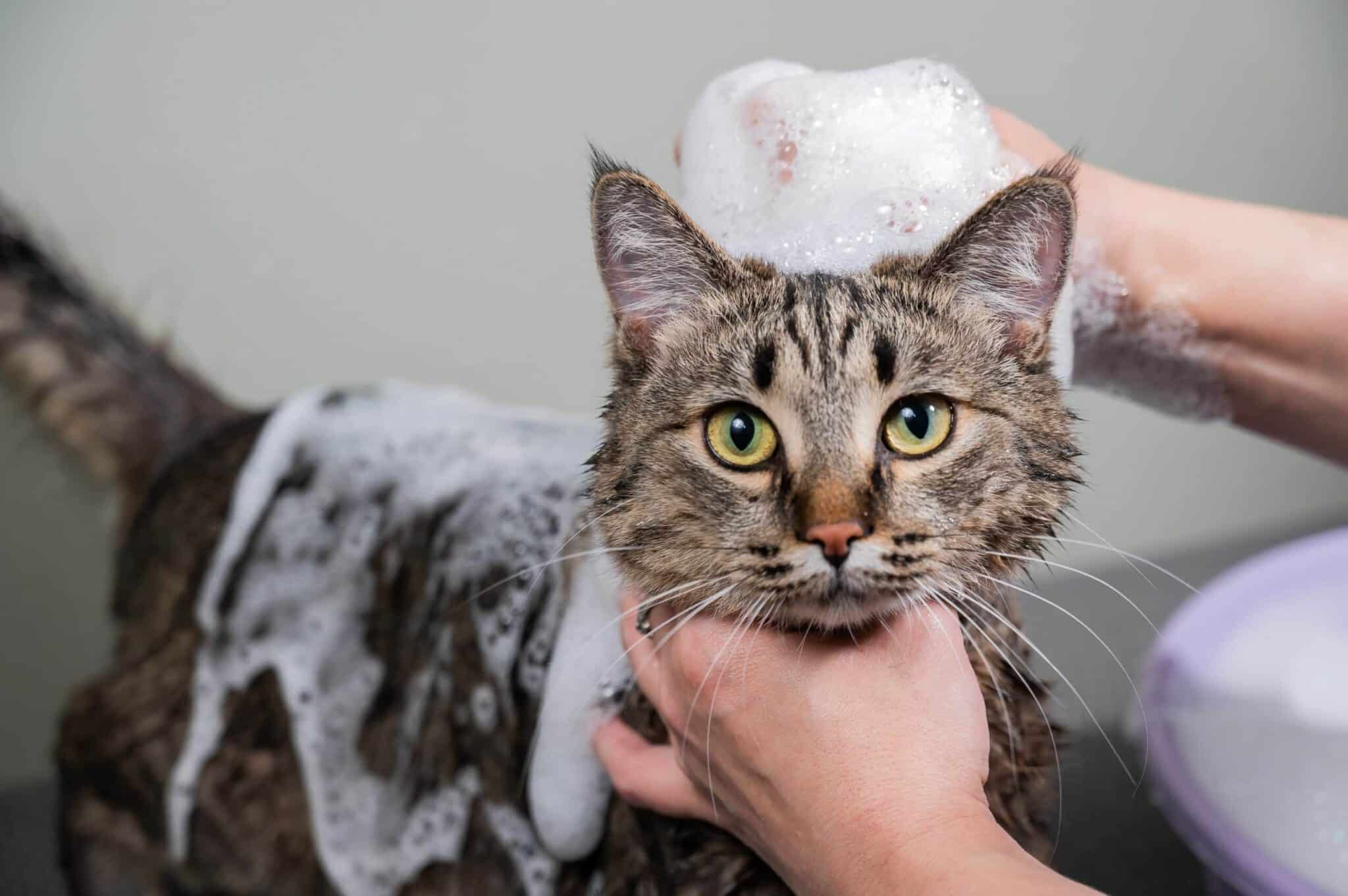
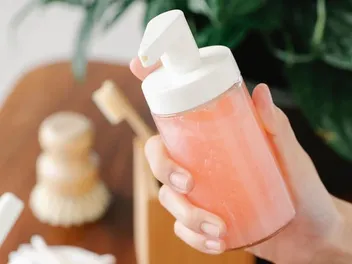
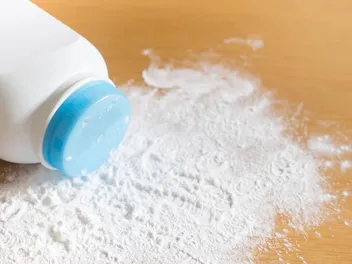
    • Dry Shampoo: Dry shampoo is a great way to clean up a dirty cat without all the mess that bathing often creates. Just rub some dry shampoo on your cat’s coat and rub it in well. Then, brush your cat with a regular grooming brush. These dry shampoos are harmless for your cat and offer a much quicker alternative to bathing.

    No products found.

    Dry shampoo is convenient, effective, and easy to use, but only if you pick the right product! Hepper's No-Rinse Pet Shampoo is made with soothing natural ingredients like cucumber and aloe vera. It smells great, cleans well, and won't cause irritation. You'll love the fresh, clean scent and your pet will enjoy the moisturizing, pH-balanced formula. 

    At Catster, we’ve admired Hepper for many years and decided to take a controlling ownership interest so that we could benefit from the outstanding designs of this cool cat company!

    divider cat faces 2 oct 2024

    Conclusion

    Baby wipes are great for cleaning up your baby or even yourself, but they should never be used on your cat. They contain all sorts of chemicals that can be harmful to your feline, including aloe, propylene glycol, and various soaps and detergents. You can use pet wipes as an equally convenient alternative, or try a dry shampoo to clean your entire cat without getting wet and messy!

    Related Reads:


    Featured Image Credit: NONGASIMO, Shutterstock

    Want content like this delivered to you?

    Sign Up For Our Newsletter

    News, insights, expert advice, and everything cat

    * By submitting, you agree to our Terms & Conditions and Privacy & Cookies Policy.


    How useful was this post?

    Click on a star to rate (you can leave written feedback after clicking submit)

    Help us improve Catster for pet parents!

    Your feedback really matters.

    What did you like about this post? Also how can we improve it?

    Join the conversation

    Leave a Reply

    You’re very welcome to leave a comment or question. Please know that all comments must meet our community guidelines, and your email address will NOT be published. Let’s have a positive and constructive conversation.


    Catster's Digital Magazine is Back!

    Vet-approved health & behavior advice

    Real cat stories & community features

    Chatting About the Importance of Spaying/Neutering, Cat Retail Shopping Ban & Red-Level Storms | Chatty Cattys, Episode 30

    In this episode of Catster’s Chatty Cattys podcast, Nicole and Dr. Karyn are celebrating a major legal win for pets before diving into...

    Is Your Cat Happy? Here’s How You Can Tell

    Cats have a reputation for being indifferent, even inscrutable. But despite their seemingly ambivalent appearance, cats experience many emotions, including happiness, and they...

    Human Brains Age Like Cats – New Study Debunks the 7-Year Rule

    If you’ve ever caught your senior cat staring blankly at a wall, wandering the halls at 3 am, calling out for no clear...

    Chatting with Devin About Here! Have a Kitten, Fostering, & Why Two Are Better Than One | Chatty Cattys, Episode 29

    In this episode of Catster’s Chatty Cattys podcast, Nicole & Dr. Karyn sit down with Devin, the founder and one-woman show behind “Here...

    More related

    Smalls vs Cat Person: Pros, Cons & Our Verdict

    Fresh dog foods have long been all the rage in the canine world, but it hasn’t been until recently that the same could...

    9 Best Flea Killers for Your Yard in 2026 – Reviews & Top Picks

    When the seasons change, it can pose a big issue for indoor/outdoor pets and their homes. Even if your animal only goes out...

    How to Tell if a Cat Is Choking: 6 Vet-Reviewed Signs & What to Do

    If your cat is choking, you need to ask fast, but before you try to give your cat the Heimlich, you should know...

    Colorado Hemp Honey Review 2026: A Detailed Look

    More and more cat owners are beginning to understand the benefits CBD can offer their cats. Not only does this natural compound work...

    Keep reading

    Can Cats Drink Wine? Vet-Verified Safety Information

    Many cat lovers appreciate a nice glass of wine in the evening to help them relax. Not only is it a crisp and refreshing drink, but it can also cut the edge after a stressful day and allow you to...

    Can Cats Drink Wine

    Vets Reveal the Scary Truth About Cats and Chicken Bones

    Giving your cat a chicken bone, or having them steal one off your plate, is a common and very easy mistake to make. Chicken smells irresistible to cats, and to them, bones are just part of the feast. But here’s...

    leftover chicken bones

    Feliway vs Comfort Zone: Which Pheromone Is Better?

    Both the Feliway and Comfort Zone pheromone diffusers are designed to make your cat feel calmer and less anxious and generally be a pleasure to be around. Whether your cat is having issues like feline aggression or urine spraying or...

    Are Burmese Cats Hypoallergenic? What You Need To Know!

    Since they’re affectionate, playful, and fiercely loyal, the Burmese cat is very easy to love. If you’re an allergy sufferer but would love to share your life with one of these wonderful cats, you’ll be pleased to learn that the...

    Closeup Burmese Cat Stands on Gray background

    Can Cats Drink Orange Juice? Vet-Reviewed Nutrition Facts & FAQ

    Some people like to share certain safe foods with their cats, and most consider orange juice healthy and nutritious, so it’s only natural to wonder if it’s OK to allow your cat to have a little orange juice now and...

    Can Cats Drink Orange Juice

    Are Tomato Plants Toxic to Cats? Vet-Reviewed Houseplants Examined

    There’s nothing more exciting than welcoming a new cat into your life. Having a pet involves taking good care of it and buying the proper cat food, plenty of kitty litter, and some toys. If you plan on allowing your...

    Catster_Are Tomato Plants Toxic to Cats

    6 Reasons Your Cat Kneads and Purrs: Vet-Approved Facts

    Cats knead for various reasons, from showing affection to soothing themselves, and nothing beats being on the receiving end of sweet kitty affection! Holding your cat while they knead and purr can make all your human worries vanish into thin...

    Cat paw on a red fabri

    Do I Need to Put My Cat on a Liquid Diet? Vet-Approved Info & Guide

    In most cases, cats will thrive on eating regular cat food throughout their entire lives. There are four main diets for cats that people are familiar with: dry, wet, semi-moist, and raw. Dry and raw diets are at opposite ends...

    feeding cat using syringe

    Love Cats? So Do We! Join the Catster Community

    Stay informed with expert pet care insights delivered straight to your inbox! Discover professional guidance on animal behavior, feeding tips, trusted product picks, and much more.


    Sign up for the Catster Email Newsletter

    Stay informed with expert pet care insights delivered straight to your inbox! Discover professional guidance on animal behavior, feeding tips, trusted product picks, and much more.