Does Baby Powder Kill Fleas on Cats? Vet-Reviewed Facts & Safety Explored


In this article
Fleas are cats’ most common skin parasite. They not only cause skin problems but can also transmit diseases to you and your cat. Finding effective and safe ways of killing fleas is essential to avoid problems.
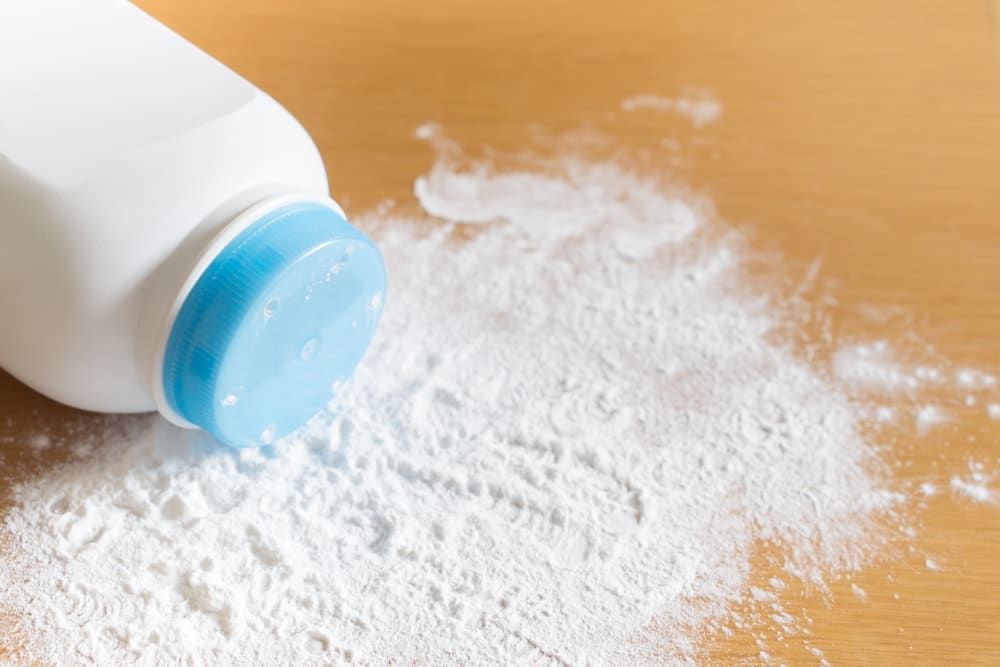
Baby powder contains talcum or cornstarch powder. It is thought to absorb moisture, dehydrating and suffocating adult fleas, but there is no scientific evidence to back this up. Moreover, it is not a flea repellent and cannot kill the immature stages of the fleas, meaning its use is neither safe nor effective for getting rid of fleas. So, is baby powder safe to use on cats?
While baby powder may seem like an effective way to get rid of fleas on pet fur, it is not safe and should not be used on or around cats. Unlike canines, felines are meticulous self-groomers prone to licking foreign substances off their fur. Licking or inhaling talcum powder can cause health problems.
Read on to learn more about why baby powder is not a suitable flea treatment and the recommended methods to keep your cat flea-free.

Can I Use Baby Powder to Kill Fleas on Cats?
Baby powder is thought to kill adult fleas on pet fur through suffocation. You need to be careful about the ingredients of the product that you use on cats. The two main types of baby powder include the following.
Cornstarch-Based Baby Powder
Cornstarch-based baby powder is not as dangerous as talcum powder for cats. Cats are obligate carnivores, and their bodies are not prepared to digest some carbohydrates. Still, the compound is not poisonous, especially if ingested as a one-off. If your cat licks off some cornstarch-based baby powder, it may cause digestive upset. If they inhale it, it can cause respiratory irritation.
There are better remedies for dealing with a stubborn flea problem, especially if the bugs are also on your carpeting and your pet's bedding. Ask your vet to recommend other flea treatments that may be ideal for your unique situation.
Talcum-Based Baby Powder
Talcum powder is harvested from a mineral called talc, which contains silicon and magnesium. These compounds effectively absorb moisture and soothe the skin around irritated areas. Talcum-based baby powders should not be used on cats—not even on areas far from the mouth, eyes, and nostrils.
Depending on your pet's health, personality, or habits, they could spend between 30% and 50% of their day self-grooming. This increases their chances of ingesting talcum-based baby powder on their coat and suffering from health problems.
Talcum poisoning signs described in humans and laboratory animals include eye and throat irritation, coughing, breathing difficulties, vomiting, and convulsions. While talcum poisoning is not scientifically described in cats, it is likely to resemble that in people.
What to Do If Your Cat Suffers Talcum Poisoning
If you accidentally use a talcum-based powder on your cat's coat and they inhale or ingest it, you should contact your vet immediately.
Depending on the severity of the pet's signs, you could first rush them to the clinic or wash off all the baby powder on their coat. Your vet will devise the best course of treatment and possibly suggest close monitoring of the pet for the next 24 to 48 hours.
The 4 Tips to Protect Your Cat and Home From Fleas
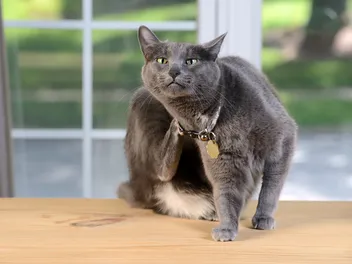
Every pet parent should know the tell-tale signs of a flea infestation. If your feline friend seems restless and keeps scratching and licking their skin, there is a good chance that they have fleas.
You can also confirm the concern by visually checking the skin and coat conditions. If you notice skin redness, crusting, irritation, and even a single tiny, fast-moving bug hiding inside the fur, it's essential to apply an effective flea treatment immediately. Fleas feed on blood, and an infestation puts you and your pet at risk of tapeworms and certain bacteria.
Fighting a flea problem can be tricky but not impossible. Here are a few steps to protect your furry friend and home from these pesky bugs.

1. Use Flea Medications on Your Cat
Depending on the extent of a flea problem, you can eradicate the bugs using a combination of flea medication and house products.
Speak to your vet to get the most effective product to kill fleas on your cat. The product will kill fleas at every life stage, including the eggs, larvae, pupas, and adults. These treatments also serve as a repellent, providing a long-standing solution to a flea problem. All pets in the family must be treated (even if they appear flea-free), and treatment should be used all year round if you want to get rid of fleas permanently.
The best flea medications uniquely formulated for cats include the following.
- Spot-on flea treatments
- Oral flea medications
2. Prevent a Re-infestation
Most flea medications are fast-action and can kill the fleas on your cat in just a few hours. However, they only remain effective for a while before their strength wears off. It is crucial to use the prescribed medication for the recommended duration. This will ensure the complete eradication of fleas and prevent possible re-infestation.
Also, treat your home, especially in warm areas like carpets, upholstery, and bedding. Any eggs hiding within the fabric will hatch after a while, causing a recurrent flea problem.
The easiest way to treat your home is to clean your pet's bedding and schedule steam cleaning for your upholstery and carpeting. Be extra keen on areas where your cat frequents. Also, dispose of all the vacuumed dirt and debris in a sealed plastic bag.

3. Don't Let Your Guard Down
Fleas are easier to prevent than to eliminate. One round of washing your textiles with high heat settings and vacuuming your home is not enough to guarantee you will not deal with a re-infestation. Repeat these steps at least once weekly to ensure that fleas stay off your property for good.
If you suspect that your pets pick up fleas outside, you'll also need treatment for your yard. Make sure any product you use is effective but pet friendly. Also, mow your grass and trim the bushes and other areas where fleas like to hide.
Another vital step is to talk to your vet about all-year-round cat flea-prevention treatments. They can save you from a lot of headaches and your pets from constant discomfort.
4. Seek Expert Help
A female flea can lay up to 50 eggs daily for up to 50 days. You can easily find yourself dealing with a full-blown flea infestation, especially during the warm months. If your efforts to fight the bugs don't seem to work, it may be time to seek the help of professional flea exterminators.
Final Thoughts
Baby powder is not effective at getting rid of fleas on cats, and more importantly, talcum-based products can put your pet's health at risk.
Your vet is the expert who can give you tailored advice on how to eliminate and prevent fleas on your furry friends.
Related Reads:
Featured Image Credit: MIA Studio, Shutterstock
Expert cat care, straight to your inbox
News, insights, and useful advice, delivered to you.

No spam — unsubscribe anytime.
By signing up, you agree to our Terms & Conditions and Privacy & Cookies Policy.
How useful was this post?
Click a star to rate. You can leave written feedback afterwards. (We read all feedback.)
Christian started writing for a local newspaper as a teenager, and he's been involved in the publishing industry for most of his adult life. Combining his love of writing with a passion for animals, he is currently the Director of Editorial at Pangolia and the Editor-in-Chief at Catster.
Christian lives in the Philippines with his wife, son, and four rescue cats: Trixie, Chloe, Sparky, and Chopper.