Catster is reader-supported. When you buy via links on our site, we may earn an affiliate commission at no cost to you. Learn more.

Cat Health & Care

Does Sevin Dust Kill Fleas on Cats? Vet-Verified Risks & Safety Info

By Jordyn Alger · Reviewed & fact-checked by Dr. Lorna WhittemoreVet Approved
Dr. Lorna Whittemore
Reviewed & Fact-Checked byDr. Lorna WhittemoreMRCVS (Veterinarian)
Lorna is a vet based in Cape Town, South Africa. originally from Scotland. Lorna loves to travel and has lived, studied, and worked on three continents. Lorna has 20 years of experience in small animal medicine and surgery, both in the charity and private sector, plus a further qualification in feline medicine.View authorThe information is current and up-to-date in accordance with the latest veterinarian research. Read about our vets
Share
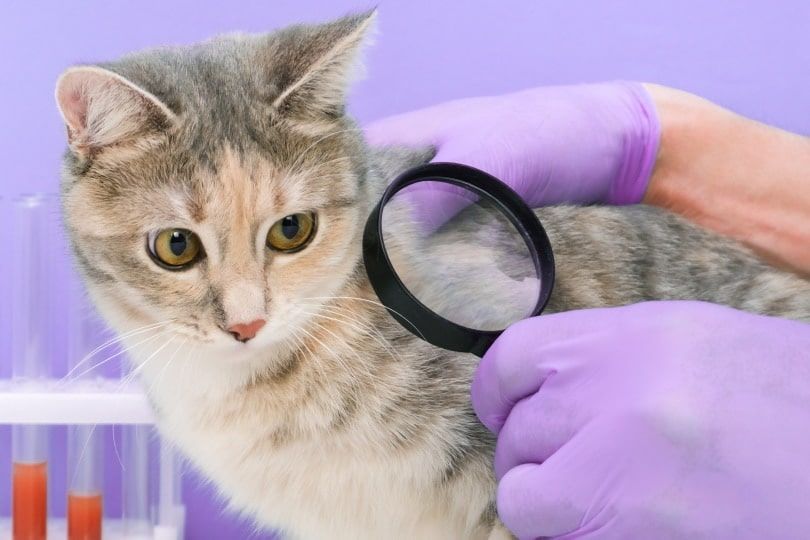
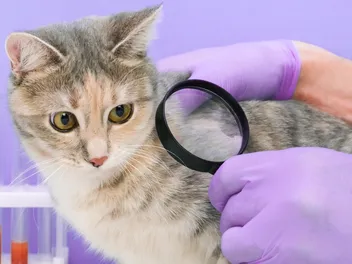
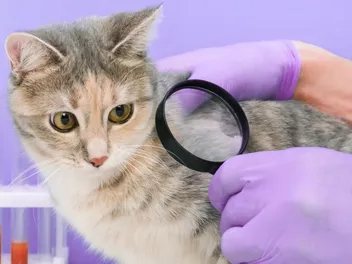
vet holding magnifying glass searching cat fleas

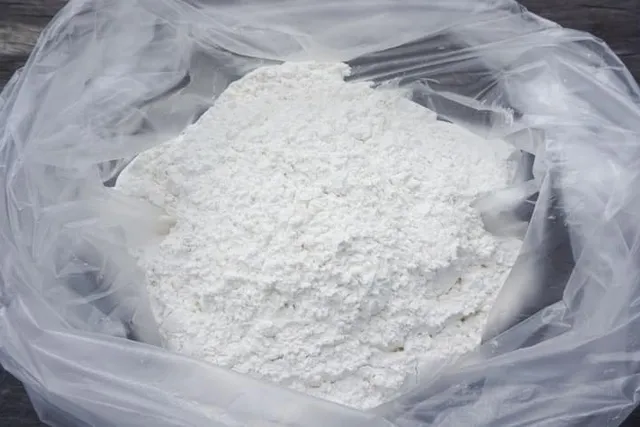
Sevin Dust is an insecticide with active ingredients, including carbaryl, bifenthrin, and zeta-cypermethrin. It is commonly used in garden spaces to kill unwanted pests. Sevin Dust should never be used directly on your cat, it is highly toxic to cats.

In this article, we will discuss why Sevin Dust is dangerous for cats and which flea treatments are safe for cats, so keep reading to learn more.

divider cats oct 2024

A Note From Our Veterinarian

Please note that the manufacturer for this product has changed its formulation. Sevin now uses a synthetic permethrin (pyrethrin) known as bifenthrin as its main active ingredient. Pyrethrins are toxic for cats, and bifenthrin is no exception to this rule. Therefore, extreme caution should be used when using this product.

For your pet's safety, we strongly advise you to consult your veterinarian whenever you're keen on using a flea product on your cat. Your veterinarian would have access to your pet's medical history, can help you diagnose a flea problem (remember that not all itch is caused by fleas), and prescribe a treatment plan that's safe and effective for your cat.

Does Sevin Dust Kill Fleas?

Sevin Dust is a garden and yard product. It must not be used directly on animals and must be used with appropriate safety precautions 1. It is highly toxic to cats and fish. Sevin Dust is manufactured to eradicate insect pests, including fleas. It is reportedly effective at killing fleas, and it remains active for long periods. However, for Sevin Dust to kill fleas, it must come in direct contact with them.

One downside to Sevin Dust as a flea killer is that it does not repel fleas or kill the eggs (although it can kill larvae). Likewise, Sevin Dust can only be used outdoors. It can eradicate fleas from outdoor spaces but never on pet bedding or pets.

Image Credit: Maja Marjanovic, Shutterstock

How Long Does Sevin Dust Last After Application?

A great benefit to Sevin Dust is that it lasts for 3 months. However, rain or other inclement weather can wash away the Sevin Dust and decrease its effectiveness. Once the 3 months have passed or the effectiveness has worn off, you can reapply it.

Keep track of when you apply Sevin Dust to your yard or outdoor area, especially if your cat plays outside. Since it can be active for so long, you must keep your cat away from the spots where the product was applied. Exposure to the insecticide can lead to disastrous consequences for your cat. Follow the manufacturer guidelines for proper use and exclusion times for pets.

divider cats oct 2024

Why Is Sevin Dust Dangerous for Cats?

Sevin Dust is dangerous to cats because it contains insecticides known as pyrethrins. Pyrethrins are toxic to cats since they cannot effectively metabolize the chemicals through their liver. Toxicity from insecticides can occur due to overexposure or misuse of the product.

Applying Sevin Dust directly to your cat is an example of misuse.  Fortunately, the pyrethrins in Sevin Dust aren't in a high concentration, reducing the risk to cats.

Another way that cats can come into contact with pyrethrins is by owners mistakenly applying a dog flea product on their cat or the cat grooming it off a dog. Flea products for dogs have a concentration of around 40%–50% pyrethrins and are highly toxic to cats.

close up fleas on cat
Photo Credit: KanphotoSS, Shutterstock

Signs of Insecticide Toxicity in Cats

If you suspect your cat may have been exposed to pyrethrins, contact your veterinarian immediately.  There are some signs that you can watch out for, but some cats will not exhibit every sign listed in this article.

Occasionally, some cats may even display signs opposite to those mentioned below. However, there will almost certainly be a clear indication that something is wrong with your cat, either due to physical signs or strange changes in behavior.

Signs of insecticide toxicity include:

  • Vomiting
  • Diarrhea
  • Fever
  • Depression
  • Excessive salivation or drooling
  • Anorexia
  • Muscle tremors
  • Heightened heart rate
  • Constricted pupils
  • Lack of coordination or difficulty walking
  • Difficulty breathing
  • Seizures

If you notice any of these signs, contact your vet immediately, remove your cat from the environment where the insecticide is (such as the garden), and stop using the product entirely.

divider cats oct 2024

What Are the Flea Treatment Products Available for My Cat?

owner with gloves applying flea treatment to cat
Image Credit: Anastasiya Tsiasemnikava, Shutterstock

While Sevin Dust is not a safe product for your cat, plenty of feline flea treatments are available to help you out. You can find shampoos, powders, sprays, topical treatments, and oral medications. However, avoid using commercial products and rely on your vet for an effective prescription.

Cats should never be exposed to a flea killer designed for dogs since it contains toxic chemicals that can harm them. Your vet can prescribe a topical treatment that kills the fleas in hours and protects your cat for up to 3 months.

Although vet-approved flea treatments are effective, you must also treat your home for fleas. Sevin Dust cannot be used in your home, and some store-bought pesticides can harm your cat. It’s best to contact a professional exterminator who uses pet-friendly chemicals to eradicate the flea population on your property.

divider cats oct 2024

Final Thoughts

Sevin Dust is an effective insecticide that is not designed for treating feline flea infestations. When Sevin Dust comes into contact with our beloved pets, toxicity can occur. It can be used outside to kill pests by carefully following the manufacturer's guidelines. Therefore, it is best to contact your vet to determine which flea treatment is right for your cat.

Related Reads:

Sources

Featured Image credit: lev.studio, Shutterstock

The Catster Newsletter

Expert cat care, straight to your inbox

News, insights, and useful advice, delivered to you.

No spam — unsubscribe anytime.

By signing up, you agree to our Terms & Conditions and Privacy & Cookies Policy.

Click a star to rate. You can leave written feedback afterwards. (We read all feedback.)

Jordyn Alger
Authored by

Jordyn Alger

Leave a Reply

You're very welcome to leave a comment or question. Please know that all comments must meet our community guidelines, and your email address will NOT be published. Let's have a positive and constructive conversation.

Does Lime Kill Fleas on Cats? Vet Reviewed Effectiveness & Safety Explained

Does Lime Kill Fleas on Cats? Vet Reviewed Effectiveness & Safety Explained

Fleas can make your cat’s life miserable and yours a nightmare as you try to fight the infestation. Those searching for non-pesticide products to kill fleas mi…

Elizabeth Gray
By Elizabeth Gray ·
Can a Flea Collar Make a Cat Sick? Vet-Reviewed Risks & Considerations

Can a Flea Collar Make a Cat Sick? Vet-Reviewed Risks & Considerations

Flea collars can seem quite convenient, but many of them do not work well. For one thing, some do not have proven ingredients that will keep fleas away, so the…

Kristin Hitchcock
By Kristin Hitchcock ·
Is Neem Oil Poisonous to Cats? What You Need to Know! Vet-Verified Facts

Is Neem Oil Poisonous to Cats? What You Need to Know! Vet-Verified Facts

Neem oil is the current trending natural remedy of the month, being touted for everything from insect repellent to treatment for ringworm. Anecdotes of its use…

Luxifa Le
By Luxifa Le ·
How to Get Rid Of Fleas On Cats: 7 Vet-Approved Methods

How to Get Rid Of Fleas On Cats: 7 Vet-Approved Methods

Fleas on cats can be a nuisance. Not only do they make your kitty itch, but they can also jump onto you and your other pets and transmit diseases. Fleas are a…

Christian Adams
By Christian Adams ·

My Cat Has Fleas! How Do I Clean My House? Vet-Approved Advice & Best Practices

No matter how much you may try to prevent it, sometimes cats get fleas. This can even occur if your cat doesn’t go outside. Fleas can get in through open windo…

Christian Adams
By Christian Adams ·
My Cat Has Fleas! How Do I Clean My House? Vet-Approved Advice & Best Practices

Is Borax Safe for Cats? Vet-Approved Safety and Usage Advice

Borax is a multipurpose cleaner that can be used for stopping an infestation of ants or cleaning mold. It’s even become popular as an ingredient for homemade s…

Christian Adams
By Christian Adams ·
Is Borax Safe for Cats? Vet-Approved Safety and Usage Advice

How Does Flea Medicine Work for Cats? Vet Approved Facts & FAQ

Fleas are the most common parasites that cats suffer from. Even if you have an indoor cat, they can get fleas from other pets or rodents that may sneak their w…

Jordyn Alger
By Jordyn Alger ·
How Does Flea Medicine Work for Cats? Vet Approved Facts & FAQ

Are Flea Collars Safe for Cats? Vet-Verified Facts & Alternatives

Whether yours is an indoor cat or an outdoor cat, fleas are a constant and potential health hazard. An outdoor cat may be exposed to fleas every time they step…

Gregory Iacono
By Gregory Iacono ·
Are Flea Collars Safe for Cats? Vet-Verified Facts & Alternatives

Can Cats Eat Diatomaceous Earth? Vet-Verified Safety Tips & Warnings

Nowadays, we seem to be moving toward natural, organic, and integrative ways to combat disease—not only in humans but also in our kitties. If you have been loo…

Christian Adams
By Christian Adams ·
Can Cats Eat Diatomaceous Earth? Vet-Verified Safety Tips & Warnings

Epsom Salt Bath for Fleas on Cats: Vet-Reviewed Effectiveness, Safety & Alternatives

A flea infestation can make your cat miserable and put them at risk of diseases and internal parasites. Some cat owners prefer to avoid using pesticides and ch…

Elizabeth Gray
By Elizabeth Gray ·
Epsom Salt Bath for Fleas on Cats: Vet-Reviewed Effectiveness, Safety & Alternatives

Does Baby Powder Kill Fleas on Cats? Vet-Reviewed Facts & Safety Explored

Fleas are cats’ most common skin parasite. They not only cause skin problems but can also transmit diseases to you and your cat. Finding effective and safe way…

Christian Adams
By Christian Adams ·
Does Baby Powder Kill Fleas on Cats? Vet-Reviewed Facts & Safety Explored

How To Flea Bomb With Indoor Cats: 5 Vet-Approved Tips & Precautions

When fleas hitch a ride on your pet, your home can soon become an unwelcome place. An infestation can make you and your animal quite uncomfortable from the unr…

Christian Adams
By Christian Adams ·
How To Flea Bomb With Indoor Cats: 5 Vet-Approved Tips & Precautions

Love Cats? So Do We! Join the Catster Community

Stay informed with expert cat care insights delivered straight to your inbox! Discover professional guidance on feline behavior, feeding tips, trusted product picks, and much more.

You may opt-out at any time. View our Privacy Policy for more information.

The Catster site on a phone