Depression in Cats: Our Vet Answers Signs, Causes & Treatments

In this article
Clinical depression is a medically recognized and fairly common mental health disease of humans. Feelings of sadness and behavioral changes such as lack of motivation to perform regular activities, or disruption of sleeping patterns are some of the signs of this disease. Depression is considered a multifactorial disease1. Sometimes depression is caused by a clear emotional trigger, such as the separation or loss of a loved one, financial difficulties, etc. Clinical depression can also be caused by chemical imbalances in the brain. What is certain is that depression in humans can be easily diagnosed due to our ability to verbally express our feelings.
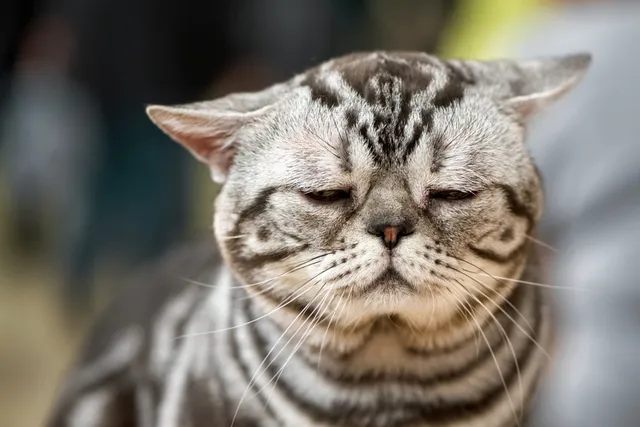
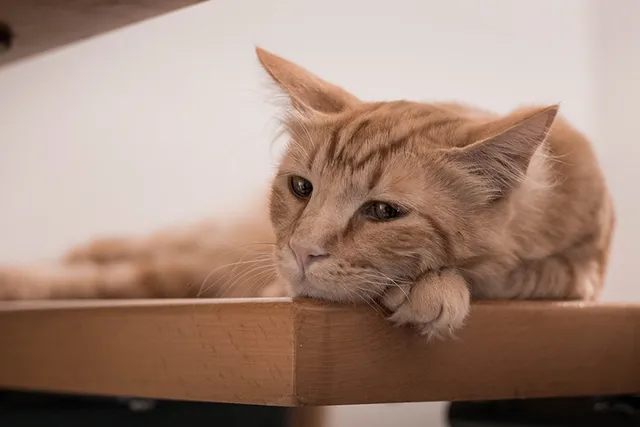
The observation of behavioral changes similar to those experienced by humans with diagnosed clinical depression are the reason why some cat owners think their cat is suffering from depression.

Can My Cat Suffer From Depression?
Cats, just like any other animals, are sentient beings and can suffer from mood disorders. Because cats can not express themselves verbally, it is wiser to avoid evaluating them using humanized adjectives or characteristics and instead focus on evaluating them from a more cat-friendly perspective. This will help you better understand and provide the needed solutions for your beloved cat’s “depression”.

What Are the Signs of “Depression” in Cats?
It is common for concerned cat owners to assume their cats are suffering from depression upon observation of one or more of these behavioral changes in their cat. However, all of these signs can have several different causes, including pain and discomfort from a disease, injury, or other health problems. To better help our beloved furry friends, we need to collect as much information as possible. This will allow us to have a clearer idea of what is going on.
It is very important to address the issue as soon as possible for two reasons:
Seek veterinary advice if you’re concerned about your pet’s well-being.
What Can I Do if My Cat Shows Signs of Depression?
Once we identify that the cat shows any of the mentioned signs, it is important to start gathering information systematically. Cats do not speak about their emotions, but what is certain is that the change of behavior has a cause, and we should make an investigation of what is going on.

A Guide to Gathering Relevant Information
The Environment:
Identify if there is any change in the environment that happened just before or around the time when your cat’s behavior started changing.
Here are some examples:
Cats are known to be creatures of habit, and sometimes the smallest changes in the environment can cause behavioral changes in your cat.
Yourself or Any Other Member of the Family:
You notice your cat has suddenly been presenting avoidance behavior towards you. Try to identify if you have changed something in yourself. You are one of the most important parts of your cat’s social environment, and although cats are considered to be very independent pets, your behavior has effects on them.
Have you changed your perfume? Are you going through some stressful situation? Have your hours at home changed? Is there a new member in the family or a friend visiting more often than before?
Cats tend to be independent creatures that feel safe with their habitual routines. However, for some cats, changes in their social environment and routines can cause them anxiety. Anxiety is very often the reason behind behavioral changes in cats.

Other Cats:
If you have more than one cat, it is always important to evaluate the social interactions and structure between the members of the group. In the case where one of your cats has a reduced appetite and seems to be losing weight, chances are that they are being displaced by one of the other cats. Having multiple feeding stations on opposite sides of the room might solve this problem.
If one of your cats is urinating outside the litter box, chances are other cats are also claiming the box as their property or territory and displacing them. In this case, providing multiple litter boxes could be the solution. In fact, if you have a multi-cat household, the rule is one litter box per cat, plus an extra one.
If you have more than one cat in your home, it is very important to provide an environment that allows the healthy socialization of the cats. Anxiety and chronic stress can have a very negative impact on a cat’s behavior and health; aberrant self-mutilating behaviors can sometimes be tracked right back to anxiety.
When having a multiple cat household it is always recommended to provide a “safe space” for each cat. Cats prefer higher-up spaces that provide a sense of security and protection for hiding spots. Providing a comfortable and easy-to-access place for each cat to have a safe place and their “own” territory might do wonders in reducing anxiety in the cats.
Should We Visit the Veterinarian?
If the cat’s behavioral changes or anxiety were caused by any changes in the routine or social or environmental factors, the cat’s behavior should return to normal a few days after resuming habitual routines and “normality”. However, it is always a good practice to get advice from a veterinarian.
If you can not identify any change in the routines or the social or physical environment, it is very important to visit a veterinarian as soon as possible. All the signs that we listed and that are claimed to be signs of “depression” in cats are non-specific and could be due to an underlying health issue. Loss of appetite can be caused by something as simple as a small injury in the mouth or by multiple gastrointestinal problems ranging from gastritis to cancers. As well, kidney disease presents with loss of appetite and changes in litter box usage.
As a general rule, it is better to visit the veterinarian sooner rather than later, because while some diseases have a slower course, others complicate within a matter of a day or two, such as in the case of urethral obstructions in male cats.

How Does the Veterinarian Get an Appropriate Diagnosis?
It is always recommended to provide a veterinarian with all the information you have gathered from your cat’s case.
These are some useful questions to guide you with the information you should provide:
By bringing all this information, you will help the veterinarian to better understand the case and general situation, adding to better diagnosis and potentially saving you some money. In some cases, differentiating anxiety from other very serious medical conditions, such as infections or tumors involving the nervous system, is done by elimination. This translates into a veterinarian having enough information that might save you from paying for extra diagnostic tests such as biopsies, X-rays, or even MRIs. Cats never behave the same in the clinic as they do in their home environment, so your behavioral observation is of great value for the clinical history.
Testing Toward Diagnosis
After understanding the specifics of the case’s history, a veterinarian will proceed to perform a complete physical examination of the cat. After completing the physical examination, the veterinarian will collect a biological sample of your cat's blood, and maybe also urine or fecal samples. If more information is needed, the veterinarian might also use some diagnostic imaging such as X-rays, ultrasounds, or even an MRI.
After performing the necessary tests and having an appropriate diagnosis of what is causing your cat’s unusual behavior, the veterinarian can address any medical conditions such as infections, injury, or pain with appropriate treatments.
Pain in cats is commonly confused by owners with what they describe as “depression.” For this reason, it is always recommended to bring your cat for a medical evaluation if you notice any behavioral change that concerns you.
Important:
What Is the Treatment for “Cat Depression”?

Based on the specific case history, the physical examination observations, and the results of the diagnostic test, the veterinarian will develop an appropriate plan to aid your furry friend. If the issue is caused by a medical condition, a variety of treatments ranging from oral medications to surgery will be indicated following the specific medical case.
If the veterinarian has ruled out a disease or underlying medical condition he or she might recommend a consultation with a cat behaviorist and/or start treating your cat for "anxiety”.
The treatment might include the addition of pheromone diffusers to the environment. Pheromone diffusers look like electronic air fresheners, they plug into electrical outlets and required periodic cartridge changes. The cartridge contains synthetic chemicals that mimic naturally occurring pheromones and have a calming effect on the cat’s condition. If this is the case, it is very important to be very specific about what kind of pheromone blend you are looking for. There are a variety of blends in the market; Feliway for example offers good quality products and different compositions for a single pet cat or multiple pet cats sharing a home.
If the veterinarian suspects that pain is the reason for your cat’s " depression" they might prescribe pain management treatments. The drug of choice will depend on the pain’s location and origin.
In addition, the veterinarian might prescribe your cat anxiolytic medications or a lighter calming supplement.In any case, the recommendation is to follow the veterinarian’s advice very specifically with regards to the dosage and frequency of the medication. A good cat owner’s practice is to always keep your cat under observation while under new medical treatments. Contact your doctor immediately if you notice something that concerns you. Never give your cat any medication without the prescription and advice of a veterinarian as you might be increasing the cat’s risks instead of helping them.
Final Thoughts
As a responsible cat owner, the best you can do for your cat is to understand that yes, when a cat’s behavior changes, there is something going on that needs careful evaluation and addressing. You can provide the best value by learning to note these behavioral changes, collecting all relevant information, and taking your cat to a veterinarian’s consultation as soon as possible to rule out any dangerous underlying condition.
See Also:
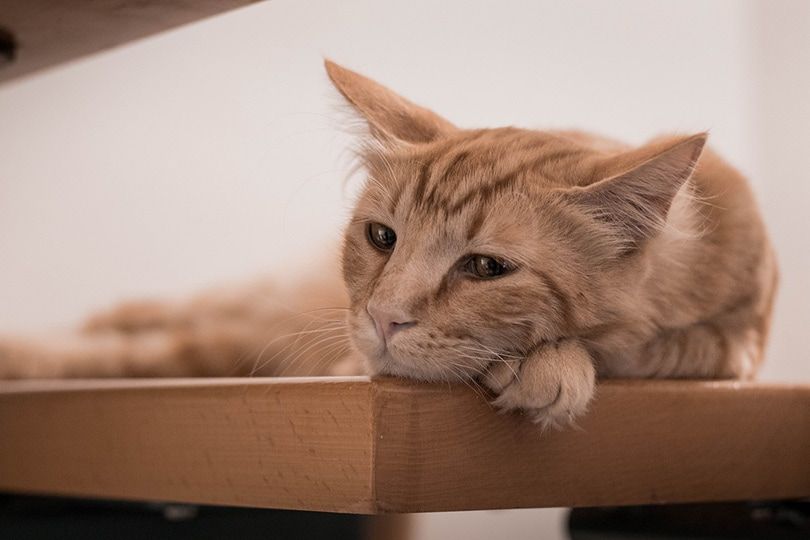
Featured Image Credit: avi_acl, Pixabay
Expert cat care, straight to your inbox
News, insights, and useful advice, delivered to you.

No spam — unsubscribe anytime.
By signing up, you agree to our Terms & Conditions and Privacy & Cookies Policy.
How useful was this post?
Click a star to rate. You can leave written feedback afterwards. (We read all feedback.)
Dr. Paola Cuevas MVZ (Veterinarian)
Dr. Paola Cuevas is the Senior In-House Veterinarian at Pangolia, the parent company of Catster. She has over 18 years of experience as a veterinarian and animal behaviorist. Paola's focus is on preventive medicine and animal welfare. Paola has a large range of skills in from diagnostic imaging to nutrition and clinical pathology. Paola enjoys sharing her extensive knowledge of animal training with our Catster readers and is always happy to answer reader questions as our in-house veterinarian.