How Do Cats Show Sadness? 8 Vet-Verified Ways


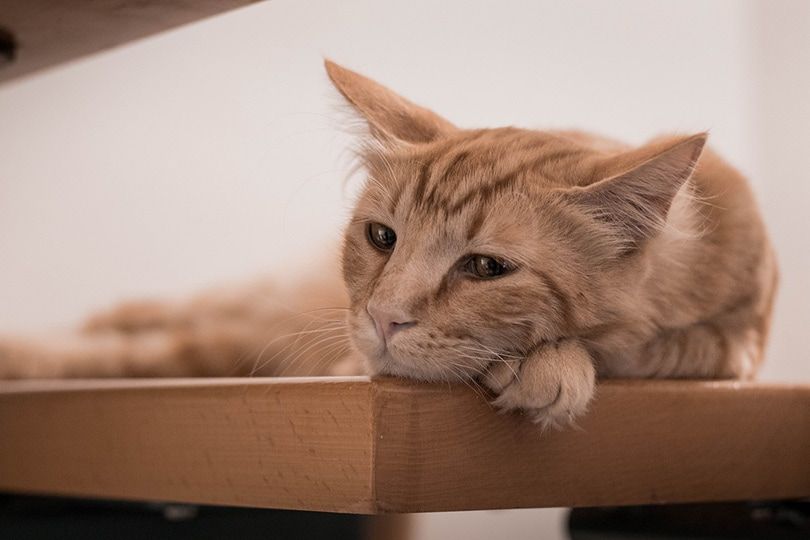
Many of us who love cats are drawn to their independent and aloof natures. Compared to their canine counterparts, it can sometimes be a challenge to know what your feline buddy is thinking and feeling. Don’t mistake their chill vibe for a lack of emotion—cats experience a wide range of feelings much like their humans do.
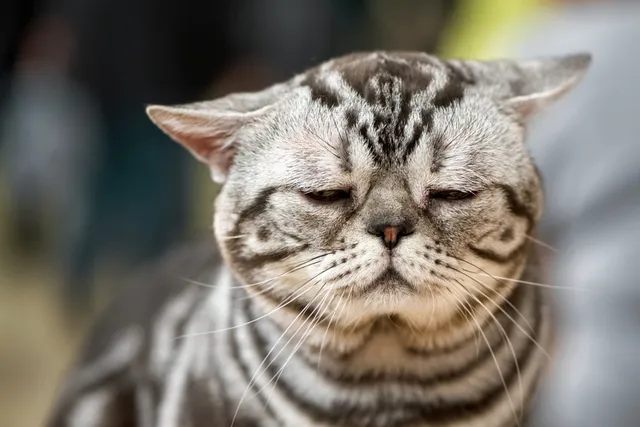
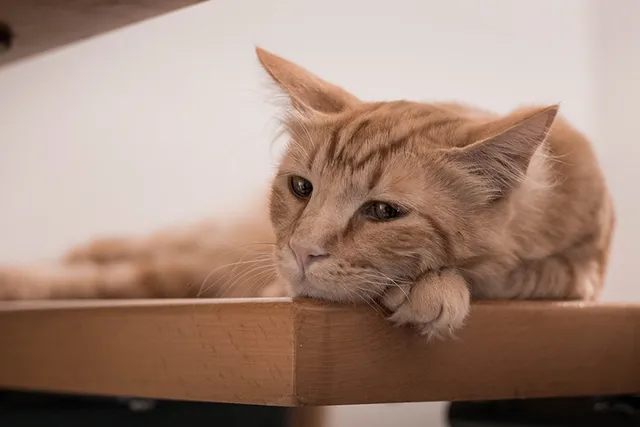
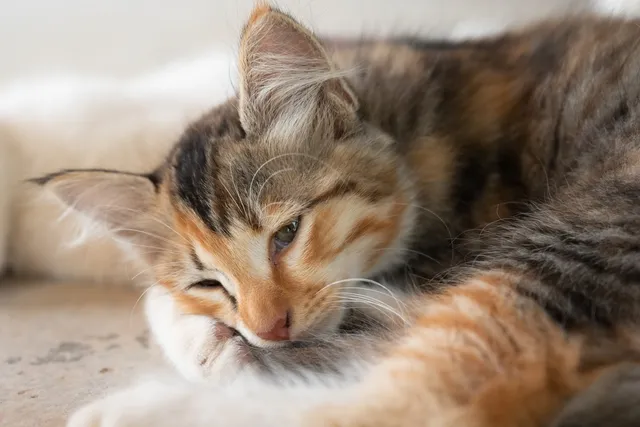
If you’re wondering whether your cat is feeling down, remember that they are social creatures that show us what’s on their sweet little minds through their actions. Here are a few behaviors that could indicate that your cat is feeling sad or depressed and needs intervention and support from you.

The 8 Common Ways Cats Show Sadness
1. Loss of Appetite
One of the most common and recognizable signs of a sad cat is a loss of appetite. When a cat is feeling blue, they may refuse to eat or drink water, even if they are usually enthusiastic eaters. Even trying a new food doesn’t seem to entice them. Over time, this can lead to weight loss and weakness, which can further exacerbate their low mood. Chronic and long-term refusal of food and drink does not take long to become an emergency issue for your pet.

2. Lethargy
Sad cats may also display a lack of energy or enthusiasm for their usual activities. Fewer zoomies and fewer romps with favorite toys can mean that your cat is not in their usual emotional place. They may spend more time sleeping or lounging and may not be as interested in playing or exploring their surroundings as they usually are. This can be a sign that they are feeling down or depressed.
3. Changes in Interaction
Just like humans, a depressed cat may shy away from their humans and other animals in the house. Cats are known for their independent nature, but a sad cat may become even more withdrawn and isolated. They may find new hiding spots and avoid interaction with their human companions or other pets in the household. A depressed or stressed cat can also become clingier than usual, maybe following their owner from room to room or wanting more lap time and cuddles than usual.

4. Changes in Grooming Habits
Some cats may cope with sadness or stress by engaging in excessive grooming. While felines are usually fastidiously clean creatures, you may notice even more time spent grooming than usual. Excessive grooming can lead to patches of hair loss and skin irritation/rashes. This behavior may be a sign that your cat is feeling anxious or unhappy. Alternatively, your cat may spend less time grooming, resulting in mats and knots in their fur. Any change in grooming can mean something different is going on for your kitty.
5. Vocalization
Cats may vocalize more or less when they are feeling sad or stressed. They may meow or yowl more than usual, or they may make other sounds that indicate distress or discomfort. This can be a sign that they are seeking attention or comfort from their human companions. Interestingly, purring doesn’t always connote positive feelings. Excessive purring can mean your cat is trying to soothe or comfort themselves from emotional or physical pain.

6. Change in Sleeping Patterns
Sad cats may also display changes in their sleeping patterns. They may sleep more or less than usual and may have trouble settling down at night. This can be a sign that they are feeling anxious or uncomfortable.
7. Litter Box Issues
Changes in litter box behavior can be caused by physical and mental problems and can be a sign that a cat is feeling sad or stressed. They may start using the litter box more frequently or less frequently, or they may start going outside the litter box. Litter box changes can also be a sign of a urinary tract infection or another serious medical issue. It is vital to get them to a vet if your cat is urinating or defecating outside of their litter box.
8. Aggression or Destructive Behavior
In some cases, a sad or stressed cat may display aggression or destructive behavior. They may scratch furniture or other household items, or they may lash out at their human companions or other pets in the household with hisses and lots of tail swishing. A sudden bite, swipe, or scratch from a usually chill kitty can be surprising to their owner and should be a call to be extra attentive and observant. Aggressive and destructive behavior can be a sign that your cat is in pain or discomfort, overwhelmed, or frustrated.
Conclusion
In conclusion, cats may display sadness in various ways; they feel things more deeply than we commonly assume that they do. While we may be different in many obvious ways, humans and cats share emotional ups and downs as life changes. It is important to monitor your cat's behavior and take them to the vet if there are any concerns about their physical or emotional health. A trusted vet can help you figure out the cause of the changes in your cat’s behavior and habits.
As always, providing kitties with a calm and nurturing environment and spending quality time with them can help alleviate their sadness and improve their overall well-being.
You might be interested in: Can My Cat Have a Playdate With Another Cat?
Sources
Featured Image Credit: avi_acl, Pixabay
Expert cat care, straight to your inbox
News, insights, and useful advice, delivered to you.

No spam — unsubscribe anytime.
By signing up, you agree to our Terms & Conditions and Privacy & Cookies Policy.
How useful was this post?
Click a star to rate. You can leave written feedback afterwards. (We read all feedback.)
Christian started writing for a local newspaper as a teenager, and he's been involved in the publishing industry for most of his adult life. Combining his love of writing with a passion for animals, he is currently the Director of Editorial at Pangolia and the Editor-in-Chief at Catster.
Christian lives in the Philippines with his wife, son, and four rescue cats: Trixie, Chloe, Sparky, and Chopper.