Do Cats Feel Sad in the Same Way Humans Do? Vet-Reviewed Feline Behavior


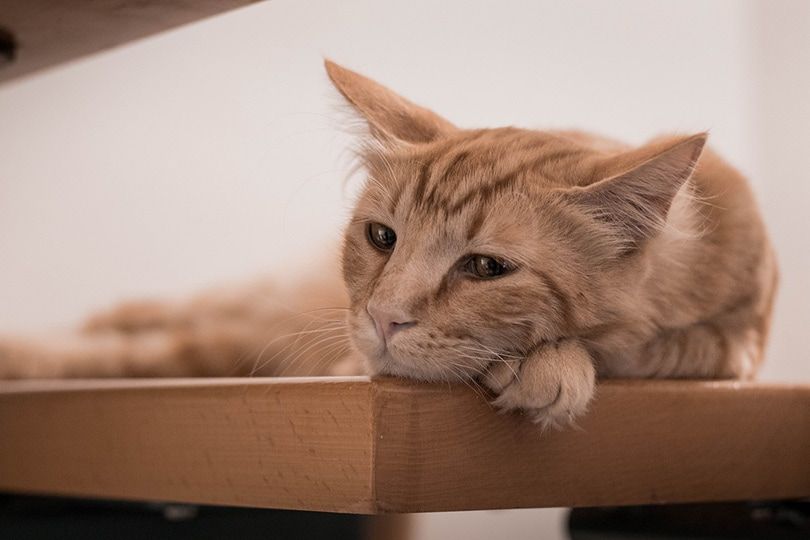
A cat’s brain is very complex, and very similar to a human’s brain in some ways. This enables them to experience a range of different emotions, such as sadness, anger, fear, joy, and surprise. However, cats will not show emotions in the same way humans do, nor will they experience the depth of the complex emotions that humans are capable of feeling.
So, while cats may feel sadness and other emotions, they will show this sadness through their behavior. This makes it important for cat owners to keep a close eye on their cat’s behavior to tell quickly if something is different about the way their cat is acting.
If you feel that your cat may be sad or if you are wondering if their brain can have such a complex emotion familiar to humans, then this article has all the answers you need!

Can Cats Get Sad?
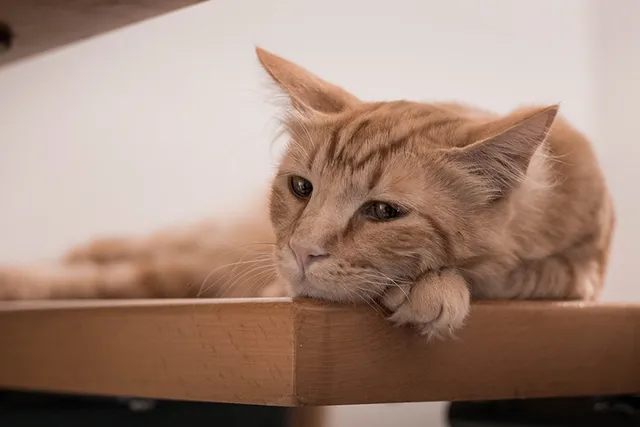
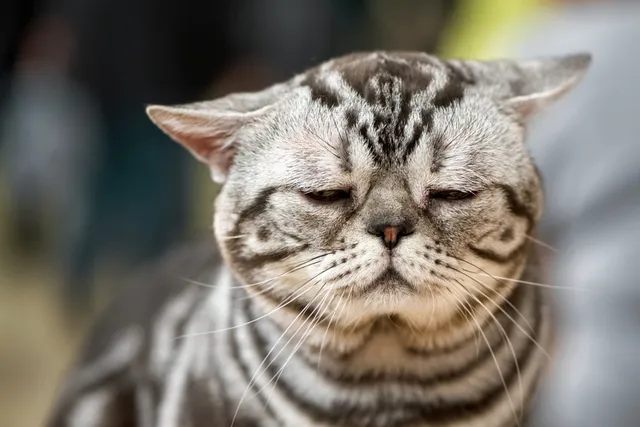
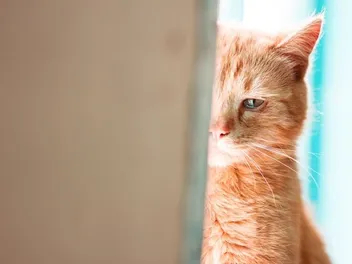
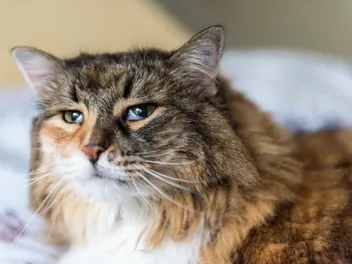
Yes, cats are emotional creatures that can feel sadness and show signs of depression. They can display abnormal behaviors when feeling emotions such as sadness and unhappiness. These behavioral changes can range from changes in their sleep patterns, grooming, litter box usage, appetite, and response to stimuli. A depressed or sad cat may lose interest in activities that they once enjoyed. However, it is essential to first rule out if a possible illness is causing these abnormal changes to your cat’s behavior.
People with depression usually experience persistent feelings of sadness and a lack of interest. However, it is difficult to determine if your cat is sad or depressed because they cannot verbalize how they are feeling. Cat owners should keep a close eye on their cat’s behavior in order to tell if they are acting different than normal.
If in doubt, it is always best to consult with a vet since, for example, lethargy, lack of appetite, excessive grooming, or problems with the litter tray are also signs of serious illnesses in your cat that should not be overlooked.
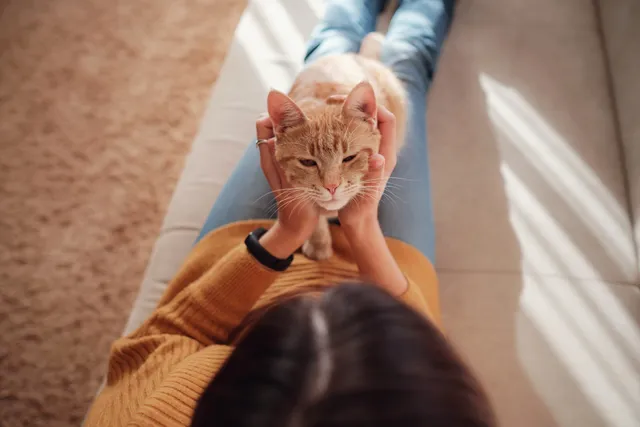
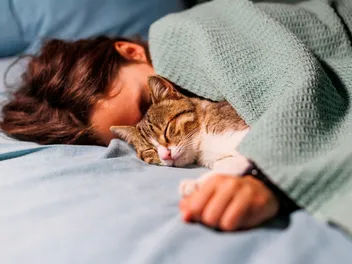
Cats have similar biological functions and anatomical brain structures to humans. This allows cats to suffer from some of the mental illnesses we do and experience comparable emotions to us. It is also believed that cats can sense our emotions by recognizing our facial features (smiling or frowning) and the tone of voice of their owners they are closest to. Cats that develop a close relationship with their owners may even attempt to comfort their owners when they sense their distress.
What Causes Sadness in Cats?
Your cat can become sad for a variety of different reasons. Prolonged feelings of sadness can lead to your cat developing depression, especially if the reason they have a constant feeling of sadness is prolonged and persistent in their lifestyle.
Here are the main reasons cats commonly become sad:
A Change in the Family’s Routine
Cats enjoy having a routine without too many changes to the environment. If your family has recently changed up their routine, for example: a family member who has always kept your cat company while everyone else was at work or school may now be gone from the house for hours at a time, leaving your cat to adjust to being alone. This can cause your cat to feel sad and distressed, as they will not understand why a sudden change has occurred to the family’s routine.

The Loss of a Household Family Member or Pet
Cats can also grieve the loss of a close family member or pet and they must adjust to the absence. Your cat may be confused and sad for a short period and grieve alongside the family, however, they should soon recover. Your cat may also sense the sadness and heartache the family around them is feeling, causing them to become sad as well.
Changes in the Environment
Your cat prefers to be in an environment that they are comfortable in. Moving to a new house, changing up the household, or adding stressors into their environment can cause your cat to become depressed and sad because they do not understand why the sudden changes to their environment are happening.
It is also possible that the addition of a new pet entering the family can cause your cat to feel sad and distressed. They may not know how to deal with dogs if they have not been properly socialized, especially dogs that chase or try to interact, or play with them.

Physical Discomfort
Your cat may get injured or become ill. This will prevent your cat from doing the things they once enjoyed, and sadness may be inevitable. Some painful or uncomfortable conditions can affect your cat’s mood, such as dental disease, cancer, joint problems, or itchy skin issues. If you think your cat is feeling sad due to the discomfort of an illness, you must take them to a veterinarian so they can be treated.
How to Tell if Your Cat Is Sad
Most cat owners will not notice that their cat is sad until they start showing behavioral changes. Most of the signs of a sad or depressed cat can be compared to how a human might act when they are sad, specifically the main ones such as appetite changes and loss of interest in partaking in previously joyful activities that are a part of the normal routine.
- Abnormal eating patterns (such as decreased appetite)
- Loss of interest in activities that used to excite them
- Decreased interest in interacting with their owners or other pets
- Increased vocalizations
- Spending less or more time grooming themselves
- Changes in their litter box habits
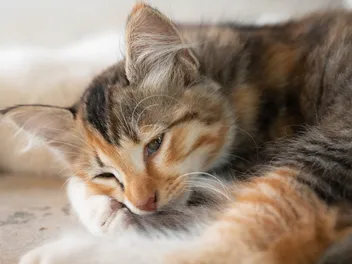
- Spending more time sleeping or laying around
- Increased need to use the litter box or house soiling (spraying, pooping, or urinating outside of the litter box).
- Hiding or acting fearful
Final Thoughts
Understanding the depth of your cat’s emotional capability is important. If you do think your cat is feeling sad or showing signs of sadness, it is important to take them to the veterinarian to rule out a possible underlying health condition.
The next step would be to consider if anything in their environment or a recent family change is causing your cat to feel these bouts of sadness. There are many ways to keep your cat healthy and happy, by ensuring that they receive enough attention, are fed a healthy diet, engage in activities that bring them joy, and do not have any stressors or abrupt changes to their environment.
We will never know if cats feel sadness the same way humans do, but they are most certainly capable of feeling sad sometimes.
Featured Image Credit by: avi_acl, Pixabay

Expert cat care, straight to your inbox
Vet-reviewed advice, behavior tips, and the best of Catster. Free, and you can unsubscribe anytime.
By signing up, you agree to our Terms & Conditions and Privacy & Cookies Policy.
Sarah Psaradelis is an avid young writer with dual passions for literature and animals. She enjoys sharing knowledge of animal care and helping others. Sarah has over 8 years of writing experience and is currently studying veterinary science. She resides in South Africa where she takes care of fish, aquarium snails, dogs, and rodents. Sarah is a passionate vegan activist and animal rescuer pursuing her path to make the world a better place for humans and animals alike.
Join the conversation
Ask a question, share your story, or send private feedback.