Why Is My Cat Peeing in Weird Places? 9 Vet-Reviewed Reasons

In this article
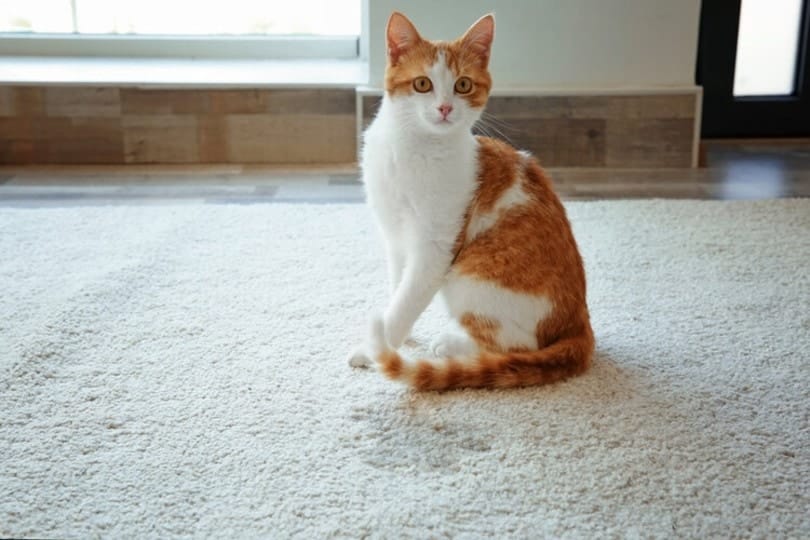
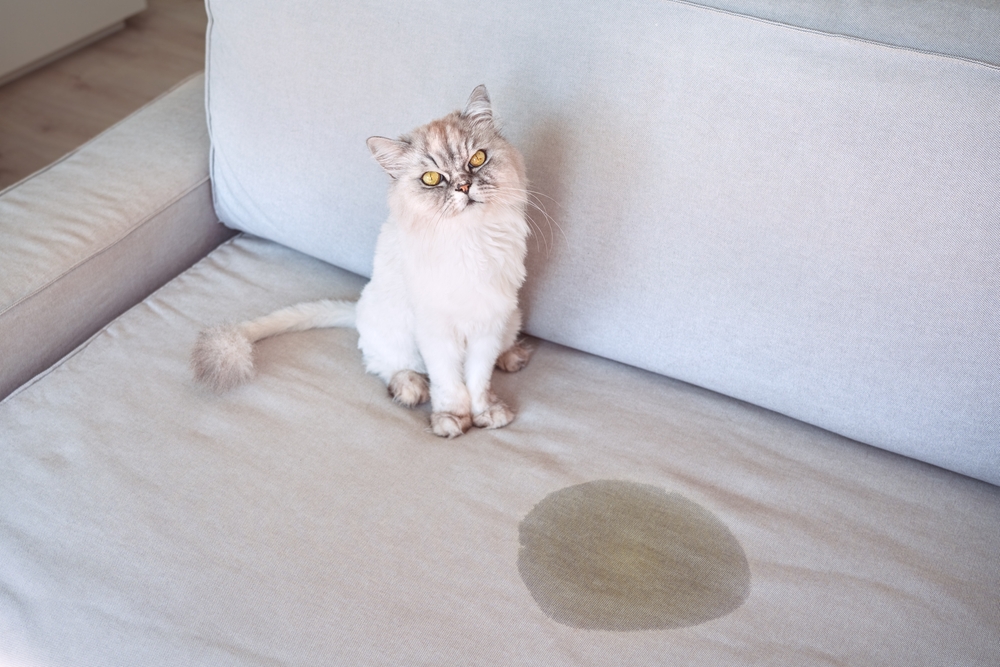
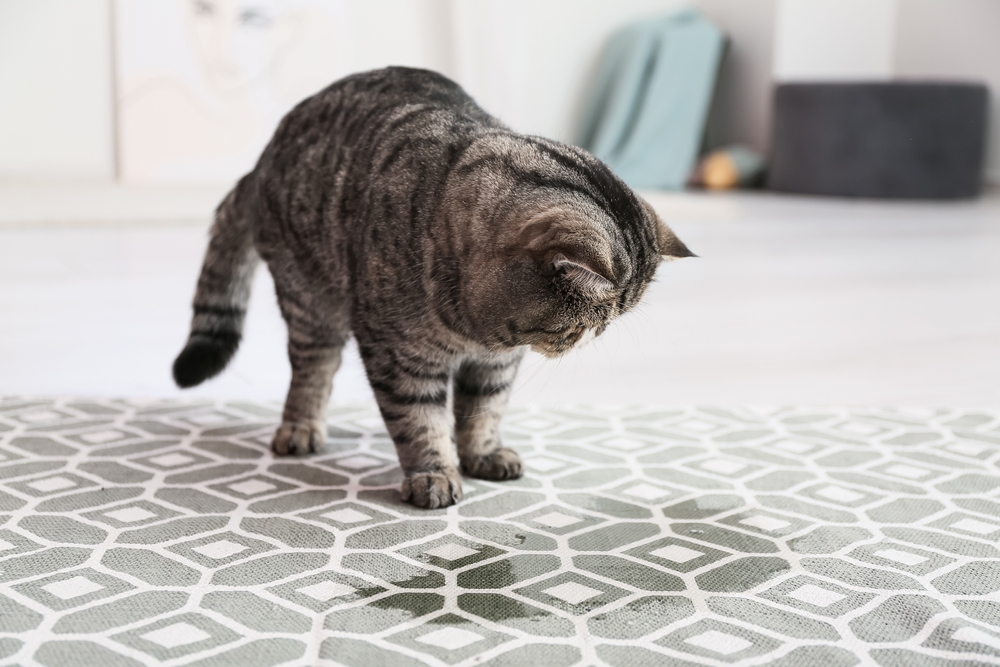
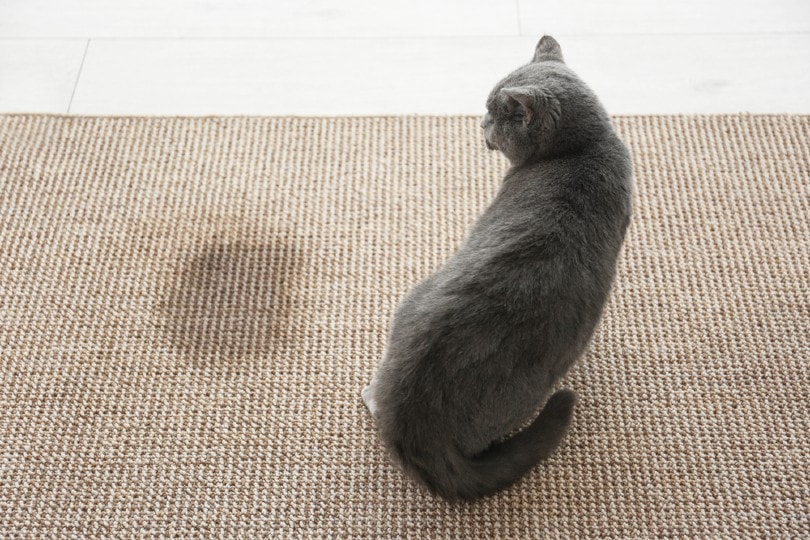
A cat urinating in inappropriate places is a dilemma for pet owners. One of the reasons some opt for a kitty as a pet is because they use the litter tray. You can keep them inside without the need to take them outside several times daily. Keeping your cat indoors is preferable to giving them outdoor access, even if it's only once in a while.
When Ed Lowe invented kitty litter in 1947, it became more pleasant to keep your feline companion in your home. However, that’s only true if your pet uses the litter box appropriately. If your cat is peeing in weird places, here are possible reasons.

Effectively Cleaning Pet Messes
The first part of cat mess prevention is ensuring you are taking the time to properly clean any accidents so they don't return to the same spot - and that starts with investing in the right products! Of course, you'll want to opt for something safe first and foremost, to protect your feline's health, but secondly, you'll need a solution powerful enough to lift the toughest, stinkiest, most set-in stains. An enzyme cleaner is a great go-to option to do just that.
Our Favorite Enzyme Cleaner
The Hepper Advanced Bio-Enzyme Pet Stain & Odor Eliminator Spray is our favorite enzyme cleaner out there. It permanently removes even the very worst kitty stains and smells, leaving your home fresh and clean! Click here to learn more about this amazing product and get yourself a bottle.

- ADVANCED ENZYMATIC CLEANER - Penetrates the most stubborn smells and stains at the deepest molecular levels to dissolve any pet mess you encounter and lift it away at the source.
- FOR ANY MESS, ON ANY SURFACE - This pet odor eliminator cleans your carpets, floors, furniture, fabrics, and more. Whether it's urine, feces, vomit, or drool, you can erase all foul spots and smells!
- FRESH, NATURAL ODOR - Our unique formulation doesn't rely on dangerous or unpleasant chemical fragrances to get the job done. We eradicate smells and stains, not just cover them up.
At Catster, we’ve admired Hepper for many years, and decided to take a controlling ownership interest so that we could benefit from the outstanding products of this cool cat company!

The 9 Reasons Your Cat May Pee in Weird Places
1. Unclean Litter Box
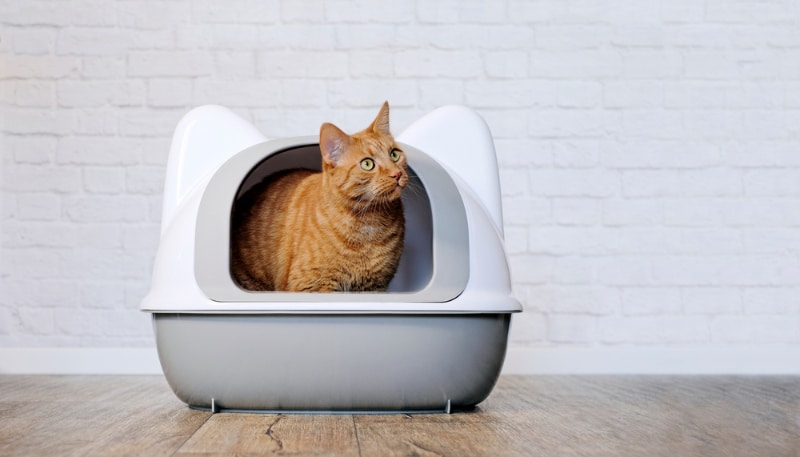
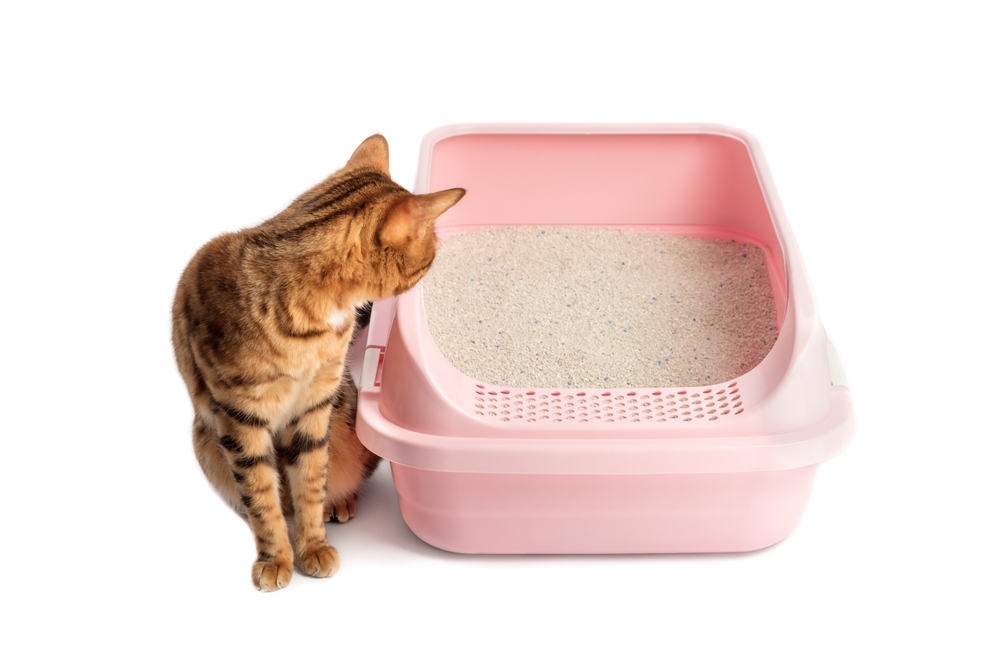
Chances are your cat will notice a dirty litter box before you. After all, they have around 10 to 20 times more olfactory receptors than humans.1 Cat’s like a clean litter box and are put off by a dirty one. You can’t really blame your kitty for going someplace else if it gets too messy in the box. We recommend scooping it daily to keep the odors under control and giving it a thorough clean weekly.

2. Change of Litter
Cats may have litter preferences based on what is comfortable and familiar for them. If you switch it out abruptly, your pet may do their business somewhere other than what they’re supposed to use. That includes the texture. You’ll find clumping, non-clumping, silica, and recycled products. Each will undoubtedly feel different to your pet, prompting their rebuff.
3. Scented Litter
The same caution applies to scented litter. Manufacturers try to make their products more appealing to people by adding various fragrances. It doesn’t matter if marketers call it fresh, clean, or garden. Your kitty has different tastes to you and may reject it because they dislike the smell.

4. Too Few Litter Boxes
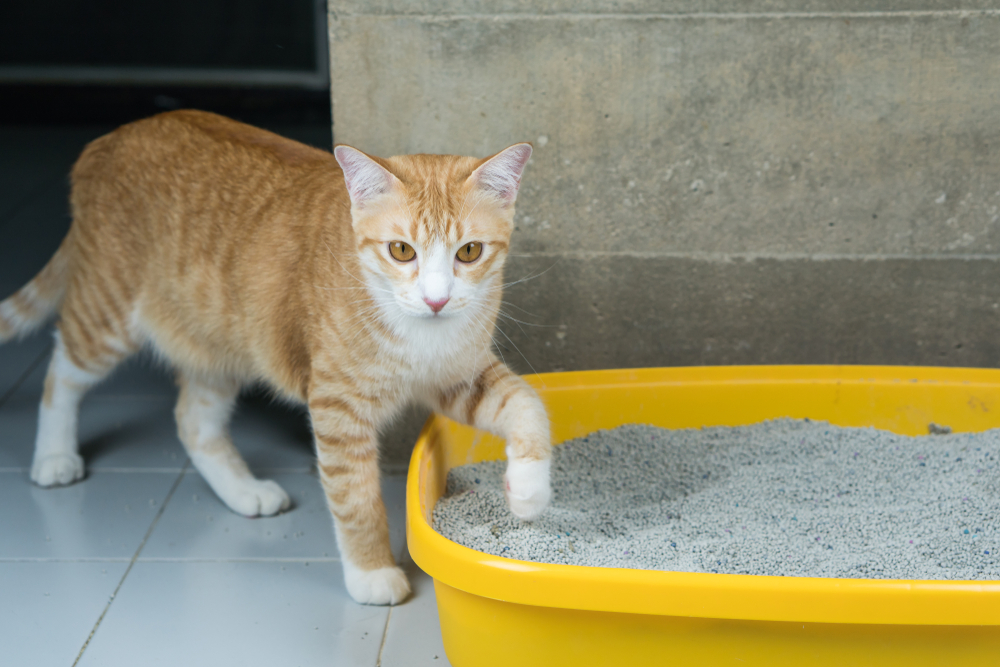
Felines like their own space, even when it comes to the litter box. That’s especially true if you have a multi-cat household. If you only have one box and more than one cat, you may find one pet urinating in weird places. Experts recommend one box per cat and one extra box spaced around your home to eliminate any competition for litter trays.
5. Hormone Driven Behavior
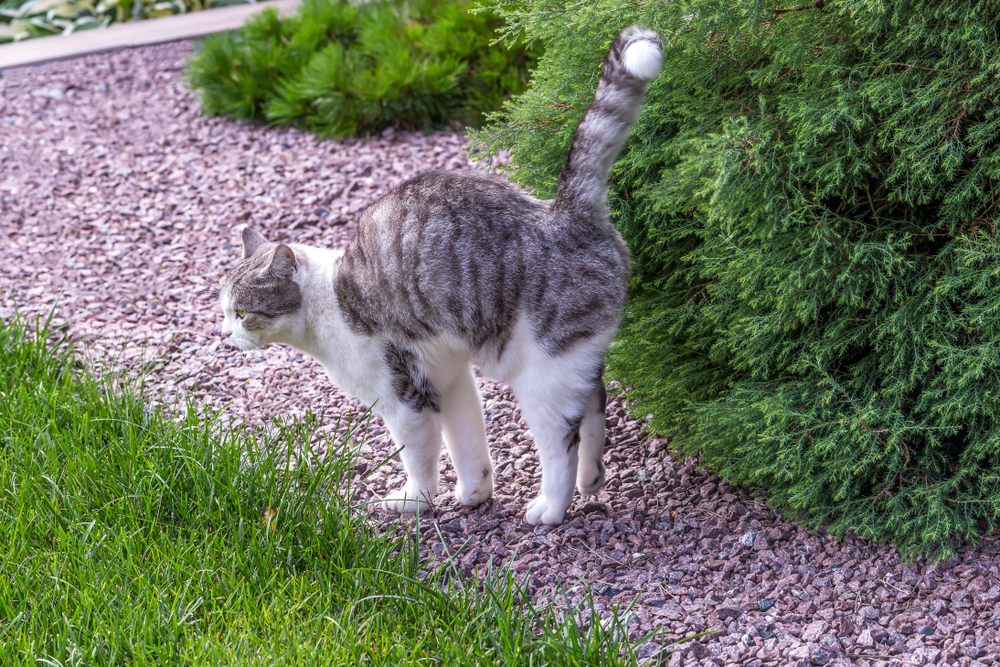
An intact male approaching sexual maturity may start scent-marking. It’s another form of non-vocal communication to let others in the neighborhood know that their area is occupied and he is ready to mate. Neutering your cat can resolve the issue, if other problems are ruled out. We suggest discussing it with your vet.
6. Territorial Marking
Urine marking is an important method of communication for cats. Spreading their scent provides a sense of comfort and security to cats, and as such in times of change or stress, territorial marking occurs as a coping mechanism. Stressors such as visitors, moving house, new cats, conflicts, and renovations can all cause cats to urinate outside the litter tray. Minimizing stresses and using calming pheromones, such as Feliway, in the house can reduce your kitty’s anxiety and marking behavior.
7. Feline Lower Urinary Tract Disease
Feline Lower Urinary Tract Disease (FLUTD) is an umbrella term for bladder and urethral diseases that cause inflammation and pain, leading to a feeling of needing to urgently urinate and accidents outside the litter tray. Often these cats will strain to urinate, urinate in small amounts and may have blood in the urine (hematuria). Commonly in male cats, and rarely in females, a urethral obstruction can occur meaning that your cat cannot urinate, which is a medical emergency. Common causes of FLUTD include urinary tract infections and bladder stones. Interestingly, a sterile inflammation of the bladder is a very common cause and appears to be related to stress; this is called feline idiopathic cystitis.

8. Polyuria/ Polydipsia
Polyuria and Polydipsia (PUPD) are the medical terms for drinking and urinating more than usual. Cats should drink 50-60ml of water, per kg of body weight, a day to stay healthy. Drinking and urinating more can lead to a full bladder, which means your cat may not make it to the litter tray. Common medical causes of PUPD in cats include kidney disease, an overactive thyroid gland and diabetes mellitus.
9. Physical Difficulties
Getting to the litter box and getting into position to toilet can be a daunting task for cats with health problems such as arthritis, injuries, and nerve damage that impact their mobility. If you have noticed signs that your cat has trouble getting around, consult with your veterinarian for treatment options. Some of these conditions can be painful, so it is essential that your cat gets some relief. In addition to that, place the litter box in an easily accessible area. Your cat should not have to walk too far, jump up or climb into the litter box. Pick a box that is shallow, so your pet can easily climb in.

Tips for Keeping Your Cat Healthy
Eliminating medical causes is essential when your cat urinates in weird places. While some are easily remedied, others require veterinary intervention. It’s imperative for your kitty’s quality of life. Be on the lookout for signs of problems like poor mobility, straining to urinate, pain, and increased thirst.
We’ve mentioned cats’ preferences. Therefore, you must also address the appeal and maintenance side of the problem. An enzyme cleaner can help prevent recurrences by getting rid of the enticing odor which brings your cat back to the same weird places.
We also suggest replacing the entire contents of the box weekly, even if you scoop it daily. Your pet doesn’t need an olfactory reminder of the purpose of the litter box. It’ll keep the room where you keep it smelling fresh.


Conclusion
Cats are usually clean animals. They don’t want to make a mess or upset you. Something prompts them to act outside of the norm. It can be something simple and easily fixed. Other times, it has medical reasons worth investigating. However, you shouldn’t ignore it. It needs attention. You must also do the necessary maintenance to prevent recurrences.
Sources
https://veterinarypartner.vin.com/default.aspx?pid=19239&catId=102901&id=9031530
https://www.avma.org/resources-tools/pet-owners/petcare/feline-lower-urinary-tract-disease
https://www.vin.com/apputil/content/defaultadv1.aspx?id=3862952&
https://stud.epsilon.slu.se/16993/1/Alipourmazandarani_F_210701.pdf
Featured Image Credit: Only_NewPhoto, Shutterstock

Expert cat care, straight to your inbox
Vet-reviewed advice, behavior tips, and the best of Catster. Free, and you can unsubscribe anytime.
By signing up, you agree to our Terms & Conditions and Privacy & Cookies Policy.
Chris has been a science-focused pet writer since 2009, specializing in health and the environment. She lives with her husband Norm and three amazing cats in the land of 10,000 lakes. When she's not writing about cats, Chris also enjoys boating and sampling wine. She has her WSET 1 and 2 certifications and is currently pursuing her Certified Wine Specialist Award (CSW).
Join the conversation
Ask a question, share your story, or send private feedback.