How Often Should I Change Cat Litter? 5 Things to Consider (Vet-Reviewed)


In this article
Cats are fastidious animals that greatly appreciate fresh, clean litter. If the litter isn't up to their standards, they may just do their business somewhere else—like your floor, which is why it's important to keep up with litter box maintenance. That said, just how often should cat litter be changed?
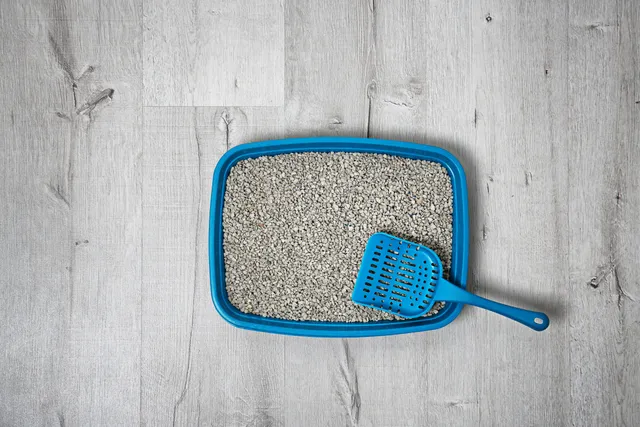
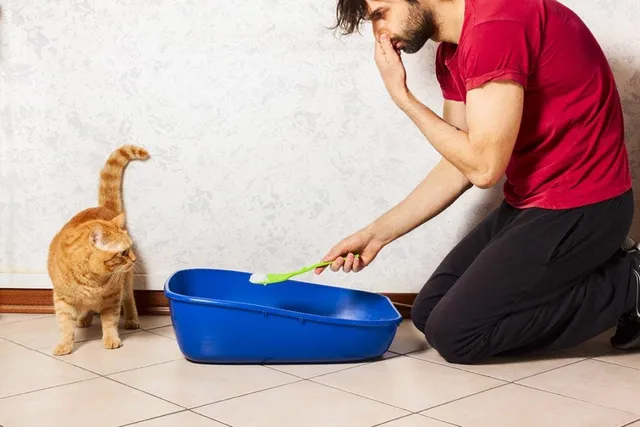
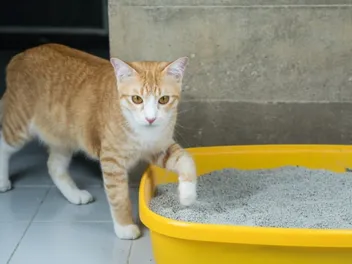
As a general rule, you'll want to scoopy daily, then change the litter and thoroughly clean the box about once per week, but this can vary based on multiple factors like the type of litter, how many cats you have, and your cat's bathroom habits. We'll take a closer look at these factors to help you gauge how often a litter change may be necessary.

The 5 Things to Consider When Changing Your Cat's Litter
1. Type of Litter
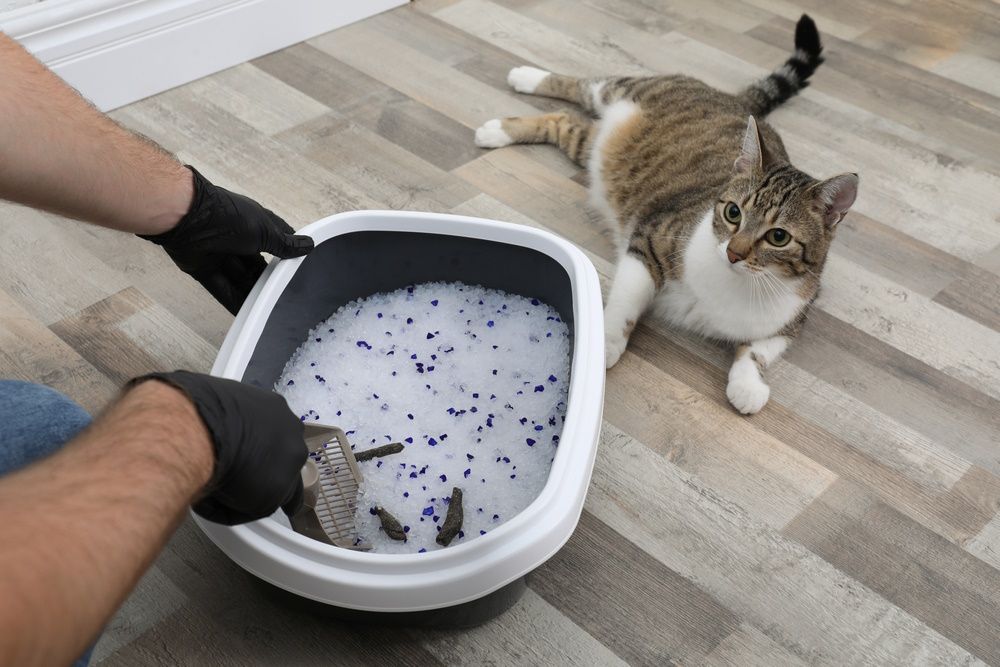
Some types of litter—like non-clumping clay-based litter—tend to get stinky pretty quickly, whereas others stay fresh for longer. High-quality clumping litter and silicone (crystal) litter tend to fare well because they're more absorbent. Clumping litter is especially convenient because you simply scoop out the clumps, leaving the clean litter behind, meaning it's easier to keep the box fresh.
In addition, some litters are formulated to contain odor-neutralizing agents like baking soda, and this can also contribute to the litter's longevity. With these kinds of litters, you might get away with changing it out only once a week or even less frequently if you maintain it well with regular scooping and cat litter deodorizers, which may help it last longer. Other, less absorbent types may need to be changed every other day.

2. Number of Cats
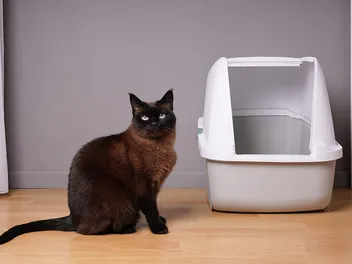
Naturally, the more cats you have, the quicker the litter box is going to get smelly and the more often it will need to be changed. You can help combat this by providing multiple litter boxes so everything doesn't accumulate in one single box. The general rule of thumb is to have one litter box for every cat, plus one extra. There are also cat litter types specially designed for multiple-cat households, so you might want to give these a try.
3. Your Cat's Bathroom Habits
A healthy adult cat on a high-quality food formula should only head for the litter box a few times per day (though individual needs can vary somewhat). However, if your cat has a health condition that causes them to pee more often (like a UTI, for example) or experiences issues like diarrhea, being diligent about litter maintenance is even more important than usual.
Certain medications may also affect your cat's frequency, as could their age. Kittens go to the bathroom more often than healthy adult cats.

4. Intact vs Neutered
There is no getting around it. Intact male cats' pee smells worse than a neutered cat's pee does. If you live in a house containing even one unneutered male, the smell can quickly become overpowering. You can speak to a vet for more information on neutering.
5. How Much Litter There Is
The litter should be deep enough for your cat to dig in and cover their poop. If it is too shallow, the absorbency will be affected, and it will start to smell in no time.

How to Clean a Litter Box
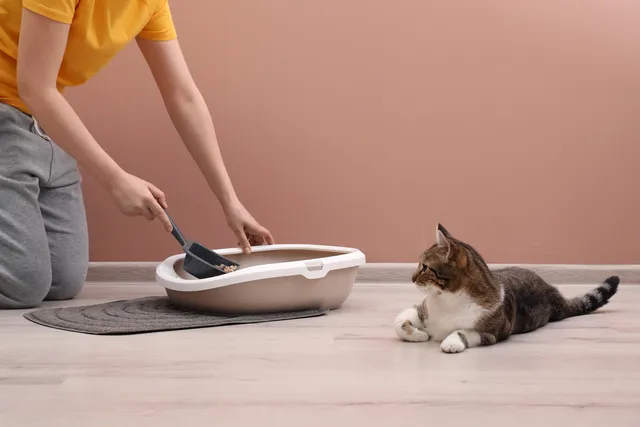
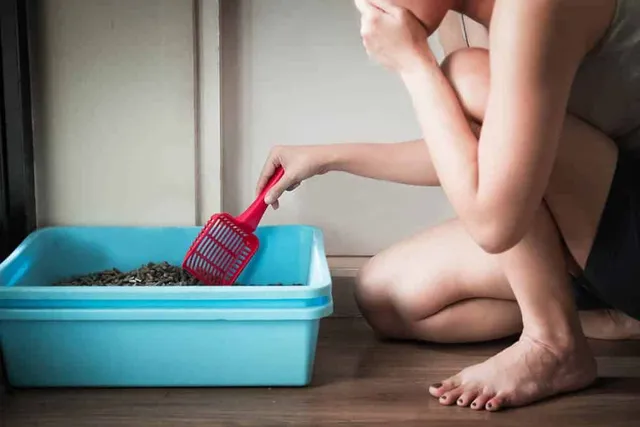
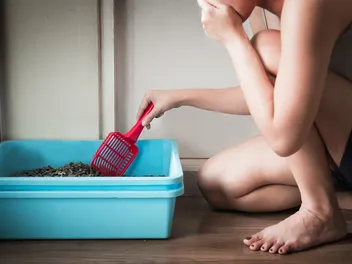
Spot cleaning your cat's litter box every day (removing clumps or feces) goes a long way to making sure it stays fresh smelling for longer. However, it's important to give the box a good clean when you change out the litter, whether that be once per week or more.
Simply emptying the litter box isn't enough to keep smells at bay because the odor compounds linger. Luckily, cleaning a litter box is really easy. All you need to do is empty out the old litter, then wash the box out with water and a mild soap. Avoid using bleach or cleaning products containing strong chemicals as these can be risky for cats.
You can let the box soak for a while if it is especially smelly. Then, empty out the water, rinse to get rid of all the soap, and wipe the box down with a dry cloth. Replace the litter in the clean, dry box. If you like, you can sprinkle some litter deodorizer or a little baking soda on the bottom of the box before putting the litter in—this may help it last longer.
Cleaning up after our pets is not the most enjoyable part of owning them. Despite keeping a clean litterbox, cat odors and stains may still exist around the house. Sometimes, even the best litter box setup needs extra help. If you're tired of dealing with bad smells from litter boxes, Hepper Advanced Bio-Enzyme Pet Stain & Odor Eliminator Spray can help with the worst pet stains and smells. Additionally, the Advanced Bio-Enzyme Cat Litter Deodorizer neutralizes odors upon contact.
Our Favorite Products
| Image | Product | Details | |
|---|---|---|---|

|
Hepper Advanced Bio-Enzyme Pet Stain & Odor Eliminator Spray |
|
Check Price |

|
Advanced Bio-Enzyme Cat Litter Deodorizer |
|
Check Price |
At Catster, we’ve admired Hepper for many years and decided to take a controlling ownership interest so that we could benefit from the outstanding designs of this cool cat company!

Conclusion
Some litter needs to be changed every other day whereas other types can last for a week or more with proper maintenance routines. If you're concerned because your cat's "deposits" are smellier than usual or they seem to be going to the bathroom more regularly, please check this out with a vet.
Sources
Featured Image Credit: New Africa, Shutterstock
Expert cat care, straight to your inbox
News, insights, and useful advice, delivered to you.

No spam — unsubscribe anytime.
By signing up, you agree to our Terms & Conditions and Privacy & Cookies Policy.
How useful was this post?
Click a star to rate. You can leave written feedback afterwards. (We read all feedback.)
Kit Copson is a freelance writer and lifelong animal lover with a strong interest in animal welfare. She has parented various furry beings over the years and is currently a proud cat mom of two—one very chilled (unless hungry) Siamese and a skittish but adorable Domestic Shorthair—and dog mom of one—an adopted Bichon Poodle cross. When not writing about or spending time with animals, Kit can be found doodling in her sketchpad, reading, or more often than not, drinking tea.